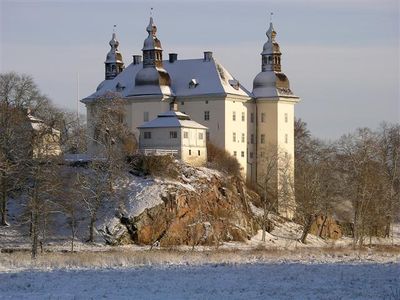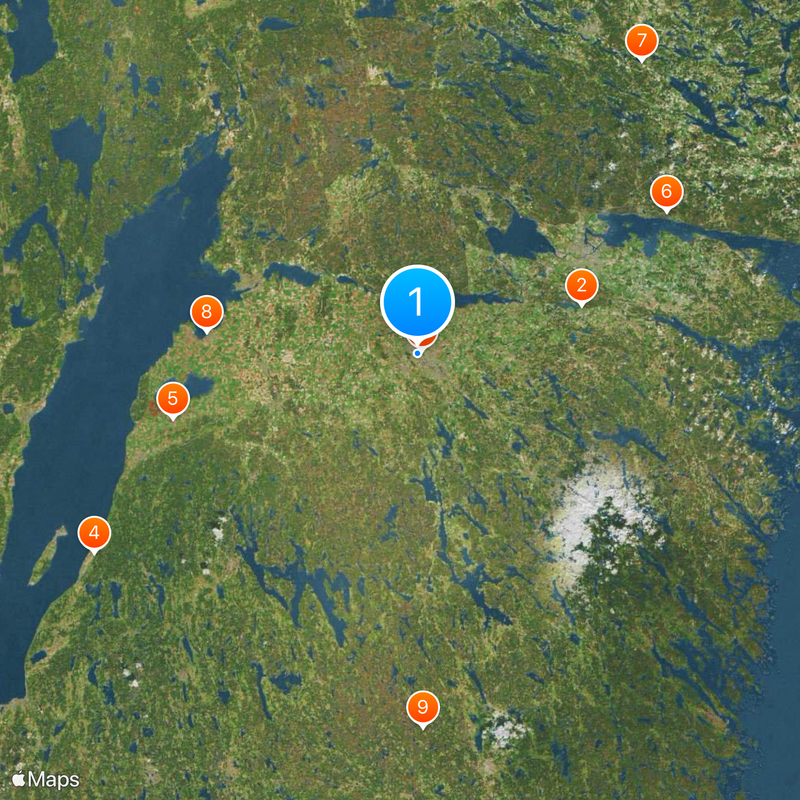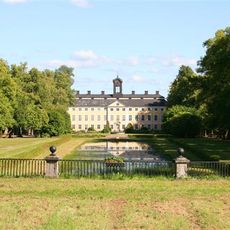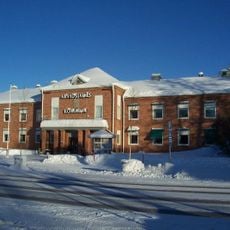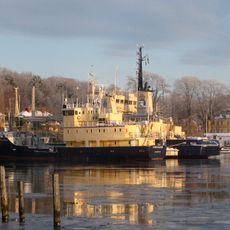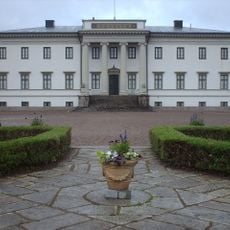
Östergötland County, Administrative county in southeastern Sweden
Östergötland County is an administrative region in southeastern Sweden located between Stockholm and Malmö, covering roughly 10,600 square kilometers. A complex coastline with about 9,000 islands along the Baltic Sea shapes the landscape and access to the region.
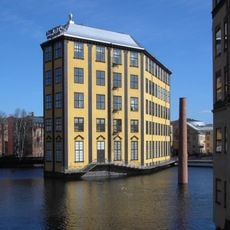
The region was established in 1634 and gradually transformed from an agricultural area into an industrial center. The construction of Göta Canal in 1832 significantly boosted the economy and connected the region to wider trade routes.
Local restaurants throughout the county prepare seasonal dishes using ingredients from regional farms, reflecting how people here connect with the land. The way food is shared and celebrated shows the region's deep ties to farming traditions.
The main cities of Linköping and Norrköping connect regularly by train and bus to Stockholm and surrounding areas, making travel relatively straightforward. Since the region covers a large area, planning routes between different destinations helps visitors make the most of their time.
A pilgrimage path called Birgittaleden runs roughly 145 kilometers from Söderköping to Vadstena through the county. This route passes medieval villages and forests that many travelers overlook when exploring the region.
The community of curious travelers
AroundUs brings together thousands of curated places, local tips, and hidden gems, enriched daily by 90,776 contributors worldwide.