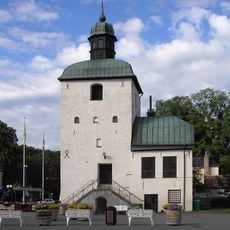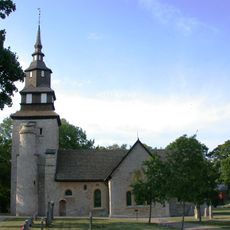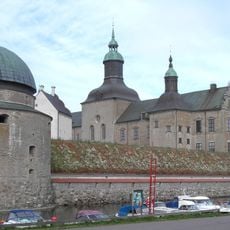
Vadstena Abbey, Gothic monastery in Vadstena, Sweden
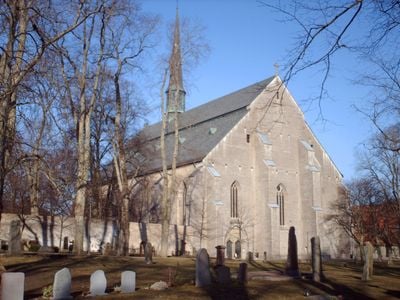
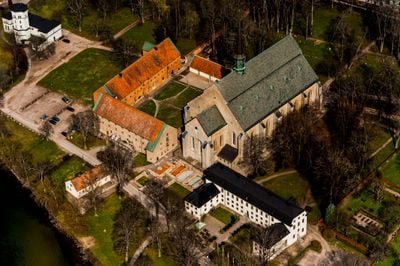
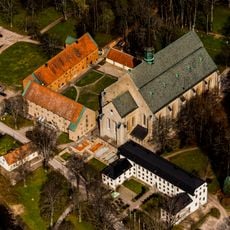
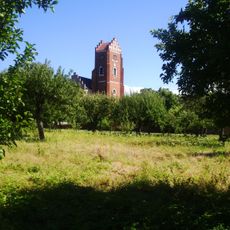
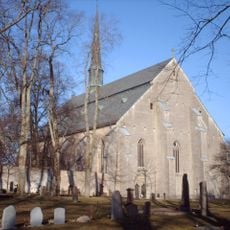
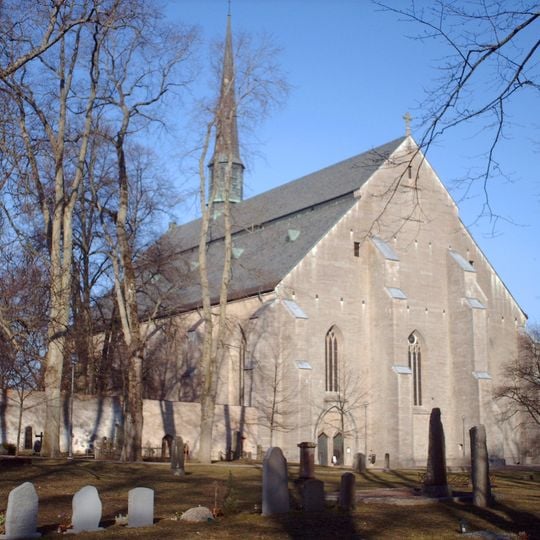
Vadstena Abbey is a Gothic monastic complex on the shores of Lake Vättern with thick limestone walls and separate living and working areas for monks and nuns. The compound preserves its medieval layout and demonstrates how a large religious community was organized and constructed.
The abbey was founded in 1346 when King Magnus Eriksson and Queen Blanka of Namur willed their royal palace at Vadstena to a new Bridgettine monastery, intending to be buried in its church. Saint Bridget's rule was approved by the Pope in 1370, and the abbey was blessed in 1384. It served as the motherhouse of the Bridgettine Order until 1595.
The abbey's name comes from Vadstena, the farm in Dal Hundred, Östergötland, donated by King Magnus IV and Queen Blanche. Vadstena was the motherhouse of the Bridgettine Order, sending nuns and monks to found daughter houses such as Syon Abbey in England in 1415. The abbess Margareta Clausdotter (1473–1486) wrote a work on Saint Bridget's family, and the monk Nicolaus Ragvaldi composed several works.
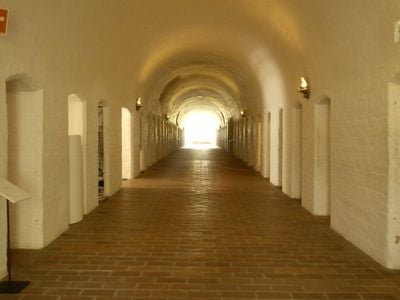
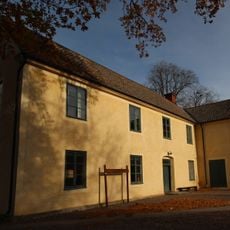
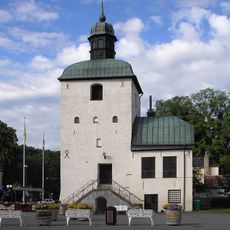
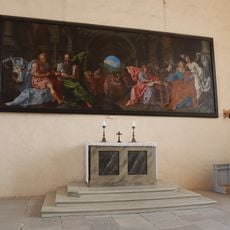
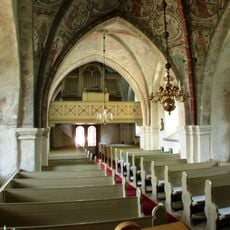
The abbey church is an active Lutheran parish church with daily Mass and Divine Office; the adjoining abbey museum occupies the former monastic quarters. The Diocese of Linköping runs a Pilgrim Center in the complex, and in summer the church receives 2,500 to 3,000 pilgrims a day. The church stands by Lake Vättern, with the town of Vadstena around it.
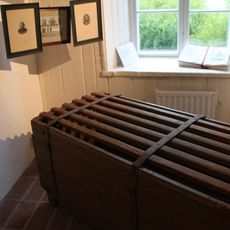
The abbey's library was probably the largest in the Nordic countries, and books were so valuable that one could be exchanged for an entire estate. The most precious volumes were chained in place. In 1415 four nuns, three novices, a monk and a priest left Vadstena to help found Syon Abbey in England.
The community of curious travelers
AroundUs brings together thousands of curated places, local tips, and hidden gems, enriched daily by 93,381 contributors worldwide.