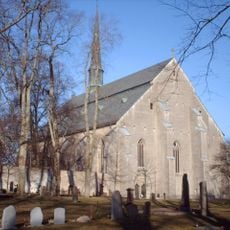
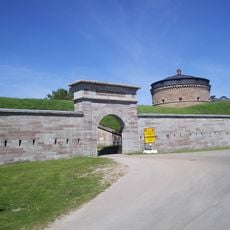
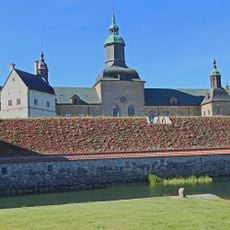
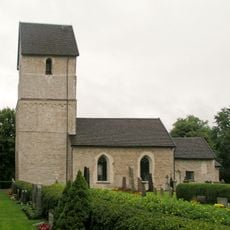
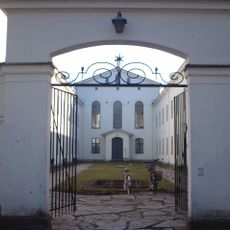
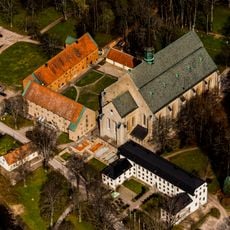
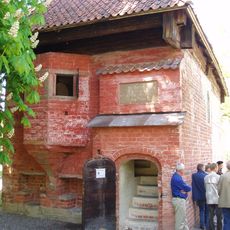
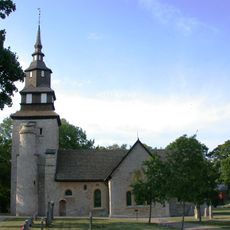
Vadstena Municipality, Administrative district in Östergötland County, Sweden.
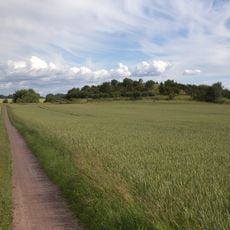
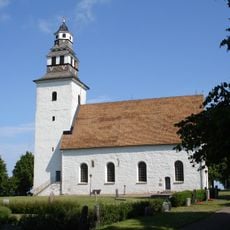
Vadstena Municipality lies on the eastern shore of Lake Vättern in western Östergötland County and is mostly rolling plain on sedimentary bedrock, with the forested Omberg horst marking its southwestern edge. Its only urban settlement is the town of Vadstena; the rest is farmland, the shallow bird-rich lake Tåkern and six nature reserves, among them Hagebyhöga and Ombergsliden.
The municipality was merged with Motala in 1974 as part of a national reform, then restored as a separate entity in 1980. Long before that, Vadstena had been a major religious centre in medieval Sweden, shaped largely by the abbey founded there in the 14th century.
The name Vadstena means 'stone house by the water', first recorded as Vastenis in a Latin letter from 1268. The town grew around a monastery built in the 1200s, which became a Bridgettine abbey in the 1360s with Saint Birgitta as abbess. In 2003 the town marked the 700th anniversary of her birth.
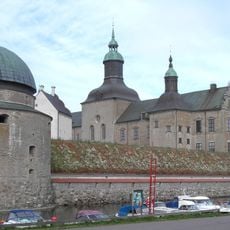
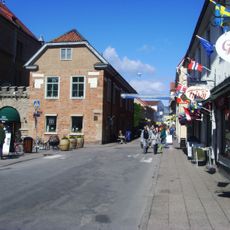
Vadstena is the only built-up area in the municipality, so it serves as the base for exploring the surrounding countryside. The ruins of Vadstena Castle and the abbey church stand close together near the lake, while the Omberg ridge and Lake Tåkern lie south of town and require a car or bus. The birdlife at Tåkern is richest during spring and autumn migration.
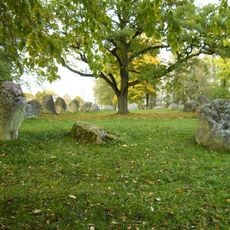
The Ombergsliden nature reserve contains lime-rich marshes where certain plant species grow that are rarely found elsewhere in the region. Close by, the Kastad kulle Torrang site has the opposite conditions, with dry rocky ground that supports a very different set of plants, making the two spots a striking contrast to visit together.
The community of curious travelers
AroundUs brings together thousands of curated places, local tips, and hidden gems, enriched daily by 93,375 contributors worldwide.