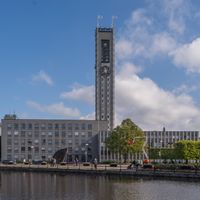
Västmanland County, County in central Sweden
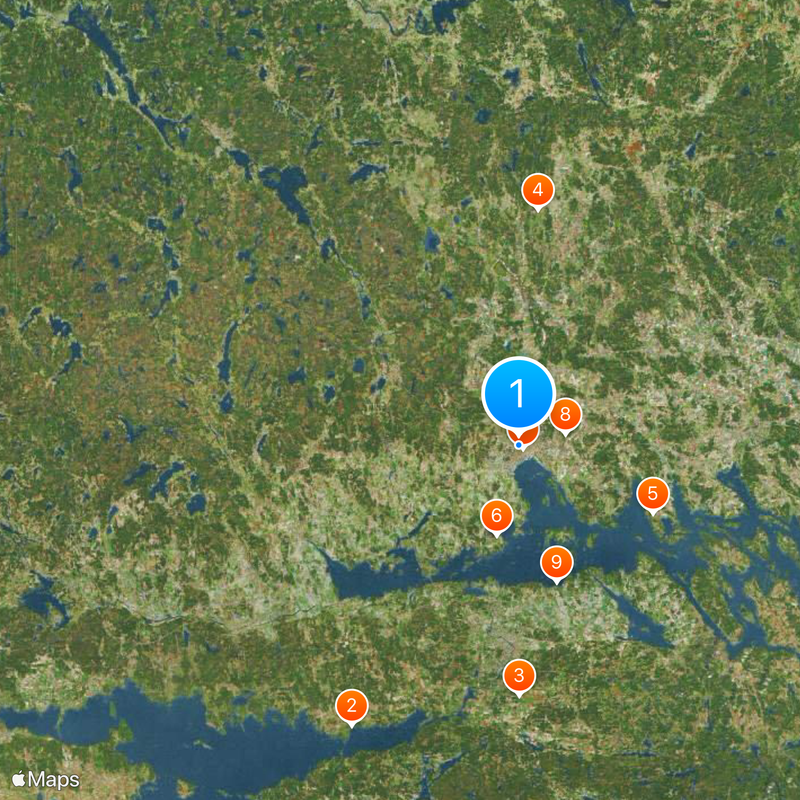
Västmanland County is a region in central Sweden comprising ten municipalities, with Västerås as its main city on Lake Mälaren. The landscape features forests, lakes, and rolling hills that blend developed towns with rural areas.
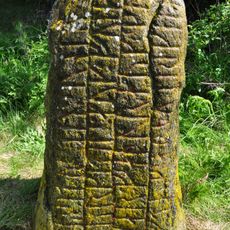
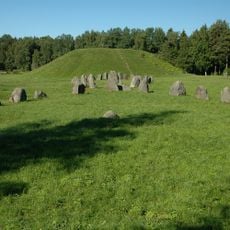
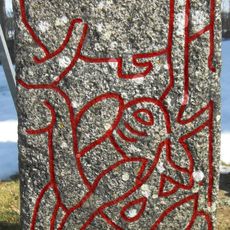
The county was established in 1634 and became a major center of iron production, which shaped Sweden's industrial growth. It preserves over 20,000 archaeological sites dating from the Iron Age through medieval times, revealing layers of human settlement.
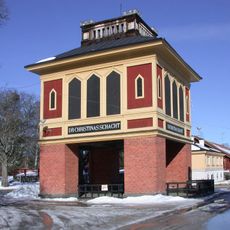
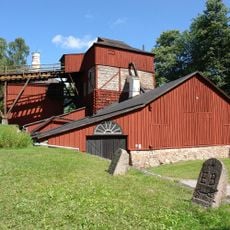
The region holds deep roots in iron mining and metalworking, traditions that shaped local craftsmanship and way of life for generations. Visitors can sense this heritage through old industrial sites and the pride locals take in their manufacturing skills.
The county is well connected to Stockholm by regular train services, making it easy to reach from the capital. Visitors can access forests, archaeological sites, and city amenities depending on which municipality they choose to explore.
The Hälleskogsbrännan nature reserve developed from a 2014 forest fire and demonstrates how ecosystems recover and transform after disturbance. The area has become valuable for researchers studying forest regeneration and adaptation.
The community of curious travelers
AroundUs brings together thousands of curated places, local tips, and hidden gems, enriched daily by 92,028 contributors worldwide.