Fagersta Municipality, Industrial municipality in Västmanland County, Sweden.
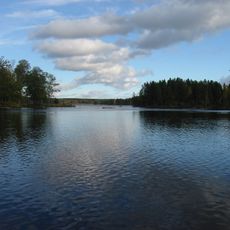
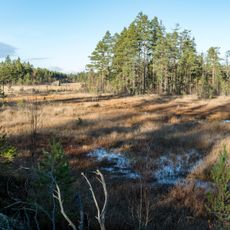
Fagersta Municipality is a municipality in Västmanland County, central Sweden, with its seat in Fagersta. Its bedrock of acidic volcanic rock, folded and transformed, contains iron ore that was mined at sites such as Stortäktsgruvan in the Semla area and Rudgruvan. Narrow valleys run parallel to the ore field, and the Kolbäcksån river and Lake Aspen are lined with sediment and open farmland, while forest on moraine or marsh covers most of the rest.
The area took its current form in 1944 when two communities merged, followed by the addition of another parish in the following decades. These shifts reflected the growing importance of iron production, which drove regional development during the 20th century.
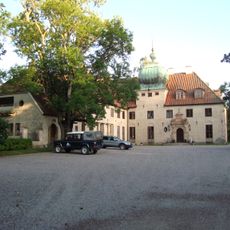
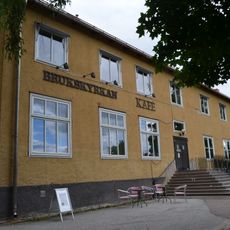
Fagersta was a bruksort, a mill town, until the mid-1980s, dominated by a single employer, Fagersta AB. When the group ceased in 1984, its special-steel production passed to Seco Tools, Atlas Copco Secoroc, Fagersta Stainless and Outokumpu. Steel still employs about 25 percent of the municipality's population. Since 2014 the municipality belongs to the administrative area for Finnish.
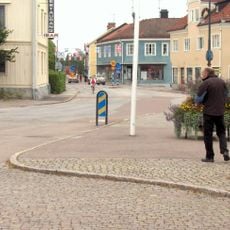
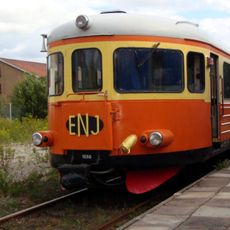
Fagersta is the seat and the only locality with more than 200 inhabitants; services concentrate there. The municipality is crossed by the Bergslagspendeln railway (Ludvika–Västerås) and the Godsstråket through Bergslagen, plus national roads 66 and 68. The Bruksleden hiking trail passes through the area. Ängelsberg, on Åmänningen lake, is the other locality of note.
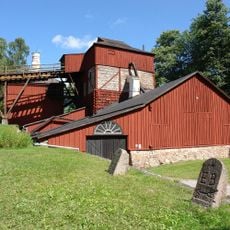
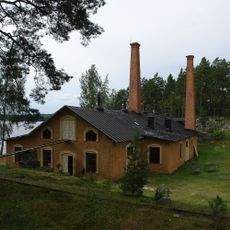
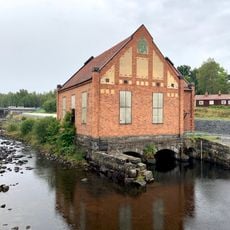
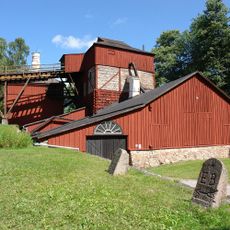
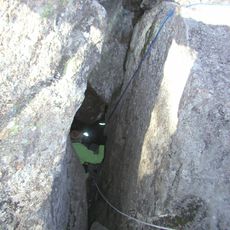
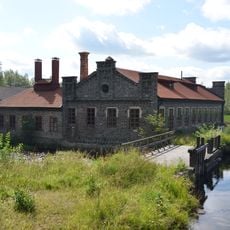
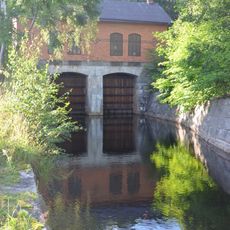
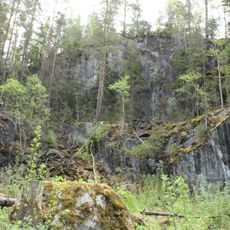
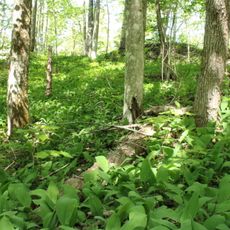
The municipality's ironworks past is visible in its industrial remains: the Stortäktsgruvan in the Semla area was the largest mine, and Rudgruvan was Fagersta Bruks' own mine, worked into the 1960s. Limestone was quarried at Svartberget north of Hedkärra, and the lime-rich bedrock still shows in the local flora.
The community of curious travelers
AroundUs brings together thousands of curated places, local tips, and hidden gems, enriched daily by 94,108 contributors worldwide.