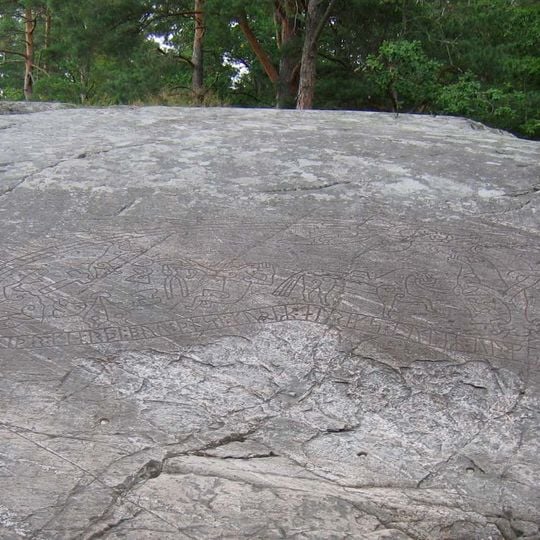
Sigurd inscription, Runic stone carving in Sundbyholm, Sweden
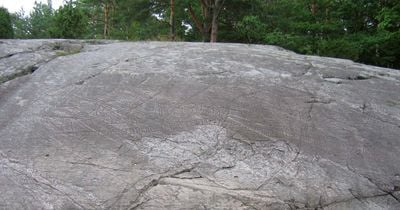
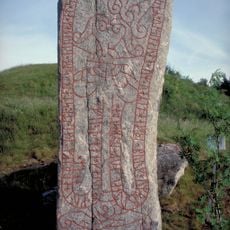
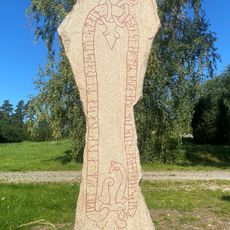
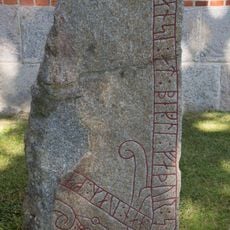
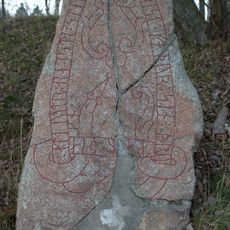
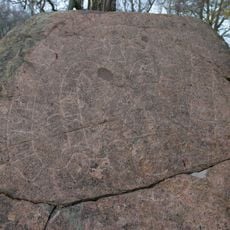
The Sigurd inscription covers a large rock surface with detailed carvings that combine runic text with images of dragons and human figures. The engravings tell a complex story through the combination of written and visual elements.
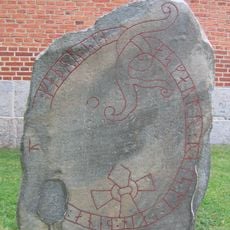
The carving, known as Sö 101, was commissioned by Sigrid in memory of Holmger, who was probably her father-in-law rather than her husband; her husband Sigröd was likely already dead. The runes call the work a bridge, and the images follow the Volsunga saga as told in Snorri's Edda. A rune stone found in 1940 in the Ramsund stream below the carving remains undeciphered.
The stone displays scenes from Norse mythology through both runic text and carved images that tell the story of Sigurd and the dragon Fafnir. Visitors can observe how the symbols and ancient tales are directly connected in the rock itself.
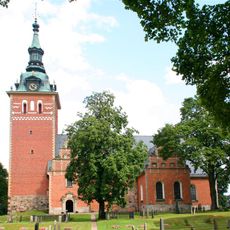
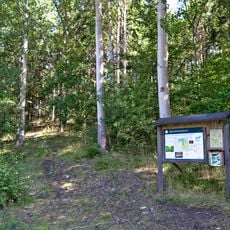
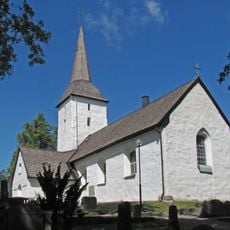
The carving lies on Ramsundsberget, north of Sundby Church in Eskilstuna Municipality, between the Jäder and Sundby parishes. It measures 4.6 m wide and 1.9 m high, so step back to take in the whole panel. The rock surface is uneven and split by fissures; watch your footing and look for the rune band along the lower edge.
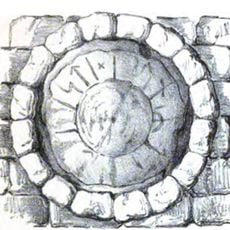
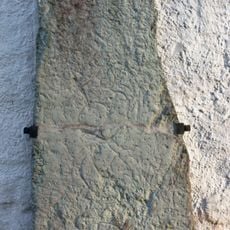
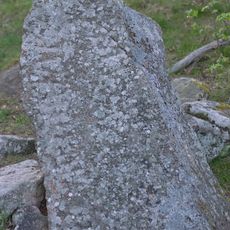
In 1940 a stone was found lying in the Ramsund stream below the carving, bearing the short inscription iąisin or ioisin, which remains undeciphered. Runologist Magnus Källström suggests it may be a later inscription, perhaps a 19th-century name such as "I. Olsén".
The community of curious travelers
AroundUs brings together thousands of curated places, local tips, and hidden gems, enriched daily by 93,537 contributors worldwide.