Gravensteen, Medieval fortress in central Ghent, Belgium
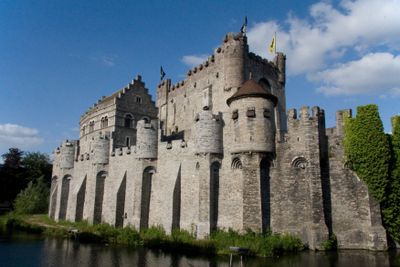
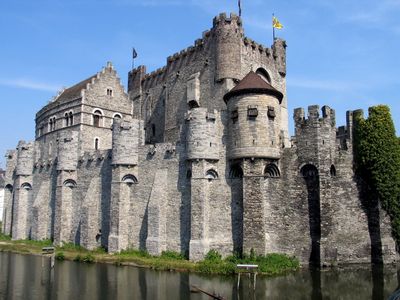
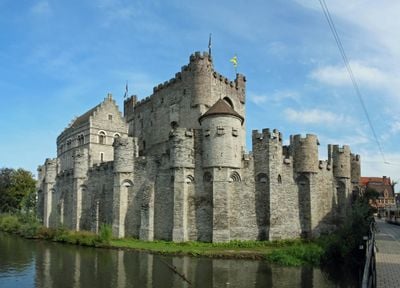
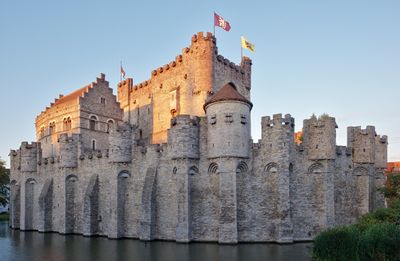
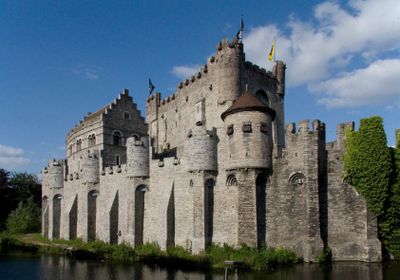
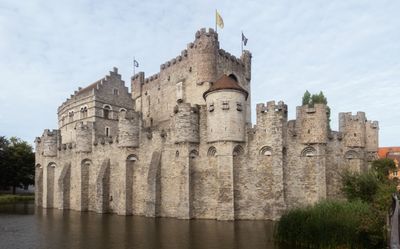
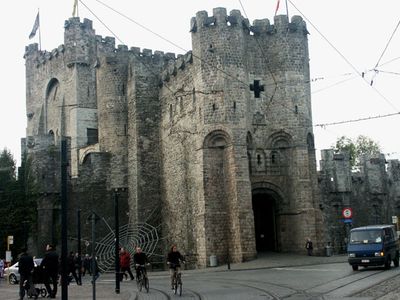
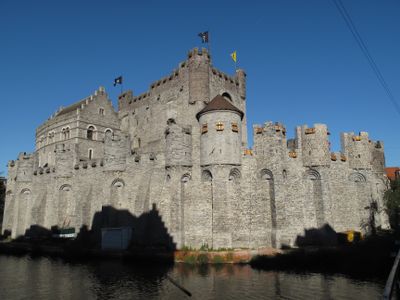
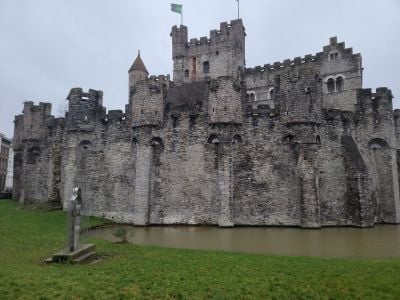
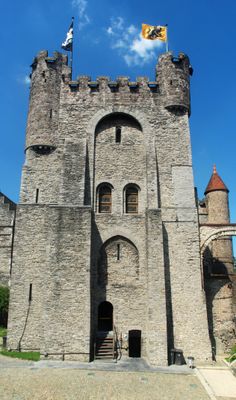
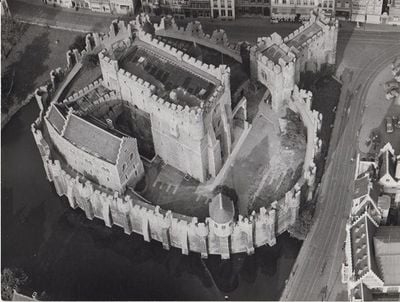
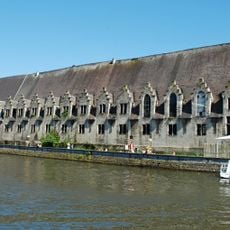
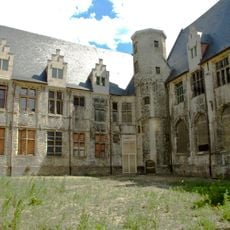
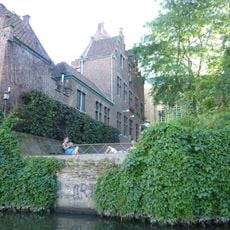
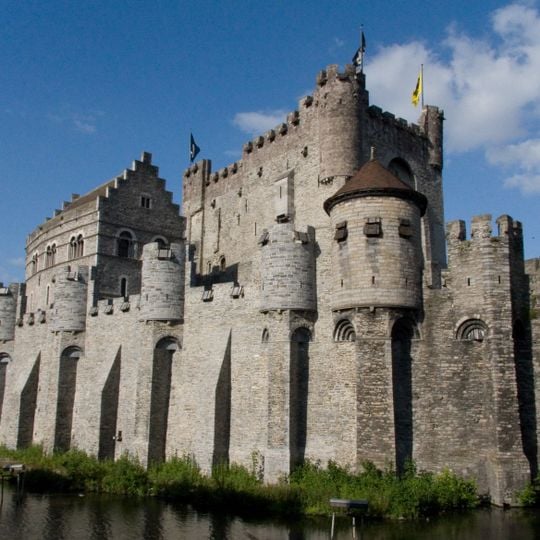
Gravensteen is a castle fortress in the heart of Ghent with a central stone keep, surrounded by high walls and numerous towers that rise above the medieval cityscape. The entire fortification is enclosed by a moat that remains visible today.
The fortress was built around 1180 by Philip of Alsace to demonstrate power and control the city's trade. It remained one of the strongest military structures in Flanders for centuries.
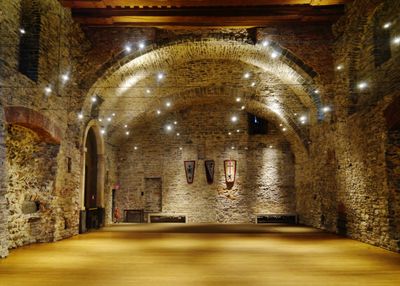
The castle's name means "the Counts' stone", and a wolf's foot was once nailed to its gate, the last archaeozoological trace of a wolf in Flanders. Since 2002 a weapons museum has stood beside the Court Museum, whose collection of coercion and torture instruments recalls the castle's centuries as a court and prison.
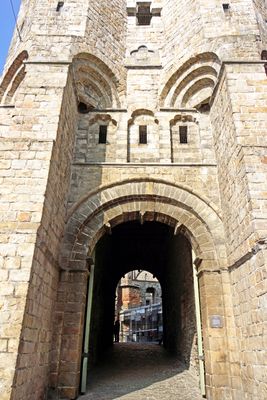
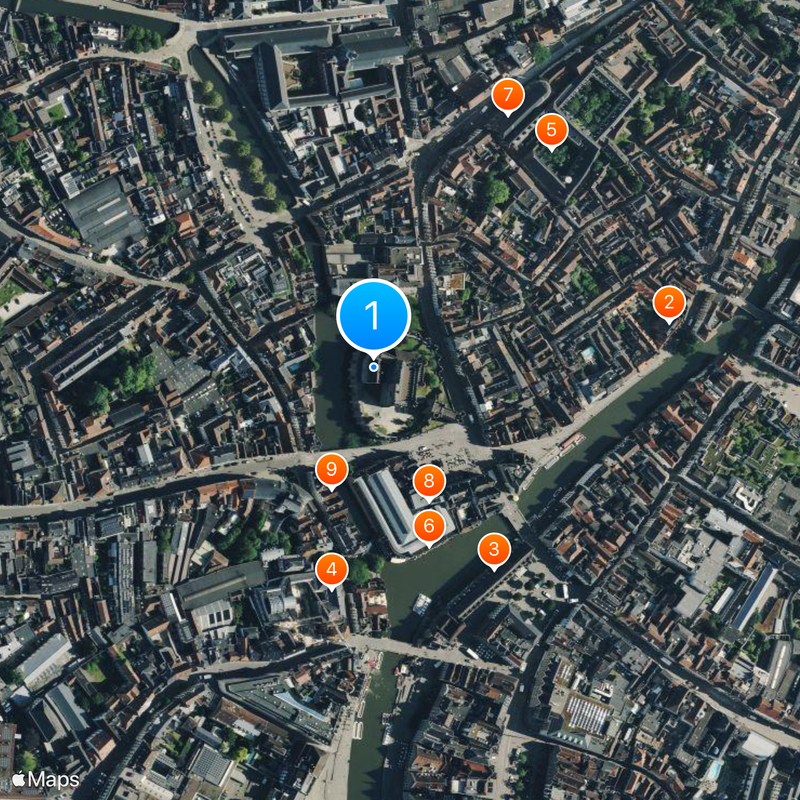
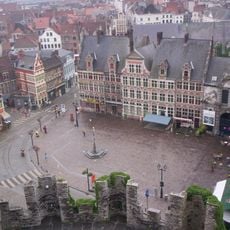
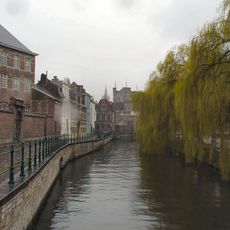
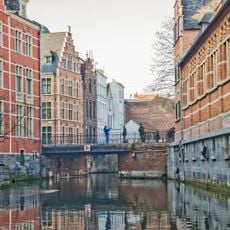
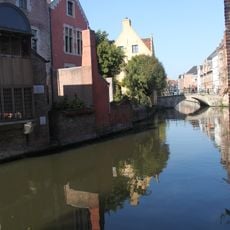
The visit runs through the gatehouse, ramparts, keep, count's residence and stables; the keep's spiral stair is narrow and uneven underfoot. The castle stands between the Leie arms, a short walk from the Sint-Veerleplein, and the moat water comes from the Lys. Allow time for the torture and weapons collections before climbing to the battlements.
On 16 November 1949, 138 Ghent University students seized the castle to protest a new beer tax, an event known as the "Battle of Gravensteen". They lowered the portcullis, barricaded the gate, locked a guard in a closet and threw rotten fruit at police. The protest failed and the tax stayed.
The community of curious travelers
AroundUs brings together thousands of curated places, local tips, and hidden gems, enriched daily by 94,624 contributors worldwide.