See the monuments around you in AROpen chests in the app
Around Us is built for your phone — point your camera at the streets and discover the monuments and places around you in augmented reality.Around Us is built for your phone — chests unlock when you walk, explore and capture nearby places.
Belgium preserves numerous historical sites and natural areas that remain outside the usual tourist circuits. The country contains medieval fortifications, castles from various periods, and protected areas that provide insight into its military and cultural past.
The Hallerbos forest transforms into a blue carpet of Atlantic bluebells each spring. Fort Eben-Emael, once considered impregnable, documents 20th-century military architecture. The prehistoric flint mines of Spiennes, a UNESCO World Heritage site, testify to 6,000 years of mining history. These locations combine natural heritage with historical evidence and offer visitors the opportunity to discover lesser-known aspects of Belgium.
Belgium preserves numerous historical sites and natural areas that remain outside the usual tourist circuits. The country contains medieval fortifications, castles from various periods, and protected areas that provide insight into its military and cultural past.
The Hallerbos forest transforms into a blue carpet of Atlantic bluebells each spring. Fort Eben-Emael, once considered impregnable, documents 20th-century military architecture. The prehistoric flint mines of Spiennes, a UNESCO World Heritage site, testify to 6,000 years of mining history. These locations combine natural heritage with historical evidence and offer visitors the opportunity to discover lesser-known aspects of Belgium.
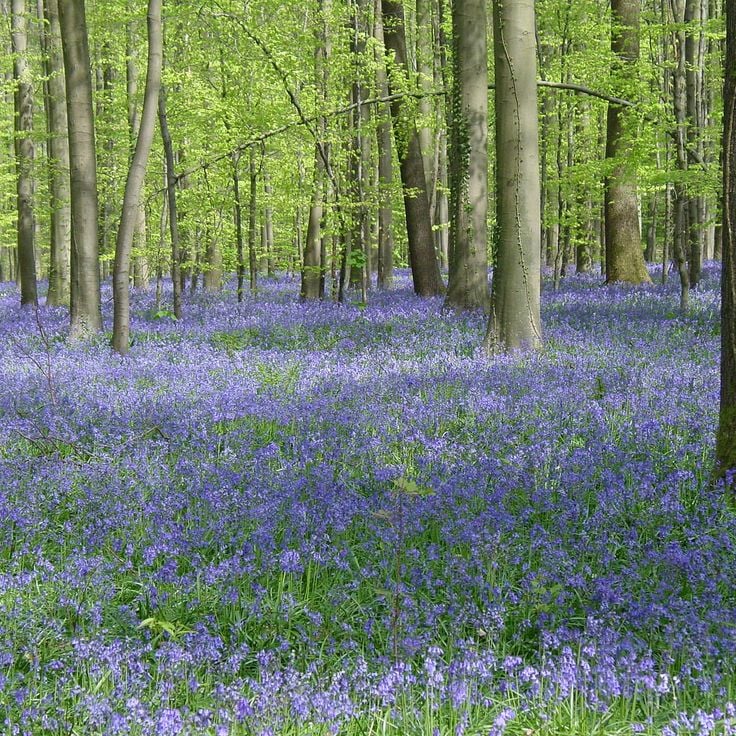
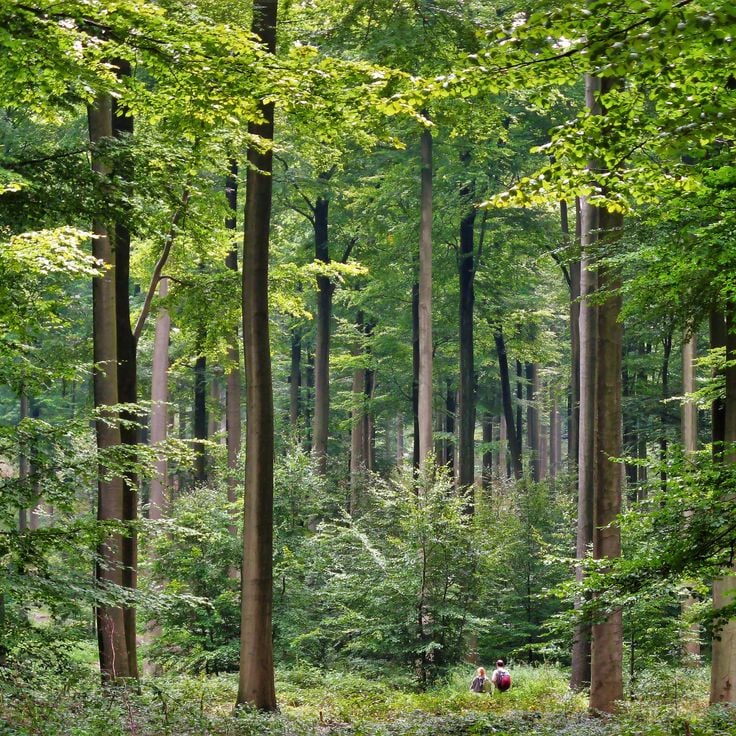
The Hallerbos Forest is one of Belgium's hidden natural places that remains outside the usual tourist circuits. This forest covers 552 hectares southwest of Brussels and consists mainly of beech and oak trees. From mid-April to early May, millions of blooming Atlantic bluebells transform the forest floor into a purple carpet. The forest is part of the Natura 2000 network and is managed by Flemish forestry authorities. Several marked walking trails cross the area, allowing visitors to observe the annual flowering display.
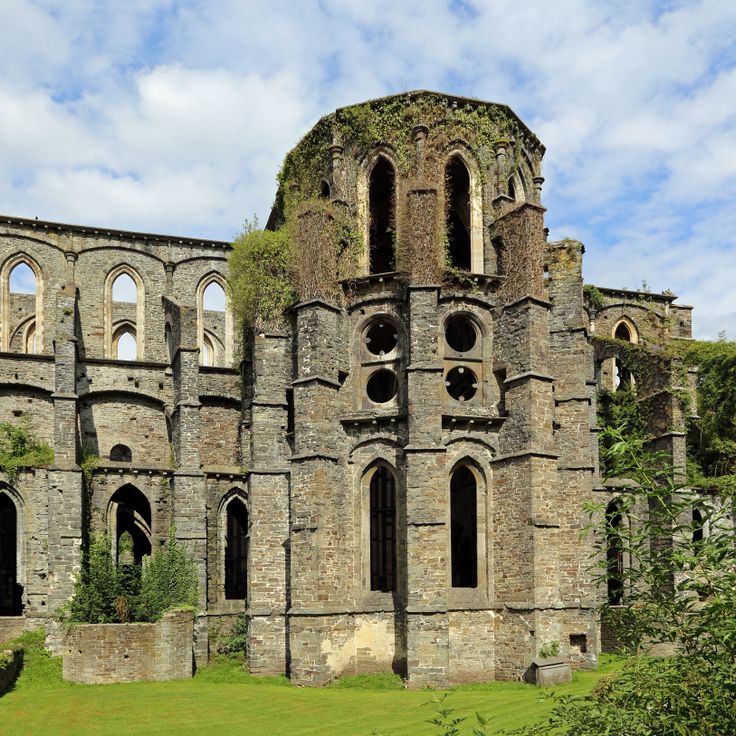
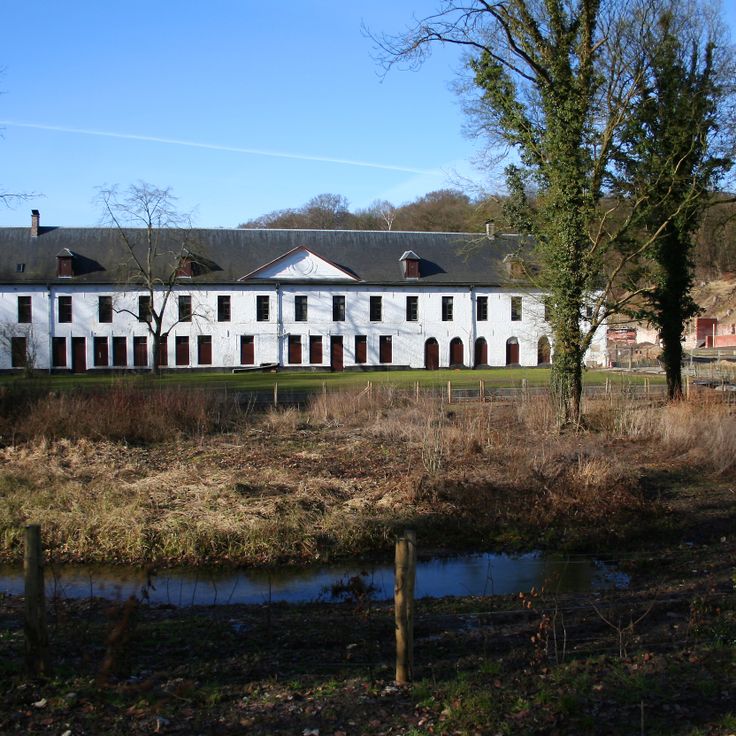
This abbey in Villers-la-Ville was founded in the 12th century by Cistercian monks and grew into one of the largest monastic complexes in Europe. The ruins spread across about 36 hectares and display Gothic architecture with preserved arches, columns and walls made of grey stone. Visitors can walk through the remains of the church, cloister, brewery and farm buildings. The site sits in a wooded valley and is surrounded by maintained gardens. Cultural events and concerts take place regularly among the historical walls. Villers Abbey represents a side of Belgium that stays beyond the usual tourist routes, offering insight into the country's religious and economic past.
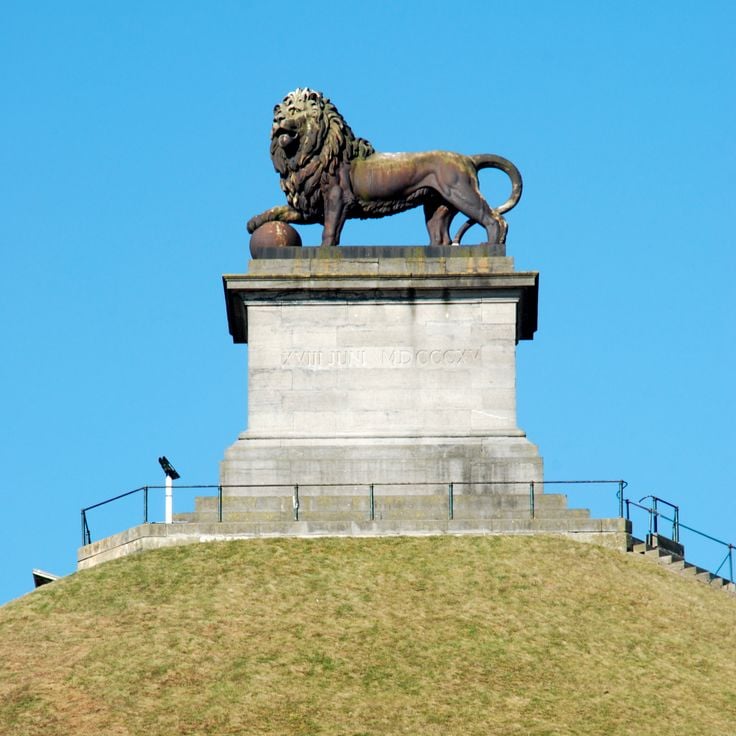
This historical battlefield extends over 170 hectares south of Brussels and documents one of the most decisive events of the 19th century. On June 18, 1815, Napoleon's military career ended here following a bloody confrontation against allied forces led by Wellington and Blücher. The site preserves the Lion's Mound, a 43-meter monument, along with the Panorama building housing a 110-meter circular painting of the battle. The museum displays weapons, uniforms, and personal belongings of soldiers. Several farmhouses that served as strongholds during the fighting remain standing today.
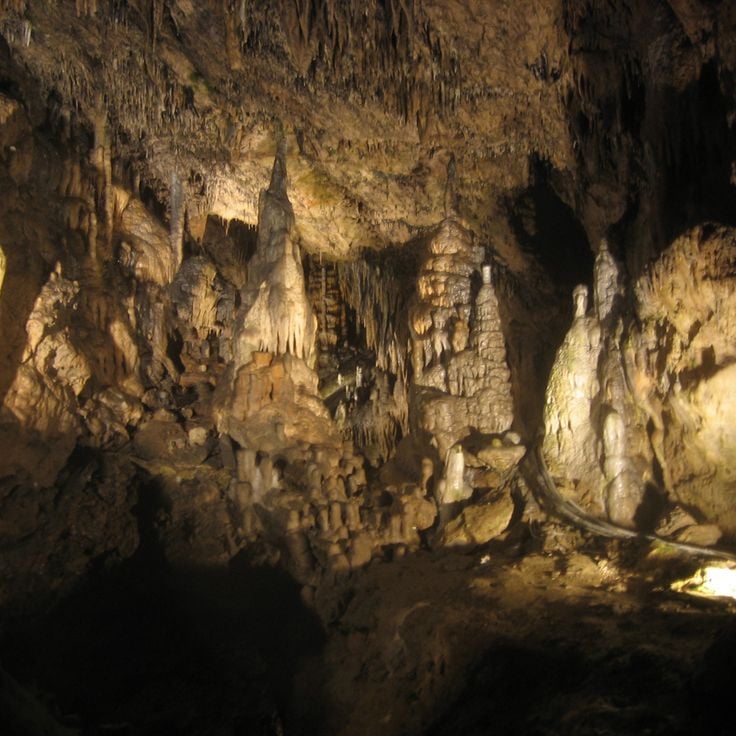
The Han Caves represent one of Belgium's hidden natural wonders and demonstrate the country's geological history in dramatic fashion. These underground passages and chambers formed over thousands of years through water erosion and extend more than 2 kilometers (1.2 miles). The Lesse River disappears beneath the surface and flows through the cave system before re-emerging into daylight. Visitors can see stalactites, stalagmites, and underground lakes carved into the limestone rock. The largest chamber, called the Salle du Dôme, reaches a height of over 100 meters (330 feet).
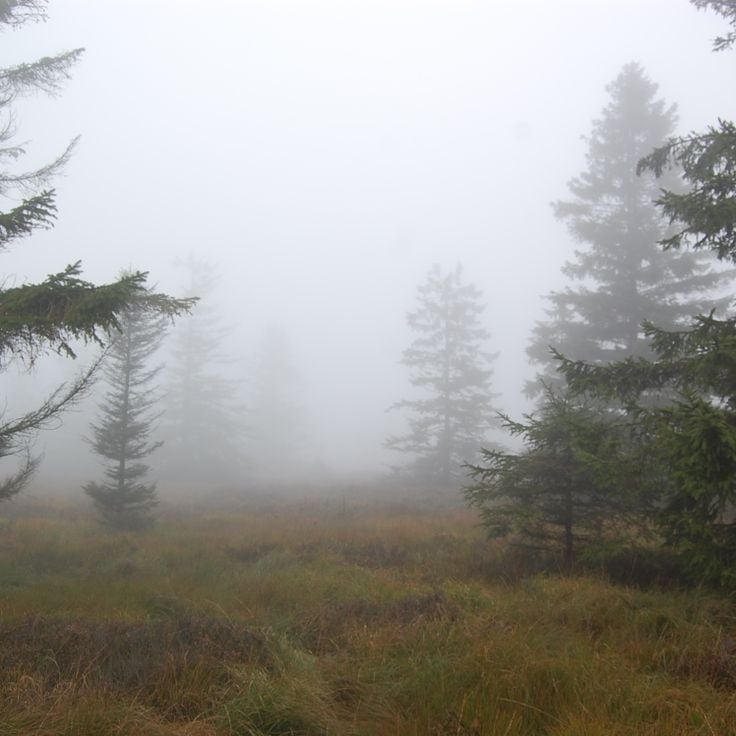
This nature reserve in the Ardennes reveals the diverse landscape of Belgium outside familiar tourist routes. Covering 4500 hectares of peatlands, water surfaces and forests, it documents the natural history of this region. The peat bogs formed several thousand years ago through the accumulation of peat layers. Hiking trails pass through different vegetation zones with characteristic bog plants such as sphagnum mosses, cotton grasses and heather. The plateau sits between 560 and 694 meters in elevation and ranks among Belgium's wettest areas.
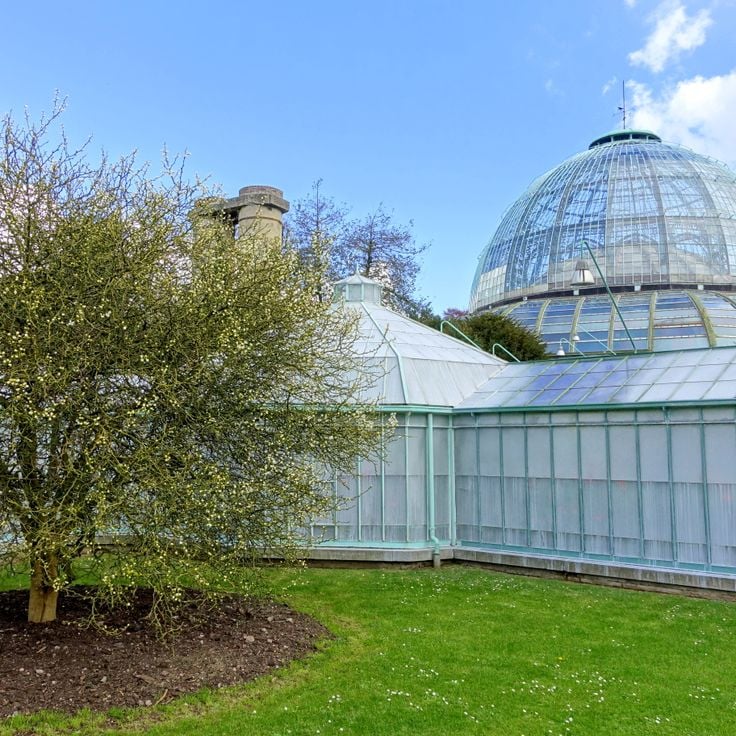
The Royal Greenhouses of Laeken in Brussels represent one of Belgium's hidden places that lies outside ordinary tourist routes. These glass and metal pavilions date from the late 19th century and were built between 1874 and 1895 in Art Nouveau style. Inside the interconnected structures grow rare tropical and subtropical plants arranged in different thematic sections. The complex opens to the public for only three weeks each year during spring, when thousands of geraniums, azaleas, and fuchsias bloom. The site combines botanical heritage with the history of 19th-century architecture.
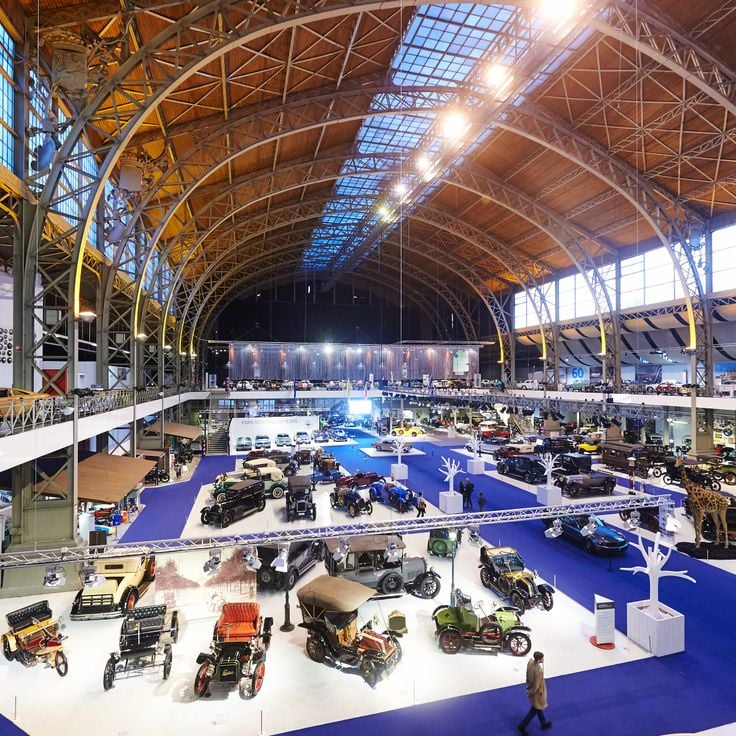
Autoworld is a Brussels museum displaying about 250 automobiles that document how the automotive industry developed from the late 19th century to today. The exhibition features vehicles from Belgian manufacturers such as Minerva and FN alongside international brands. Visitors can follow the progression of engine technology, design, and safety features over time. This museum sits in Cinquantenaire Park and occupies the historical buildings from the 1897 World's Fair.
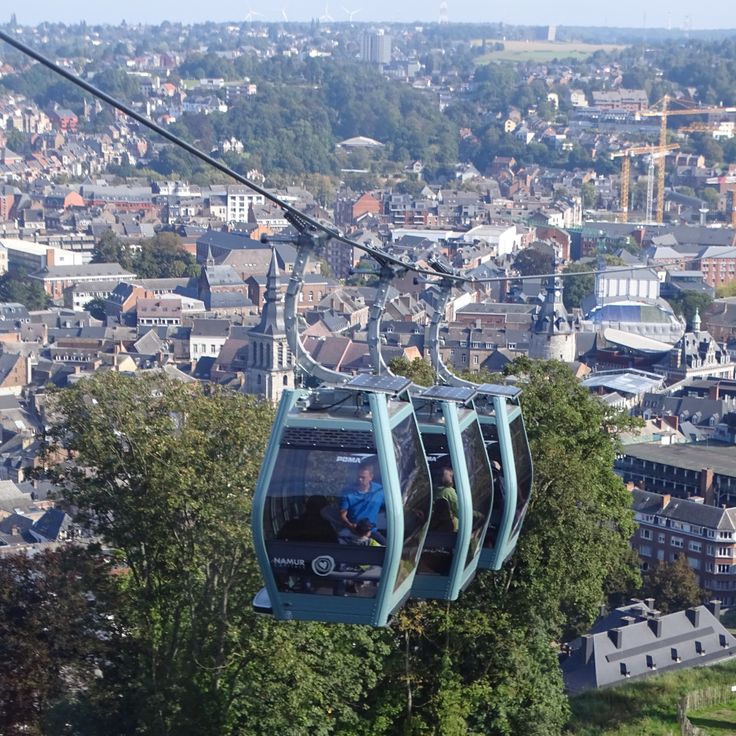
The Citadel of Namur stands as a key example in this collection of historical sites outside typical tourist routes. Positioned on a rocky outcrop where the Meuse and Sambre rivers meet, it showcases fortification levels built across different periods. Over seven kilometers of underground passages tunnel through the rock, used historically for troop movement and defense during conflicts. A museum housed in restored casemates traces fortress architecture from the Middle Ages through the First World War. Visitors walk through gun positions, guard rooms and storage areas. The bastions offer views across the city and both rivers.
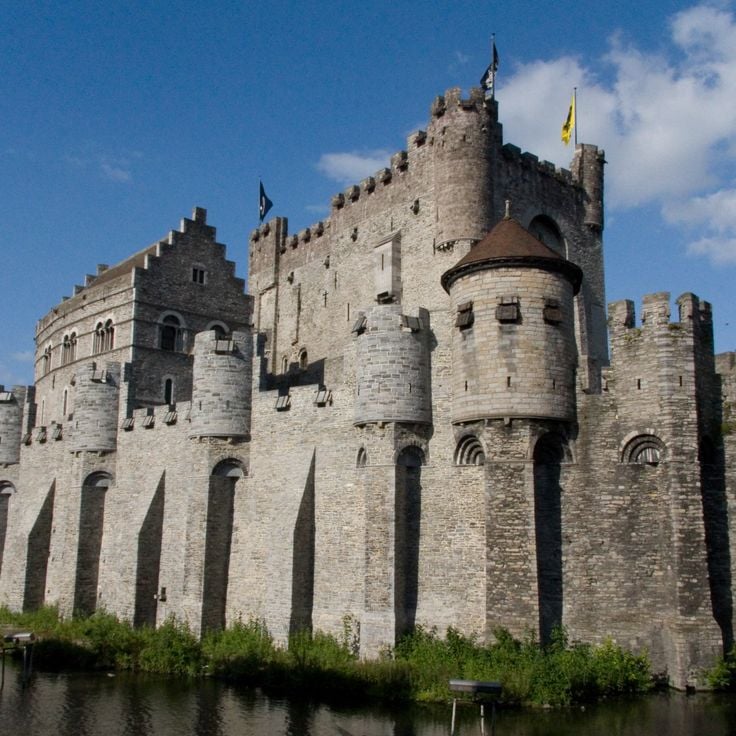
This castle in Ghent was built in the 12th century by Count Philip of Alsace and served as the residence of the Counts of Flanders. The fortress displays typical medieval military architecture with massive stone walls, a central keep and defensive towers. Inside, a museum documents the history of the castle through a collection of armor, swords, crossbows and torture instruments from different periods. The structure offers views of Ghent's old town from its upper floors. As part of Belgium's hidden historical sites, Gravensteen Castle demonstrates the country's military past and gives visitors the opportunity to discover lesser-known aspects of Flanders.
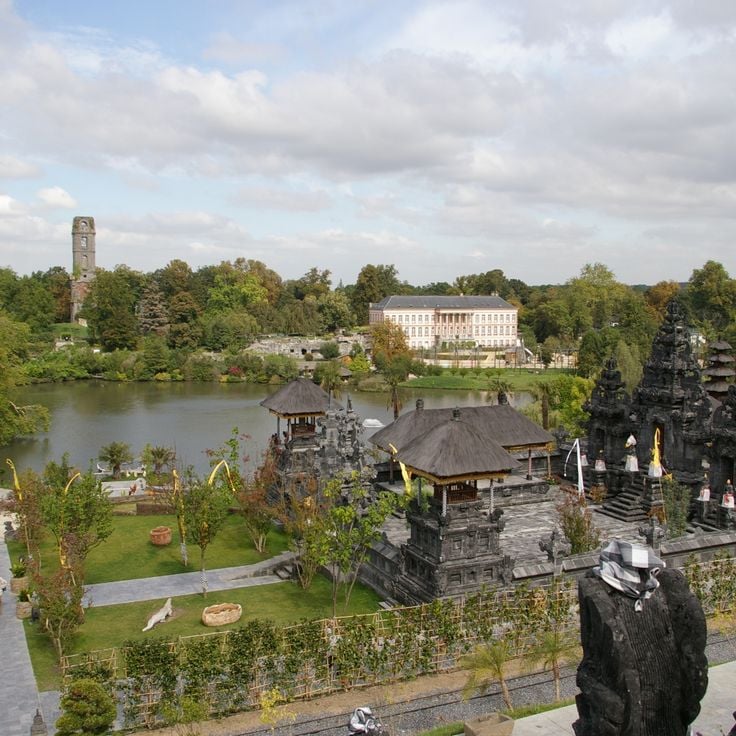
This zoological garden in Brügelette spreads across 65 hectares in Hainaut province. The facility presents animal species from different continents in themed areas. The architecture includes buildings and pavilions inspired by Asian, African and European construction styles. Visitors walk through different landscape zones representing various geographical regions.
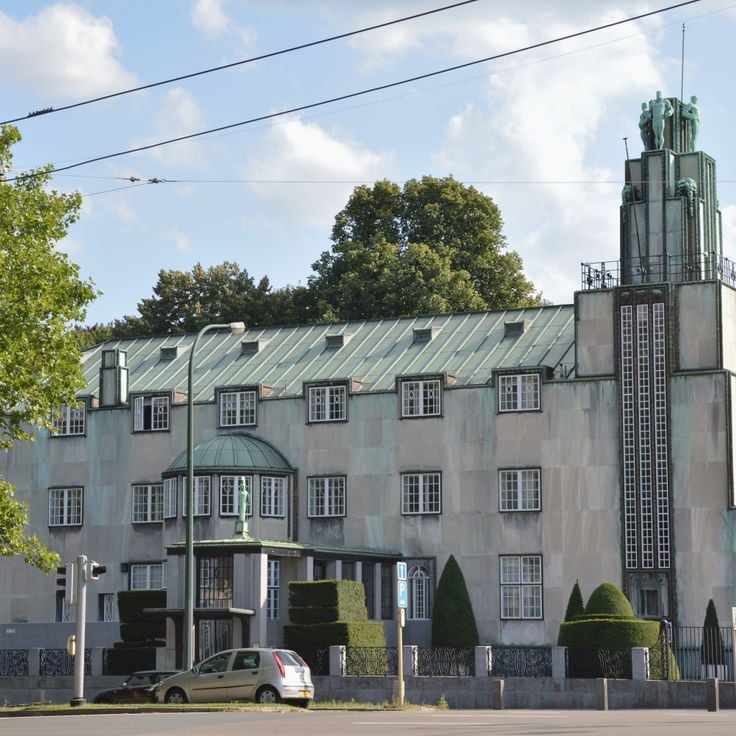
The Stoclet Palace represents early 1900s modernism, standing apart from Belgium's typical tourist routes. This mansion built in 1911 showcases innovative architecture with geometric forms and refined interiors. The walls feature mosaics by artist Gustav Klimt, while marble adorns the house's decoration. The palace documents a chapter of European art history and offers insight into the design ideas of the early 20th century.
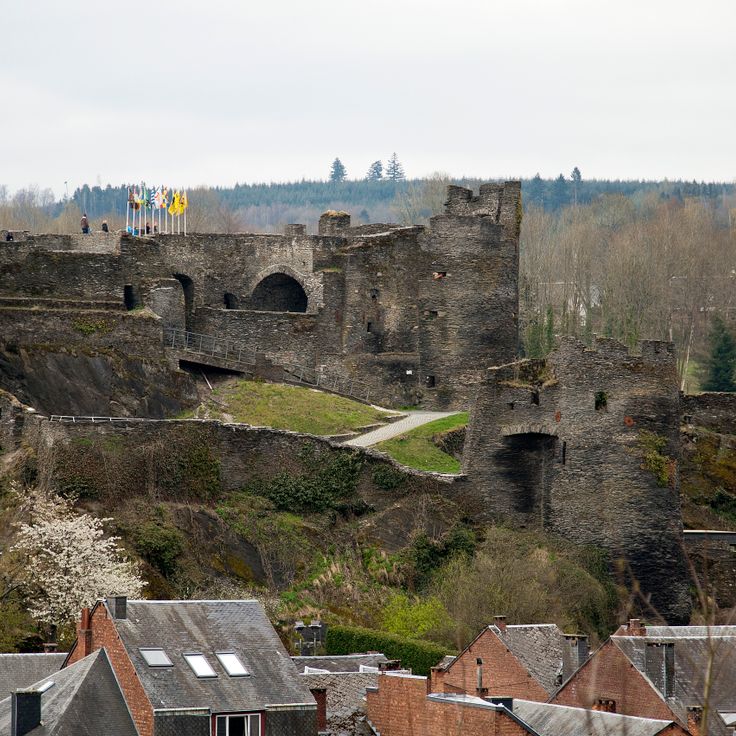
This castle stands on a rocky outcrop above the Ourthe River and was built in the 11th century as a military fortress. The ruins show several round defensive towers, stone walls and an underground passage system used for surveillance and defense. As part of Belgium's hidden historical sites, La Roche-en-Ardenne Castle reveals the strategic importance of fortifications in the Ardennes region. Visitors can explore the preserved structures and enjoy views over the valley.
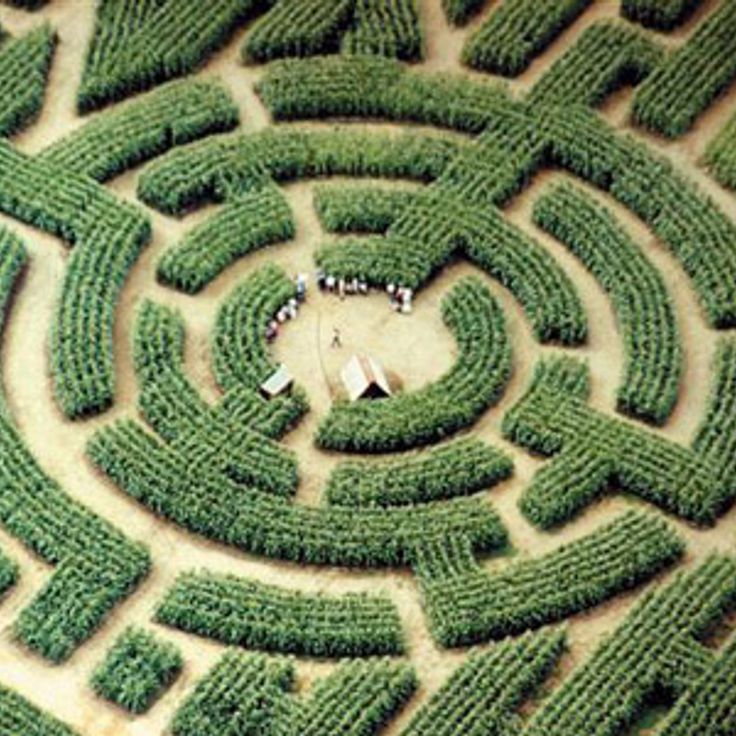
The corn maze of Barvaux-sur-Ourthe is one of Belgium's hidden places that draws visitors away from main tourist routes. Each year from July to October, a new theme is selected and a different pattern is cut into the cornfields of the Ardennes. Visitors walk through 11 kilometers of winding paths between corn stalks that grow up to 4 meters tall. The maze offers different routes of varying difficulty levels for families and groups.
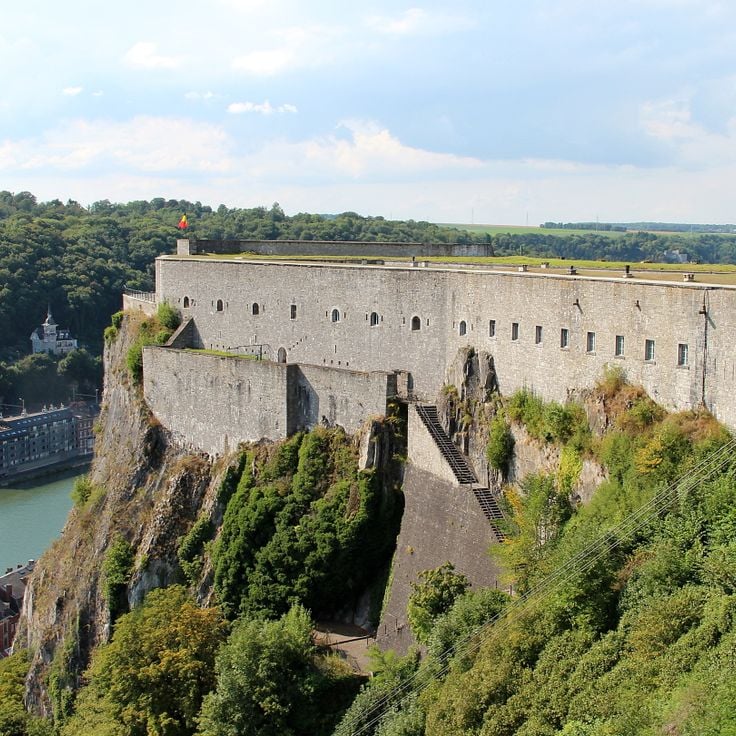
This citadel in Dinant belongs to Belgium's collection of hidden historical sites, revealing how crucial this location was for defense. The fortress was built in 1051 on limestone cliffs above the Meuse River. Today visitors can explore military collections from different periods, walk through underground passages, and see the defensive structures. From the ramparts, views look out over the Meuse valley and the town of Dinant.
The Euro Space Center in Transinne offers an unconventional perspective on Belgian heritage and history outside the usual tourist circuits. The facility displays full-scale rocket models, historical training equipment and authentic spacecraft replicas. Visitors can experience a zero-gravity wall that simulates weightlessness and moon walking simulators that recreate the lunar environment. The centre presents technical equipment and explains the operation of space systems through interactive displays.
Hoge Kempen National Park in Limburg province demonstrates how nature recovers on former coal mining sites. This nature reserve protects diverse landscapes including pine and oak forests, heathlands, wetlands and sand drifts. Six entrance gates with visitor centers provide access to more than 200 kilometers of walking and cycling trails. The land's history of coal extraction has shaped the terrain, which now showcases the gradual return of wild ecosystems.
The Sonian Forest is a large woodland in the Belgian region of Brabant, stretching between Brussels and Waterloo. Covering 4,000 hectares, it provides an important natural habitat. The forest is home to beech trees that have grown there since the 18th century. Well-maintained paths allow visitors to observe the protected plant and animal species living throughout the woodland. As part of Belgium's hidden places, the Sonian Forest shows the country's natural diversity beyond the usual tourist routes.
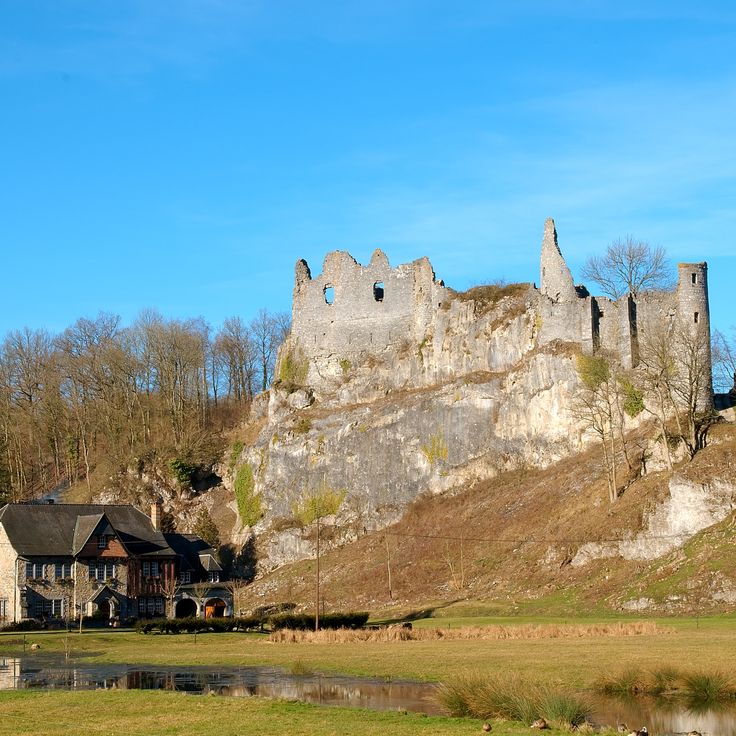
Montaigle Castle Ruins are part of Belgium's hidden historical sites and stand on a rocky outcrop above the Molignée Valley in Namur Province. Built around 1300, the castle was destroyed in 1554 during conflicts between France and the Habsburgs. The surviving stone walls display the original defensive design with several round towers, ramparts, and a network of underground passages that once connected different parts of the fortress. Visitors can walk through the remains of the residential tower, chapel, and defensive walls.
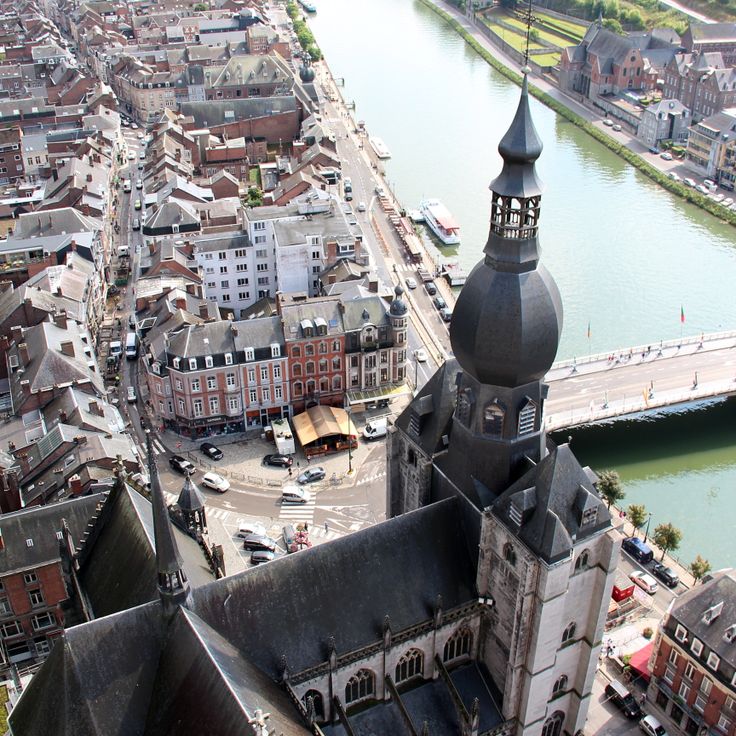
The Collegiate Church of Dinant stands on the banks of the Meuse River and shows medieval architecture in Belgium. The Gothic building was rebuilt after a rockfall in 1228 and features a distinctive onion-shaped spire that became a landmark of the city. Inside, you find stained glass windows with biblical scenes, a 19th-century organ, and a three-aisled church with ribbed vaults made of blue limestone. The choir dates from the Renaissance.
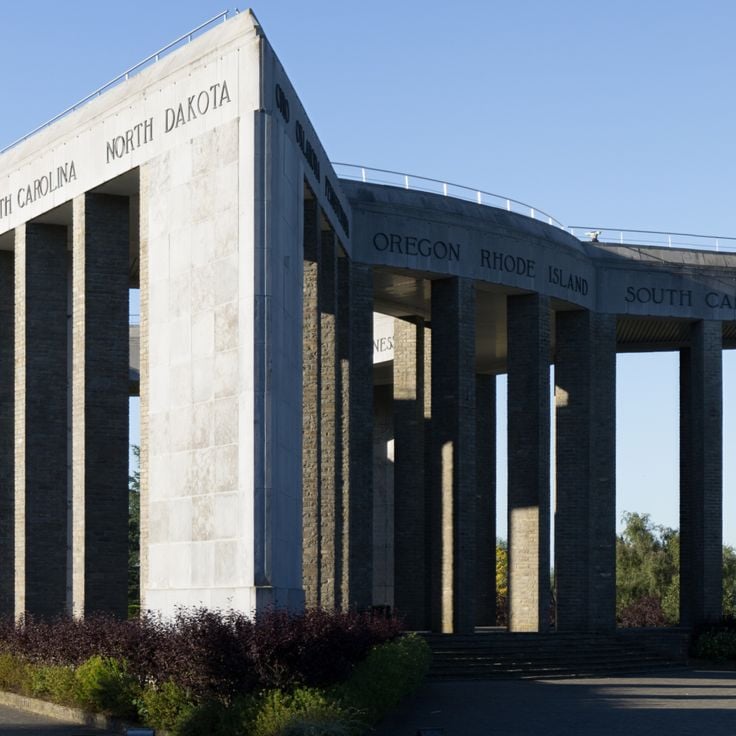
This monument in Bastogne was built in 1950 to honor American soldiers who fought during the Battle of the Bulge in winter 1944. The star-shaped structure stands on a hill and displays the names of states and military units that participated in the fighting. The monument includes an observation platform and a crypt with three altars dedicated to different Christian denominations and the Jewish faith.
The Foundation Folon in La Hulpe displays the artistic career of Belgian artist Jean-Michel Folon. The museum is housed in a restored 18th-century farmhouse within the Solvay estate grounds. The collection features more than 500 works spanning watercolors, drawings, etchings, screen prints, posters, illustrations, and sculptures. These pieces trace Folon's artistic journey from 1960 to 2005. The building merges old architectural details with modern gallery spaces. The foundation sits within the Solvay Castle park, which welcomes visitors throughout the year.
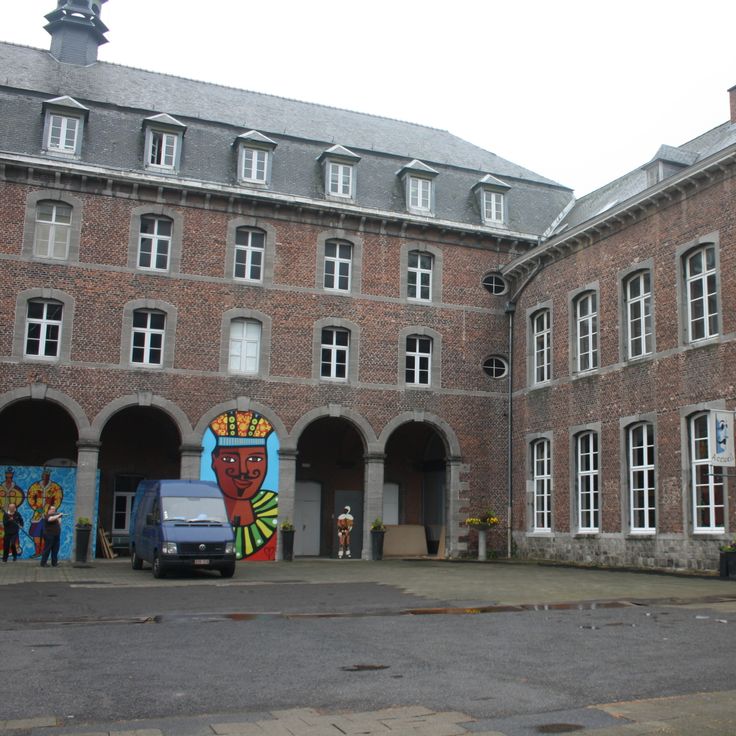
The Carnival Museum in Binche presents carnival costumes, masks and historical documents from carnival traditions around the world. The focus is on the Binche Carnival, recognized by UNESCO as intangible cultural heritage. The exhibition documents how local carnival customs have developed since the 14th century and displays the characteristic Gilles costumes with their ostrich feathers and wax masks. Visitors can follow the handmade production of traditional equipment and learn about the roles and rituals of various figures during the three-day festivities.
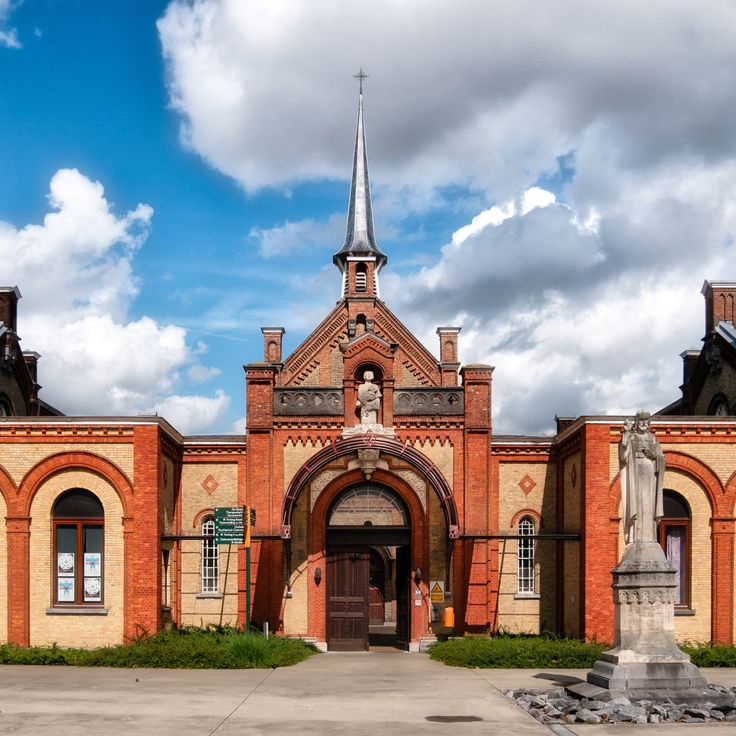
This museum in Ghent occupies a former psychiatric hospital building constructed in 1857. It documents the history of psychiatric care in Belgium through medical instruments, treatment devices, and straitjackets from different periods. Historical documents and photographs trace how psychiatric treatment has evolved over time. The museum also displays artworks created by patients during their stays in psychiatric facilities. The exhibition spaces are located in the restored buildings of the former clinic and show visitors how patients lived and how medical practice developed from the 19th century to the present.
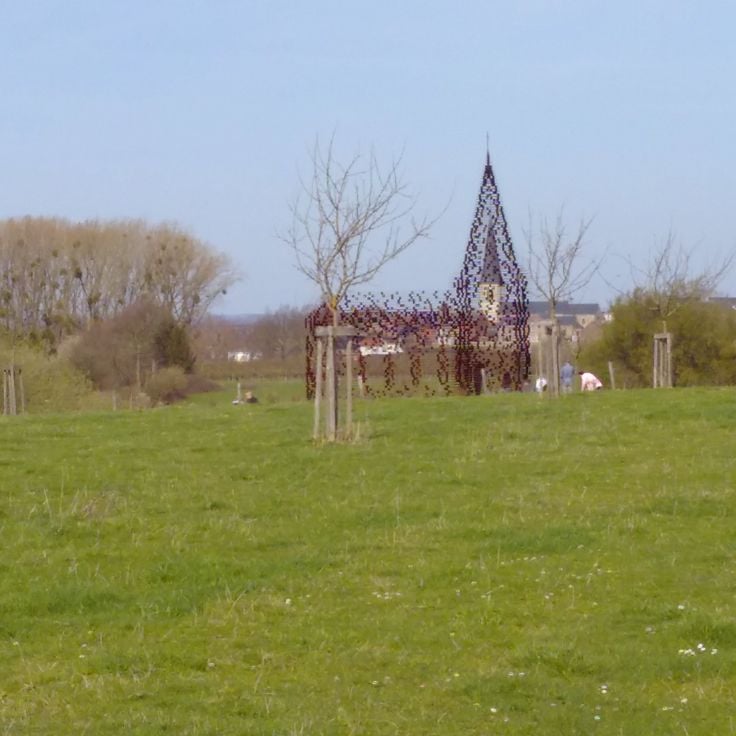
This church in Borgloon was designed in 2011 by the architectural firm Gijs Van Vaerenbergh and fits within Belgium's collection of hidden historical and artistic locations. The installation consists of 100 stacked steel plates separated by precise spacing. The structure reaches a height of 10 meters and recreates the silhouette of a traditional rural church. The horizontal gaps create a transparent effect that changes depending on the viewer's position. The structure stands in the rural landscape of Limburg and forms part of the Z-OUT art project. Visitors can walk through the open construction and perceive the surroundings through the steel layers.
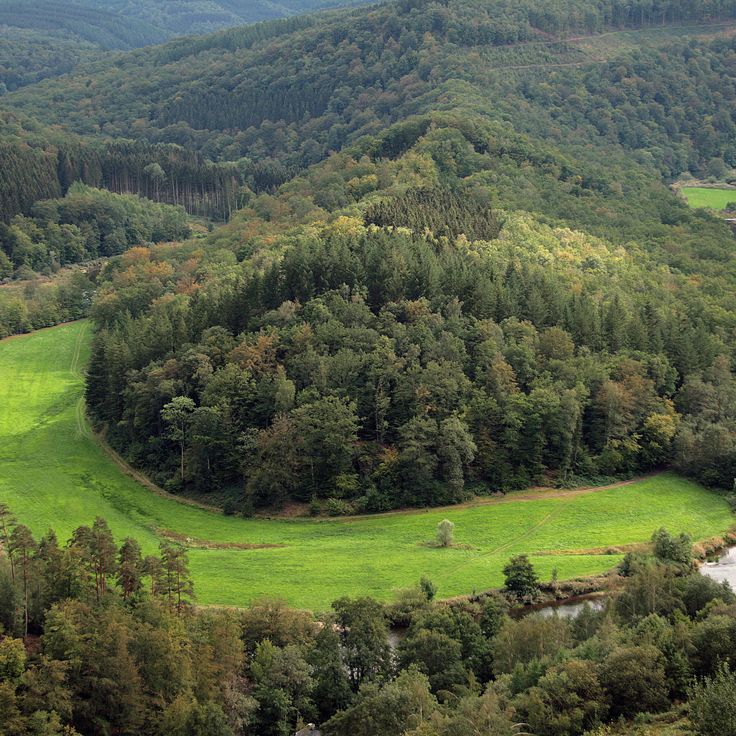
This rock formation in the Belgian Ardennes is part of the hidden places Belgium preserves outside the usual tourist circuits. Tombeau du Geant rises above the Semois valley and can be reached via marked hiking trails through forested slopes. From observation platforms here, visitors see the river bends of the Semois winding through the wooded valley below. The formation was shaped by geological erosion over time and takes its name from the appearance of the rock outcrop.
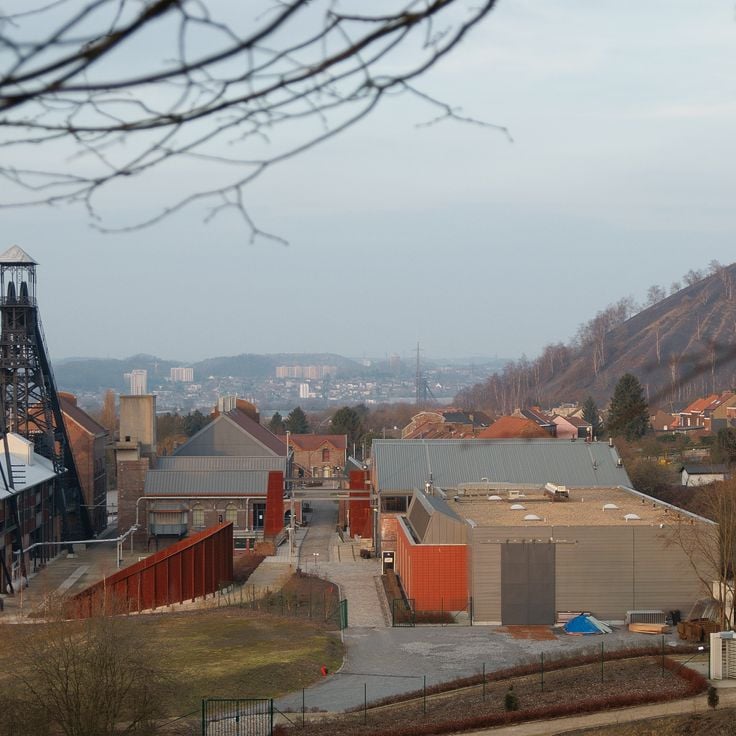
The Bois du Cazier is a former coal mine in Marcinelle that provides insight into Belgium's mining past. The site preserves three original headframes and documents working conditions and technical advances in coal mining. A memorial commemorates the disaster of August 8, 1956, when 262 miners from twelve countries lost their lives. The preserved buildings and machinery reveal industrial architecture and the social conditions of mine workers during the 20th century.
The Rouge-Cloitre Abbey is a former Augustinian monastery from the 14th century located in the Sonian Forest, reflecting Belgium's religious past outside the usual tourist circuits. The historic buildings now serve as studios for artists and craftspeople. The grounds feature four ponds connected by walking paths through the woodland. The site combines religious heritage with contemporary art production in a forested setting.
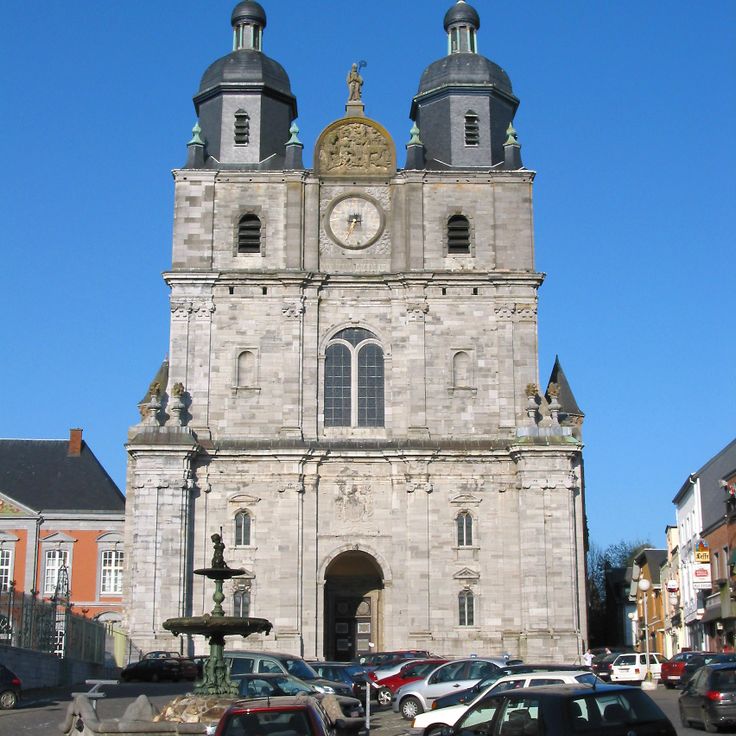
This basilica in Saint-Hubert stands apart from Belgium's typical tourist routes, offering a window into medieval religious architecture and pilgrimage traditions. Saint-Hubert Basilica was built between 1526 and 1564 and houses the tomb of Saint Hubertus, the patron saint of hunters. The interior displays late Gothic vaulting with intricate ribbed structures that guide the eye upward. Carved oak woodwork from the 16th century, including baroque choir stalls adorned with detailed reliefs, fills the space. Stained glass windows cast colored light throughout and tell religious stories. The reliquary shrine of the saint rests in the choir, where pilgrims come to pay their respects. The facade shows the characteristic features of Mosan Gothic style.
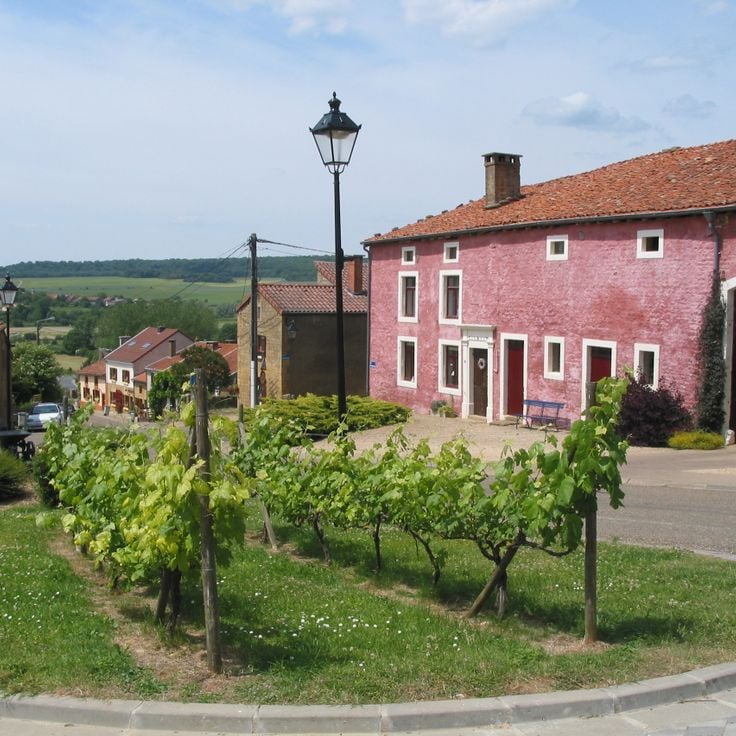
This southernmost village of Belgium sits in Luxembourg Province and features stone houses with red tile roofs that recall southern European architecture. The south-facing limestone slopes support wine growing in the area. The limestone buildings shape how Torgny looks, setting it apart from other Belgian villages through its location and mild climate. Torgny fits within the collection of hidden places in Belgium by revealing a lesser-known region where history and natural conditions intersect.
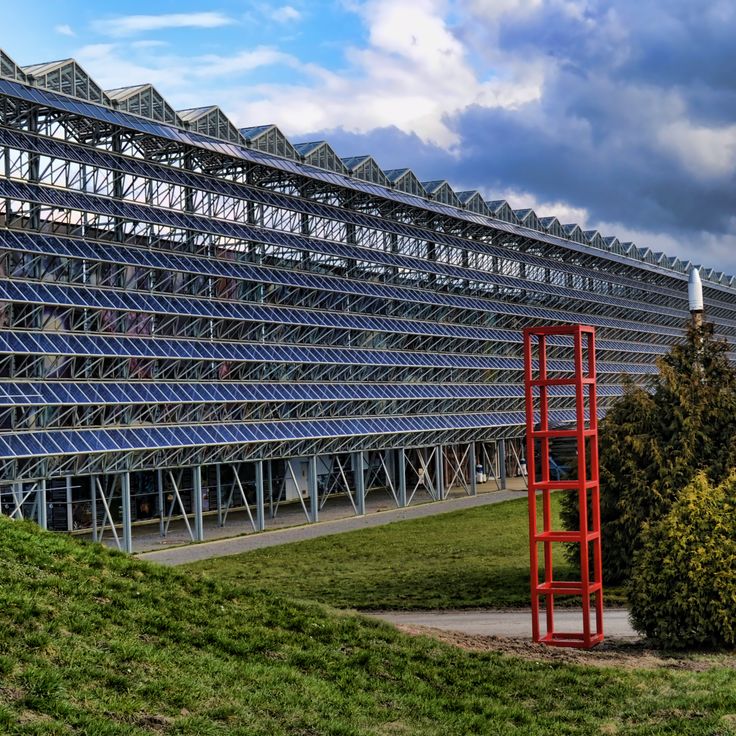
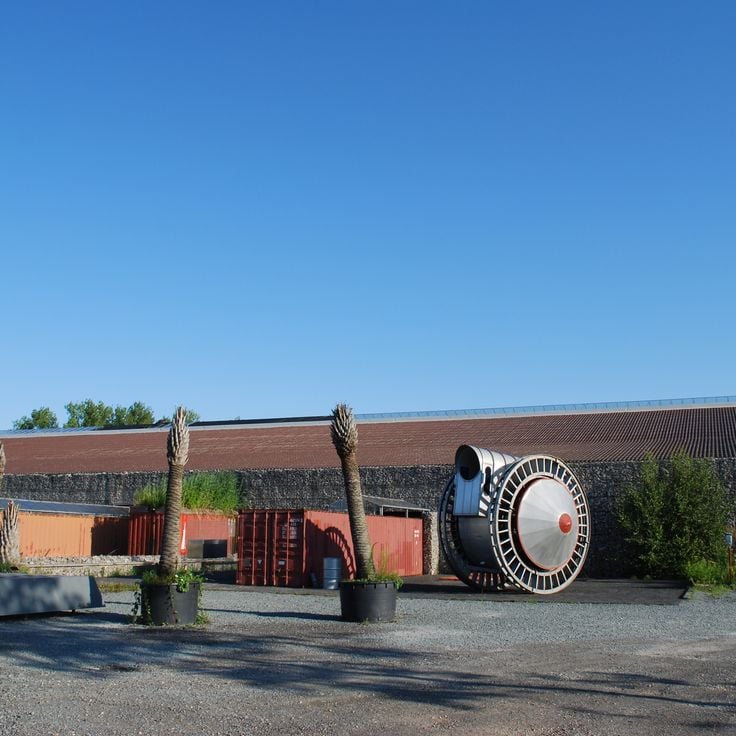
The Verbeke Foundation in Kemzeke presents contemporary art in repurposed greenhouses, outdoor installations, and thematic exhibitions across its grounds. Sculptures, installations, and a collection of historic caravans are displayed as art objects throughout the landscape. The foundation operates as a meeting space where artists and visitors gather, with several buildings, gardens, and walking paths that connect the various exhibition areas and experimental projects.
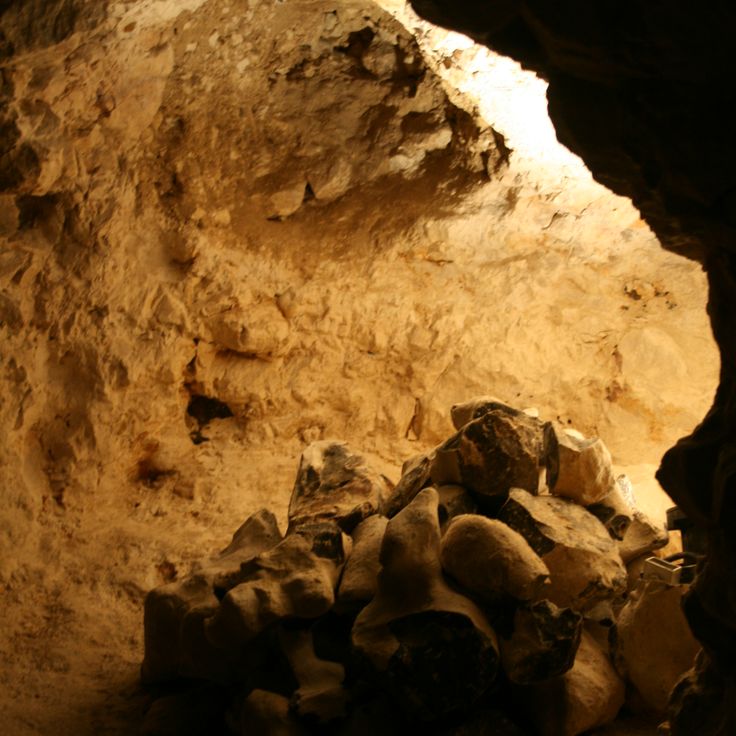
The Silex's Mines of Spiennes document how early human communities mined flint deep underground starting from 4300 BCE. This site represents some of the oldest mining operations in Europe and covers 100 hectares of extraction area. Miners created hundreds of vertical shafts and underground galleries to extract high-quality flint, which they then shaped into tools and weapons. The mines reveal the technical skill and organized work of Neolithic people. Since 2000, this location has been a UNESCO World Heritage site, offering visitors insight into early human industrial activity in Belgium.
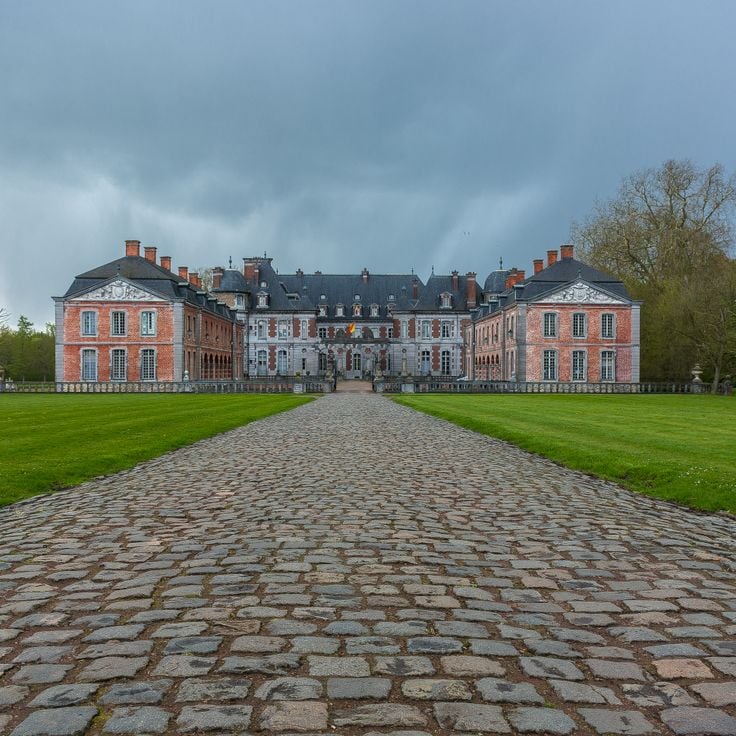
Beloeil Castle is part of Belgium's hidden historical sites, displaying architecture from multiple periods with medieval roots. The castle houses a library containing 20,000 volumes, offering insight into the scholarly interests of its former inhabitants. The surrounding gardens span 25 hectares and follow classical patterns with geometric layouts, water features, and carefully arranged plantings that reflect formal garden design.
The Hallerbos Forest is one of Belgium's hidden natural places that remains outside the usual tourist circuits. This forest covers 552 hectares southwest of Brussels and consists mainly of beech and oak trees. From mid-April to early May, millions of blooming Atlantic bluebells transform the forest floor into a purple carpet. The forest is part of the Natura 2000 network and is managed by Flemish forestry authorities. Several marked walking trails cross the area, allowing visitors to observe the annual flowering display.
This abbey in Villers-la-Ville was founded in the 12th century by Cistercian monks and grew into one of the largest monastic complexes in Europe. The ruins spread across about 36 hectares and display Gothic architecture with preserved arches, columns and walls made of grey stone. Visitors can walk through the remains of the church, cloister, brewery and farm buildings. The site sits in a wooded valley and is surrounded by maintained gardens. Cultural events and concerts take place regularly among the historical walls. Villers Abbey represents a side of Belgium that stays beyond the usual tourist routes, offering insight into the country's religious and economic past.
This historical battlefield extends over 170 hectares south of Brussels and documents one of the most decisive events of the 19th century. On June 18, 1815, Napoleon's military career ended here following a bloody confrontation against allied forces led by Wellington and Blücher. The site preserves the Lion's Mound, a 43-meter monument, along with the Panorama building housing a 110-meter circular painting of the battle. The museum displays weapons, uniforms, and personal belongings of soldiers. Several farmhouses that served as strongholds during the fighting remain standing today.
The Han Caves represent one of Belgium's hidden natural wonders and demonstrate the country's geological history in dramatic fashion. These underground passages and chambers formed over thousands of years through water erosion and extend more than 2 kilometers (1.2 miles). The Lesse River disappears beneath the surface and flows through the cave system before re-emerging into daylight. Visitors can see stalactites, stalagmites, and underground lakes carved into the limestone rock. The largest chamber, called the Salle du Dôme, reaches a height of over 100 meters (330 feet).
This nature reserve in the Ardennes reveals the diverse landscape of Belgium outside familiar tourist routes. Covering 4500 hectares of peatlands, water surfaces and forests, it documents the natural history of this region. The peat bogs formed several thousand years ago through the accumulation of peat layers. Hiking trails pass through different vegetation zones with characteristic bog plants such as sphagnum mosses, cotton grasses and heather. The plateau sits between 560 and 694 meters in elevation and ranks among Belgium's wettest areas.
The Royal Greenhouses of Laeken in Brussels represent one of Belgium's hidden places that lies outside ordinary tourist routes. These glass and metal pavilions date from the late 19th century and were built between 1874 and 1895 in Art Nouveau style. Inside the interconnected structures grow rare tropical and subtropical plants arranged in different thematic sections. The complex opens to the public for only three weeks each year during spring, when thousands of geraniums, azaleas, and fuchsias bloom. The site combines botanical heritage with the history of 19th-century architecture.
Autoworld is a Brussels museum displaying about 250 automobiles that document how the automotive industry developed from the late 19th century to today. The exhibition features vehicles from Belgian manufacturers such as Minerva and FN alongside international brands. Visitors can follow the progression of engine technology, design, and safety features over time. This museum sits in Cinquantenaire Park and occupies the historical buildings from the 1897 World's Fair.
The Citadel of Namur stands as a key example in this collection of historical sites outside typical tourist routes. Positioned on a rocky outcrop where the Meuse and Sambre rivers meet, it showcases fortification levels built across different periods. Over seven kilometers of underground passages tunnel through the rock, used historically for troop movement and defense during conflicts. A museum housed in restored casemates traces fortress architecture from the Middle Ages through the First World War. Visitors walk through gun positions, guard rooms and storage areas. The bastions offer views across the city and both rivers.
This castle in Ghent was built in the 12th century by Count Philip of Alsace and served as the residence of the Counts of Flanders. The fortress displays typical medieval military architecture with massive stone walls, a central keep and defensive towers. Inside, a museum documents the history of the castle through a collection of armor, swords, crossbows and torture instruments from different periods. The structure offers views of Ghent's old town from its upper floors. As part of Belgium's hidden historical sites, Gravensteen Castle demonstrates the country's military past and gives visitors the opportunity to discover lesser-known aspects of Flanders.
This zoological garden in Brügelette spreads across 65 hectares in Hainaut province. The facility presents animal species from different continents in themed areas. The architecture includes buildings and pavilions inspired by Asian, African and European construction styles. Visitors walk through different landscape zones representing various geographical regions.
The Stoclet Palace represents early 1900s modernism, standing apart from Belgium's typical tourist routes. This mansion built in 1911 showcases innovative architecture with geometric forms and refined interiors. The walls feature mosaics by artist Gustav Klimt, while marble adorns the house's decoration. The palace documents a chapter of European art history and offers insight into the design ideas of the early 20th century.
This castle stands on a rocky outcrop above the Ourthe River and was built in the 11th century as a military fortress. The ruins show several round defensive towers, stone walls and an underground passage system used for surveillance and defense. As part of Belgium's hidden historical sites, La Roche-en-Ardenne Castle reveals the strategic importance of fortifications in the Ardennes region. Visitors can explore the preserved structures and enjoy views over the valley.
The corn maze of Barvaux-sur-Ourthe is one of Belgium's hidden places that draws visitors away from main tourist routes. Each year from July to October, a new theme is selected and a different pattern is cut into the cornfields of the Ardennes. Visitors walk through 11 kilometers of winding paths between corn stalks that grow up to 4 meters tall. The maze offers different routes of varying difficulty levels for families and groups.
This citadel in Dinant belongs to Belgium's collection of hidden historical sites, revealing how crucial this location was for defense. The fortress was built in 1051 on limestone cliffs above the Meuse River. Today visitors can explore military collections from different periods, walk through underground passages, and see the defensive structures. From the ramparts, views look out over the Meuse valley and the town of Dinant.
The Euro Space Center in Transinne offers an unconventional perspective on Belgian heritage and history outside the usual tourist circuits. The facility displays full-scale rocket models, historical training equipment and authentic spacecraft replicas. Visitors can experience a zero-gravity wall that simulates weightlessness and moon walking simulators that recreate the lunar environment. The centre presents technical equipment and explains the operation of space systems through interactive displays.
Hoge Kempen National Park in Limburg province demonstrates how nature recovers on former coal mining sites. This nature reserve protects diverse landscapes including pine and oak forests, heathlands, wetlands and sand drifts. Six entrance gates with visitor centers provide access to more than 200 kilometers of walking and cycling trails. The land's history of coal extraction has shaped the terrain, which now showcases the gradual return of wild ecosystems.
The Sonian Forest is a large woodland in the Belgian region of Brabant, stretching between Brussels and Waterloo. Covering 4,000 hectares, it provides an important natural habitat. The forest is home to beech trees that have grown there since the 18th century. Well-maintained paths allow visitors to observe the protected plant and animal species living throughout the woodland. As part of Belgium's hidden places, the Sonian Forest shows the country's natural diversity beyond the usual tourist routes.
Montaigle Castle Ruins are part of Belgium's hidden historical sites and stand on a rocky outcrop above the Molignée Valley in Namur Province. Built around 1300, the castle was destroyed in 1554 during conflicts between France and the Habsburgs. The surviving stone walls display the original defensive design with several round towers, ramparts, and a network of underground passages that once connected different parts of the fortress. Visitors can walk through the remains of the residential tower, chapel, and defensive walls.
The Collegiate Church of Dinant stands on the banks of the Meuse River and shows medieval architecture in Belgium. The Gothic building was rebuilt after a rockfall in 1228 and features a distinctive onion-shaped spire that became a landmark of the city. Inside, you find stained glass windows with biblical scenes, a 19th-century organ, and a three-aisled church with ribbed vaults made of blue limestone. The choir dates from the Renaissance.
This monument in Bastogne was built in 1950 to honor American soldiers who fought during the Battle of the Bulge in winter 1944. The star-shaped structure stands on a hill and displays the names of states and military units that participated in the fighting. The monument includes an observation platform and a crypt with three altars dedicated to different Christian denominations and the Jewish faith.
The Foundation Folon in La Hulpe displays the artistic career of Belgian artist Jean-Michel Folon. The museum is housed in a restored 18th-century farmhouse within the Solvay estate grounds. The collection features more than 500 works spanning watercolors, drawings, etchings, screen prints, posters, illustrations, and sculptures. These pieces trace Folon's artistic journey from 1960 to 2005. The building merges old architectural details with modern gallery spaces. The foundation sits within the Solvay Castle park, which welcomes visitors throughout the year.
The Carnival Museum in Binche presents carnival costumes, masks and historical documents from carnival traditions around the world. The focus is on the Binche Carnival, recognized by UNESCO as intangible cultural heritage. The exhibition documents how local carnival customs have developed since the 14th century and displays the characteristic Gilles costumes with their ostrich feathers and wax masks. Visitors can follow the handmade production of traditional equipment and learn about the roles and rituals of various figures during the three-day festivities.
This museum in Ghent occupies a former psychiatric hospital building constructed in 1857. It documents the history of psychiatric care in Belgium through medical instruments, treatment devices, and straitjackets from different periods. Historical documents and photographs trace how psychiatric treatment has evolved over time. The museum also displays artworks created by patients during their stays in psychiatric facilities. The exhibition spaces are located in the restored buildings of the former clinic and show visitors how patients lived and how medical practice developed from the 19th century to the present.
This church in Borgloon was designed in 2011 by the architectural firm Gijs Van Vaerenbergh and fits within Belgium's collection of hidden historical and artistic locations. The installation consists of 100 stacked steel plates separated by precise spacing. The structure reaches a height of 10 meters and recreates the silhouette of a traditional rural church. The horizontal gaps create a transparent effect that changes depending on the viewer's position. The structure stands in the rural landscape of Limburg and forms part of the Z-OUT art project. Visitors can walk through the open construction and perceive the surroundings through the steel layers.
This rock formation in the Belgian Ardennes is part of the hidden places Belgium preserves outside the usual tourist circuits. Tombeau du Geant rises above the Semois valley and can be reached via marked hiking trails through forested slopes. From observation platforms here, visitors see the river bends of the Semois winding through the wooded valley below. The formation was shaped by geological erosion over time and takes its name from the appearance of the rock outcrop.
The Bois du Cazier is a former coal mine in Marcinelle that provides insight into Belgium's mining past. The site preserves three original headframes and documents working conditions and technical advances in coal mining. A memorial commemorates the disaster of August 8, 1956, when 262 miners from twelve countries lost their lives. The preserved buildings and machinery reveal industrial architecture and the social conditions of mine workers during the 20th century.
The Rouge-Cloitre Abbey is a former Augustinian monastery from the 14th century located in the Sonian Forest, reflecting Belgium's religious past outside the usual tourist circuits. The historic buildings now serve as studios for artists and craftspeople. The grounds feature four ponds connected by walking paths through the woodland. The site combines religious heritage with contemporary art production in a forested setting.
This basilica in Saint-Hubert stands apart from Belgium's typical tourist routes, offering a window into medieval religious architecture and pilgrimage traditions. Saint-Hubert Basilica was built between 1526 and 1564 and houses the tomb of Saint Hubertus, the patron saint of hunters. The interior displays late Gothic vaulting with intricate ribbed structures that guide the eye upward. Carved oak woodwork from the 16th century, including baroque choir stalls adorned with detailed reliefs, fills the space. Stained glass windows cast colored light throughout and tell religious stories. The reliquary shrine of the saint rests in the choir, where pilgrims come to pay their respects. The facade shows the characteristic features of Mosan Gothic style.
This southernmost village of Belgium sits in Luxembourg Province and features stone houses with red tile roofs that recall southern European architecture. The south-facing limestone slopes support wine growing in the area. The limestone buildings shape how Torgny looks, setting it apart from other Belgian villages through its location and mild climate. Torgny fits within the collection of hidden places in Belgium by revealing a lesser-known region where history and natural conditions intersect.
The Verbeke Foundation in Kemzeke presents contemporary art in repurposed greenhouses, outdoor installations, and thematic exhibitions across its grounds. Sculptures, installations, and a collection of historic caravans are displayed as art objects throughout the landscape. The foundation operates as a meeting space where artists and visitors gather, with several buildings, gardens, and walking paths that connect the various exhibition areas and experimental projects.
The Silex's Mines of Spiennes document how early human communities mined flint deep underground starting from 4300 BCE. This site represents some of the oldest mining operations in Europe and covers 100 hectares of extraction area. Miners created hundreds of vertical shafts and underground galleries to extract high-quality flint, which they then shaped into tools and weapons. The mines reveal the technical skill and organized work of Neolithic people. Since 2000, this location has been a UNESCO World Heritage site, offering visitors insight into early human industrial activity in Belgium.
Beloeil Castle is part of Belgium's hidden historical sites, displaying architecture from multiple periods with medieval roots. The castle houses a library containing 20,000 volumes, offering insight into the scholarly interests of its former inhabitants. The surrounding gardens span 25 hectares and follow classical patterns with geometric layouts, water features, and carefully arranged plantings that reflect formal garden design.
The Hallerbos Forest is one of Belgium's hidden natural places that remains outside the usual tourist circuits. This forest covers 552 hectares southwest of Brussels and consists mainly of beech and oak trees. From mid-April to early May, millions of blooming Atlantic bluebells transform the forest floor into a purple carpet. The forest is part of the Natura 2000 network and is managed by Flemish forestry authorities. Several marked walking trails cross the area, allowing visitors to observe the annual flowering display.
This abbey in Villers-la-Ville was founded in the 12th century by Cistercian monks and grew into one of the largest monastic complexes in Europe. The ruins spread across about 36 hectares and display Gothic architecture with preserved arches, columns and walls made of grey stone. Visitors can walk through the remains of the church, cloister, brewery and farm buildings. The site sits in a wooded valley and is surrounded by maintained gardens. Cultural events and concerts take place regularly among the historical walls. Villers Abbey represents a side of Belgium that stays beyond the usual tourist routes, offering insight into the country's religious and economic past.
This historical battlefield extends over 170 hectares south of Brussels and documents one of the most decisive events of the 19th century. On June 18, 1815, Napoleon's military career ended here following a bloody confrontation against allied forces led by Wellington and Blücher. The site preserves the Lion's Mound, a 43-meter monument, along with the Panorama building housing a 110-meter circular painting of the battle. The museum displays weapons, uniforms, and personal belongings of soldiers. Several farmhouses that served as strongholds during the fighting remain standing today.
The Han Caves represent one of Belgium's hidden natural wonders and demonstrate the country's geological history in dramatic fashion. These underground passages and chambers formed over thousands of years through water erosion and extend more than 2 kilometers (1.2 miles). The Lesse River disappears beneath the surface and flows through the cave system before re-emerging into daylight. Visitors can see stalactites, stalagmites, and underground lakes carved into the limestone rock. The largest chamber, called the Salle du Dôme, reaches a height of over 100 meters (330 feet).
This nature reserve in the Ardennes reveals the diverse landscape of Belgium outside familiar tourist routes. Covering 4500 hectares of peatlands, water surfaces and forests, it documents the natural history of this region. The peat bogs formed several thousand years ago through the accumulation of peat layers. Hiking trails pass through different vegetation zones with characteristic bog plants such as sphagnum mosses, cotton grasses and heather. The plateau sits between 560 and 694 meters in elevation and ranks among Belgium's wettest areas.
The Royal Greenhouses of Laeken in Brussels represent one of Belgium's hidden places that lies outside ordinary tourist routes. These glass and metal pavilions date from the late 19th century and were built between 1874 and 1895 in Art Nouveau style. Inside the interconnected structures grow rare tropical and subtropical plants arranged in different thematic sections. The complex opens to the public for only three weeks each year during spring, when thousands of geraniums, azaleas, and fuchsias bloom. The site combines botanical heritage with the history of 19th-century architecture.
Autoworld is a Brussels museum displaying about 250 automobiles that document how the automotive industry developed from the late 19th century to today. The exhibition features vehicles from Belgian manufacturers such as Minerva and FN alongside international brands. Visitors can follow the progression of engine technology, design, and safety features over time. This museum sits in Cinquantenaire Park and occupies the historical buildings from the 1897 World's Fair.
The Citadel of Namur stands as a key example in this collection of historical sites outside typical tourist routes. Positioned on a rocky outcrop where the Meuse and Sambre rivers meet, it showcases fortification levels built across different periods. Over seven kilometers of underground passages tunnel through the rock, used historically for troop movement and defense during conflicts. A museum housed in restored casemates traces fortress architecture from the Middle Ages through the First World War. Visitors walk through gun positions, guard rooms and storage areas. The bastions offer views across the city and both rivers.
This castle in Ghent was built in the 12th century by Count Philip of Alsace and served as the residence of the Counts of Flanders. The fortress displays typical medieval military architecture with massive stone walls, a central keep and defensive towers. Inside, a museum documents the history of the castle through a collection of armor, swords, crossbows and torture instruments from different periods. The structure offers views of Ghent's old town from its upper floors. As part of Belgium's hidden historical sites, Gravensteen Castle demonstrates the country's military past and gives visitors the opportunity to discover lesser-known aspects of Flanders.
This zoological garden in Brügelette spreads across 65 hectares in Hainaut province. The facility presents animal species from different continents in themed areas. The architecture includes buildings and pavilions inspired by Asian, African and European construction styles. Visitors walk through different landscape zones representing various geographical regions.
The Stoclet Palace represents early 1900s modernism, standing apart from Belgium's typical tourist routes. This mansion built in 1911 showcases innovative architecture with geometric forms and refined interiors. The walls feature mosaics by artist Gustav Klimt, while marble adorns the house's decoration. The palace documents a chapter of European art history and offers insight into the design ideas of the early 20th century.
This castle stands on a rocky outcrop above the Ourthe River and was built in the 11th century as a military fortress. The ruins show several round defensive towers, stone walls and an underground passage system used for surveillance and defense. As part of Belgium's hidden historical sites, La Roche-en-Ardenne Castle reveals the strategic importance of fortifications in the Ardennes region. Visitors can explore the preserved structures and enjoy views over the valley.
The corn maze of Barvaux-sur-Ourthe is one of Belgium's hidden places that draws visitors away from main tourist routes. Each year from July to October, a new theme is selected and a different pattern is cut into the cornfields of the Ardennes. Visitors walk through 11 kilometers of winding paths between corn stalks that grow up to 4 meters tall. The maze offers different routes of varying difficulty levels for families and groups.
This citadel in Dinant belongs to Belgium's collection of hidden historical sites, revealing how crucial this location was for defense. The fortress was built in 1051 on limestone cliffs above the Meuse River. Today visitors can explore military collections from different periods, walk through underground passages, and see the defensive structures. From the ramparts, views look out over the Meuse valley and the town of Dinant.
The Euro Space Center in Transinne offers an unconventional perspective on Belgian heritage and history outside the usual tourist circuits. The facility displays full-scale rocket models, historical training equipment and authentic spacecraft replicas. Visitors can experience a zero-gravity wall that simulates weightlessness and moon walking simulators that recreate the lunar environment. The centre presents technical equipment and explains the operation of space systems through interactive displays.
Hoge Kempen National Park in Limburg province demonstrates how nature recovers on former coal mining sites. This nature reserve protects diverse landscapes including pine and oak forests, heathlands, wetlands and sand drifts. Six entrance gates with visitor centers provide access to more than 200 kilometers of walking and cycling trails. The land's history of coal extraction has shaped the terrain, which now showcases the gradual return of wild ecosystems.
The Sonian Forest is a large woodland in the Belgian region of Brabant, stretching between Brussels and Waterloo. Covering 4,000 hectares, it provides an important natural habitat. The forest is home to beech trees that have grown there since the 18th century. Well-maintained paths allow visitors to observe the protected plant and animal species living throughout the woodland. As part of Belgium's hidden places, the Sonian Forest shows the country's natural diversity beyond the usual tourist routes.
Montaigle Castle Ruins are part of Belgium's hidden historical sites and stand on a rocky outcrop above the Molignée Valley in Namur Province. Built around 1300, the castle was destroyed in 1554 during conflicts between France and the Habsburgs. The surviving stone walls display the original defensive design with several round towers, ramparts, and a network of underground passages that once connected different parts of the fortress. Visitors can walk through the remains of the residential tower, chapel, and defensive walls.
The Collegiate Church of Dinant stands on the banks of the Meuse River and shows medieval architecture in Belgium. The Gothic building was rebuilt after a rockfall in 1228 and features a distinctive onion-shaped spire that became a landmark of the city. Inside, you find stained glass windows with biblical scenes, a 19th-century organ, and a three-aisled church with ribbed vaults made of blue limestone. The choir dates from the Renaissance.
This monument in Bastogne was built in 1950 to honor American soldiers who fought during the Battle of the Bulge in winter 1944. The star-shaped structure stands on a hill and displays the names of states and military units that participated in the fighting. The monument includes an observation platform and a crypt with three altars dedicated to different Christian denominations and the Jewish faith.
The Foundation Folon in La Hulpe displays the artistic career of Belgian artist Jean-Michel Folon. The museum is housed in a restored 18th-century farmhouse within the Solvay estate grounds. The collection features more than 500 works spanning watercolors, drawings, etchings, screen prints, posters, illustrations, and sculptures. These pieces trace Folon's artistic journey from 1960 to 2005. The building merges old architectural details with modern gallery spaces. The foundation sits within the Solvay Castle park, which welcomes visitors throughout the year.
The Carnival Museum in Binche presents carnival costumes, masks and historical documents from carnival traditions around the world. The focus is on the Binche Carnival, recognized by UNESCO as intangible cultural heritage. The exhibition documents how local carnival customs have developed since the 14th century and displays the characteristic Gilles costumes with their ostrich feathers and wax masks. Visitors can follow the handmade production of traditional equipment and learn about the roles and rituals of various figures during the three-day festivities.
This museum in Ghent occupies a former psychiatric hospital building constructed in 1857. It documents the history of psychiatric care in Belgium through medical instruments, treatment devices, and straitjackets from different periods. Historical documents and photographs trace how psychiatric treatment has evolved over time. The museum also displays artworks created by patients during their stays in psychiatric facilities. The exhibition spaces are located in the restored buildings of the former clinic and show visitors how patients lived and how medical practice developed from the 19th century to the present.
This church in Borgloon was designed in 2011 by the architectural firm Gijs Van Vaerenbergh and fits within Belgium's collection of hidden historical and artistic locations. The installation consists of 100 stacked steel plates separated by precise spacing. The structure reaches a height of 10 meters and recreates the silhouette of a traditional rural church. The horizontal gaps create a transparent effect that changes depending on the viewer's position. The structure stands in the rural landscape of Limburg and forms part of the Z-OUT art project. Visitors can walk through the open construction and perceive the surroundings through the steel layers.
This rock formation in the Belgian Ardennes is part of the hidden places Belgium preserves outside the usual tourist circuits. Tombeau du Geant rises above the Semois valley and can be reached via marked hiking trails through forested slopes. From observation platforms here, visitors see the river bends of the Semois winding through the wooded valley below. The formation was shaped by geological erosion over time and takes its name from the appearance of the rock outcrop.
The Bois du Cazier is a former coal mine in Marcinelle that provides insight into Belgium's mining past. The site preserves three original headframes and documents working conditions and technical advances in coal mining. A memorial commemorates the disaster of August 8, 1956, when 262 miners from twelve countries lost their lives. The preserved buildings and machinery reveal industrial architecture and the social conditions of mine workers during the 20th century.
The Rouge-Cloitre Abbey is a former Augustinian monastery from the 14th century located in the Sonian Forest, reflecting Belgium's religious past outside the usual tourist circuits. The historic buildings now serve as studios for artists and craftspeople. The grounds feature four ponds connected by walking paths through the woodland. The site combines religious heritage with contemporary art production in a forested setting.
This basilica in Saint-Hubert stands apart from Belgium's typical tourist routes, offering a window into medieval religious architecture and pilgrimage traditions. Saint-Hubert Basilica was built between 1526 and 1564 and houses the tomb of Saint Hubertus, the patron saint of hunters. The interior displays late Gothic vaulting with intricate ribbed structures that guide the eye upward. Carved oak woodwork from the 16th century, including baroque choir stalls adorned with detailed reliefs, fills the space. Stained glass windows cast colored light throughout and tell religious stories. The reliquary shrine of the saint rests in the choir, where pilgrims come to pay their respects. The facade shows the characteristic features of Mosan Gothic style.
This southernmost village of Belgium sits in Luxembourg Province and features stone houses with red tile roofs that recall southern European architecture. The south-facing limestone slopes support wine growing in the area. The limestone buildings shape how Torgny looks, setting it apart from other Belgian villages through its location and mild climate. Torgny fits within the collection of hidden places in Belgium by revealing a lesser-known region where history and natural conditions intersect.
The Verbeke Foundation in Kemzeke presents contemporary art in repurposed greenhouses, outdoor installations, and thematic exhibitions across its grounds. Sculptures, installations, and a collection of historic caravans are displayed as art objects throughout the landscape. The foundation operates as a meeting space where artists and visitors gather, with several buildings, gardens, and walking paths that connect the various exhibition areas and experimental projects.
The Silex's Mines of Spiennes document how early human communities mined flint deep underground starting from 4300 BCE. This site represents some of the oldest mining operations in Europe and covers 100 hectares of extraction area. Miners created hundreds of vertical shafts and underground galleries to extract high-quality flint, which they then shaped into tools and weapons. The mines reveal the technical skill and organized work of Neolithic people. Since 2000, this location has been a UNESCO World Heritage site, offering visitors insight into early human industrial activity in Belgium.
Beloeil Castle is part of Belgium's hidden historical sites, displaying architecture from multiple periods with medieval roots. The castle houses a library containing 20,000 volumes, offering insight into the scholarly interests of its former inhabitants. The surrounding gardens span 25 hectares and follow classical patterns with geometric layouts, water features, and carefully arranged plantings that reflect formal garden design.