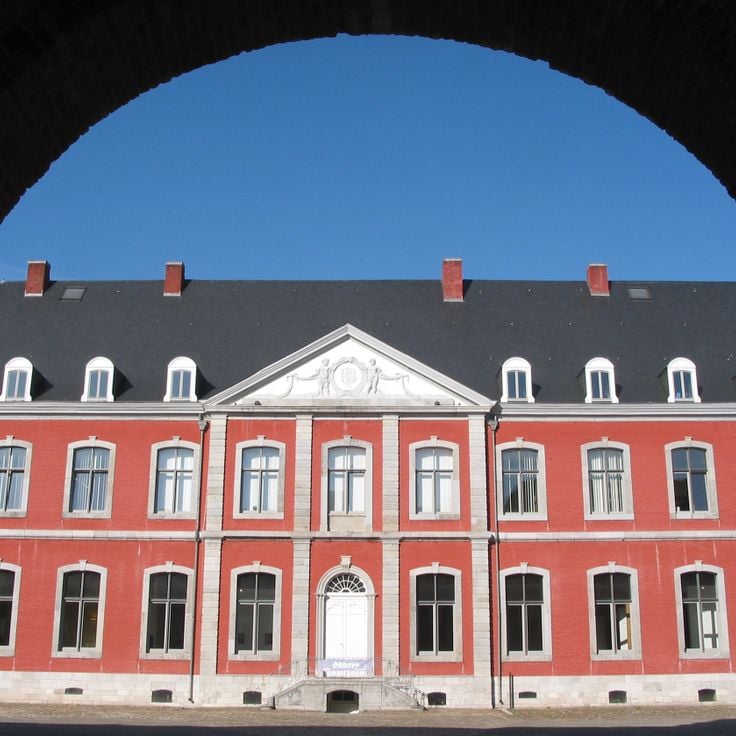
Wallonia combines the medieval history of its castles and abbeys with the natural scenery of the Ardennes, where caves and rivers shape a land full of places to explore.
Wallonia brings together a range of places that tell the story of the south of Belgium. You will find historic towns like Mons, Namur, Liege or Tournai, with their bell towers, cathedrals and cobbled squares. Castles and monasteries show the region’s medieval past, while citadels overlook valleys and offer views of the surroundings.
The geography of Wallonia varies between the wooded hills of the Ardennes, the waterways like the Meuse, and caves in limestone. Some sites are on the UNESCO World Heritage list. Museums, parks and villages add to this collection of places to visit and see the region from different angles.
Wallonia combines the medieval history of its castles and abbeys with the natural scenery of the Ardennes, where caves and rivers shape a land full of places to explore.
Wallonia brings together a range of places that tell the story of the south of Belgium. You will find historic towns like Mons, Namur, Liege or Tournai, with their bell towers, cathedrals and cobbled squares. Castles and monasteries show the region’s medieval past, while citadels overlook valleys and offer views of the surroundings.
The geography of Wallonia varies between the wooded hills of the Ardennes, the waterways like the Meuse, and caves in limestone. Some sites are on the UNESCO World Heritage list. Museums, parks and villages add to this collection of places to visit and see the region from different angles.
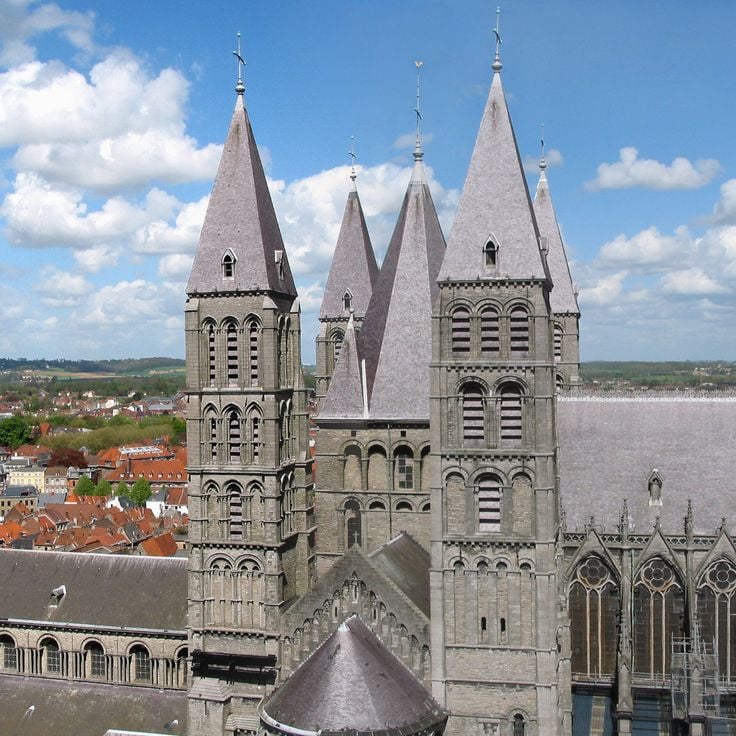
The Cathedral of Notre-Dame in Tournai is a major religious building that holds UNESCO World Heritage status. It stands in the city center and draws attention with its five distinctive towers that rise above the rooflines. Inside, you see the Romanesque style with vaults and columns that create patterns of light and shadow. The cathedral was built and modified over many centuries, so different building styles are visible throughout. It remains a place where people gather to pray and experience the history of the region.
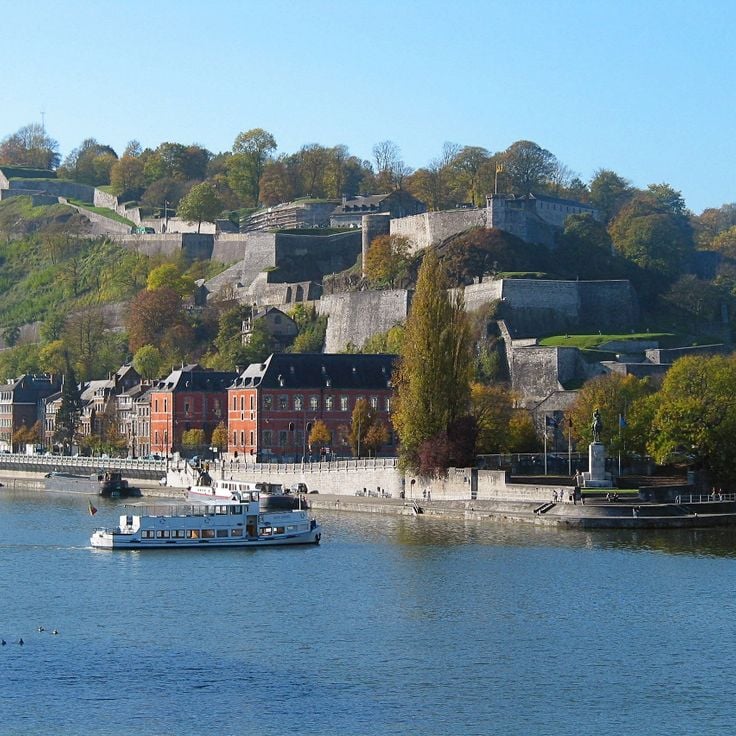
The Citadelle of Namur is one of Europe's largest fortifications, rising above the city of Namur and the meeting point of two rivers. It overlooks the historic city, the valleys of the Meuse, and provides views across the surrounding region. This fortress tells the story of Wallonia's past and invites visitors to walk through its walls and learn about the history of the area.
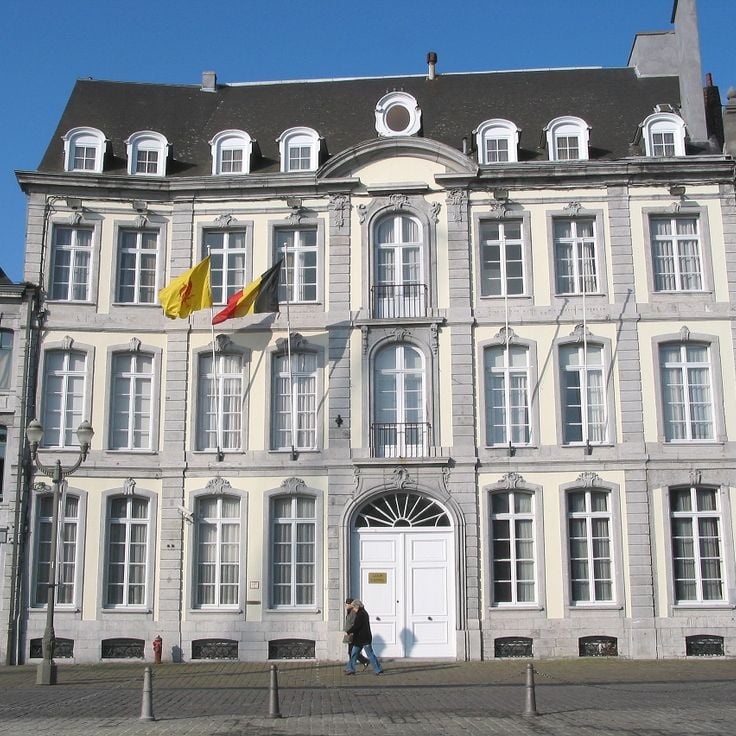
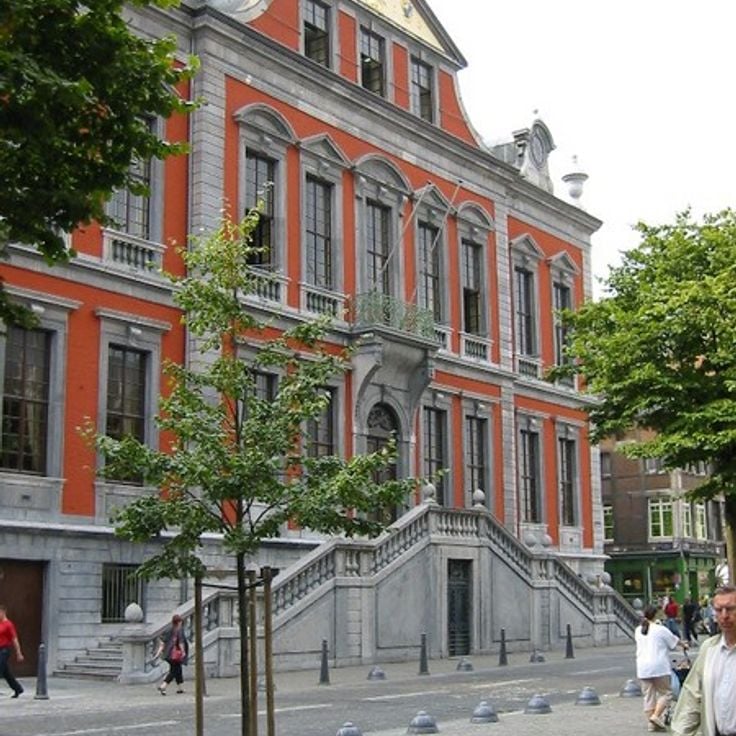
The Grand-Place of Mons is the main square at the heart of Hainaut and is surrounded by historic buildings that reflect centuries of Belgian history. This central plaza is where residents and visitors gather to experience the rhythm of city life. The architecture of the surrounding buildings tells of trade traditions and civic prosperity from earlier times. Along the sides of the square you will find cafes and shops where you can experience local life.
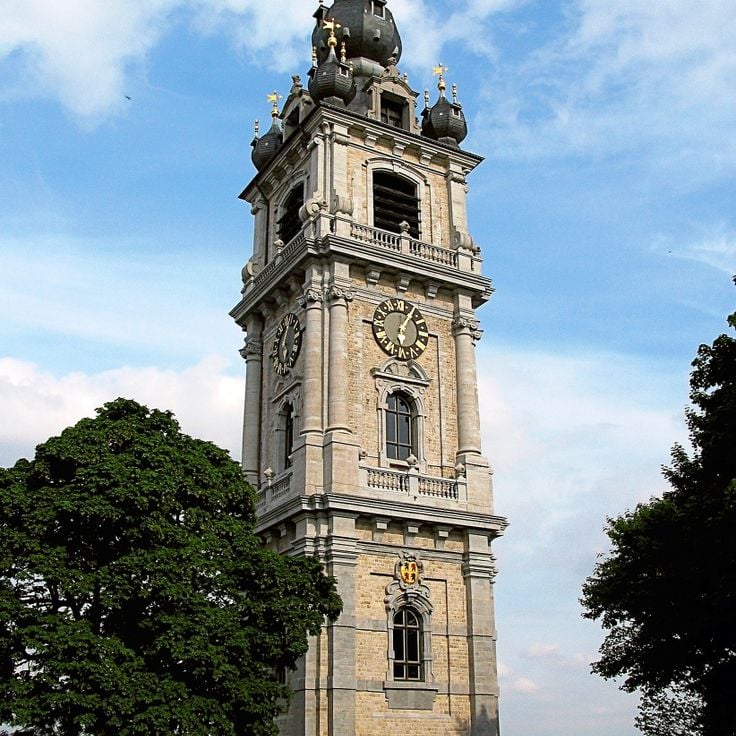
The Belfry of Mons is a tower that rises above the city and reflects its medieval heritage. This structure is part of the UNESCO World Heritage list and shows the architecture from a time when such towers represented the power and independence of cities. The Belfry dominates the skyline and serves as a landmark for anyone walking through Mons.
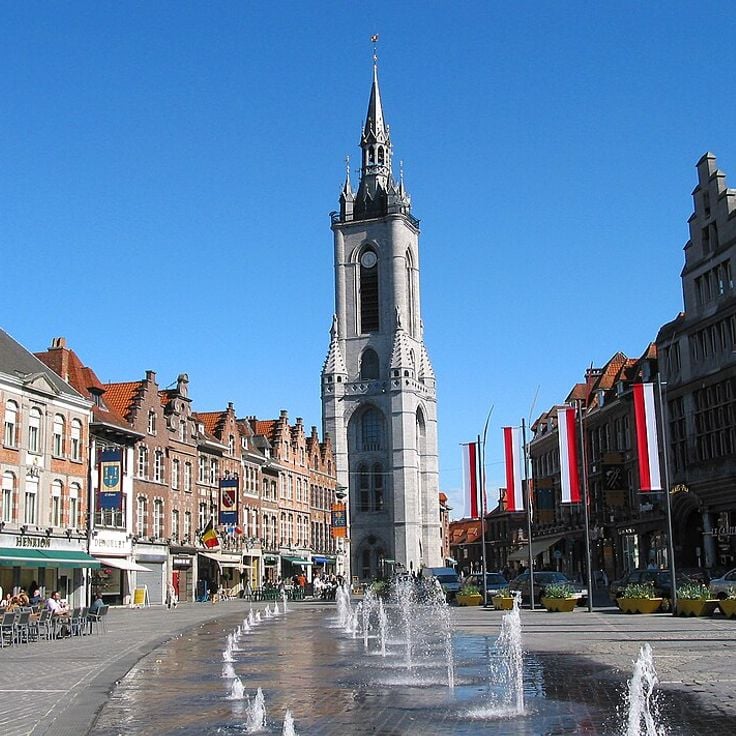
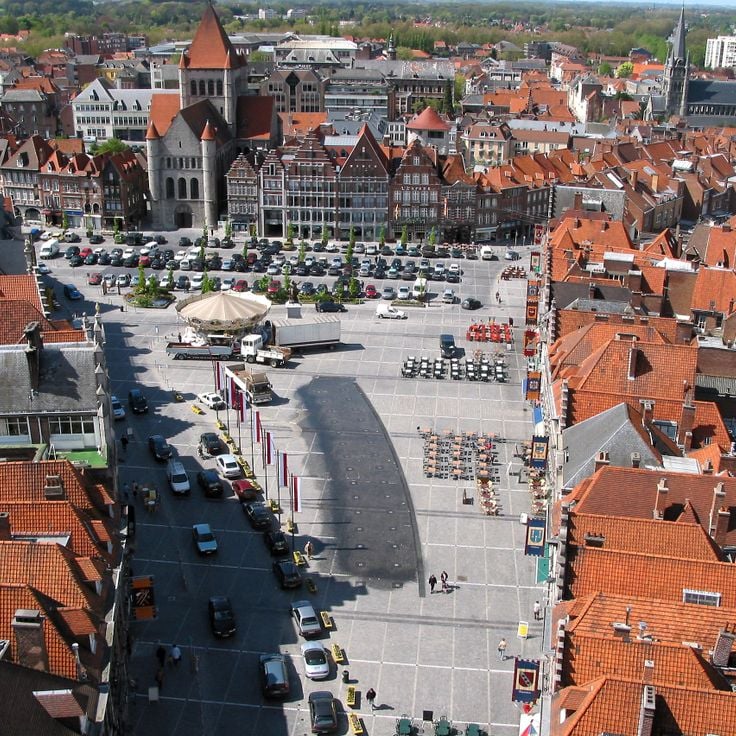
The Belfry of Tournai is a medieval tower that rises above the rooftops of the city. Built in the Middle Ages, it has shaped the look of Tournai for centuries and is listed as a UNESCO World Heritage Site. Visitors can climb the tower and look out over the surrounding streets and buildings from the top. The stonework is a reminder of how the city once organized its civic life around this central structure, which still stands today at the heart of the old town.
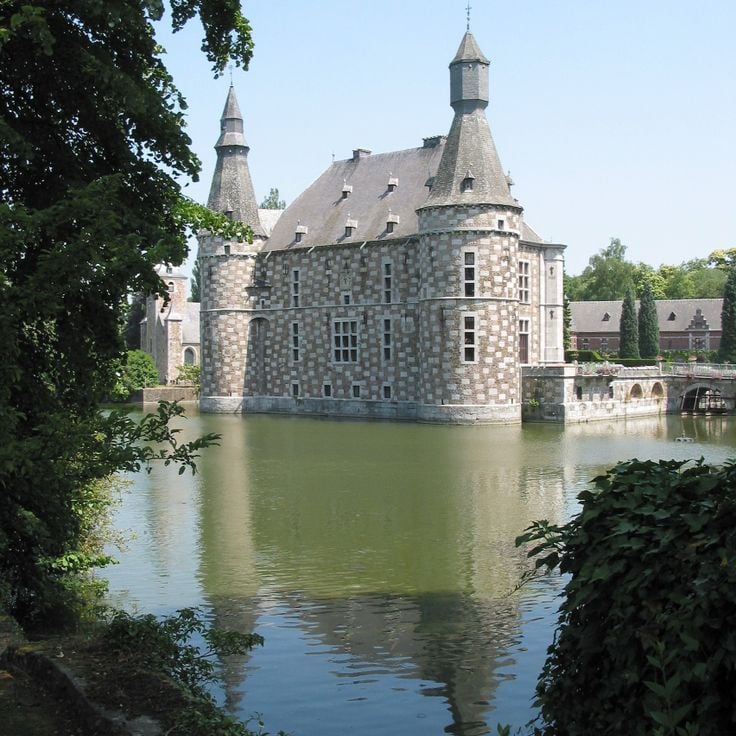
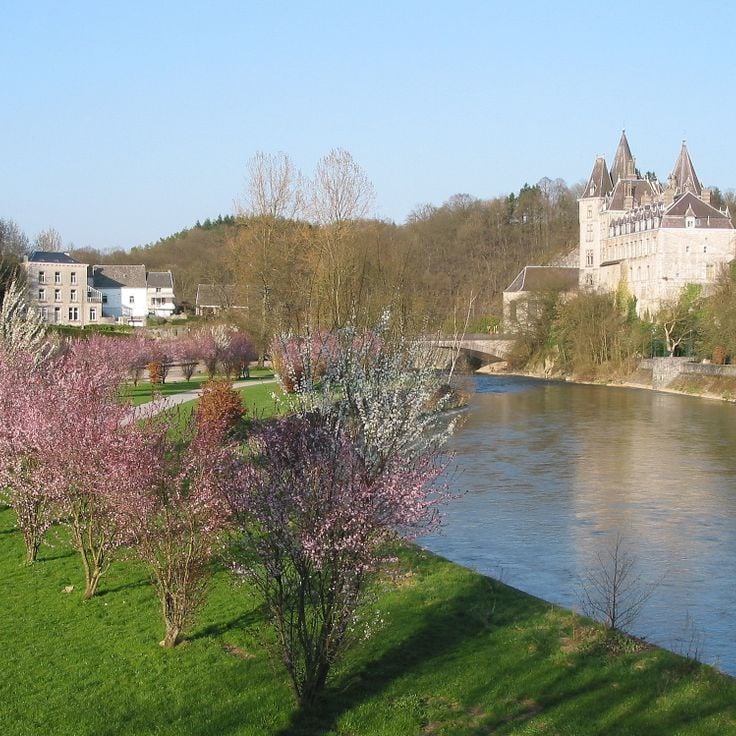
The Castle of Jehay stands in Amay on the Meuse and shows a building made from different times. The facades are decorated with sandstone and slate, giving the building a special look. The park surrounds the castle and offers areas to walk. This castle tells the story of Wallonia's past and is part of the collection of places that show the medieval history and the landscapes of southern Belgium.
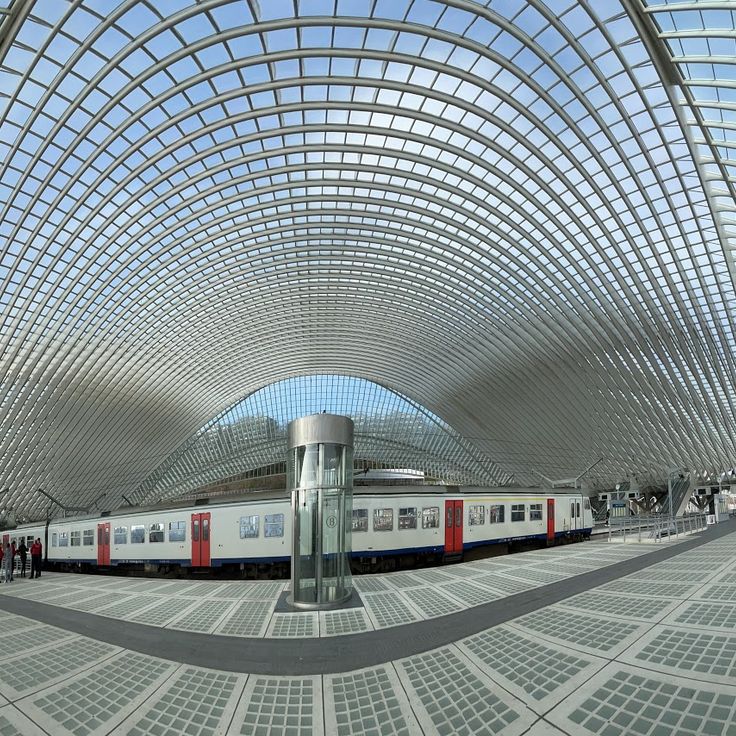
Liège-Guillemins Station is the main gateway to the city of Liège. This building combines modern architecture with historical elements and serves as a key transportation hub for the region. From here, visitors can reach the historic center and explore the different landmarks that make up the city's character.
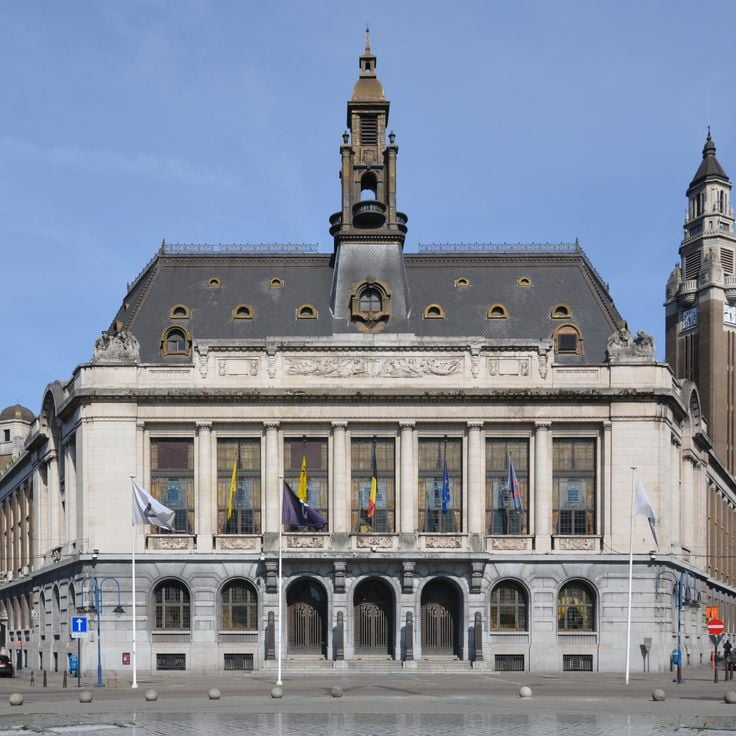
The center of Charleroi blends traces of its industrial past with contemporary street art. The city displays in its districts a mix of older buildings and newer artistic works that appear on facades and walls. Walking through the streets reveals both historic architecture and living art installations that shape the cityscape. Charleroi tells the story of its role as an industrial center and the artistic renewal the city is experiencing today.
The city center of Tournai shows the evolution of a medieval trading town through its buildings and streets. The cathedral rises above the city with five towers that can be seen from different angles. Stone bridges cross the Scheldt River, connecting different quarters of the old town. Medieval and Renaissance houses line the streets, and the former fortifications still mark the boundaries of the historic center. Walking through Tournai's center reveals how a river port developed over centuries into the city you see today.
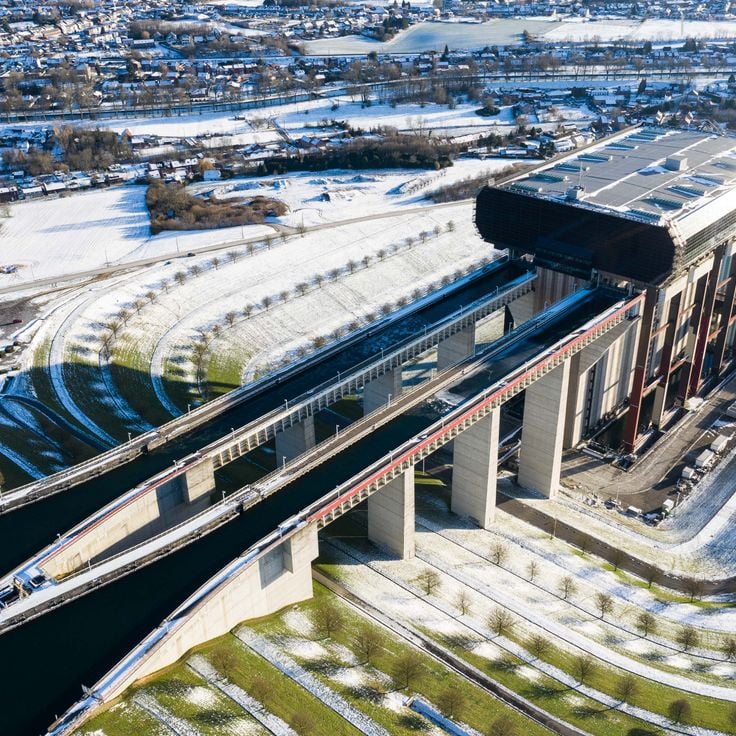
The hydraulic boat lifts of the Canal du Centre were built in the 19th century to move vessels between different water levels along the canal. These structures use water pressure and counterweights to raise and lower boats smoothly. Walking around the site, you get a clear sense of how canal transport once worked in this part of Belgium. The lifts are listed as a UNESCO World Heritage Site and remain one of the few places where this type of mechanism can still be seen in its original setting.
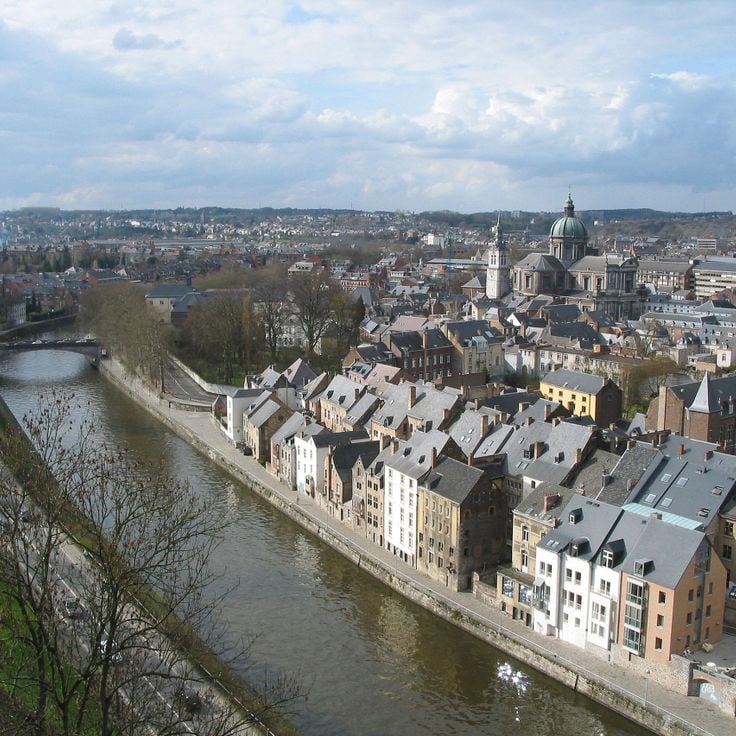
The historic center of Namur reveals the old heart of the city with its streets, buildings, and medieval character. The old town sits where the Meuse and Sambre rivers meet and is watched over by the citadel. You will find Romanesque and Gothic churches here, traditional houses with stone decorations, and small squares where daily life happens. The river shapes how the city looks, and from many corners of the old town you can see the fortress rising on the hill.
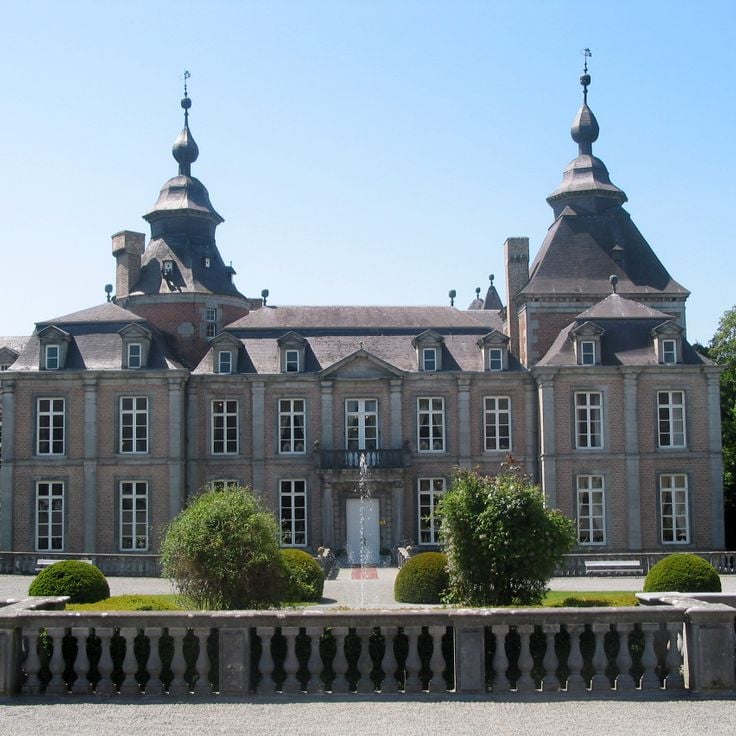
The Château de Modave is a 17th-century fortress that rises above the Meuse valley. Its rooms display how the nobility lived, with furnishings, wall paintings, and decorative details spanning different periods. The castle opens onto views of the green hills and river landscape of the Ardennes. Walking through it connects you to the region's history and natural surroundings.
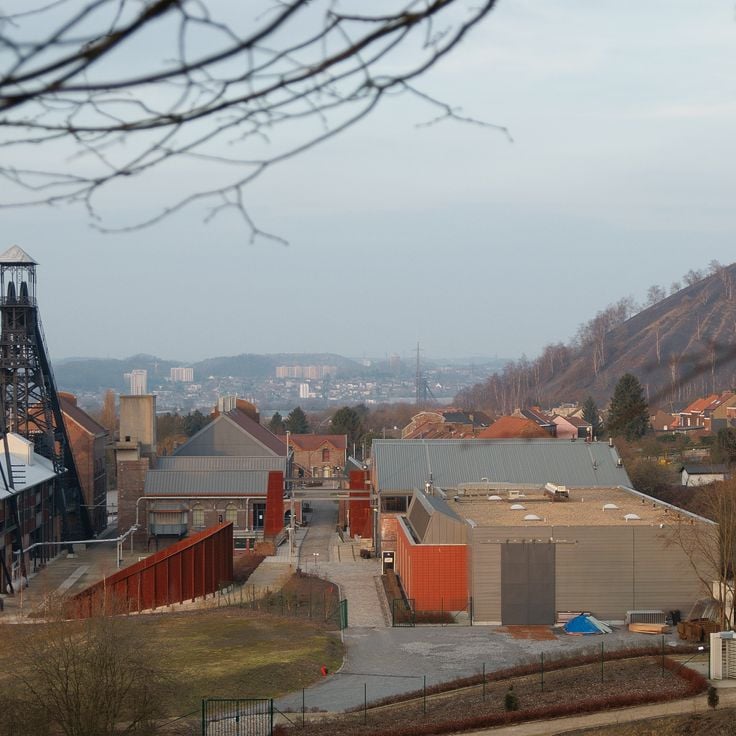
Bois du Cazier is a former coal mine in Marcinelle that is now a UNESCO World Heritage site. The site shows the long mining history of Wallonia and tells the story of work underground. The grounds can be visited and offer insights into the lives of miners, the technology of extraction, and the social changes linked to industry. The buildings and machinery on site bear witness to the important role mining played for this region.
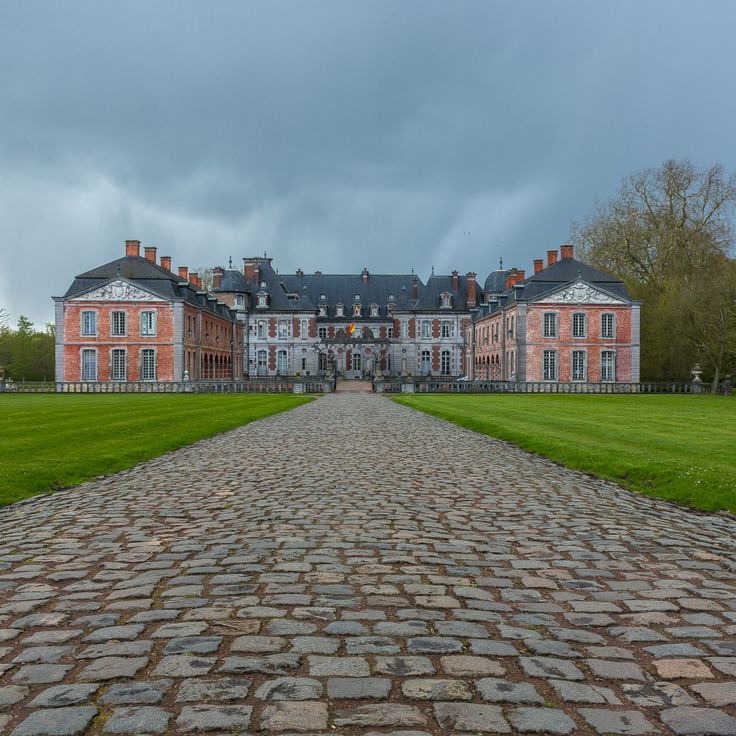
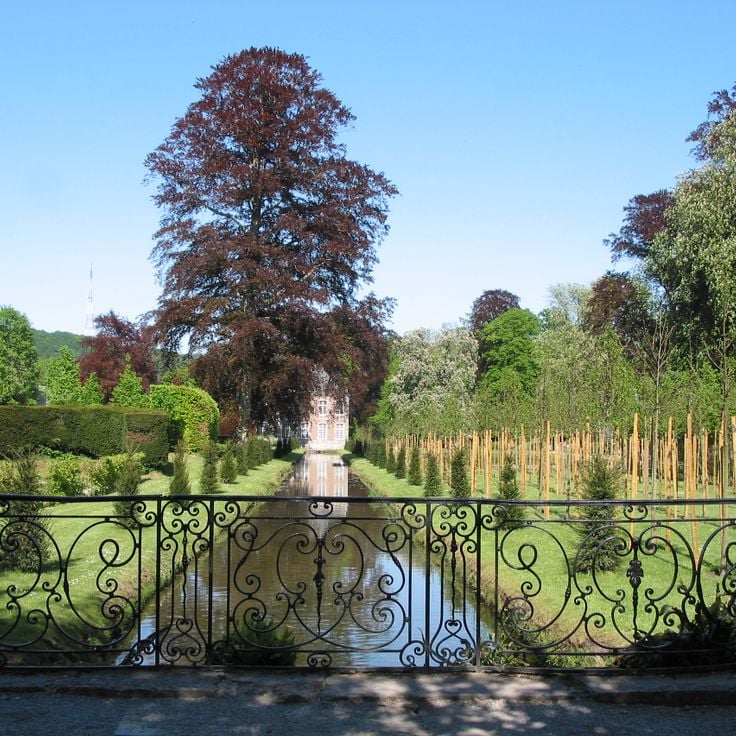
The Château de Beloeil stands in the Hainaut region and tells the story of the southern Belgian nobility and their way of life. The French gardens surrounding the castle show how the aristocracy shaped the land around their homes. Inside, the rooms contain valuable furniture and artwork. This castle fits into the collection of Walloon places that span from the Middle Ages to modern times and help visitors understand the region.
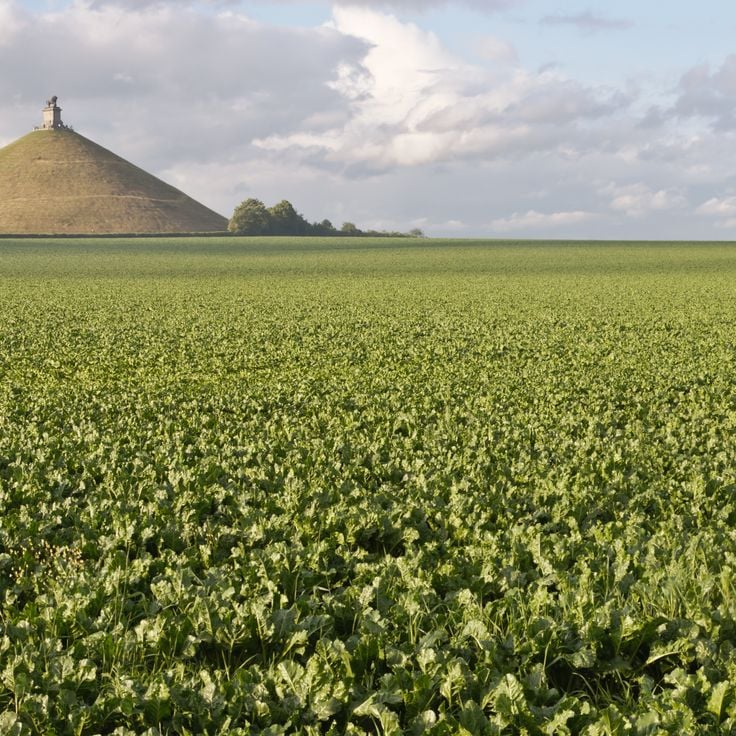
The Waterloo battlefield is a historical site in southern Belgium that marks the decisive battle of 1815. The landscape still shows traces of those events. The Lion's Mound rises above the grounds and offers views across the vast area. Museums on the site tell the stories of soldiers, strategies, and the consequences of that day. Visitors can walk across the fields and understand how the battle unfolded. The battlefield connects the region's history with insight into an important European event.
The historic center of Liege shows the heart of the city with its riverbanks, squares, and old buildings. The structures come from different periods and shape how this Walloon city looks today. Medieval elements stand alongside architecture from later centuries. Walking through these streets, you pass churches, ancient homes, and public spaces that reflect the city's daily life. The layers of history become visible as you explore this area.
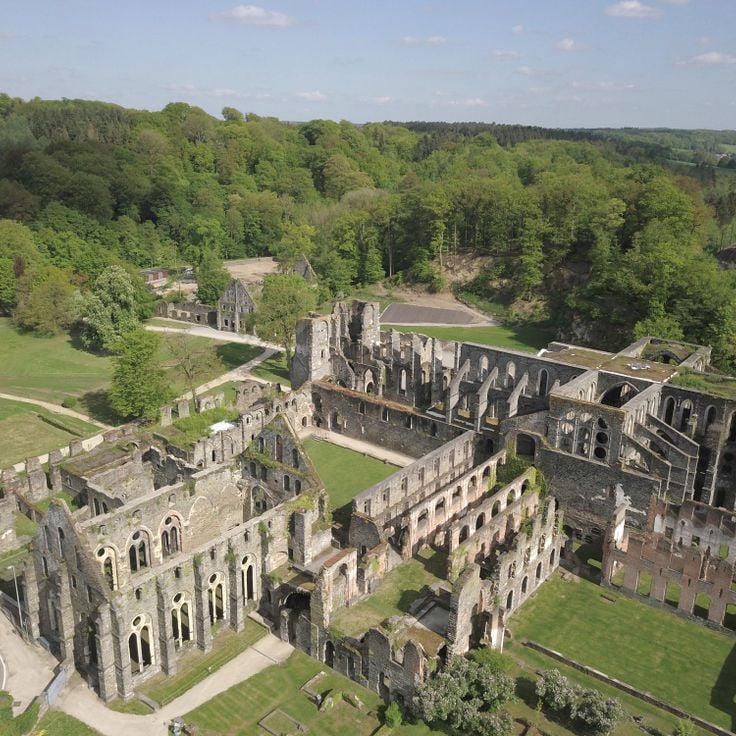
The Abbey of Villers-la-Ville is one of the largest Cistercian ruins in Belgium. Set in a green valley in Brabant wallon, the stone remains give a real sense of how monastic life was organized here during the Middle Ages. Visitors can walk through the old church, the cloister and the outbuildings, and see how the monks lived and worked across the centuries. The site is one of the places in Wallonia where the medieval past feels close.
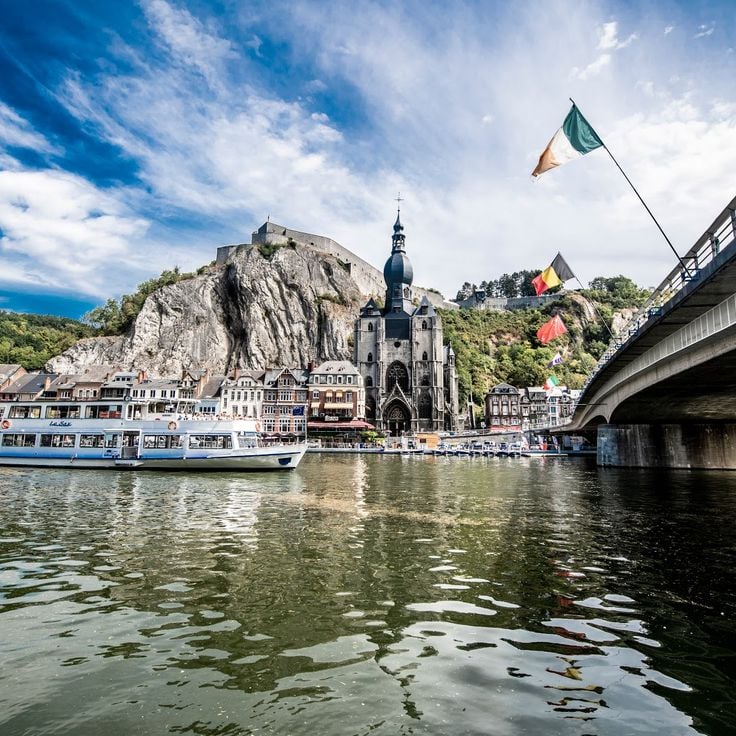
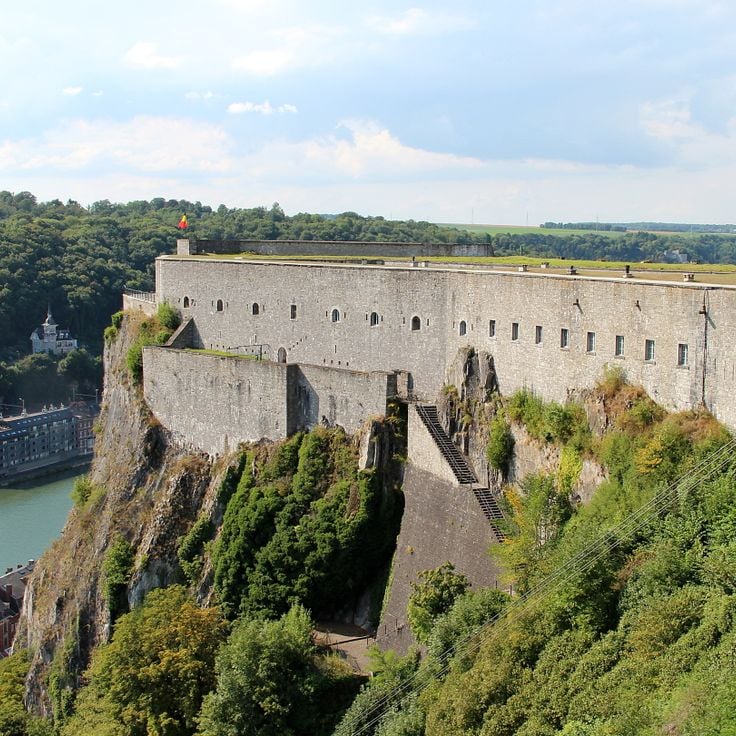
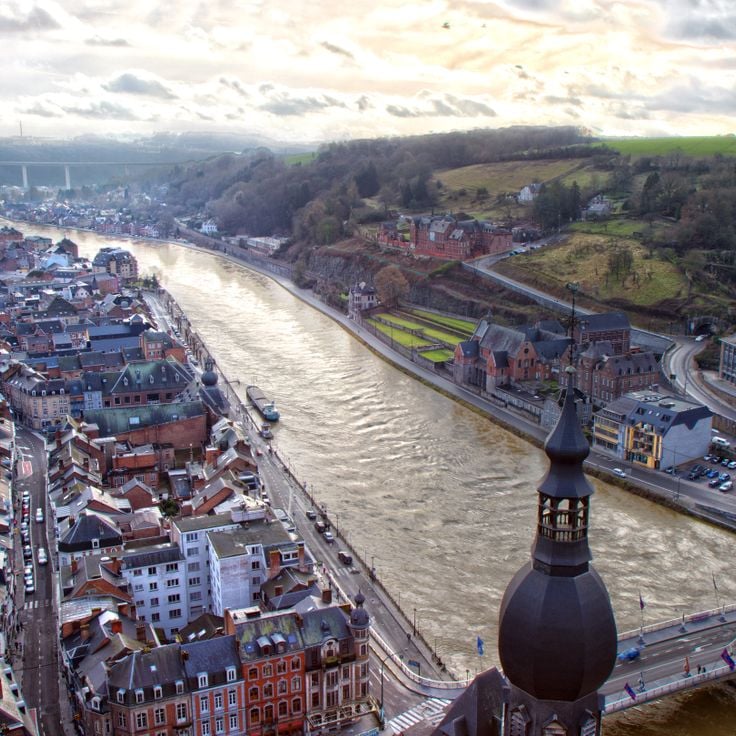
The Citadel of Dinant is a fortress that rises above the town of Dinant and the Meuse valley. It was built in a strategic location to defend and control the region. From its walls, you can look down at the town below, its rooftops and streets, and the river flowing through the landscape. The citadel tells the story of a time when such structures were needed to protect people and trade. Today it stands as a place where you can see both the history and the natural landscape of Wallonia.
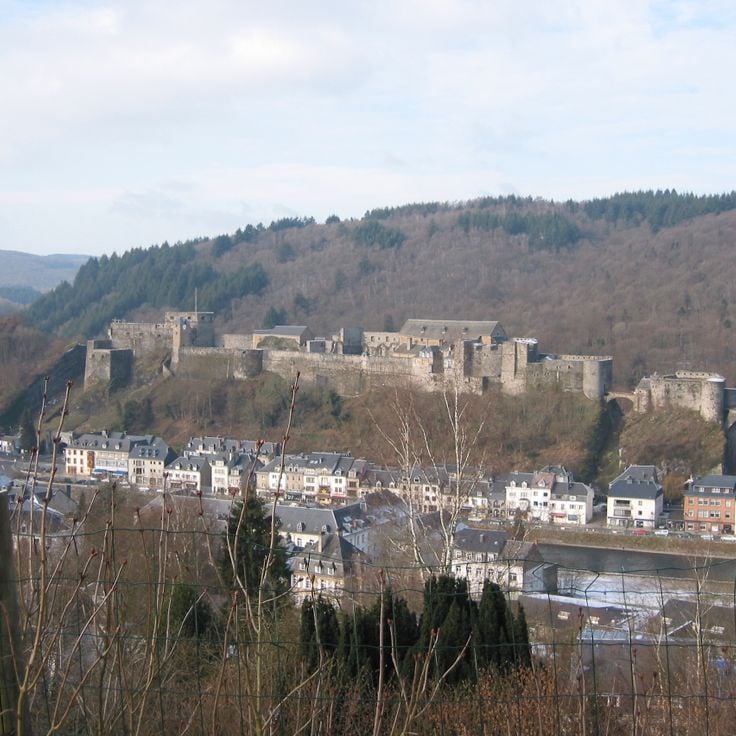
This castle rises above the town of Bouillon in Belgian Luxembourg and embodies the medieval heritage of Wallonia. The fortress sits on a rocky outcrop above the Semois river and displays construction from several centuries. The walls and towers tell the story of this strategically important stronghold. Visitors explore the rooms inside and enjoy views of the valley and the surrounding Ardennes landscape.
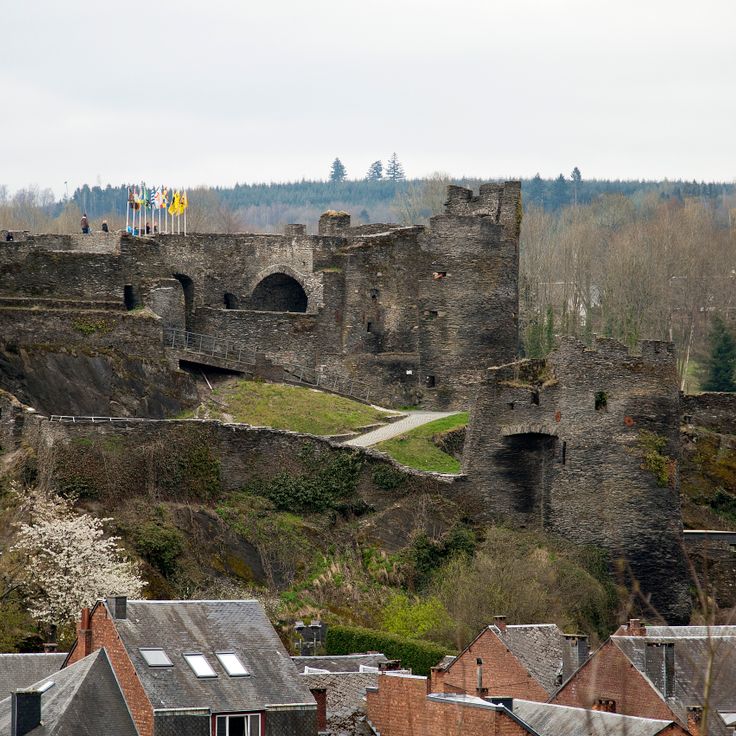
The Castle of La Roche-en-Ardenne stands as a medieval ruin perched on a rocky outcrop above the Ourthe River gorge. From this vantage point, visitors overlook the forested hills and the river's winding path through the valley. The castle was destroyed and rebuilt several times throughout the centuries. Today, people can explore the remaining structures and enjoy views across the surrounding Ardennes landscape.
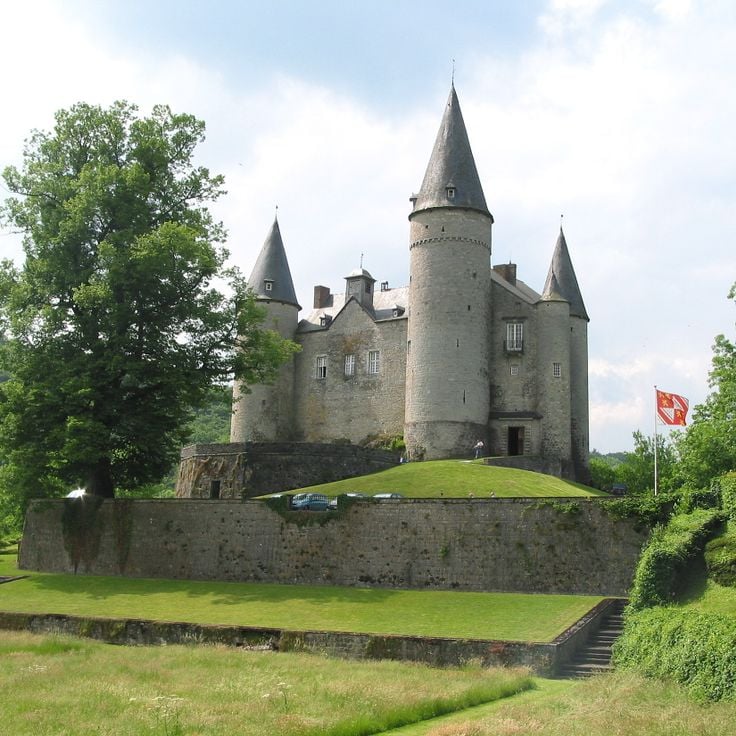
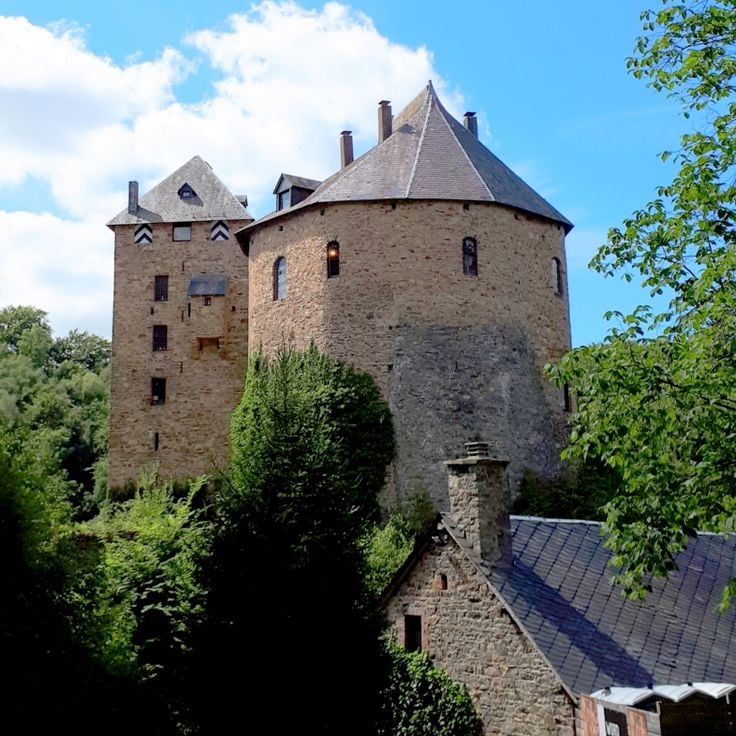
The Château de Vêves in Celles is one of Wallonia's castles that reflects the medieval history of this region in southern Belgium. This castle shows visitors how noble families lived in the Ardennes through its towers and distinctive architecture. It stands as a remnant of the region's feudal past and offers insights into life during that era.
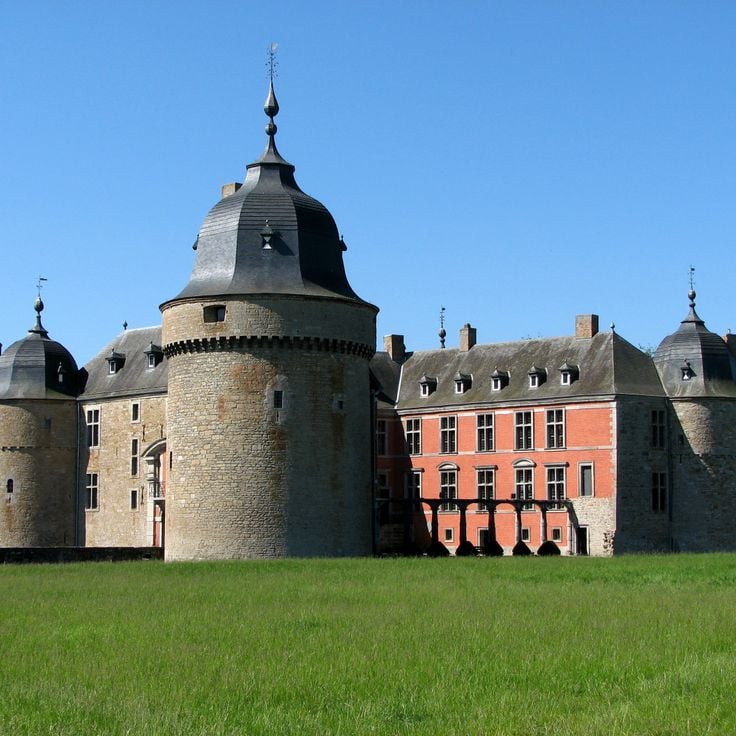
The Château de Lavaux-Sainte-Anne near Rochefort displays the medieval architecture and history of Wallonia. The castle was built over centuries and today holds collections within its rooms. The walls and towers tell the story of the region's past, while the interior spaces offer insights into the lives of earlier inhabitants.
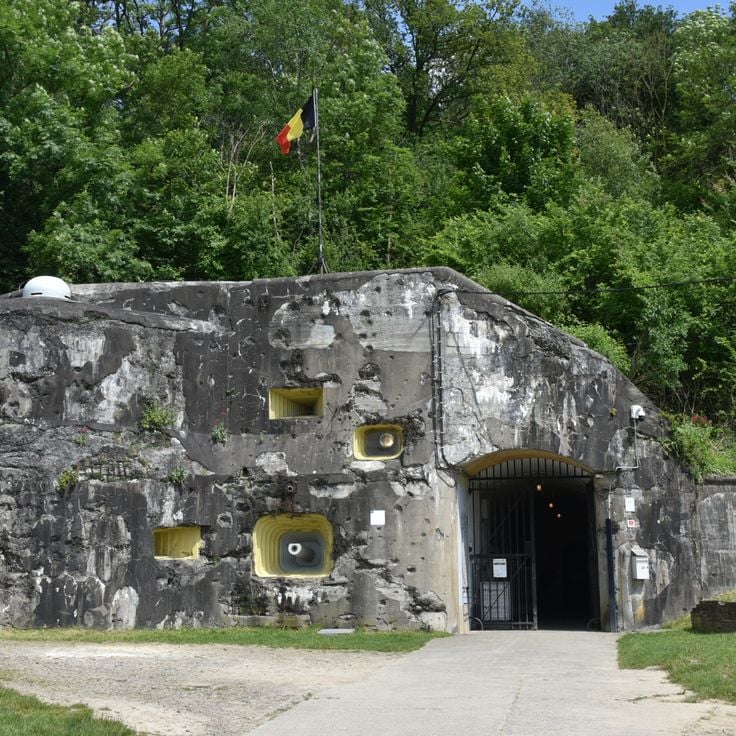
Fort d'Eben-Emael is a fortress with underground galleries that visitors can explore. Located in the Liège region, it tells the story of Belgium's military past. The fort was built to protect the border and now houses a museum. Walking through its underground passages gives you a sense of how soldiers lived and worked in this place.
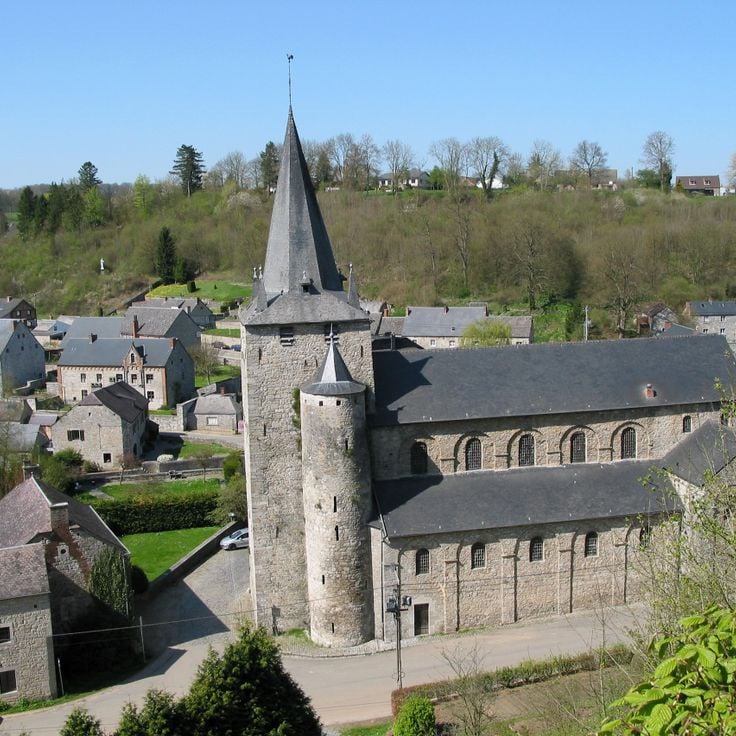
Celles is a village in Wallonia that reflects the character of southern Belgium. The castle in the village speaks to the medieval past of the region, while narrow streets wind between buildings that hold the mark of earlier times. The surrounding landscape of forests and river valleys matches the wooded hills that shape Wallonian geography.
Dinant sits along the Meuse River and is a town with deep historical roots. The collegiate church of Notre-Dame dominates the townscape with its Gothic style. The town spreads along the river, with narrow streets and old buildings that speak of its past. Dinant was known for its copperwork and brass instruments. Visitors find here medieval structures combined with natural beauty.
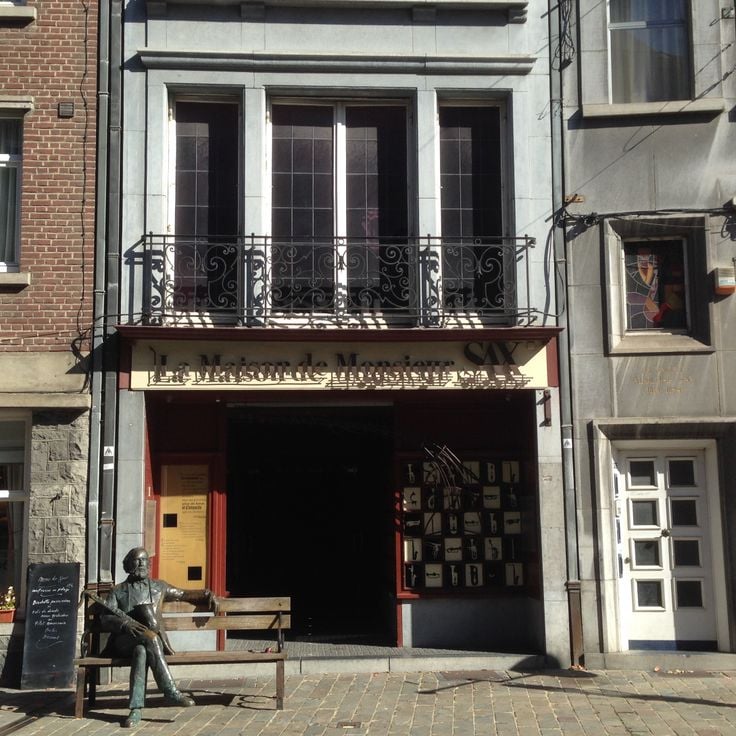
The birthplace of Adolphe Sax in Dinant tells the story of the inventor of the saxophone. This house is where the musician grew up and developed the instrument that changed music around the world. Inside you will find exhibits about his life and work. Walking through these rooms helps you understand how a young man from Wallonia became an important musical innovator.
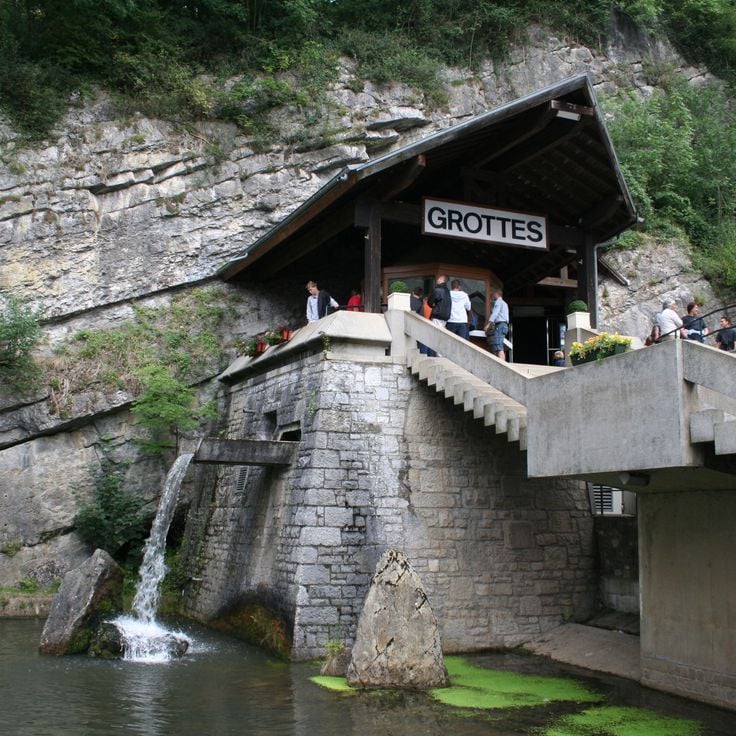
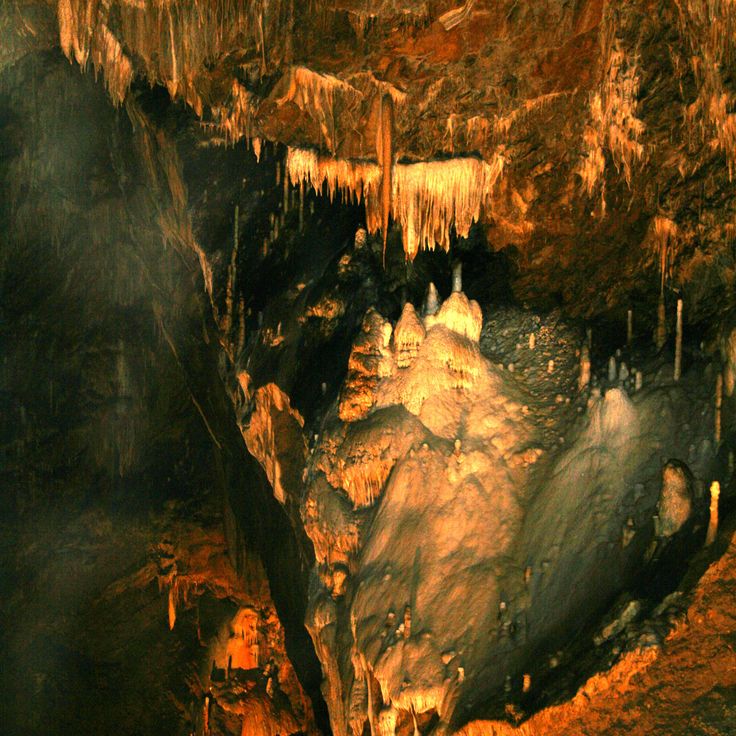
The Grottes de Han are an underground cave system beneath the village of Han-sur-Lesse in Wallonia. This network of galleries displays stalactites, stalagmites, and other mineral formations that have developed over thousands of years. These caves rank among the region's most significant geological sites and reveal how water and limestone have shaped the landscape of southern Belgium. Visitors walk through the subterranean chambers and witness the slow work of nature carved into rock.
Château de Reinhardstein is a restored medieval castle set in the eastern Ardennes. It shows the history of the region through its architecture and location. The castle offers views over the surrounding landscape and tells the story of Wallonia's past. Visitors can explore the old walls and learn about medieval life in the area.
The Annevoie Gardens are historic water gardens located near Namur. They showcase how water and plants have been arranged to create beautiful outdoor spaces. Fountains and ponds shape the character of these grounds. The gardens invite visitors to walk through and offer a glimpse into how gardens were designed in earlier centuries.
Durbuy sits in the Ourthe valley and is one of the oldest towns in Wallonia. Its narrow streets run between stone buildings that have stood for centuries. Small shops, cafés and restaurants line the cobbled lanes where daily life plays out at an easy pace. Walking through Durbuy gives a clear sense of what a historic Walloon town looks and feels like.
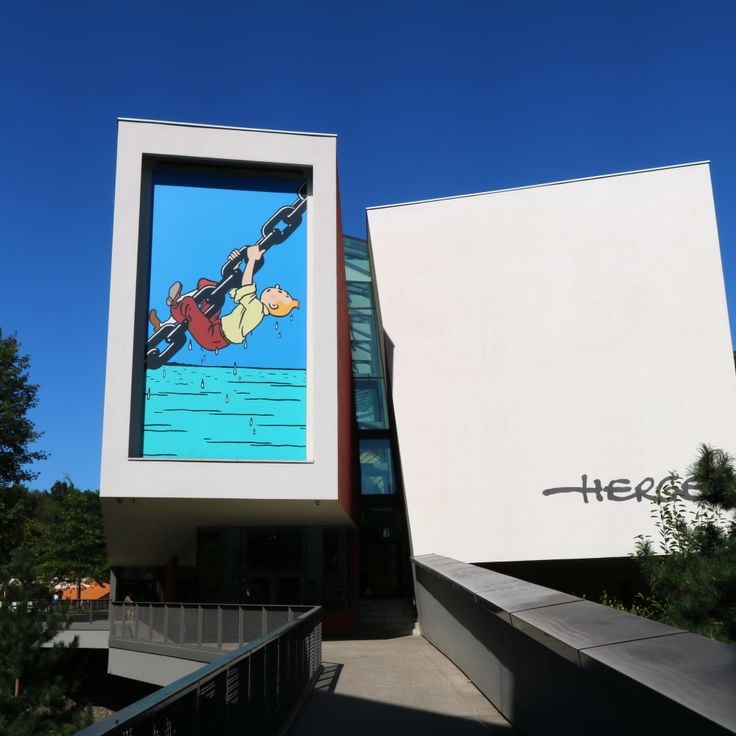
The Hergé Museum in Louvain-la-Neuve tells the story of Hergé and his creation, Tintin. The museum displays original drawings, manuscripts, and objects that show how this comic series developed over time. Visitors can see the artistic work behind the adventures of the young reporter and learn how Hergé shaped the world of comics.
The Grottes de Remouchamps are limestone caves that extend underground and contain a subterranean lake. Visitors walk through natural passages and can take a boat ride on the water to explore the cave from within. The caves display stone formations that have developed over a long period. Located near Aywaille in the Liege region, they reveal the geological history of the Ardennes.
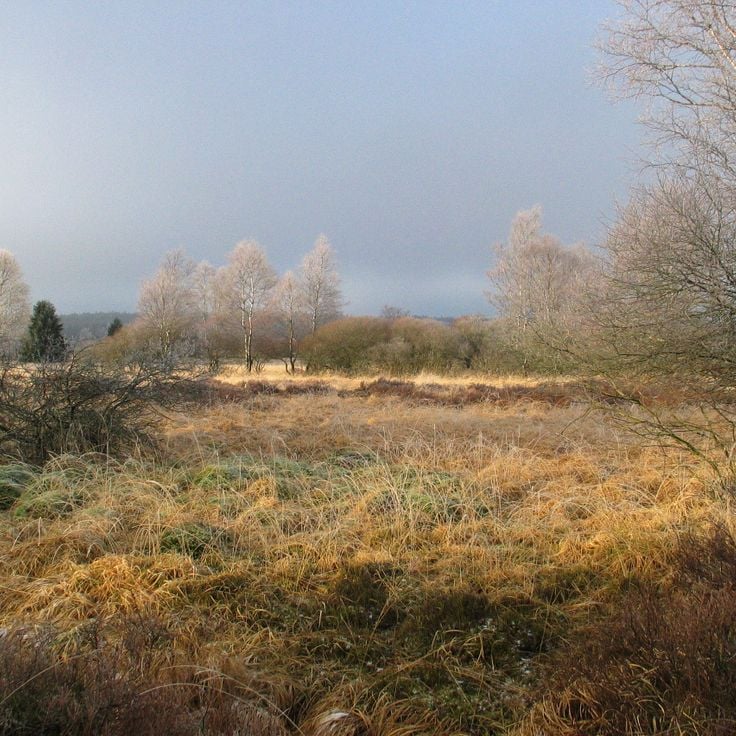
The Hautes Fagnes Natural Park is a special landscape in the Ardennes with peatlands and viewpoints. This park is part of Wallonia's natural treasures, which alternate between forested hills, waterways, and limestone caves. The Hautes Fagnes shows the geographic variety of the region and is a place for hiking and observing nature.
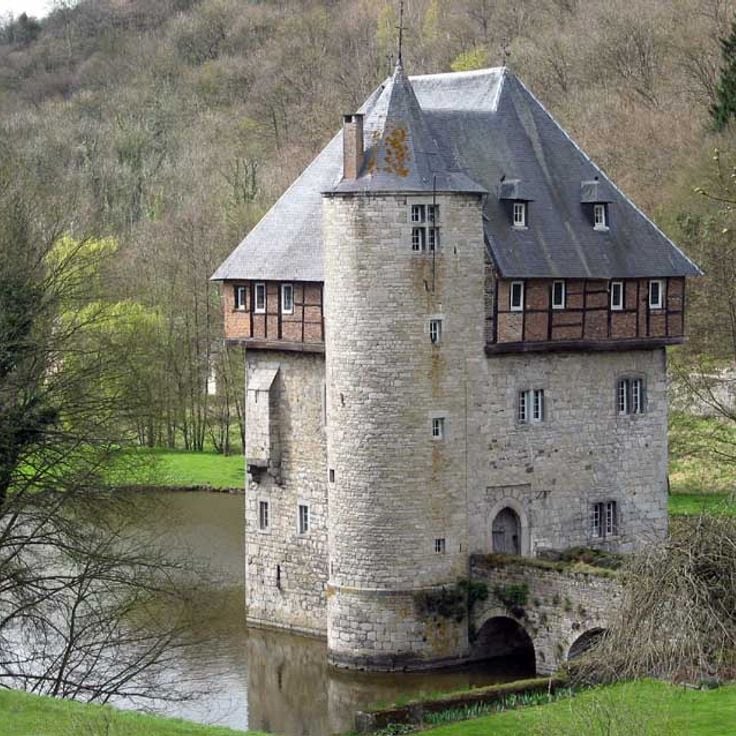
Crupet is a small village in the Walloon countryside, not far from Namur. Its stone houses, old mill, and medieval tower rising above the stream give the place a feel that is easy to notice on foot. Nearby, the Grotto of Saint Anthony is carved into the limestone rock, a reminder of how faith and local landscape have long been connected in this part of Belgium.
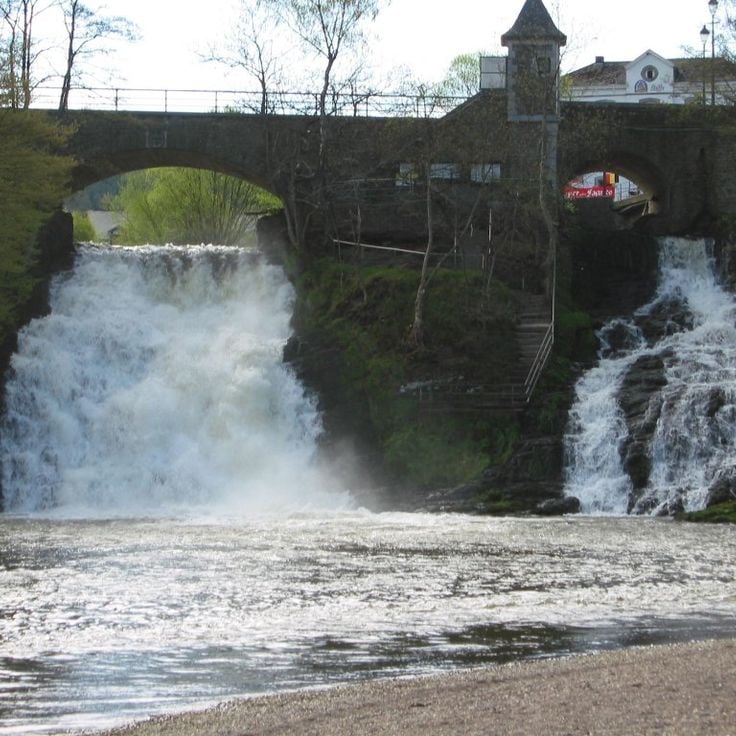
The Cascade de Coo is a waterfall in the Ardennes region that forms a natural landmark. Water falls over rocks creating a dramatic flow. This waterfall fits within Wallonia's landscape, where rivers like the Meuse shape the terrain. The Ardennes are known for their forested hills and flowing water.
The Domaine des Grottes de Han in Han-sur-Lesse is an animal park where creatures live in semi-open conditions. The park sits within the natural setting of Wallonia, where caves, rivers, and forested hills shape the landscape. This place lets visitors experience the wildlife of the region while exploring the geological features of the Ardennes.
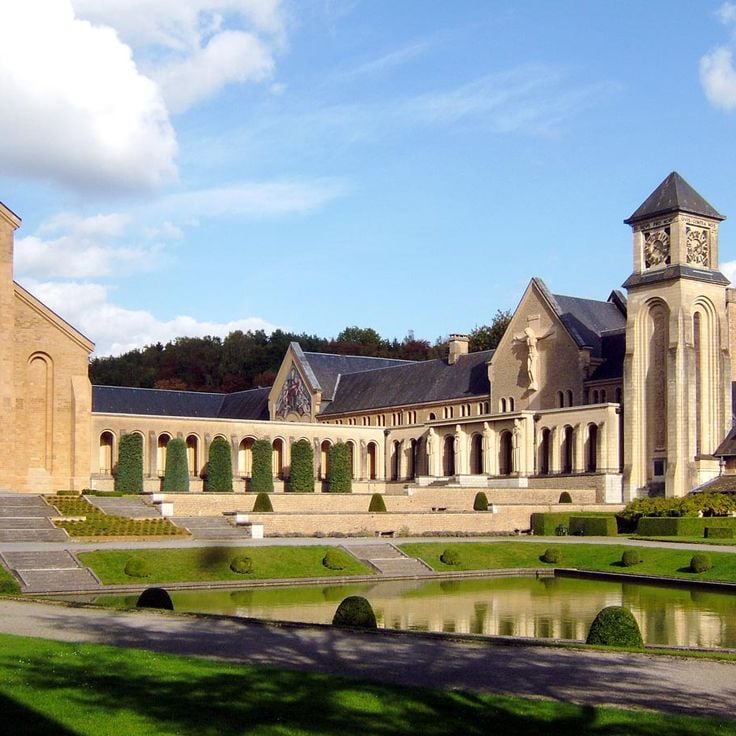
Orval Abbey is an active Trappist monastery in Wallonia, drawing visitors with its ruins and brewery. The monastery shows the region's religious history, while the brewery keeps local traditions alive. The buildings tell the story of centuries of monastic life, and the surroundings offer space for quiet reflection.
The Grotte de Lorette in Rochefort is one of the natural wonders of Wallonia. This cave impresses with its underground limestone formations that developed over thousands of years. A visit takes you through narrow passages and open chambers where stalactites and stalagmites appear. The cave is easy to access and offers insight into the geological history of the region. It fits perfectly into exploring Wallonia, where nature and history are closely linked.
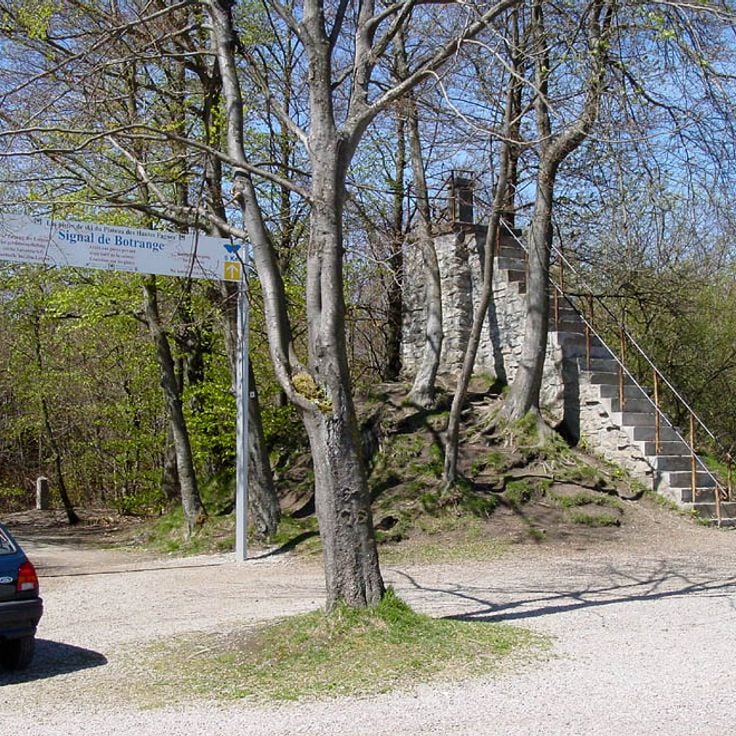
Signal de Botrange is Belgium's highest point, located in the Hautes Fagnes. From this spot, you can look out over the plateau, which is covered with moorland and low vegetation. The landscape feels open and windswept, with broad horizons stretching in every direction. Hikers come here to experience the nature of the Ardennes and to enjoy the views from this geographical landmark.
The Semois Valley is located in the Ardennes and represents the natural landscapes that characterize southern Belgium. This valley features walking routes that wind through forested hills and offer views of the river landscape. Visitors can explore the terrain on foot, experiencing the rhythm of the forest and the water.
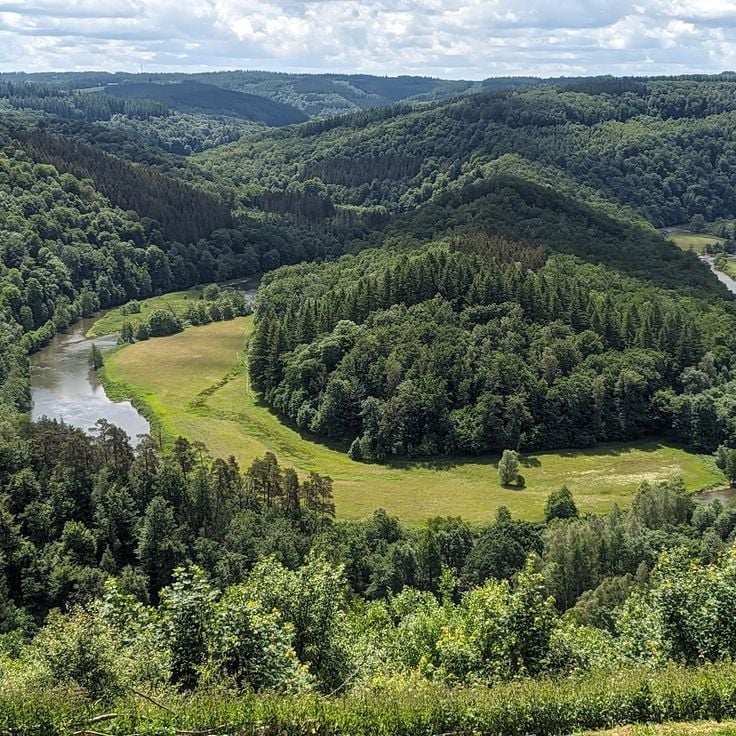
The Giant's Tomb at Botassart offers a vantage point over the Semois Valley. From this overlook, visitors can see the green hillsides and the river's winding course below. The location is surrounded by walking trails and shows the natural landscape of the Ardennes. From here, you can observe how the Semois flows through the valley and shapes the surrounding terrain.
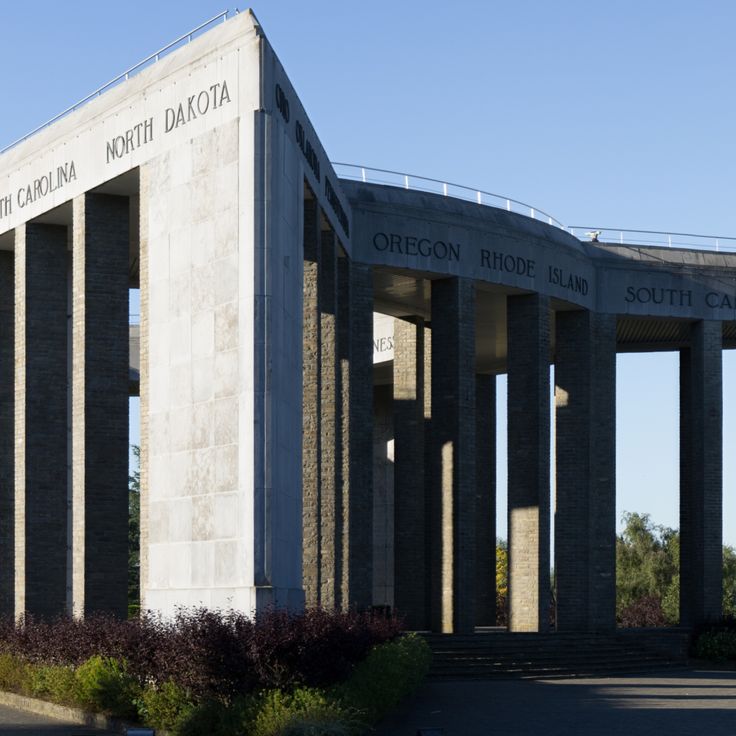
The Mémorial du Mardasson in Bastogne is a monument dedicated to the Battle of the Ardennes. It honors the soldiers who fought here during World War II. This site stands in a region defined by historical centers, castles, and natural landscapes. Bastogne holds an important place in the history of Wallonia, and visiting it helps you understand the region through its varied heritage and stories.
The Viroin-Hermeton natural park sits near Couvin and shows the natural character of southern Belgium. The park spreads across valleys and villages that shape the landscape of Wallonia. Here you find river courses, wooded hills, and limestone cliffs. The area invites walking and offers places to discover the nature and rural villages that are part of the Walloon heritage.
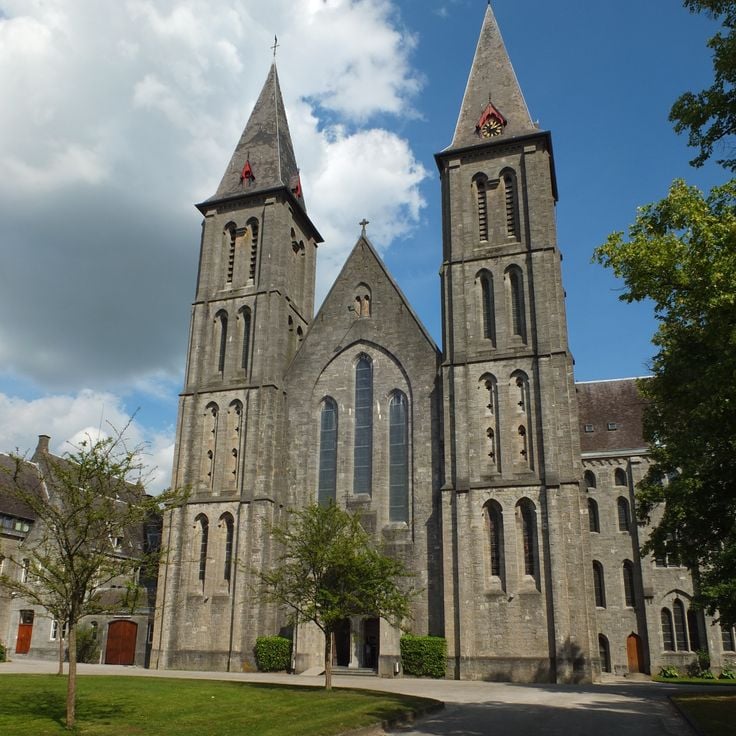
The Abbaye de Maredsous is a Benedictine monastery in Denée that welcomes visitors with its products and walking trails. The monastery sits within the Walloon landscape, combining religious heritage with nature. Visitors can explore the grounds, discover the monastery's architecture, and learn about the goods produced by the monks.
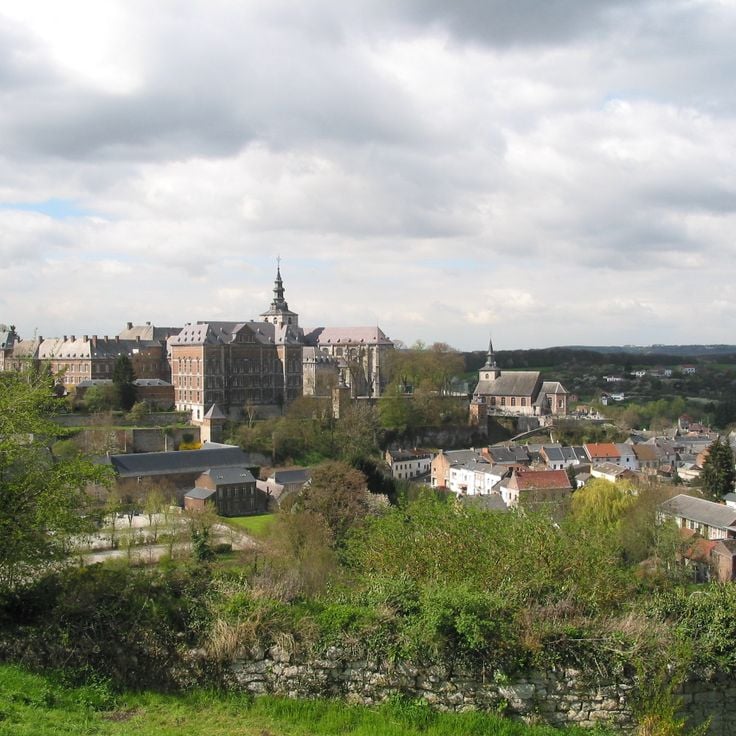
Floreffe Abbey is a monastery in Wallonia with a long history. The buildings show architecture from different periods. Visitors can explore the grounds and join guided tours to learn about the monks' lives and how the abbey developed over time. The rooms tell stories of craftsmanship, farming, and spiritual practice.
The Bastogne War Museum tells the story of World War II and the Battle of the Ardennes. It shows how this battle changed the course of the war and affected the region. The museum helps visitors understand what happened in this part of Belgium at that time.
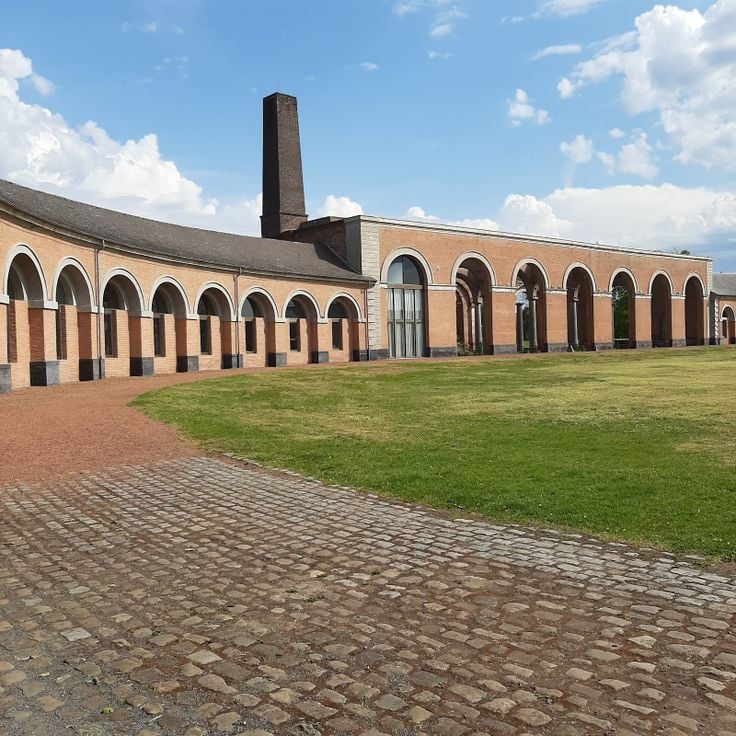
Le Grand-Hornu is a former mining site in Belgium that has become a space for contemporary art. The location shows the industrial history of the region and was recognized by UNESCO. Today, visitors can explore the grounds, see the old buildings, and discover contemporary art exhibitions.
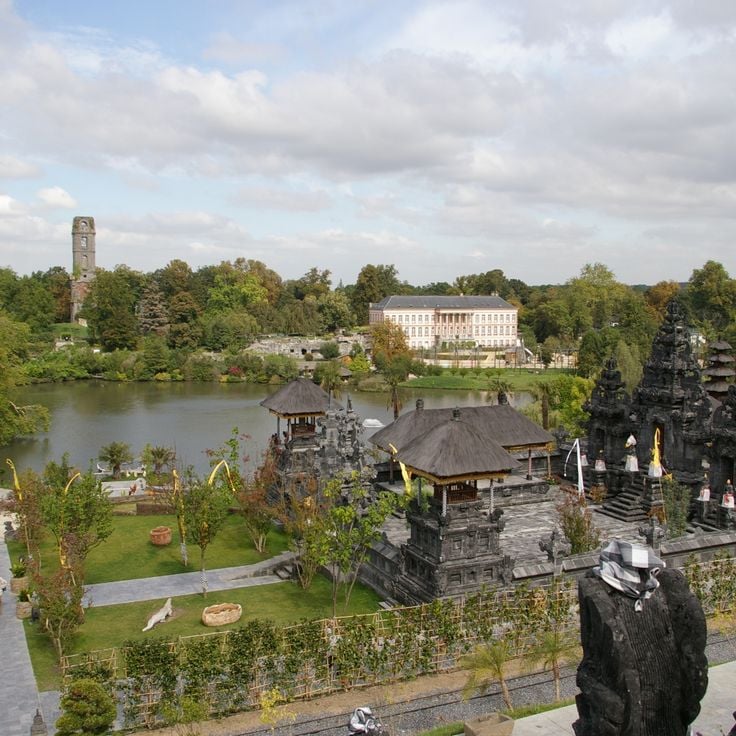
Pairi Daiza in Brugelette is a large animal park and botanical garden that takes visitors on a journey through different habitats of the world. The park is home to animals from Africa, Asia, and other continents living in natural settings. With its lakes, bridges, and carefully designed landscapes, this place offers a day full of discovery for families. The site brings together a passion for animals with a love of nature and garden design.
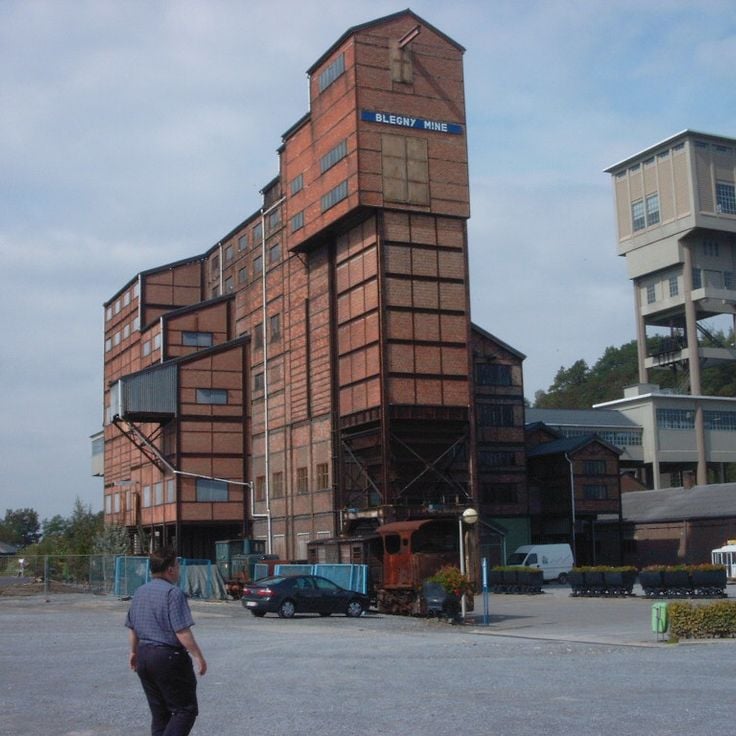
Blegny-Mine is a coal mine where visitors can walk through underground tunnels and galleries. The site shows how miners worked and what daily life was like in the depths. This mine is part of Wallonia's industrial heritage and reveals the hard labor that shaped the region.
Stavelot Abbey is one of the oldest religious sites in Wallonia. Founded in the 7th century, it played a central role in the religious and daily life of the region for hundreds of years. Today, the abbey houses several museums where visitors can see medieval artworks, religious objects, and documents that trace the lives of the monks who once lived here. Walking through its stone buildings gives a real sense of the long history of this place.
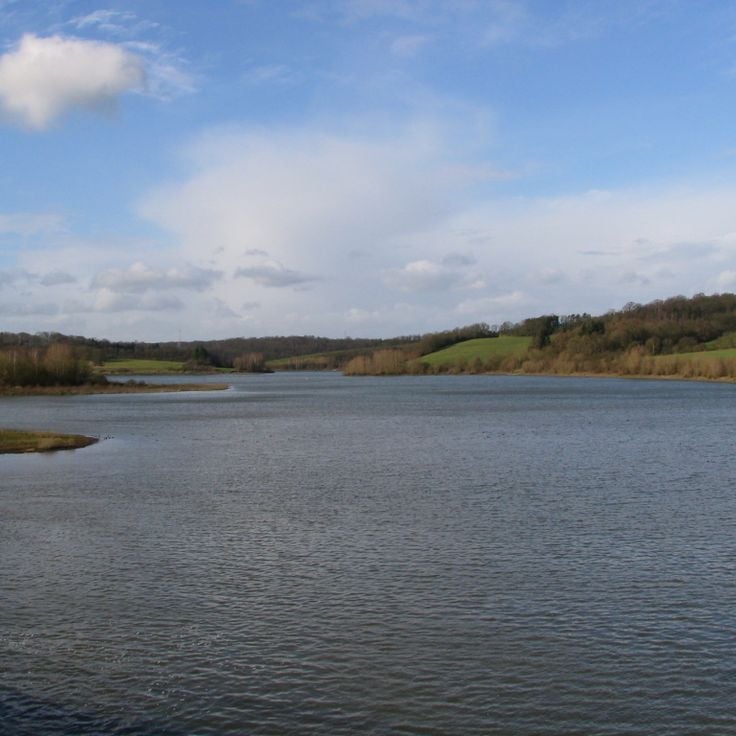
The lakes of Eau d'Heure are artificial reservoirs in Wallonia that offer water activities and natural surroundings. Created by dams, these lakes now define the landscape south of Froidchapelle. They invite visitors to sail, fish, and walk along the shorelines. The surrounding forests and meadows make these lakes an important place for recreation and outdoor enjoyment.
Dinant offers a boat journey on the Meuse between Dinant and Anseremme. The boat travels along the river as limestone cliffs rise steeply above the water and small villages sit in the valleys. The Meuse winds through the Ardennes landscape, showing the natural beauty of southern Belgium from the water. This is a peaceful way to experience the region's geography without walking.
The Cathedral of Notre-Dame in Tournai is a major religious building that holds UNESCO World Heritage status. It stands in the city center and draws attention with its five distinctive towers that rise above the rooflines. Inside, you see the Romanesque style with vaults and columns that create patterns of light and shadow. The cathedral was built and modified over many centuries, so different building styles are visible throughout. It remains a place where people gather to pray and experience the history of the region.
The Citadelle of Namur is one of Europe's largest fortifications, rising above the city of Namur and the meeting point of two rivers. It overlooks the historic city, the valleys of the Meuse, and provides views across the surrounding region. This fortress tells the story of Wallonia's past and invites visitors to walk through its walls and learn about the history of the area.
The Grand-Place of Mons is the main square at the heart of Hainaut and is surrounded by historic buildings that reflect centuries of Belgian history. This central plaza is where residents and visitors gather to experience the rhythm of city life. The architecture of the surrounding buildings tells of trade traditions and civic prosperity from earlier times. Along the sides of the square you will find cafes and shops where you can experience local life.
The Belfry of Mons is a tower that rises above the city and reflects its medieval heritage. This structure is part of the UNESCO World Heritage list and shows the architecture from a time when such towers represented the power and independence of cities. The Belfry dominates the skyline and serves as a landmark for anyone walking through Mons.
The Belfry of Tournai is a medieval tower that rises above the rooftops of the city. Built in the Middle Ages, it has shaped the look of Tournai for centuries and is listed as a UNESCO World Heritage Site. Visitors can climb the tower and look out over the surrounding streets and buildings from the top. The stonework is a reminder of how the city once organized its civic life around this central structure, which still stands today at the heart of the old town.
The Castle of Jehay stands in Amay on the Meuse and shows a building made from different times. The facades are decorated with sandstone and slate, giving the building a special look. The park surrounds the castle and offers areas to walk. This castle tells the story of Wallonia's past and is part of the collection of places that show the medieval history and the landscapes of southern Belgium.
Liège-Guillemins Station is the main gateway to the city of Liège. This building combines modern architecture with historical elements and serves as a key transportation hub for the region. From here, visitors can reach the historic center and explore the different landmarks that make up the city's character.
The center of Charleroi blends traces of its industrial past with contemporary street art. The city displays in its districts a mix of older buildings and newer artistic works that appear on facades and walls. Walking through the streets reveals both historic architecture and living art installations that shape the cityscape. Charleroi tells the story of its role as an industrial center and the artistic renewal the city is experiencing today.
The city center of Tournai shows the evolution of a medieval trading town through its buildings and streets. The cathedral rises above the city with five towers that can be seen from different angles. Stone bridges cross the Scheldt River, connecting different quarters of the old town. Medieval and Renaissance houses line the streets, and the former fortifications still mark the boundaries of the historic center. Walking through Tournai's center reveals how a river port developed over centuries into the city you see today.
The hydraulic boat lifts of the Canal du Centre were built in the 19th century to move vessels between different water levels along the canal. These structures use water pressure and counterweights to raise and lower boats smoothly. Walking around the site, you get a clear sense of how canal transport once worked in this part of Belgium. The lifts are listed as a UNESCO World Heritage Site and remain one of the few places where this type of mechanism can still be seen in its original setting.
The historic center of Namur reveals the old heart of the city with its streets, buildings, and medieval character. The old town sits where the Meuse and Sambre rivers meet and is watched over by the citadel. You will find Romanesque and Gothic churches here, traditional houses with stone decorations, and small squares where daily life happens. The river shapes how the city looks, and from many corners of the old town you can see the fortress rising on the hill.
The Château de Modave is a 17th-century fortress that rises above the Meuse valley. Its rooms display how the nobility lived, with furnishings, wall paintings, and decorative details spanning different periods. The castle opens onto views of the green hills and river landscape of the Ardennes. Walking through it connects you to the region's history and natural surroundings.
Bois du Cazier is a former coal mine in Marcinelle that is now a UNESCO World Heritage site. The site shows the long mining history of Wallonia and tells the story of work underground. The grounds can be visited and offer insights into the lives of miners, the technology of extraction, and the social changes linked to industry. The buildings and machinery on site bear witness to the important role mining played for this region.
The Château de Beloeil stands in the Hainaut region and tells the story of the southern Belgian nobility and their way of life. The French gardens surrounding the castle show how the aristocracy shaped the land around their homes. Inside, the rooms contain valuable furniture and artwork. This castle fits into the collection of Walloon places that span from the Middle Ages to modern times and help visitors understand the region.
The Waterloo battlefield is a historical site in southern Belgium that marks the decisive battle of 1815. The landscape still shows traces of those events. The Lion's Mound rises above the grounds and offers views across the vast area. Museums on the site tell the stories of soldiers, strategies, and the consequences of that day. Visitors can walk across the fields and understand how the battle unfolded. The battlefield connects the region's history with insight into an important European event.
The historic center of Liege shows the heart of the city with its riverbanks, squares, and old buildings. The structures come from different periods and shape how this Walloon city looks today. Medieval elements stand alongside architecture from later centuries. Walking through these streets, you pass churches, ancient homes, and public spaces that reflect the city's daily life. The layers of history become visible as you explore this area.
The Abbey of Villers-la-Ville is one of the largest Cistercian ruins in Belgium. Set in a green valley in Brabant wallon, the stone remains give a real sense of how monastic life was organized here during the Middle Ages. Visitors can walk through the old church, the cloister and the outbuildings, and see how the monks lived and worked across the centuries. The site is one of the places in Wallonia where the medieval past feels close.
The Citadel of Dinant is a fortress that rises above the town of Dinant and the Meuse valley. It was built in a strategic location to defend and control the region. From its walls, you can look down at the town below, its rooftops and streets, and the river flowing through the landscape. The citadel tells the story of a time when such structures were needed to protect people and trade. Today it stands as a place where you can see both the history and the natural landscape of Wallonia.
This castle rises above the town of Bouillon in Belgian Luxembourg and embodies the medieval heritage of Wallonia. The fortress sits on a rocky outcrop above the Semois river and displays construction from several centuries. The walls and towers tell the story of this strategically important stronghold. Visitors explore the rooms inside and enjoy views of the valley and the surrounding Ardennes landscape.
The Castle of La Roche-en-Ardenne stands as a medieval ruin perched on a rocky outcrop above the Ourthe River gorge. From this vantage point, visitors overlook the forested hills and the river's winding path through the valley. The castle was destroyed and rebuilt several times throughout the centuries. Today, people can explore the remaining structures and enjoy views across the surrounding Ardennes landscape.
The Château de Vêves in Celles is one of Wallonia's castles that reflects the medieval history of this region in southern Belgium. This castle shows visitors how noble families lived in the Ardennes through its towers and distinctive architecture. It stands as a remnant of the region's feudal past and offers insights into life during that era.
The Château de Lavaux-Sainte-Anne near Rochefort displays the medieval architecture and history of Wallonia. The castle was built over centuries and today holds collections within its rooms. The walls and towers tell the story of the region's past, while the interior spaces offer insights into the lives of earlier inhabitants.
Fort d'Eben-Emael is a fortress with underground galleries that visitors can explore. Located in the Liège region, it tells the story of Belgium's military past. The fort was built to protect the border and now houses a museum. Walking through its underground passages gives you a sense of how soldiers lived and worked in this place.
Celles is a village in Wallonia that reflects the character of southern Belgium. The castle in the village speaks to the medieval past of the region, while narrow streets wind between buildings that hold the mark of earlier times. The surrounding landscape of forests and river valleys matches the wooded hills that shape Wallonian geography.
Dinant sits along the Meuse River and is a town with deep historical roots. The collegiate church of Notre-Dame dominates the townscape with its Gothic style. The town spreads along the river, with narrow streets and old buildings that speak of its past. Dinant was known for its copperwork and brass instruments. Visitors find here medieval structures combined with natural beauty.
The birthplace of Adolphe Sax in Dinant tells the story of the inventor of the saxophone. This house is where the musician grew up and developed the instrument that changed music around the world. Inside you will find exhibits about his life and work. Walking through these rooms helps you understand how a young man from Wallonia became an important musical innovator.
The Grottes de Han are an underground cave system beneath the village of Han-sur-Lesse in Wallonia. This network of galleries displays stalactites, stalagmites, and other mineral formations that have developed over thousands of years. These caves rank among the region's most significant geological sites and reveal how water and limestone have shaped the landscape of southern Belgium. Visitors walk through the subterranean chambers and witness the slow work of nature carved into rock.
Château de Reinhardstein is a restored medieval castle set in the eastern Ardennes. It shows the history of the region through its architecture and location. The castle offers views over the surrounding landscape and tells the story of Wallonia's past. Visitors can explore the old walls and learn about medieval life in the area.
The Annevoie Gardens are historic water gardens located near Namur. They showcase how water and plants have been arranged to create beautiful outdoor spaces. Fountains and ponds shape the character of these grounds. The gardens invite visitors to walk through and offer a glimpse into how gardens were designed in earlier centuries.
Durbuy sits in the Ourthe valley and is one of the oldest towns in Wallonia. Its narrow streets run between stone buildings that have stood for centuries. Small shops, cafés and restaurants line the cobbled lanes where daily life plays out at an easy pace. Walking through Durbuy gives a clear sense of what a historic Walloon town looks and feels like.
The Hergé Museum in Louvain-la-Neuve tells the story of Hergé and his creation, Tintin. The museum displays original drawings, manuscripts, and objects that show how this comic series developed over time. Visitors can see the artistic work behind the adventures of the young reporter and learn how Hergé shaped the world of comics.
The Grottes de Remouchamps are limestone caves that extend underground and contain a subterranean lake. Visitors walk through natural passages and can take a boat ride on the water to explore the cave from within. The caves display stone formations that have developed over a long period. Located near Aywaille in the Liege region, they reveal the geological history of the Ardennes.
The Hautes Fagnes Natural Park is a special landscape in the Ardennes with peatlands and viewpoints. This park is part of Wallonia's natural treasures, which alternate between forested hills, waterways, and limestone caves. The Hautes Fagnes shows the geographic variety of the region and is a place for hiking and observing nature.
Crupet is a small village in the Walloon countryside, not far from Namur. Its stone houses, old mill, and medieval tower rising above the stream give the place a feel that is easy to notice on foot. Nearby, the Grotto of Saint Anthony is carved into the limestone rock, a reminder of how faith and local landscape have long been connected in this part of Belgium.
The Cascade de Coo is a waterfall in the Ardennes region that forms a natural landmark. Water falls over rocks creating a dramatic flow. This waterfall fits within Wallonia's landscape, where rivers like the Meuse shape the terrain. The Ardennes are known for their forested hills and flowing water.
The Domaine des Grottes de Han in Han-sur-Lesse is an animal park where creatures live in semi-open conditions. The park sits within the natural setting of Wallonia, where caves, rivers, and forested hills shape the landscape. This place lets visitors experience the wildlife of the region while exploring the geological features of the Ardennes.
Orval Abbey is an active Trappist monastery in Wallonia, drawing visitors with its ruins and brewery. The monastery shows the region's religious history, while the brewery keeps local traditions alive. The buildings tell the story of centuries of monastic life, and the surroundings offer space for quiet reflection.
The Grotte de Lorette in Rochefort is one of the natural wonders of Wallonia. This cave impresses with its underground limestone formations that developed over thousands of years. A visit takes you through narrow passages and open chambers where stalactites and stalagmites appear. The cave is easy to access and offers insight into the geological history of the region. It fits perfectly into exploring Wallonia, where nature and history are closely linked.
Signal de Botrange is Belgium's highest point, located in the Hautes Fagnes. From this spot, you can look out over the plateau, which is covered with moorland and low vegetation. The landscape feels open and windswept, with broad horizons stretching in every direction. Hikers come here to experience the nature of the Ardennes and to enjoy the views from this geographical landmark.
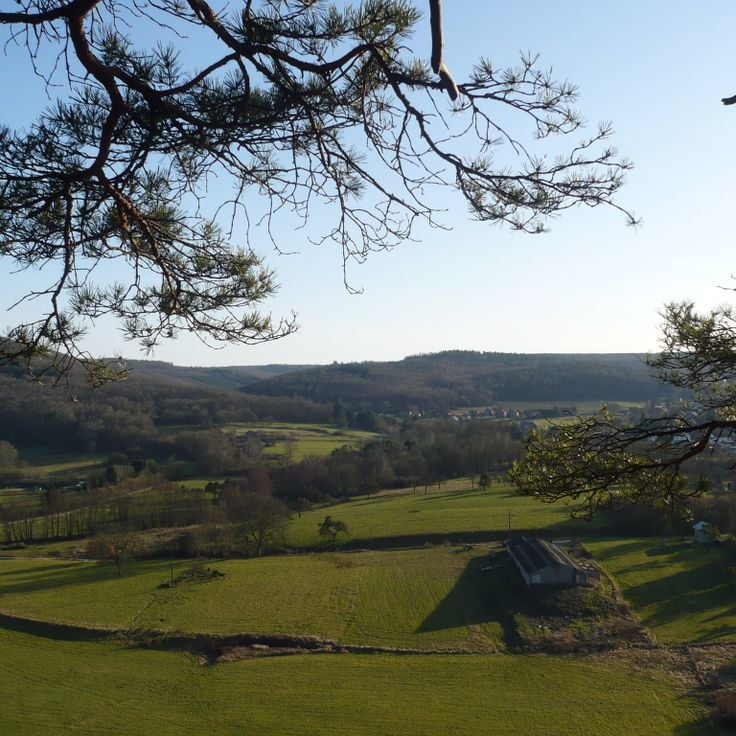
The Semois Valley is located in the Ardennes and represents the natural landscapes that characterize southern Belgium. This valley features walking routes that wind through forested hills and offer views of the river landscape. Visitors can explore the terrain on foot, experiencing the rhythm of the forest and the water.
The Giant's Tomb at Botassart offers a vantage point over the Semois Valley. From this overlook, visitors can see the green hillsides and the river's winding course below. The location is surrounded by walking trails and shows the natural landscape of the Ardennes. From here, you can observe how the Semois flows through the valley and shapes the surrounding terrain.
The Mémorial du Mardasson in Bastogne is a monument dedicated to the Battle of the Ardennes. It honors the soldiers who fought here during World War II. This site stands in a region defined by historical centers, castles, and natural landscapes. Bastogne holds an important place in the history of Wallonia, and visiting it helps you understand the region through its varied heritage and stories.
The Viroin-Hermeton natural park sits near Couvin and shows the natural character of southern Belgium. The park spreads across valleys and villages that shape the landscape of Wallonia. Here you find river courses, wooded hills, and limestone cliffs. The area invites walking and offers places to discover the nature and rural villages that are part of the Walloon heritage.
The Abbaye de Maredsous is a Benedictine monastery in Denée that welcomes visitors with its products and walking trails. The monastery sits within the Walloon landscape, combining religious heritage with nature. Visitors can explore the grounds, discover the monastery's architecture, and learn about the goods produced by the monks.
Floreffe Abbey is a monastery in Wallonia with a long history. The buildings show architecture from different periods. Visitors can explore the grounds and join guided tours to learn about the monks' lives and how the abbey developed over time. The rooms tell stories of craftsmanship, farming, and spiritual practice.
The Bastogne War Museum tells the story of World War II and the Battle of the Ardennes. It shows how this battle changed the course of the war and affected the region. The museum helps visitors understand what happened in this part of Belgium at that time.
Le Grand-Hornu is a former mining site in Belgium that has become a space for contemporary art. The location shows the industrial history of the region and was recognized by UNESCO. Today, visitors can explore the grounds, see the old buildings, and discover contemporary art exhibitions.
Pairi Daiza in Brugelette is a large animal park and botanical garden that takes visitors on a journey through different habitats of the world. The park is home to animals from Africa, Asia, and other continents living in natural settings. With its lakes, bridges, and carefully designed landscapes, this place offers a day full of discovery for families. The site brings together a passion for animals with a love of nature and garden design.
Blegny-Mine is a coal mine where visitors can walk through underground tunnels and galleries. The site shows how miners worked and what daily life was like in the depths. This mine is part of Wallonia's industrial heritage and reveals the hard labor that shaped the region.
Stavelot Abbey is one of the oldest religious sites in Wallonia. Founded in the 7th century, it played a central role in the religious and daily life of the region for hundreds of years. Today, the abbey houses several museums where visitors can see medieval artworks, religious objects, and documents that trace the lives of the monks who once lived here. Walking through its stone buildings gives a real sense of the long history of this place.
The lakes of Eau d'Heure are artificial reservoirs in Wallonia that offer water activities and natural surroundings. Created by dams, these lakes now define the landscape south of Froidchapelle. They invite visitors to sail, fish, and walk along the shorelines. The surrounding forests and meadows make these lakes an important place for recreation and outdoor enjoyment.
Dinant offers a boat journey on the Meuse between Dinant and Anseremme. The boat travels along the river as limestone cliffs rise steeply above the water and small villages sit in the valleys. The Meuse winds through the Ardennes landscape, showing the natural beauty of southern Belgium from the water. This is a peaceful way to experience the region's geography without walking.
The Cathedral of Notre-Dame in Tournai is a major religious building that holds UNESCO World Heritage status. It stands in the city center and draws attention with its five distinctive towers that rise above the rooflines. Inside, you see the Romanesque style with vaults and columns that create patterns of light and shadow. The cathedral was built and modified over many centuries, so different building styles are visible throughout. It remains a place where people gather to pray and experience the history of the region.
The Citadelle of Namur is one of Europe's largest fortifications, rising above the city of Namur and the meeting point of two rivers. It overlooks the historic city, the valleys of the Meuse, and provides views across the surrounding region. This fortress tells the story of Wallonia's past and invites visitors to walk through its walls and learn about the history of the area.
The Grand-Place of Mons is the main square at the heart of Hainaut and is surrounded by historic buildings that reflect centuries of Belgian history. This central plaza is where residents and visitors gather to experience the rhythm of city life. The architecture of the surrounding buildings tells of trade traditions and civic prosperity from earlier times. Along the sides of the square you will find cafes and shops where you can experience local life.
The Belfry of Mons is a tower that rises above the city and reflects its medieval heritage. This structure is part of the UNESCO World Heritage list and shows the architecture from a time when such towers represented the power and independence of cities. The Belfry dominates the skyline and serves as a landmark for anyone walking through Mons.
The Belfry of Tournai is a medieval tower that rises above the rooftops of the city. Built in the Middle Ages, it has shaped the look of Tournai for centuries and is listed as a UNESCO World Heritage Site. Visitors can climb the tower and look out over the surrounding streets and buildings from the top. The stonework is a reminder of how the city once organized its civic life around this central structure, which still stands today at the heart of the old town.
The Castle of Jehay stands in Amay on the Meuse and shows a building made from different times. The facades are decorated with sandstone and slate, giving the building a special look. The park surrounds the castle and offers areas to walk. This castle tells the story of Wallonia's past and is part of the collection of places that show the medieval history and the landscapes of southern Belgium.
Liège-Guillemins Station is the main gateway to the city of Liège. This building combines modern architecture with historical elements and serves as a key transportation hub for the region. From here, visitors can reach the historic center and explore the different landmarks that make up the city's character.
The center of Charleroi blends traces of its industrial past with contemporary street art. The city displays in its districts a mix of older buildings and newer artistic works that appear on facades and walls. Walking through the streets reveals both historic architecture and living art installations that shape the cityscape. Charleroi tells the story of its role as an industrial center and the artistic renewal the city is experiencing today.
The city center of Tournai shows the evolution of a medieval trading town through its buildings and streets. The cathedral rises above the city with five towers that can be seen from different angles. Stone bridges cross the Scheldt River, connecting different quarters of the old town. Medieval and Renaissance houses line the streets, and the former fortifications still mark the boundaries of the historic center. Walking through Tournai's center reveals how a river port developed over centuries into the city you see today.
The hydraulic boat lifts of the Canal du Centre were built in the 19th century to move vessels between different water levels along the canal. These structures use water pressure and counterweights to raise and lower boats smoothly. Walking around the site, you get a clear sense of how canal transport once worked in this part of Belgium. The lifts are listed as a UNESCO World Heritage Site and remain one of the few places where this type of mechanism can still be seen in its original setting.
The historic center of Namur reveals the old heart of the city with its streets, buildings, and medieval character. The old town sits where the Meuse and Sambre rivers meet and is watched over by the citadel. You will find Romanesque and Gothic churches here, traditional houses with stone decorations, and small squares where daily life happens. The river shapes how the city looks, and from many corners of the old town you can see the fortress rising on the hill.
The Château de Modave is a 17th-century fortress that rises above the Meuse valley. Its rooms display how the nobility lived, with furnishings, wall paintings, and decorative details spanning different periods. The castle opens onto views of the green hills and river landscape of the Ardennes. Walking through it connects you to the region's history and natural surroundings.
Bois du Cazier is a former coal mine in Marcinelle that is now a UNESCO World Heritage site. The site shows the long mining history of Wallonia and tells the story of work underground. The grounds can be visited and offer insights into the lives of miners, the technology of extraction, and the social changes linked to industry. The buildings and machinery on site bear witness to the important role mining played for this region.
The Château de Beloeil stands in the Hainaut region and tells the story of the southern Belgian nobility and their way of life. The French gardens surrounding the castle show how the aristocracy shaped the land around their homes. Inside, the rooms contain valuable furniture and artwork. This castle fits into the collection of Walloon places that span from the Middle Ages to modern times and help visitors understand the region.
The Waterloo battlefield is a historical site in southern Belgium that marks the decisive battle of 1815. The landscape still shows traces of those events. The Lion's Mound rises above the grounds and offers views across the vast area. Museums on the site tell the stories of soldiers, strategies, and the consequences of that day. Visitors can walk across the fields and understand how the battle unfolded. The battlefield connects the region's history with insight into an important European event.
The historic center of Liege shows the heart of the city with its riverbanks, squares, and old buildings. The structures come from different periods and shape how this Walloon city looks today. Medieval elements stand alongside architecture from later centuries. Walking through these streets, you pass churches, ancient homes, and public spaces that reflect the city's daily life. The layers of history become visible as you explore this area.
The Abbey of Villers-la-Ville is one of the largest Cistercian ruins in Belgium. Set in a green valley in Brabant wallon, the stone remains give a real sense of how monastic life was organized here during the Middle Ages. Visitors can walk through the old church, the cloister and the outbuildings, and see how the monks lived and worked across the centuries. The site is one of the places in Wallonia where the medieval past feels close.
The Citadel of Dinant is a fortress that rises above the town of Dinant and the Meuse valley. It was built in a strategic location to defend and control the region. From its walls, you can look down at the town below, its rooftops and streets, and the river flowing through the landscape. The citadel tells the story of a time when such structures were needed to protect people and trade. Today it stands as a place where you can see both the history and the natural landscape of Wallonia.
This castle rises above the town of Bouillon in Belgian Luxembourg and embodies the medieval heritage of Wallonia. The fortress sits on a rocky outcrop above the Semois river and displays construction from several centuries. The walls and towers tell the story of this strategically important stronghold. Visitors explore the rooms inside and enjoy views of the valley and the surrounding Ardennes landscape.
The Castle of La Roche-en-Ardenne stands as a medieval ruin perched on a rocky outcrop above the Ourthe River gorge. From this vantage point, visitors overlook the forested hills and the river's winding path through the valley. The castle was destroyed and rebuilt several times throughout the centuries. Today, people can explore the remaining structures and enjoy views across the surrounding Ardennes landscape.
The Château de Vêves in Celles is one of Wallonia's castles that reflects the medieval history of this region in southern Belgium. This castle shows visitors how noble families lived in the Ardennes through its towers and distinctive architecture. It stands as a remnant of the region's feudal past and offers insights into life during that era.
The Château de Lavaux-Sainte-Anne near Rochefort displays the medieval architecture and history of Wallonia. The castle was built over centuries and today holds collections within its rooms. The walls and towers tell the story of the region's past, while the interior spaces offer insights into the lives of earlier inhabitants.
Fort d'Eben-Emael is a fortress with underground galleries that visitors can explore. Located in the Liège region, it tells the story of Belgium's military past. The fort was built to protect the border and now houses a museum. Walking through its underground passages gives you a sense of how soldiers lived and worked in this place.
Celles is a village in Wallonia that reflects the character of southern Belgium. The castle in the village speaks to the medieval past of the region, while narrow streets wind between buildings that hold the mark of earlier times. The surrounding landscape of forests and river valleys matches the wooded hills that shape Wallonian geography.
Dinant sits along the Meuse River and is a town with deep historical roots. The collegiate church of Notre-Dame dominates the townscape with its Gothic style. The town spreads along the river, with narrow streets and old buildings that speak of its past. Dinant was known for its copperwork and brass instruments. Visitors find here medieval structures combined with natural beauty.
The birthplace of Adolphe Sax in Dinant tells the story of the inventor of the saxophone. This house is where the musician grew up and developed the instrument that changed music around the world. Inside you will find exhibits about his life and work. Walking through these rooms helps you understand how a young man from Wallonia became an important musical innovator.
The Grottes de Han are an underground cave system beneath the village of Han-sur-Lesse in Wallonia. This network of galleries displays stalactites, stalagmites, and other mineral formations that have developed over thousands of years. These caves rank among the region's most significant geological sites and reveal how water and limestone have shaped the landscape of southern Belgium. Visitors walk through the subterranean chambers and witness the slow work of nature carved into rock.
Château de Reinhardstein is a restored medieval castle set in the eastern Ardennes. It shows the history of the region through its architecture and location. The castle offers views over the surrounding landscape and tells the story of Wallonia's past. Visitors can explore the old walls and learn about medieval life in the area.
The Annevoie Gardens are historic water gardens located near Namur. They showcase how water and plants have been arranged to create beautiful outdoor spaces. Fountains and ponds shape the character of these grounds. The gardens invite visitors to walk through and offer a glimpse into how gardens were designed in earlier centuries.
Durbuy sits in the Ourthe valley and is one of the oldest towns in Wallonia. Its narrow streets run between stone buildings that have stood for centuries. Small shops, cafés and restaurants line the cobbled lanes where daily life plays out at an easy pace. Walking through Durbuy gives a clear sense of what a historic Walloon town looks and feels like.
The Hergé Museum in Louvain-la-Neuve tells the story of Hergé and his creation, Tintin. The museum displays original drawings, manuscripts, and objects that show how this comic series developed over time. Visitors can see the artistic work behind the adventures of the young reporter and learn how Hergé shaped the world of comics.
The Grottes de Remouchamps are limestone caves that extend underground and contain a subterranean lake. Visitors walk through natural passages and can take a boat ride on the water to explore the cave from within. The caves display stone formations that have developed over a long period. Located near Aywaille in the Liege region, they reveal the geological history of the Ardennes.
The Hautes Fagnes Natural Park is a special landscape in the Ardennes with peatlands and viewpoints. This park is part of Wallonia's natural treasures, which alternate between forested hills, waterways, and limestone caves. The Hautes Fagnes shows the geographic variety of the region and is a place for hiking and observing nature.
Crupet is a small village in the Walloon countryside, not far from Namur. Its stone houses, old mill, and medieval tower rising above the stream give the place a feel that is easy to notice on foot. Nearby, the Grotto of Saint Anthony is carved into the limestone rock, a reminder of how faith and local landscape have long been connected in this part of Belgium.
The Cascade de Coo is a waterfall in the Ardennes region that forms a natural landmark. Water falls over rocks creating a dramatic flow. This waterfall fits within Wallonia's landscape, where rivers like the Meuse shape the terrain. The Ardennes are known for their forested hills and flowing water.
The Domaine des Grottes de Han in Han-sur-Lesse is an animal park where creatures live in semi-open conditions. The park sits within the natural setting of Wallonia, where caves, rivers, and forested hills shape the landscape. This place lets visitors experience the wildlife of the region while exploring the geological features of the Ardennes.
Orval Abbey is an active Trappist monastery in Wallonia, drawing visitors with its ruins and brewery. The monastery shows the region's religious history, while the brewery keeps local traditions alive. The buildings tell the story of centuries of monastic life, and the surroundings offer space for quiet reflection.
The Grotte de Lorette in Rochefort is one of the natural wonders of Wallonia. This cave impresses with its underground limestone formations that developed over thousands of years. A visit takes you through narrow passages and open chambers where stalactites and stalagmites appear. The cave is easy to access and offers insight into the geological history of the region. It fits perfectly into exploring Wallonia, where nature and history are closely linked.
Signal de Botrange is Belgium's highest point, located in the Hautes Fagnes. From this spot, you can look out over the plateau, which is covered with moorland and low vegetation. The landscape feels open and windswept, with broad horizons stretching in every direction. Hikers come here to experience the nature of the Ardennes and to enjoy the views from this geographical landmark.
The Semois Valley is located in the Ardennes and represents the natural landscapes that characterize southern Belgium. This valley features walking routes that wind through forested hills and offer views of the river landscape. Visitors can explore the terrain on foot, experiencing the rhythm of the forest and the water.
The Giant's Tomb at Botassart offers a vantage point over the Semois Valley. From this overlook, visitors can see the green hillsides and the river's winding course below. The location is surrounded by walking trails and shows the natural landscape of the Ardennes. From here, you can observe how the Semois flows through the valley and shapes the surrounding terrain.
The Mémorial du Mardasson in Bastogne is a monument dedicated to the Battle of the Ardennes. It honors the soldiers who fought here during World War II. This site stands in a region defined by historical centers, castles, and natural landscapes. Bastogne holds an important place in the history of Wallonia, and visiting it helps you understand the region through its varied heritage and stories.
The Viroin-Hermeton natural park sits near Couvin and shows the natural character of southern Belgium. The park spreads across valleys and villages that shape the landscape of Wallonia. Here you find river courses, wooded hills, and limestone cliffs. The area invites walking and offers places to discover the nature and rural villages that are part of the Walloon heritage.
The Abbaye de Maredsous is a Benedictine monastery in Denée that welcomes visitors with its products and walking trails. The monastery sits within the Walloon landscape, combining religious heritage with nature. Visitors can explore the grounds, discover the monastery's architecture, and learn about the goods produced by the monks.
Floreffe Abbey is a monastery in Wallonia with a long history. The buildings show architecture from different periods. Visitors can explore the grounds and join guided tours to learn about the monks' lives and how the abbey developed over time. The rooms tell stories of craftsmanship, farming, and spiritual practice.
The Bastogne War Museum tells the story of World War II and the Battle of the Ardennes. It shows how this battle changed the course of the war and affected the region. The museum helps visitors understand what happened in this part of Belgium at that time.
Le Grand-Hornu is a former mining site in Belgium that has become a space for contemporary art. The location shows the industrial history of the region and was recognized by UNESCO. Today, visitors can explore the grounds, see the old buildings, and discover contemporary art exhibitions.
Pairi Daiza in Brugelette is a large animal park and botanical garden that takes visitors on a journey through different habitats of the world. The park is home to animals from Africa, Asia, and other continents living in natural settings. With its lakes, bridges, and carefully designed landscapes, this place offers a day full of discovery for families. The site brings together a passion for animals with a love of nature and garden design.
Blegny-Mine is a coal mine where visitors can walk through underground tunnels and galleries. The site shows how miners worked and what daily life was like in the depths. This mine is part of Wallonia's industrial heritage and reveals the hard labor that shaped the region.
Stavelot Abbey is one of the oldest religious sites in Wallonia. Founded in the 7th century, it played a central role in the religious and daily life of the region for hundreds of years. Today, the abbey houses several museums where visitors can see medieval artworks, religious objects, and documents that trace the lives of the monks who once lived here. Walking through its stone buildings gives a real sense of the long history of this place.
The lakes of Eau d'Heure are artificial reservoirs in Wallonia that offer water activities and natural surroundings. Created by dams, these lakes now define the landscape south of Froidchapelle. They invite visitors to sail, fish, and walk along the shorelines. The surrounding forests and meadows make these lakes an important place for recreation and outdoor enjoyment.
Dinant offers a boat journey on the Meuse between Dinant and Anseremme. The boat travels along the river as limestone cliffs rise steeply above the water and small villages sit in the valleys. The Meuse winds through the Ardennes landscape, showing the natural beauty of southern Belgium from the water. This is a peaceful way to experience the region's geography without walking.
Visit Wallonia through the seasons: spring has blooming gardens, fall colors the Ardennes in warm shades. To enjoy it best, avoid busy times in July and August and choose May, September or October.