Liège, Municipal capital city in Wallonia, Belgium
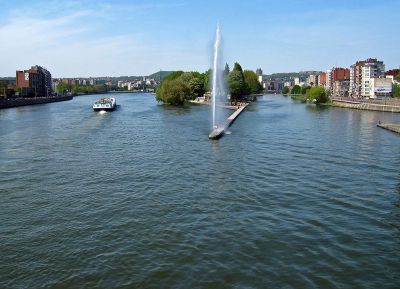
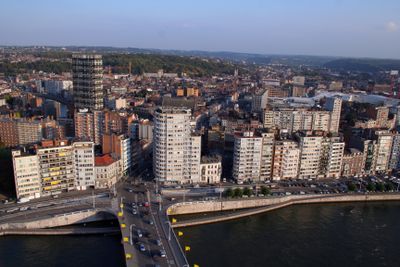
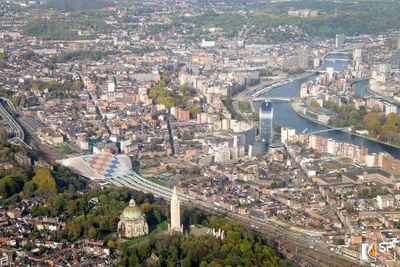
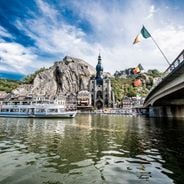
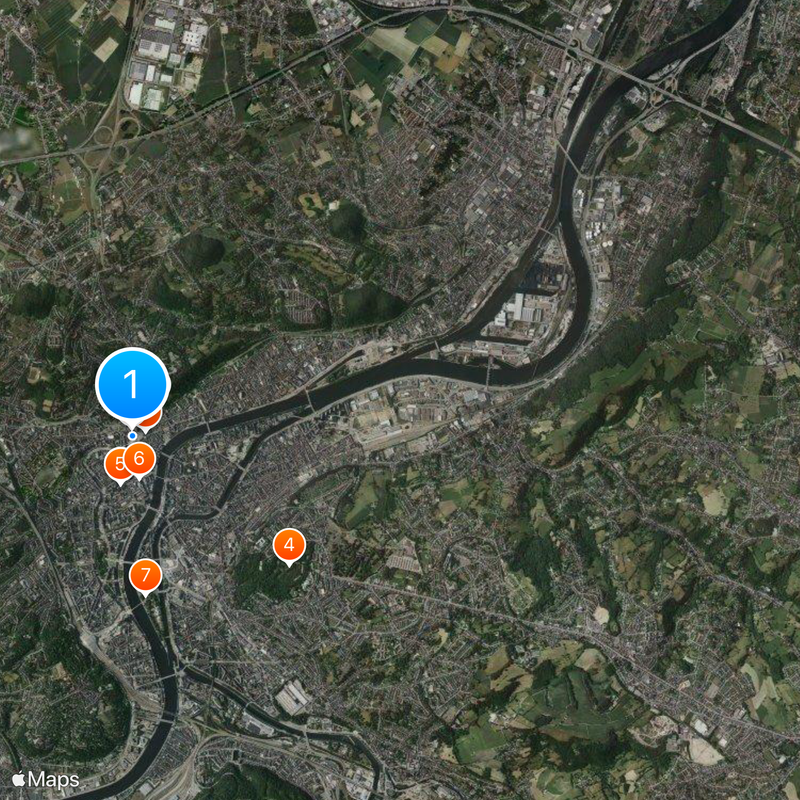
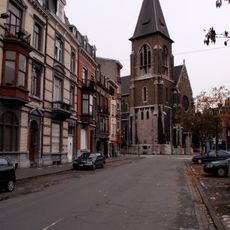
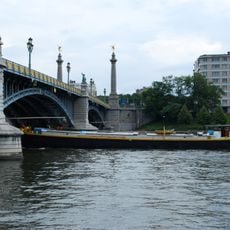
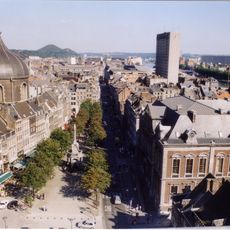
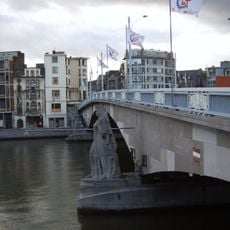
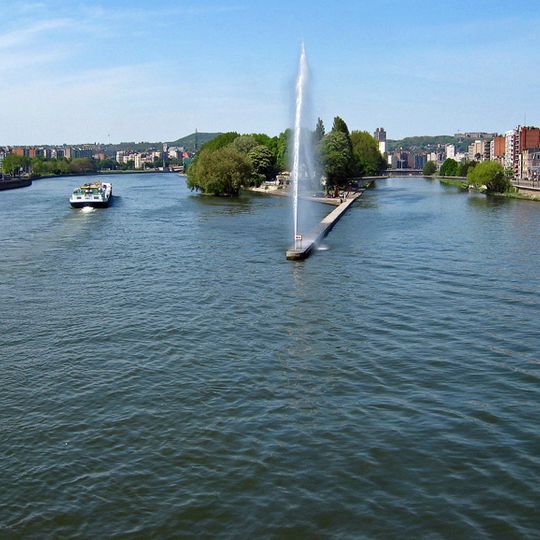
Liège is the capital of the Belgian province of Liège and spreads across the river valleys of the Meuse and Ourthe in Wallonia. The city sits in a basin surrounded by hills and crossed by several waterways that separate and link different neighborhoods.
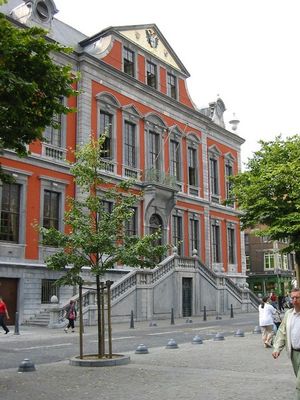
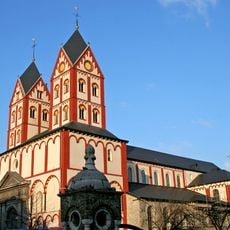
The city grew from the early Middle Ages as the seat of prince-bishops and remained an independent ecclesiastical principality until the French Revolution. After 1815, it became part of the Netherlands and later Belgium, with coal mining and heavy industry becoming the main economic drivers for the region.
The La Batte market runs along the Meuse every Sunday morning and draws families from across the region to buy local produce, textiles and household goods. Liégeoise waffles originate from this city and differ from Brussels waffles through their dense texture and embedded sugar crystals.
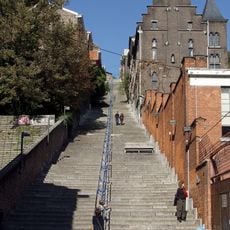
The center is walkable, with most points of interest concentrated in the old town and along the river. Streets climb steeply toward the higher neighborhoods, so comfortable footwear helps when walking for longer periods.
Beneath the city center lies a network of medieval cellars and underground passages, some of which open for guided visits. The public drinking water system still draws from natural springs in the surrounding hills.
The community of curious travelers
AroundUs brings together thousands of curated places, local tips, and hidden gems, enriched daily by 90,825 contributors worldwide.