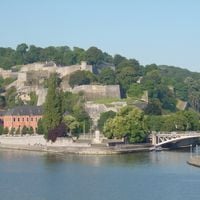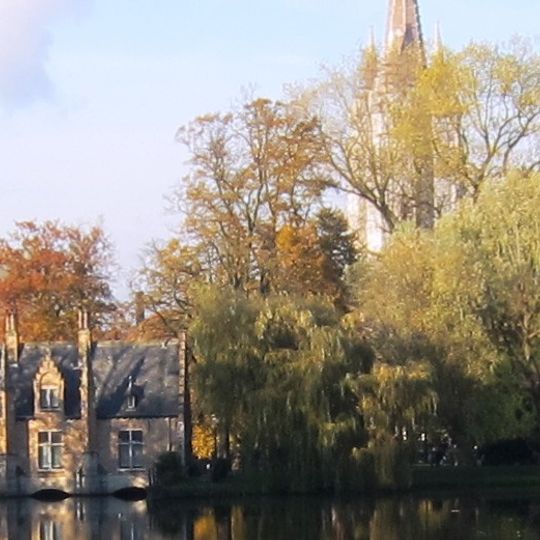
Belgium, Federal constitutional monarchy in Western Europe.
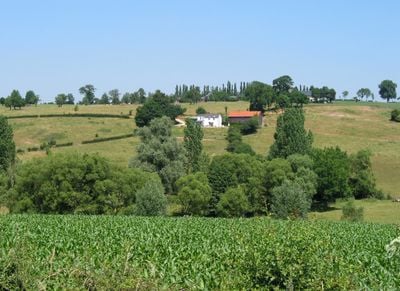
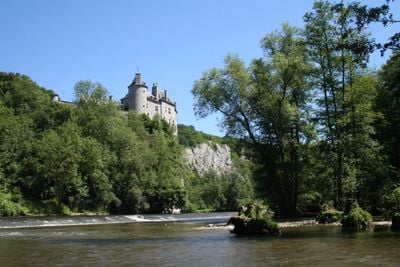
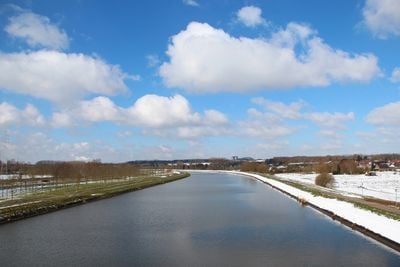
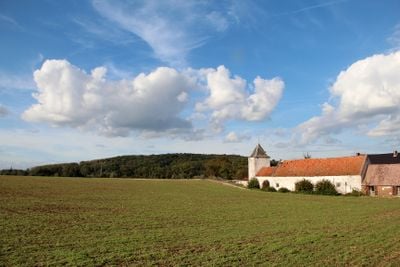
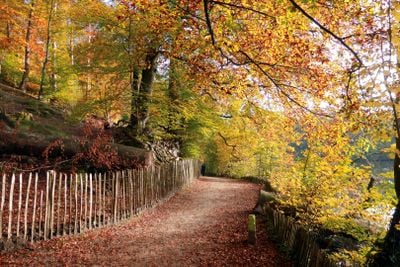
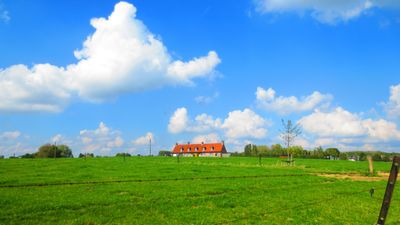
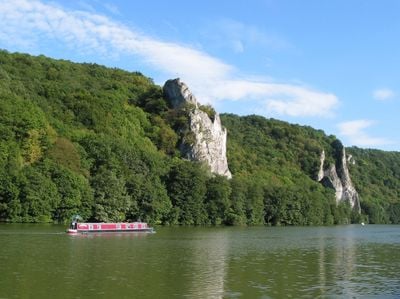
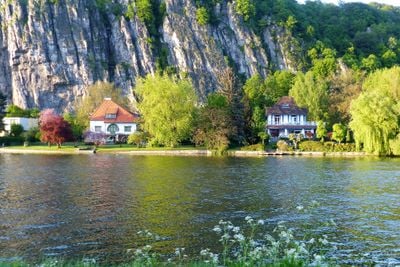
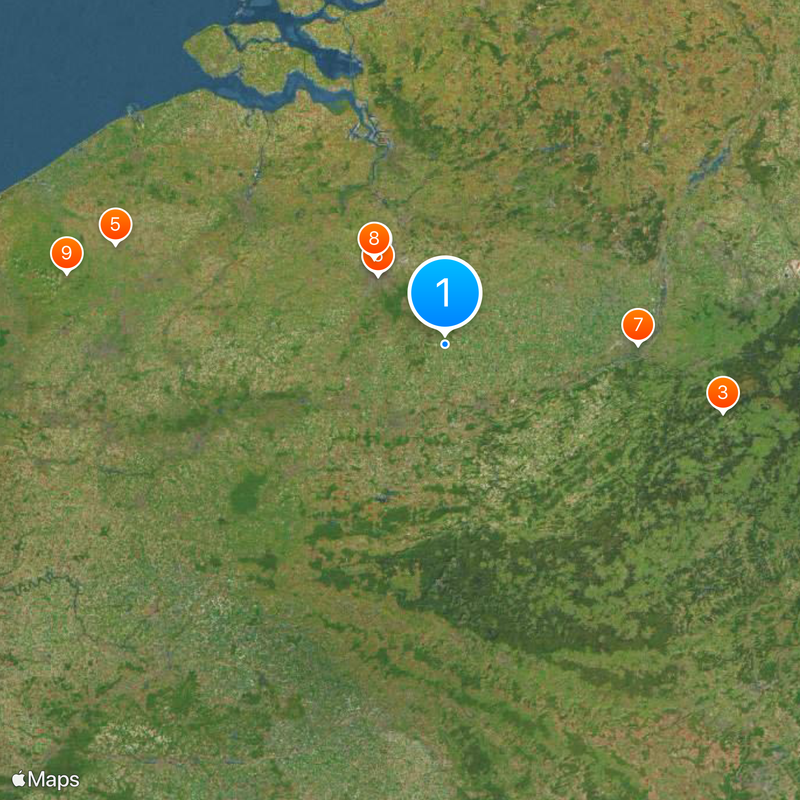
This nation divides into three regions with separate governments: the Dutch-speaking north occupies the plains, the French-speaking south covers the hills and forests of the Ardennes, and the bilingual capital forms a metropolitan area in between. Regional boundaries follow linguistic lines that developed over centuries.
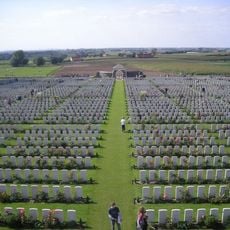
The territory formed in 1830 after a revolution broke away from the Netherlands and became a constitutional monarchy under Leopold I. Its location between major powers made it the site of two world wars, whose destruction shaped reconstruction and later tensions between linguistic groups.
The northern and southern parts maintain different traditions in festivals and daily habits. While carnival celebrations in the Dutch-speaking areas feature Flemish folk songs and historical parades, the French-speaking south observes its own holidays and regional dialects, heard on street corners and at local markets.
Travelers across the territory encounter different signage and place names depending on the region. Signs appear in Dutch in the north, French in the south, and the capital uses bilingual markers throughout.
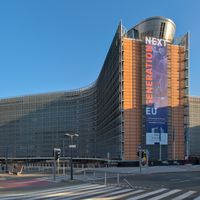
The government system distributes power across six separate parliaments, each managing different jurisdictions. Ministers sometimes move between different parliamentary chambers on the same day to serve their various roles, as they can hold multiple offices at once.
The community of curious travelers
AroundUs brings together thousands of curated places, local tips, and hidden gems, enriched daily by 90,800 contributors worldwide.