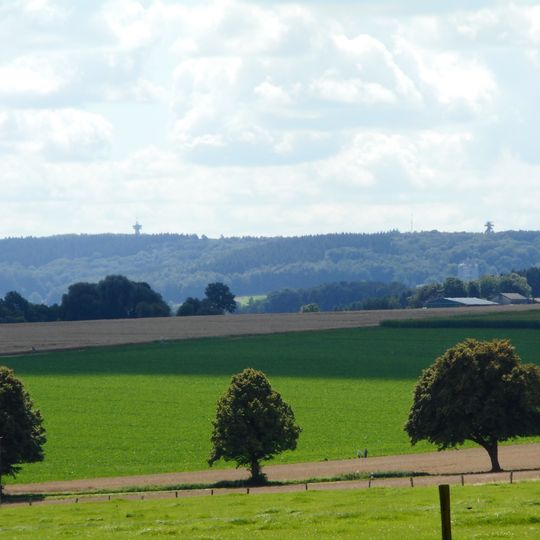
Vaalserberg, Summit and tripoint at Vaals, Netherlands
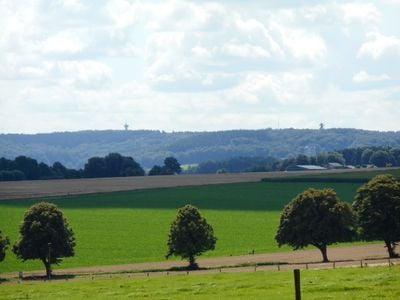
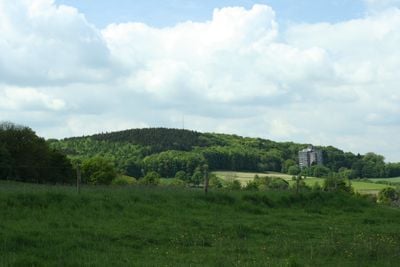
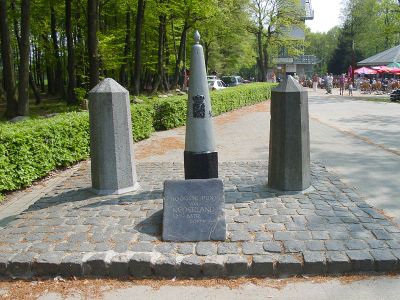
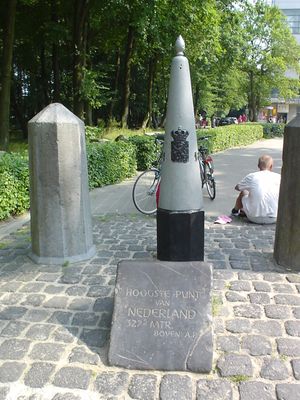
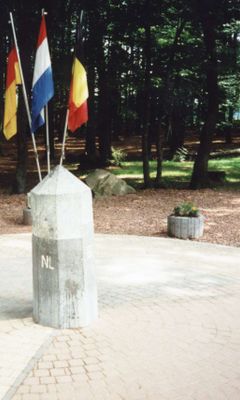
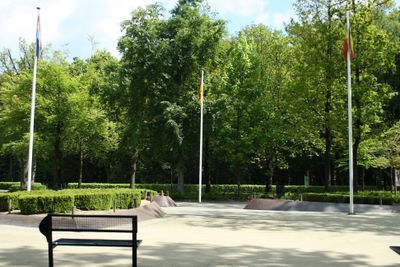
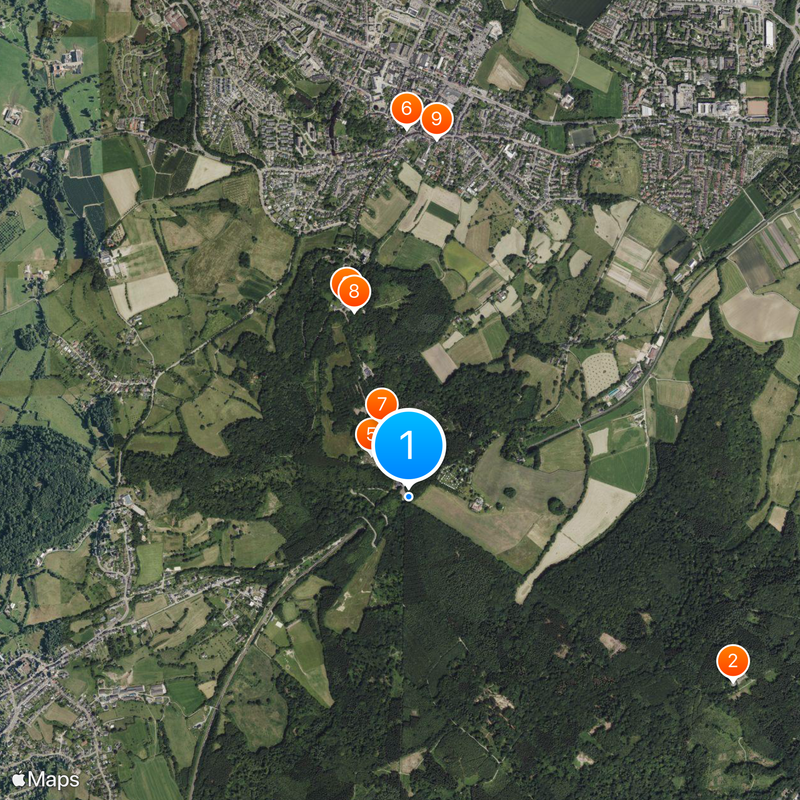
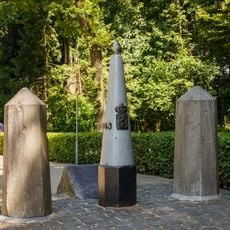
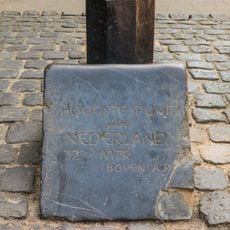
The summit rises to 322 meters above sea level, forming the highest point on the Dutch mainland near the borders with Germany and Belgium. Marker stones and panels show the exact line where the three territories meet, while paths from all sides lead to the top.
Between 1830 and 1919, this site formed a four-country meeting point that included the neutral territory of Moresnet alongside the Netherlands, Belgium, and Germany. After World War I, the neutral area was assigned to Belgium and the junction became a tripoint.
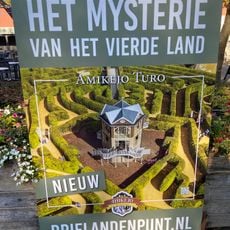
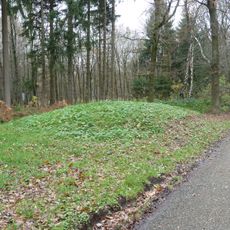
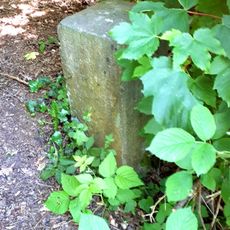
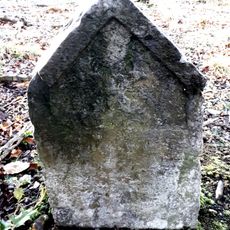
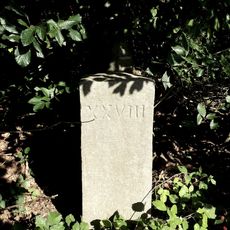
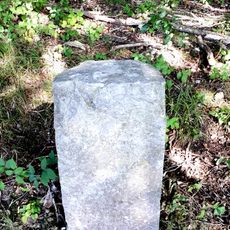
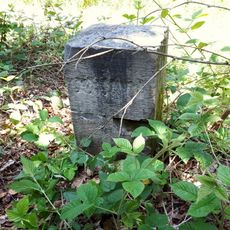
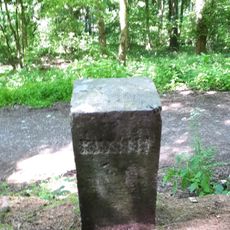
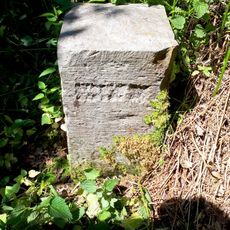
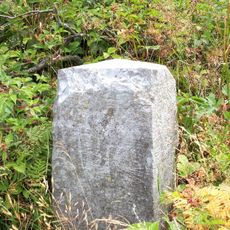
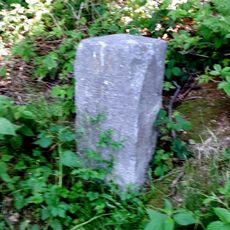
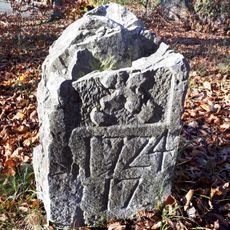
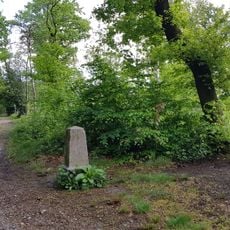
The hill takes its name from the village of Vaals; "berg" is simply the Dutch word for hill, not a German term. Near the summit, the Aachener Landgraben, a boundary earthwork dug in the 14th century for the Realm of Aachen, still runs parallel to the road, and old boundary stones stand in the adjoining Aachen forest. In 2025 Esperantists proposed renaming the hill Monto Zamenhof, recalling Amikejo, the Esperanto state once envisaged in Neutral Moresnet.
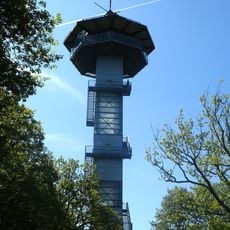
The Wilhelminatoren on the Dutch side has a lift and a glass floor; the Boudewijntoren on the Belgian side is 50 metres tall. Marked long-distance trails cross the hill, including the GR128, GR56 and Dutch Mountain Trail. The Gemmenicher Tunnel carries a freight-only railway 140 metres south of the tripoint.
A maze of border stones and metal plaques documents the complex history of shifting territories that once united four nations at one point. Visitors can stand in three countries at once by placing their feet on the marked lines.
The community of curious travelers
AroundUs brings together thousands of curated places, local tips, and hidden gems, enriched daily by 92,757 contributors worldwide.