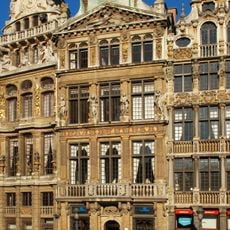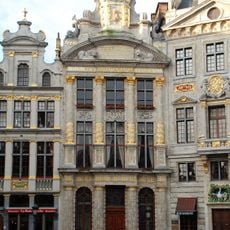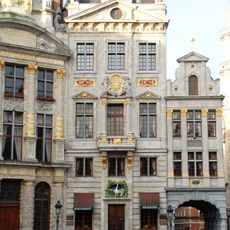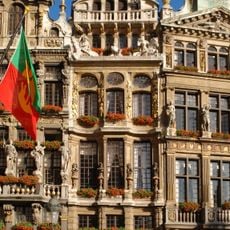
Grand-Place, Central square in Pentagon district, Brussels, Belgium
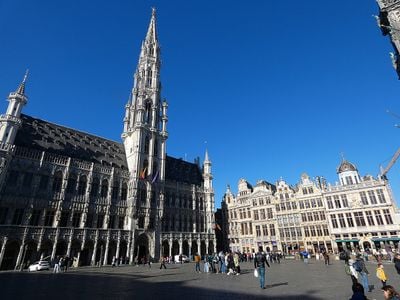
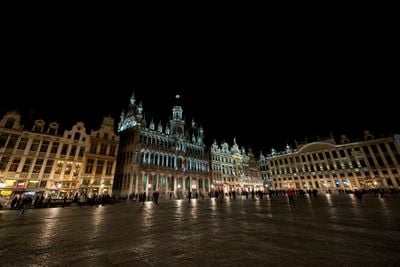
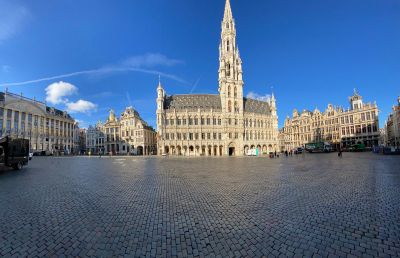
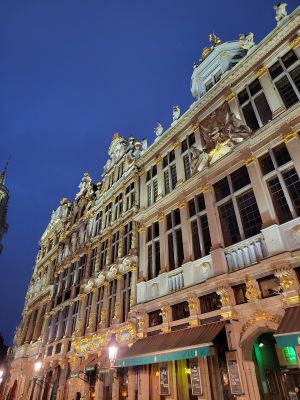
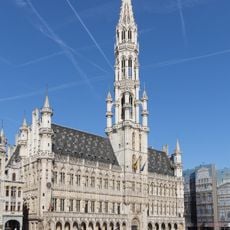
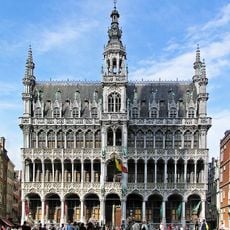
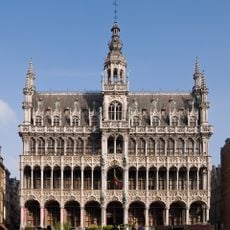
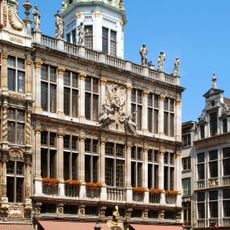
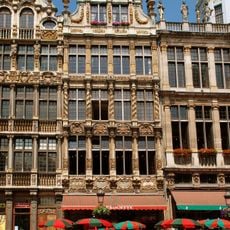
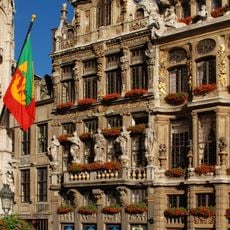
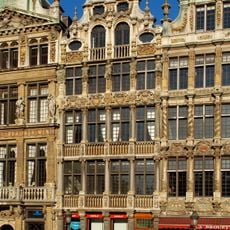
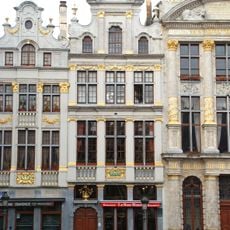
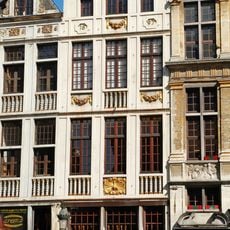
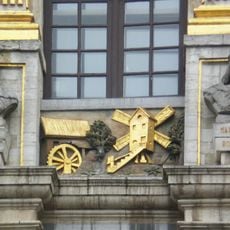
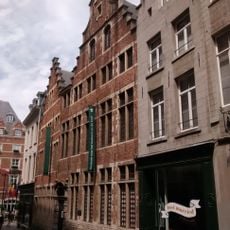
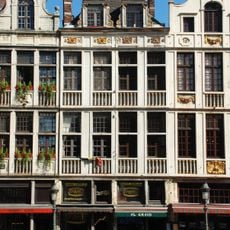
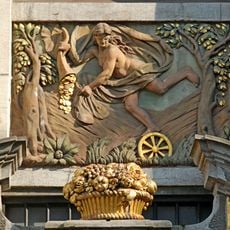
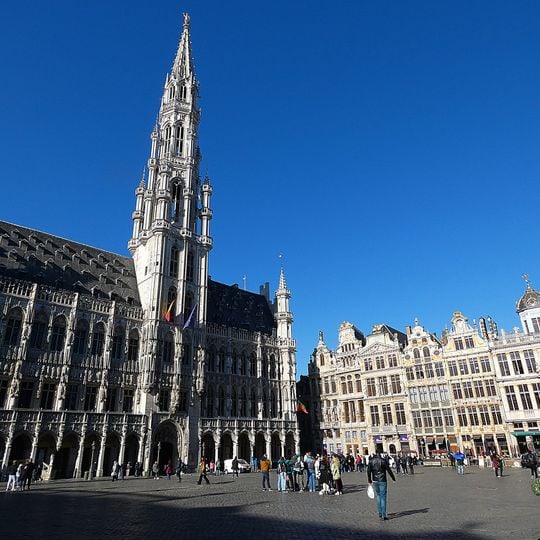
This spot forms a rectangular open area roughly 110 by 68 meters, surrounded by multistory buildings with decorated facades and gilded details. Cobblestones cover the entire ground, and historic structures stand close together on all four sides.
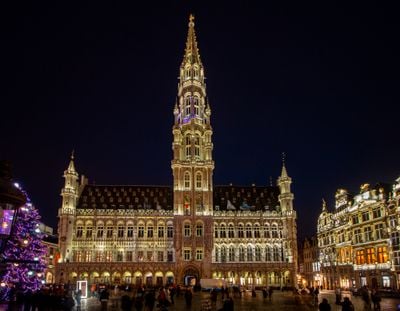
The square began as the Nedermerkt, a lower market on drained marshland near the Senne, documented in 1174. The City Hall rose in phases from 1401 to 1455, its 96-metre spire by Jan van Ruysbroeck added in 1449–1455. French bombardment on 13–14 August 1695 destroyed nearly all houses; only the City Hall and King's House walls stood, and the guilds rebuilt in stone under council-approved designs.
The name translates directly to big square, and the space now serves as a meeting point for locals and visitors who stroll between the facades or sit at outdoor terraces. On some evenings you hear street musicians, and small groups gather to photograph the lit buildings.
Access works best through several nearby metro stations, including Central Station and Bourse, each a short walk away. The square remains open around the clock, with most visitors arriving between late morning and evening.
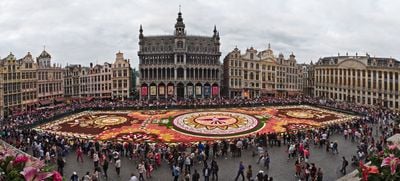
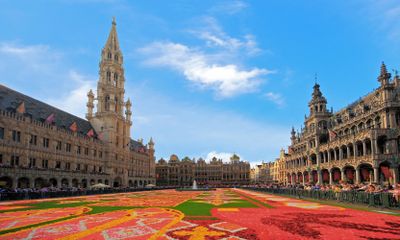
Every two years in August, volunteers lay a giant flower carpet made of more than 500,000 begonias in geometric patterns across the entire surface. The installation lasts only a few days and draws thousands who view the colored design from surrounding balconies.
The community of curious travelers
AroundUs brings together thousands of curated places, local tips, and hidden gems, enriched daily by 94,044 contributors worldwide.