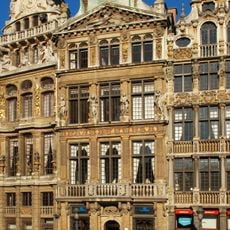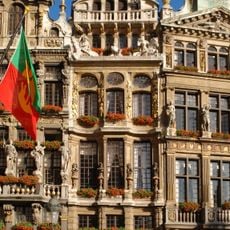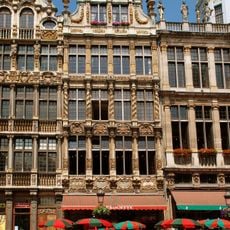
Brussels City Museum, City museum on the Grand-Place in Brussels, Belgium
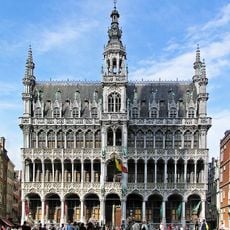
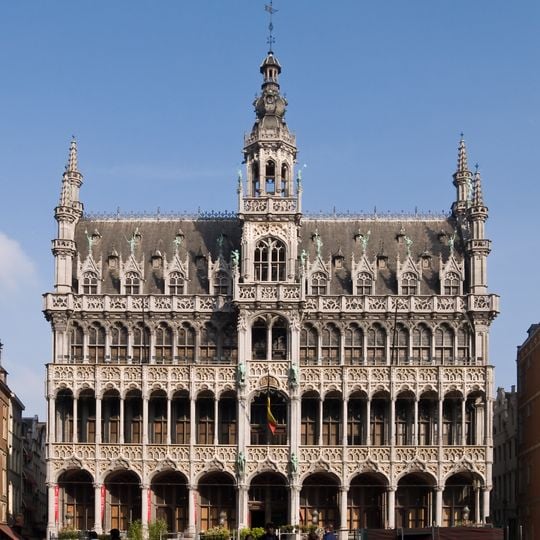
The Brussels City Museum is a municipal history museum on the Grand-Place, housed in the Maison du Roi (Broodhuis), a neo-Gothic building rebuilt by architect Victor Jamaer after 1504–1536 origins. Its pale grey stone facade has a central domed lantern, spired pinnacles, pointed arches and statues, with a black-yellow-red flag above a ground-floor arcade. Inside are over 7,000 items, including a medieval town model and the Town Hall's original sculptures.
The building was constructed in 1504 and served as an administrative center before undergoing major reconstruction in the 19th century. The museum was founded in 1887 and has displayed the city's history through its collections since then.
The building itself carries the museum's story: the Maison du Roi was rebuilt in neo-Gothic style by architect Victor Jamaer, working from designs attributed to Louis van Bodeghem. The collections gather flags, ironwork, stair rails, ceramics, porcelain, retables and archaeological finds that trace the social, economic and artistic life of Brussels and its inhabitants.
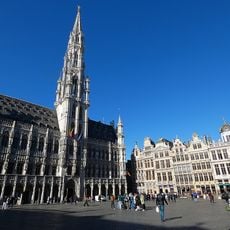
The museum entrance is on the north side of the Grand-Place, directly opposite the Town Hall. The building is a short walk from the Bourse/Beurs premetro station and the Grand-Place bus stop. The entire building is assigned to the collections, with the original Manneken Pis statue on the top floor.
The top floor displays the original Manneken Pis statue, Brussels's most famous symbol. This small figure is among the collection's most valued objects and shows the importance of local landmarks to the city.
The community of curious travelers
AroundUs brings together thousands of curated places, local tips, and hidden gems, enriched daily by 93,398 contributors worldwide.