See the monuments around you in AROpen chests in the app
Around Us is built for your phone — point your camera at the streets and discover the monuments and places around you in augmented reality.Around Us is built for your phone — chests unlock when you walk, explore and capture nearby places.
Brussels combines baroque guild houses, neo-Gothic churches, and modern architecture. The Grand Place forms the historic center with its cobblestone square and gilded facades. The Atomium from 1958 stands in the northern part of the city, displaying the structure of a magnified iron crystal. Saint Michael and Gudula Cathedral preserves Gothic stained glass and wood carvings from the 13th century.
The city holds numerous collections of European painting at the Royal Museums of Fine Arts and the Magritte Museum. The Palais de Justice sits on a hill overlooking the city, while the Royal Palace serves as the official residence of the Belgian monarchy. Parks such as Bois de la Cambre and Cinquantenaire Park offer open spaces between city districts. The Belgian Comic Strip Center and the Horta Museum document Belgian contributions to illustration and Art Nouveau design.
Brussels combines baroque guild houses, neo-Gothic churches, and modern architecture. The Grand Place forms the historic center with its cobblestone square and gilded facades. The Atomium from 1958 stands in the northern part of the city, displaying the structure of a magnified iron crystal. Saint Michael and Gudula Cathedral preserves Gothic stained glass and wood carvings from the 13th century.
The city holds numerous collections of European painting at the Royal Museums of Fine Arts and the Magritte Museum. The Palais de Justice sits on a hill overlooking the city, while the Royal Palace serves as the official residence of the Belgian monarchy. Parks such as Bois de la Cambre and Cinquantenaire Park offer open spaces between city districts. The Belgian Comic Strip Center and the Horta Museum document Belgian contributions to illustration and Art Nouveau design.
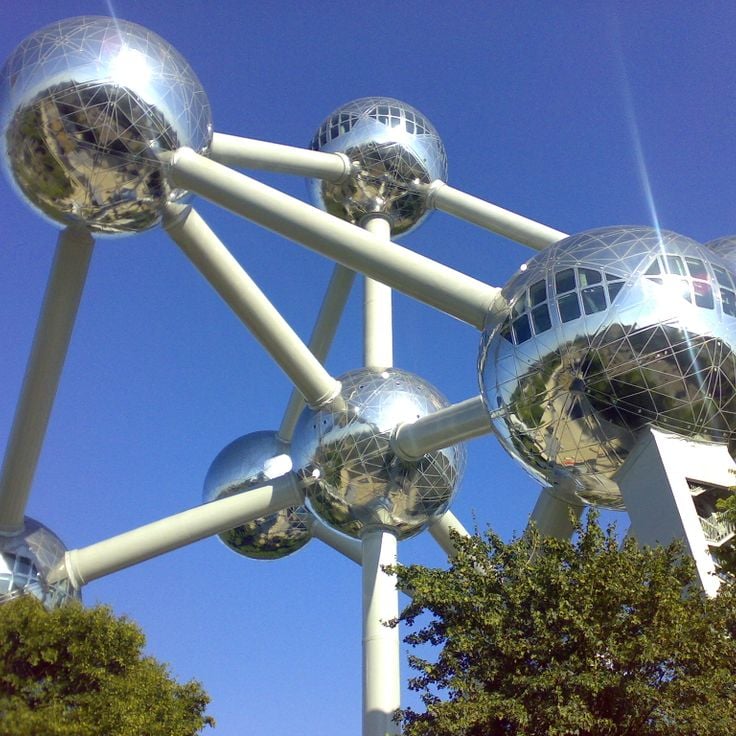
This 102-meter structure dates to 1958 and represents an iron molecule magnified 165 million times. The nine connected metal spheres can be reached by escalators and elevators. From the upper spheres, views extend across the city. The Atomium was built for the World's Fair and has become a recognizable landmark in Brussels, reflecting postwar attitudes toward science and progress.
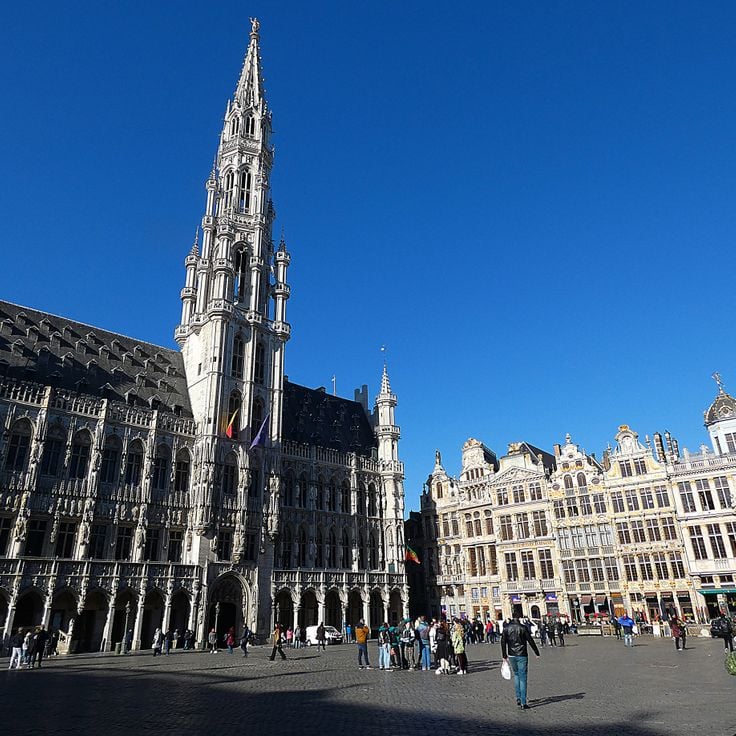
The Grand Place forms the historical center of Brussels with a continuous row of 17th-century facades. The Town Hall rises above the square with its gothic tower, while the surrounding guild houses display baroque stone ornaments and gilded reliefs. Cobblestones cover the entire surface, lined with cafes and shops. Visitors come at all hours to view the facades and walk under the arcades. The square serves as a meeting point and connects the old town with the surrounding streets.
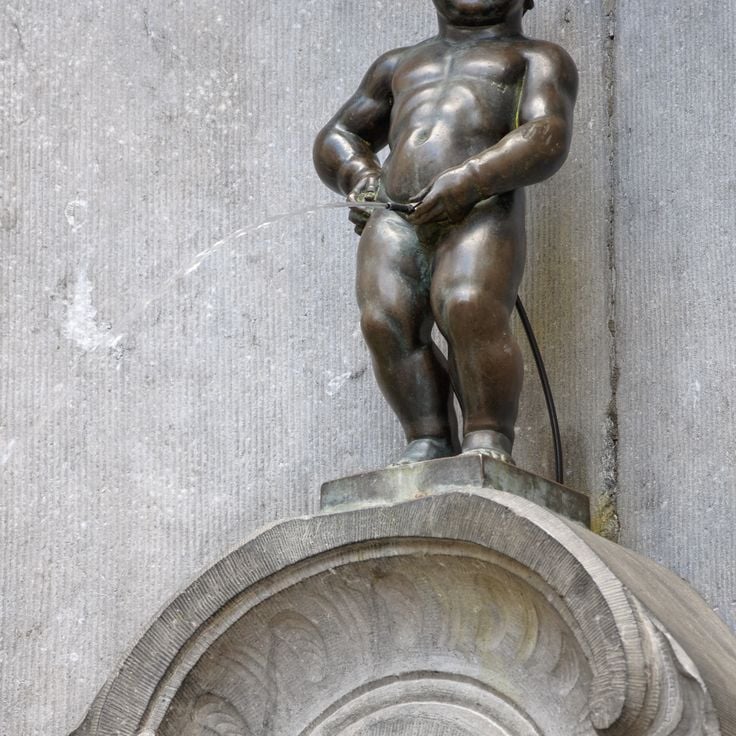
This 61-centimeter bronze figure from 1619 stands at the corner of Rue de l'Étuve and Rue du Chêne. The small fountain is among the most familiar attractions in Brussels and gets dressed in costumes from various collections for special occasions, kept at the City Museum.
The palace, built in the 19th century, serves as the working residence of the Belgian monarch. Inside, state receptions take place and administrative offices handle government matters. The building remains an active space where official duties unfold. Visitors enter a place where Belgian state affairs occur. The rooms show how a functioning monarchy operates in daily life. This palace stands among the central historical buildings that shape Brussels. The Royal Palace combines tradition with contemporary administration in an architectural setting from the 19th century.
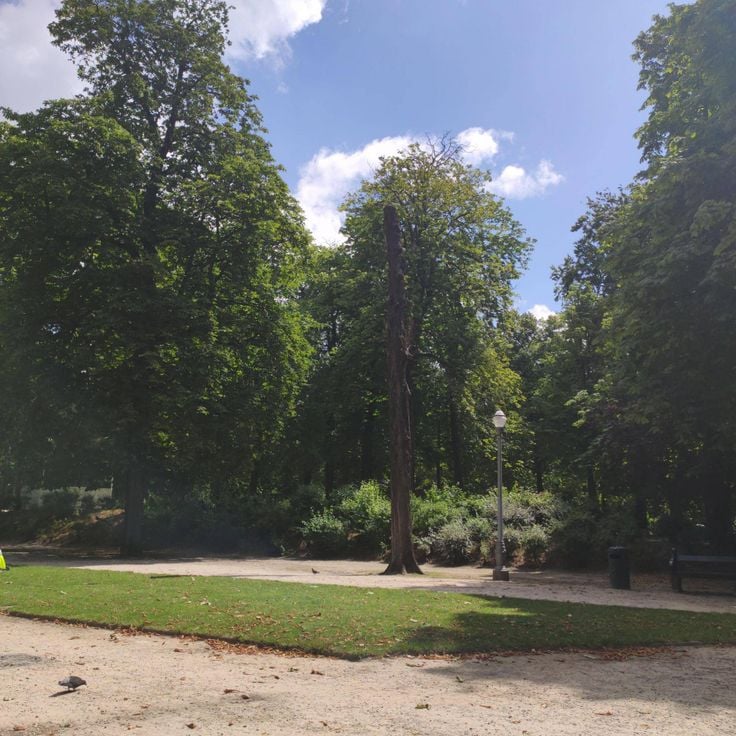
This park sits between the Royal Palace and the Belgian Parliament. Geometric gardens, fountains and statues shape the layout. Wide paths cross the grounds, which fit into the historic center of Brussels. Trees provide shade over the lawns while people stroll along the alleys. The park connects public buildings and serves as a resting space among the government quarters.
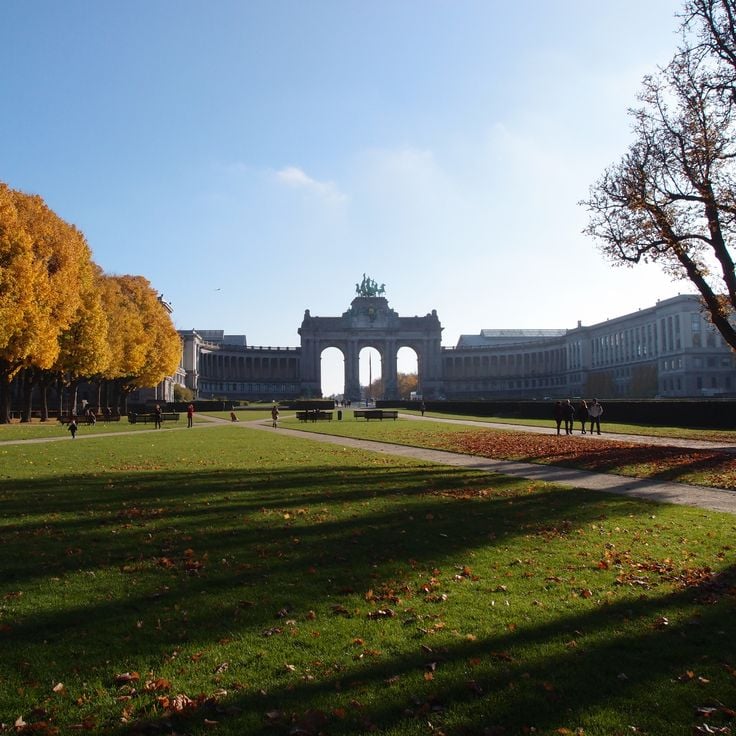
This park presents a triumphal arch, museums and open lawns. The arch stands at an elevated point and closes the western end of the grounds. Grass stretches between paths and rows of trees. Buildings along the sides house the Museum of Art and History, the Military Museum and the Autoworld collection. Fountains and statues appear throughout the layout. On weekends locals use the park for jogging, picnics or walking their dogs.
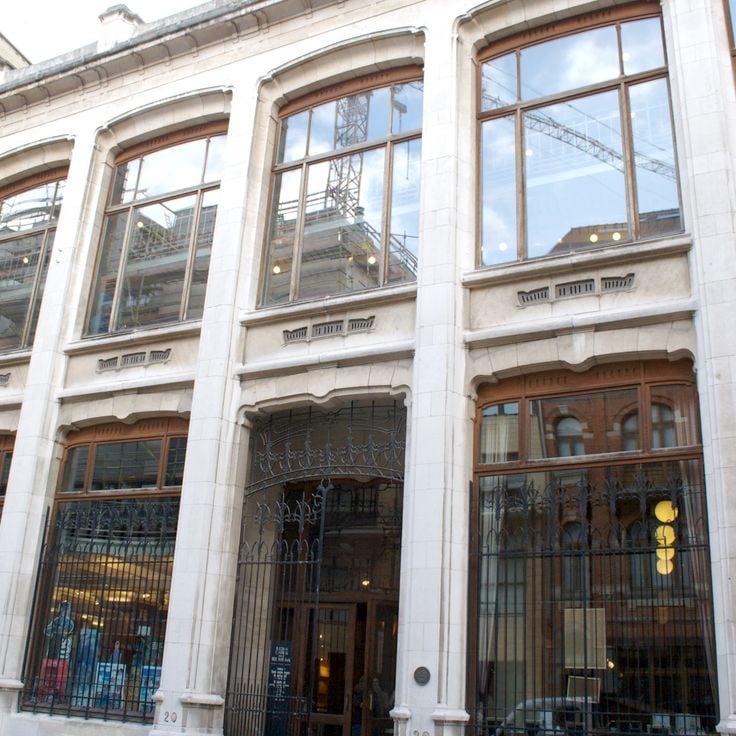
The Belgian Comic Strip Center occupies an Art Nouveau building designed by Victor Horta. This museum presents the history of Belgian comics through original drawings and documents. Visitors can trace how this art form developed and the role Brussels played in the comic tradition. The rooms combine the elegant architecture of the early twentieth century with exhibitions about familiar characters and artists.
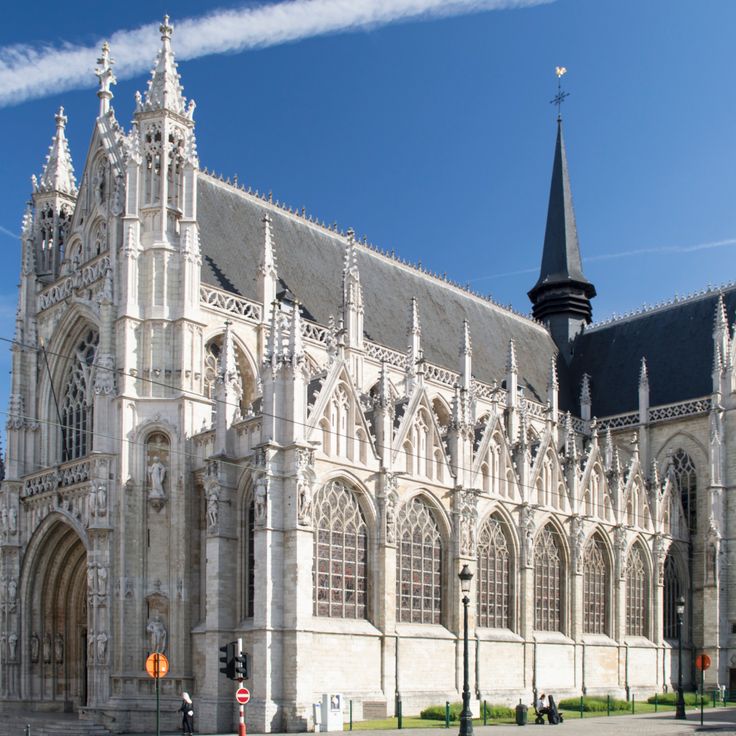
This church from the 15th century shows Gothic architecture with high vaults, slender columns and colored glass windows. Notre-Dame du Sablon stands in central Brussels and combines religious tradition with skilled craftsmanship. The windows let soft light fall through the hall, while the stone pillars divide the space into several aisles. On the walls hang votive plaques and paintings that tell the story of the place. Visitors walk through the central aisle and view the side chapels, where candles burn and flowers rest. The church fits into the historic quarter and offers a quiet retreat within the city.
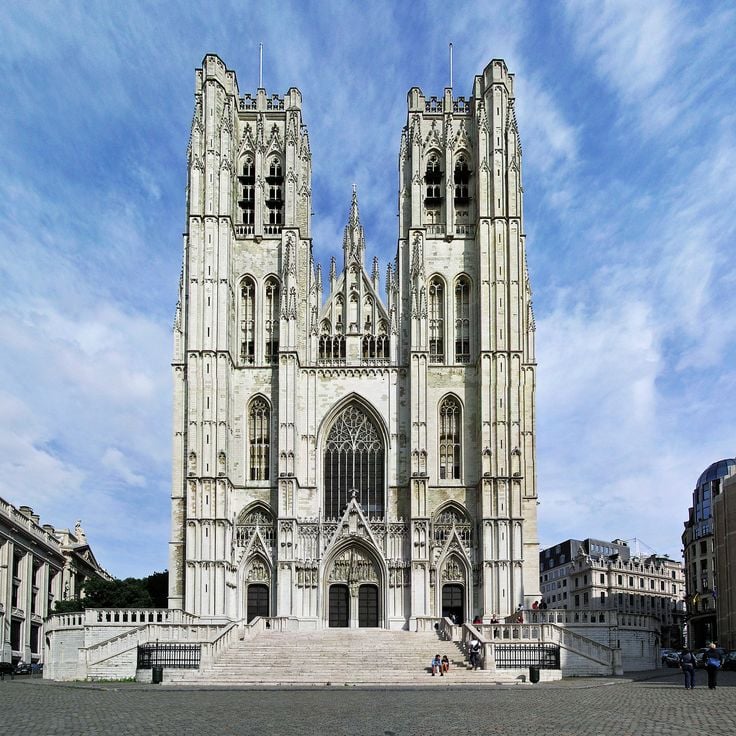
This Gothic cathedral from the 13th century stands at the center of Brussels' religious architecture. The cathedral displays stained glass windows depicting medieval scenes, stone sculptures on the portals and a baroque wooden pulpit. The two towers shape the cityscape. The interior combines Gothic lines with later additions. The cathedral has served for ceremonies and services for centuries. Visitors see chapels, tombs and liturgical objects.
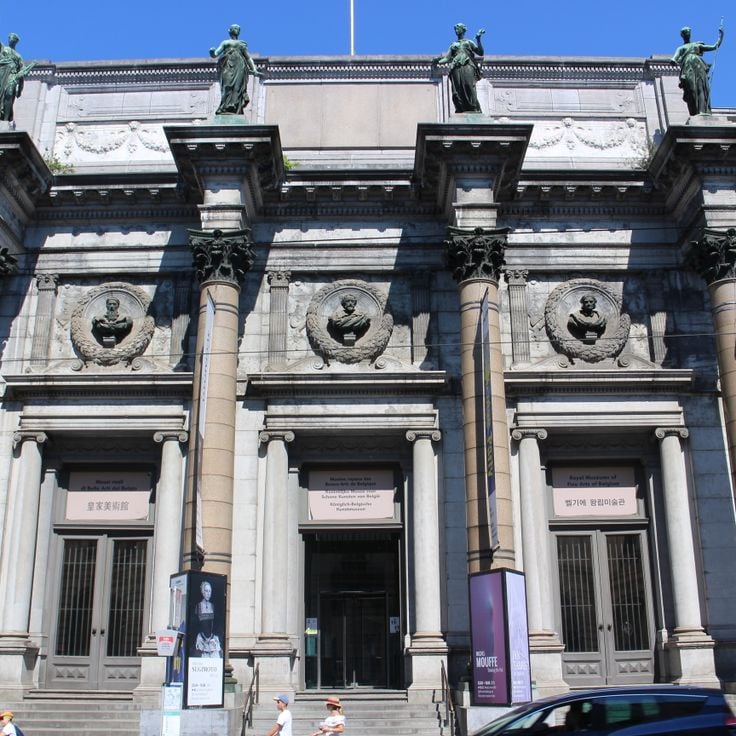
The Royal Museums of Fine Arts of Belgium present Belgian and European art from the 15th to 21st centuries across six buildings. This museum complex combines historical collections with contemporary works and ranks among the city's major cultural institutions. The exhibitions include Flemish masters, modern art and changing presentations that document different artistic periods and establish Brussels as a center of visual arts.
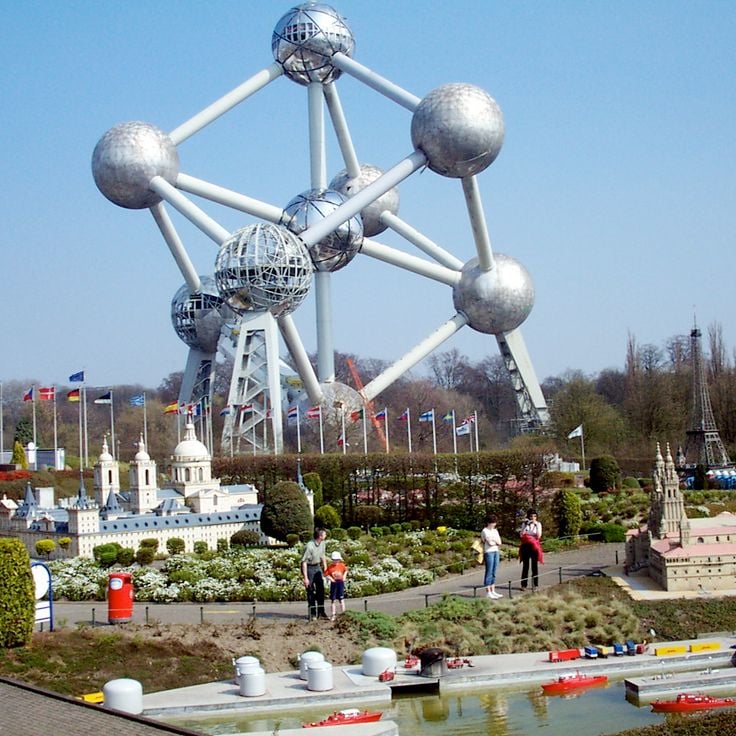
This park displays 350 models of European buildings at 1:25 scale. Visitors see scaled versions of the Eiffel Tower, Big Ben and other structures from different countries. The site lies in Laeken and complements the main attractions in Brussels with a miniature representation of continental architecture.
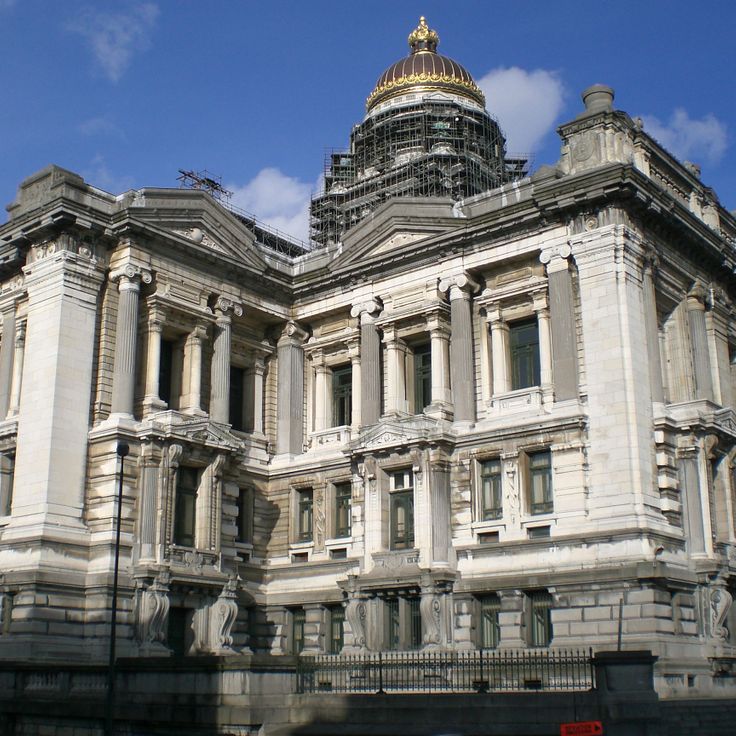
This courthouse built between 1866 and 1883 stands as one of the major public buildings in Brussels. The architecture combines classical and eclectic elements across more than 26,000 square meters (280,000 square feet). Eight interior courtyards organize the structure, which sits on a hilltop and remains visible from many parts of the city. The dome reaches considerable height and shapes the city skyline. Inside you find numerous courtrooms and corridors. The building demonstrates the urban ambitions of the 19th century and forms a notable part of the Brussels landscape.
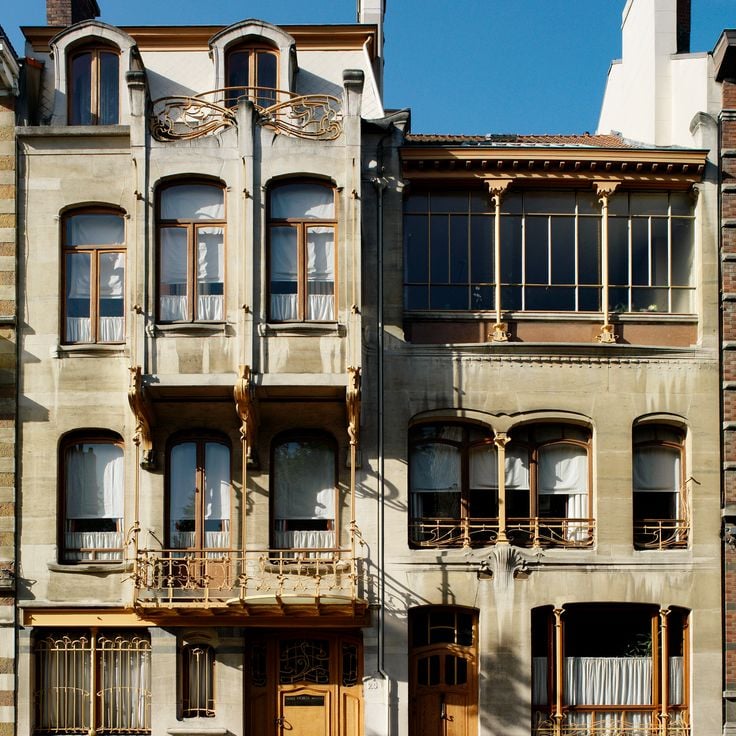
This Art Nouveau house displays the work of Victor Horta, a leading architect of the movement. The museum occupies his former home and studio. The rooms reveal curved lines, decorative glasswork, and original furniture. Staircases, railings, and wall treatments illustrate Horta's design principles. The collection includes drawings, models, and personal belongings of the architect.
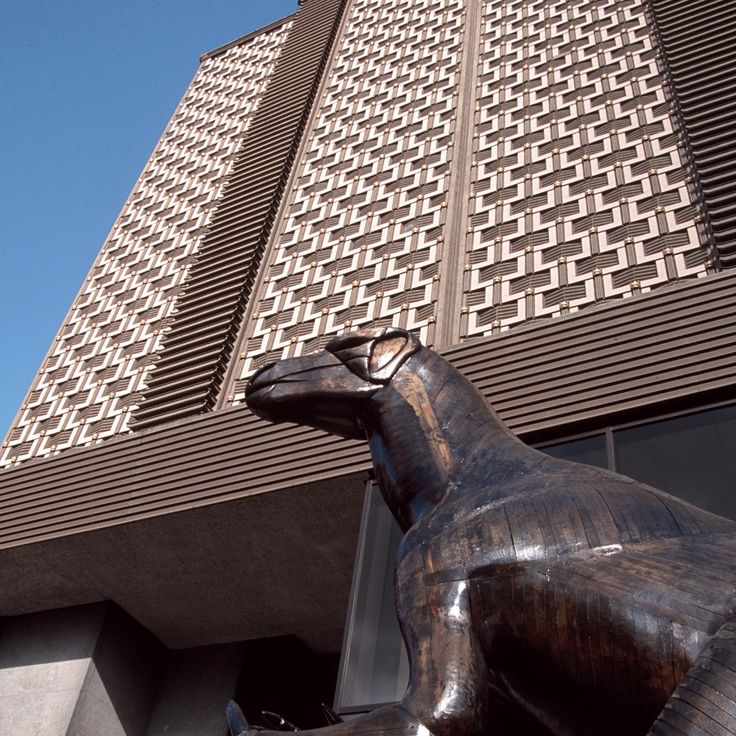
This museum presents earth history and natural sciences across several floors. The dinosaur gallery displays fossils and skeletons from different geological periods. Visitors find halls dedicated to minerals, evolution and local fauna. Collections include preserved animals, rocks and scientific models. The building stands in the institutional district near the European Parliament.
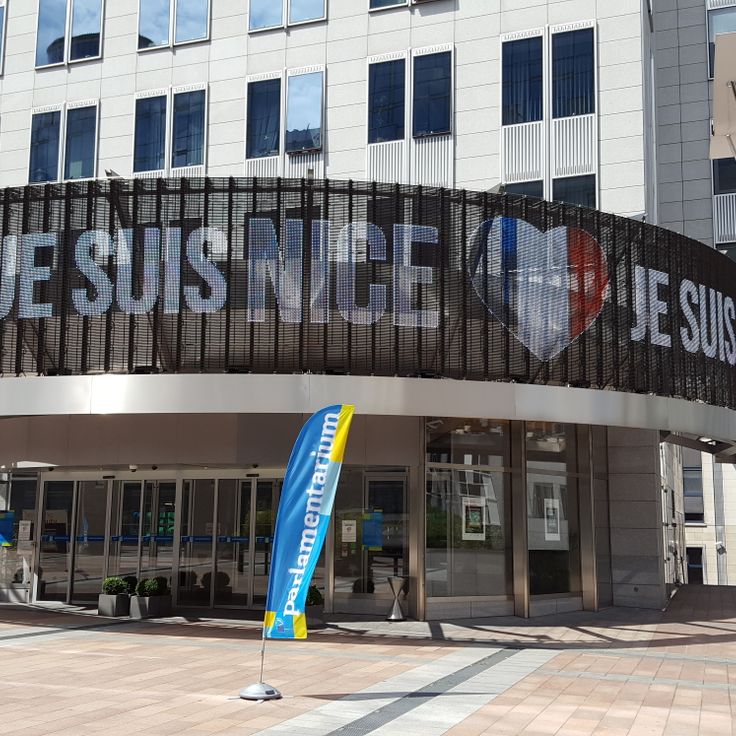
The Parlamentarium is the interactive visitor center of the European Parliament in Brussels and adds to the city's range of politically significant sites. This center guides visitors through the history of European integration, explains how the Parliament works, and shows the role of member states in the legislative process. Multimedia installations, touchscreens, and audiovisual presentations convey complex political processes in an accessible way. You move through themed areas that span from the Union's early days to current challenges. The atmosphere is modern and informative, with clear spatial structures and a teaching approach that speaks to different age groups. The Parlamentarium offers free admission and sits right next to the main buildings of the European institutions.
This park in Uccle combines lakes, woodland paths and lawns laid out in the 19th century English garden style. Bois de la Cambre covers more than 120 hectares and remains a destination for walkers, joggers and cyclists in Brussels. A theater stands within the green spaces. The paths wind through shaded avenues and open clearings, while the lakes offer quiet spots for pausing.
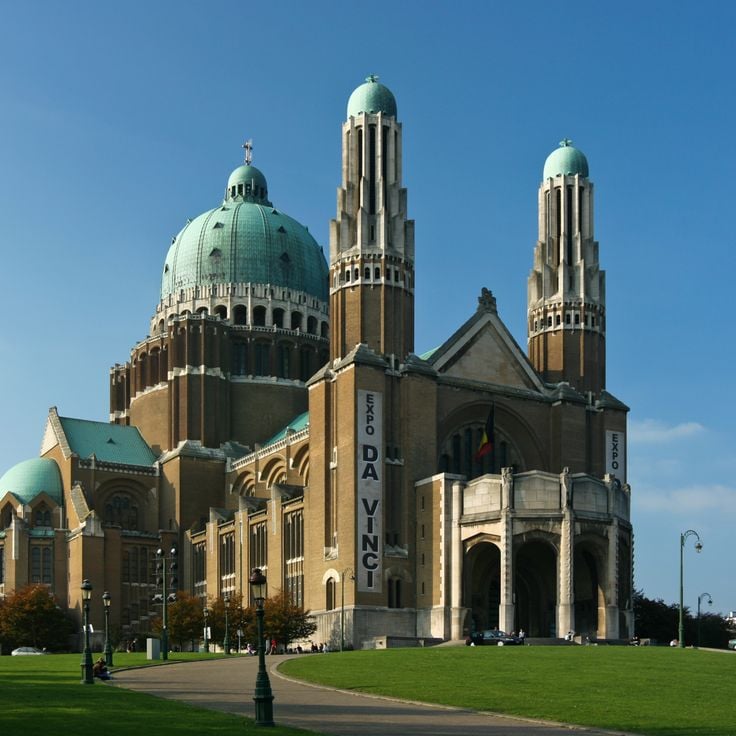
This basilica rises 89 meters above Brussels from a hill in Koekelberg. The structure combines Art Deco design with traditional church forms, built over decades between 1905 and 1971. The green dome is visible from many points across the city. Inside, mosaics and stained glass fill the space, while natural light enters through high windows. The layout creates an open, airy feeling, and the building holds large gatherings for both religious and cultural events.
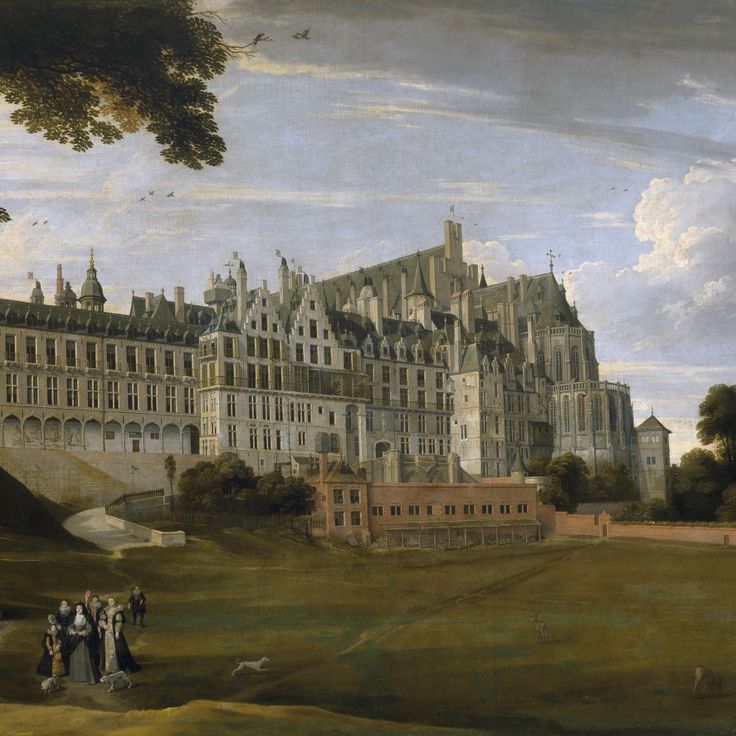
This medieval city palace from the 12th century now exists as an underground archaeological site. The remains reveal vaults and passages that once served as the residence of the Dukes of Brabant. After a fire in 1731, the palace was dismantled and its foundations remained buried. Visitors walk through the subterranean rooms and can imagine how political decisions were made here. The site connects with the Grand Place and the royal quarter above.
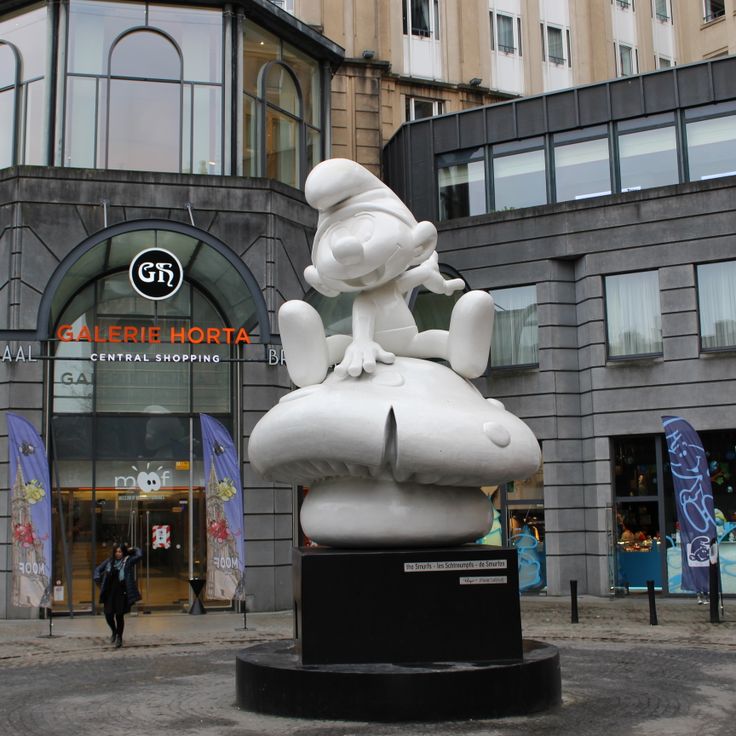
This museum presents comics and fantasy art, including original drawings, figurines and interactive displays by Belgian artists. The Moof Museum opens the doors to the country's visual storytelling tradition, focusing on sequential narratives and popular characters. The rooms guide visitors through different periods of the medium, showing both historical pieces and contemporary productions. Visitors see sketches, printing plates and three-dimensional reproductions of familiar figures. The collection connects artistic processes with finished works, demonstrating how stories develop from initial concepts to publication.
The Halle Gate is a 14th century city gate that now houses a museum about the history of Brussels fortifications. This medieval structure is among the few remaining elements of the old city wall. The tower shows the defensive architecture of the Middle Ages and offers insights into the military past of the city.
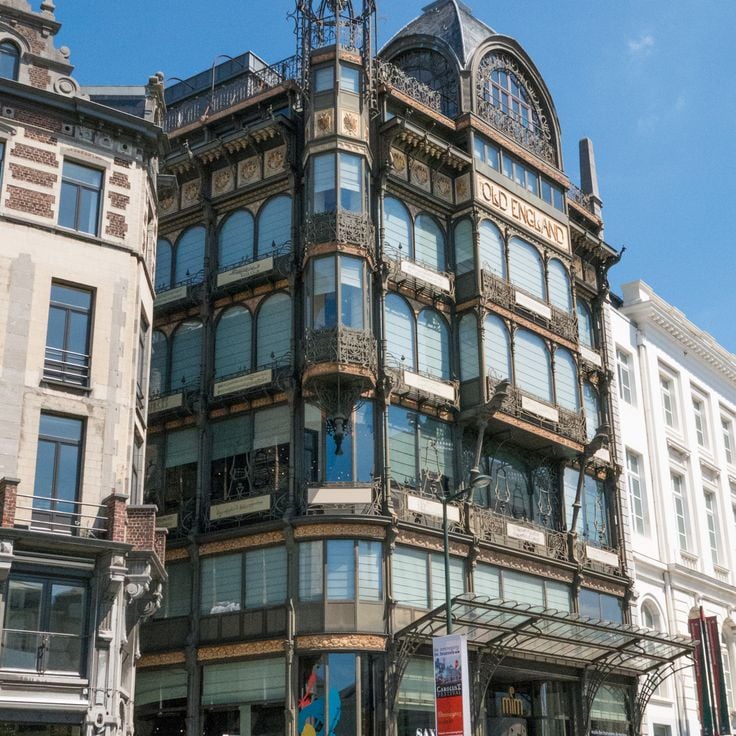
This museum presents the history of musical instruments from medieval times to the present. The collection includes more than 8000 objects from Europe, Africa, Asia and the Americas. The Art Nouveau building dates from 1899 and was designed by architect Paul Saintenoy. The exhibition rooms contain keyboard instruments, string instruments, wind instruments and percussion instruments. An audio guide allows visitors to hear the sound of many instruments during the tour. From the top floor, you can see the rooftops of the old town and the silhouette of the Royal Palace.
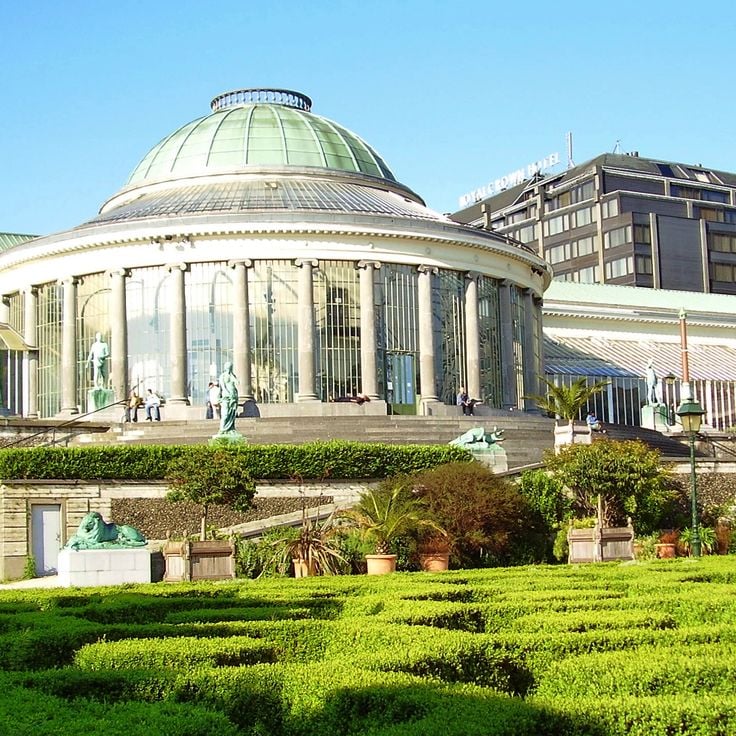
This cultural complex occupies a 19th century greenhouse in Brussels. Inside, concerts across different music genres and rotating exhibitions take place. The venue combines historic glass and metal architecture with a contemporary events program. The spaces extend over multiple levels, where visitors can walk through former botanical galleries between performances. Le Botanique serves as a meeting point for local and international artists in the city.
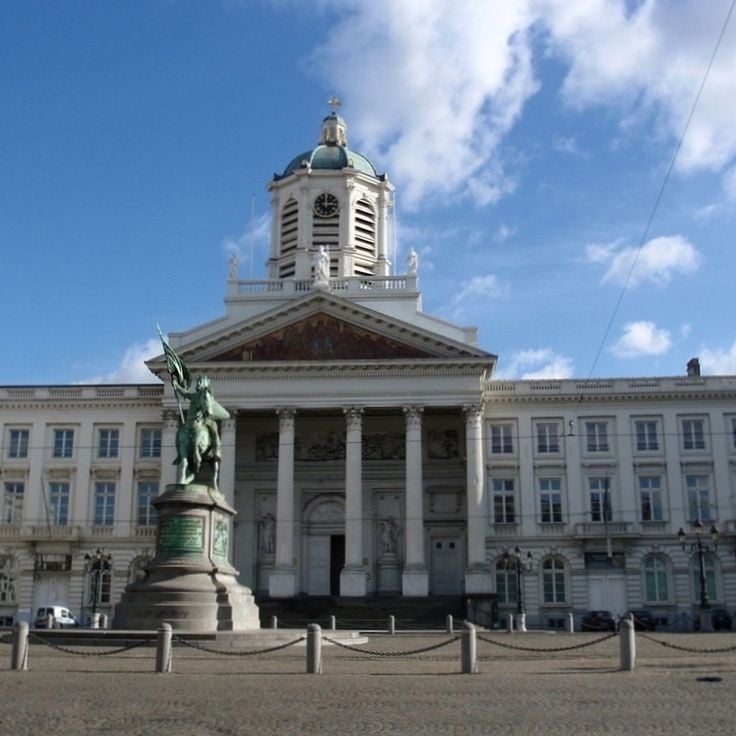
The Place Royale was built in 1780 and forms the center of an urban planning ensemble that connects the upper and lower parts of Brussels. This square links several important buildings through a neoclassical design. At its center stands an equestrian statue of Godfrey of Bouillon from the 19th century. The surrounding buildings follow a uniform architectural concept with columns and pediments. From here you can walk to the Royal Palace, the museums on Mont des Arts, and the historic center.
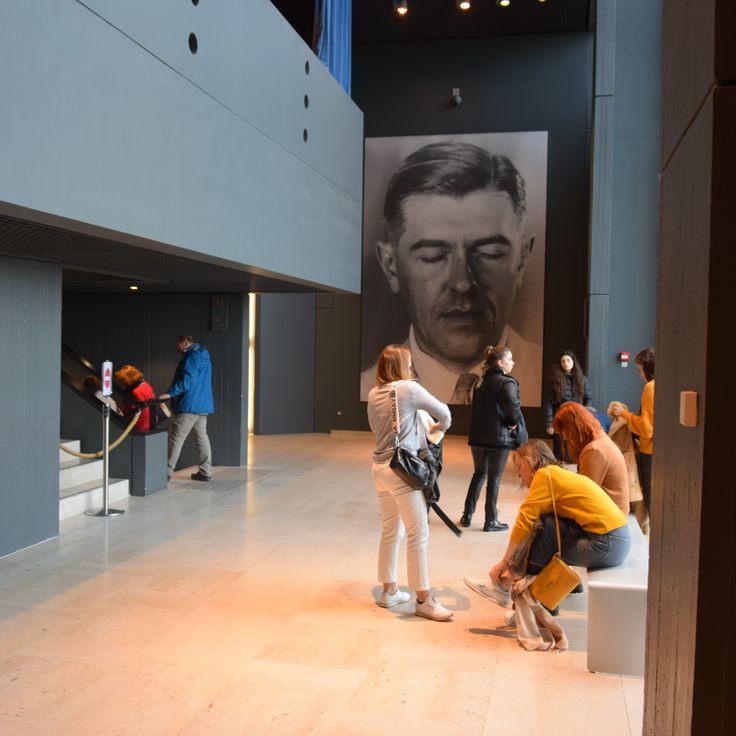
This museum displays paintings, drawings and sculptures by the surrealist artist René Magritte. The collection includes works from different decades of his career and offers insight into his visual language. The Musée Magritte belongs to the art museums in Brussels and occupies a historic building near Place Royale.
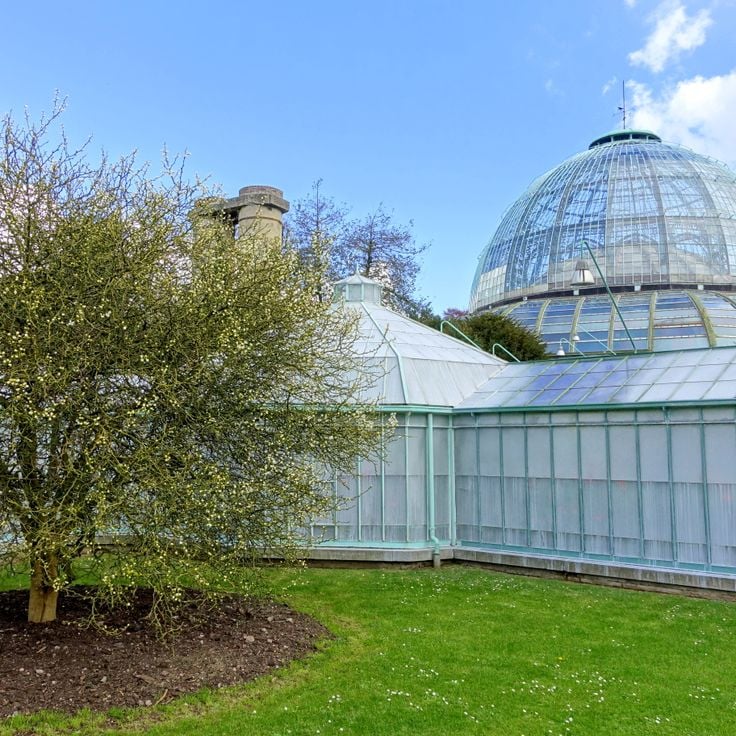
These greenhouses form a series of glass domes and pavilions built in the 19th century. The complex houses palms, orchids, camellias and tropical plants from different regions. The iron and glass architecture creates a maze of passages through different climate zones. The site opens only a few weeks each year, displaying the botanical collection of the Belgian royal family.
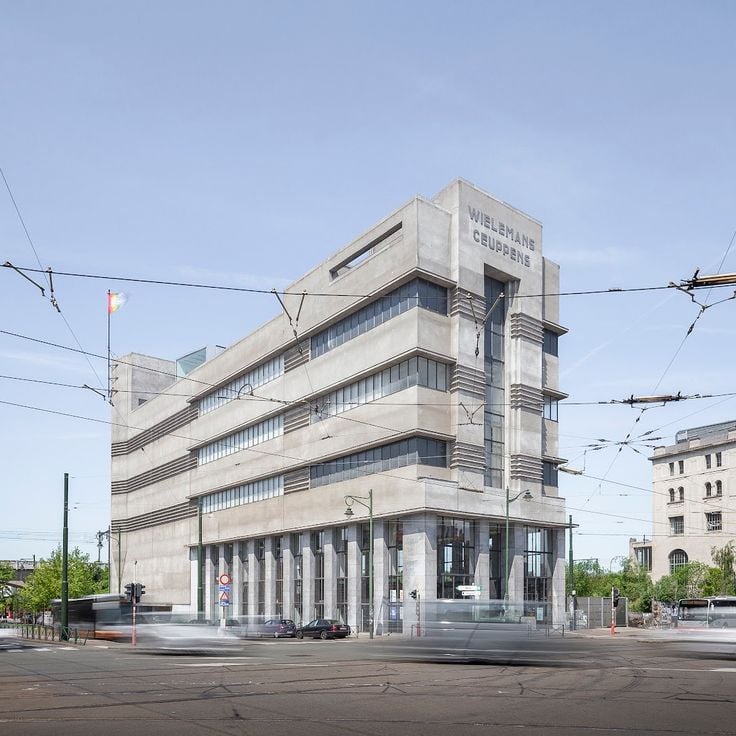
This center for contemporary art occupies an old brewery from the 1930s. Wiels presents exhibitions by living artists and organizes events in tall industrial spaces with concrete walls and large windows. The atmosphere combines industrial architecture with modern art. The place welcomes visitors in a neighborhood south of the center.
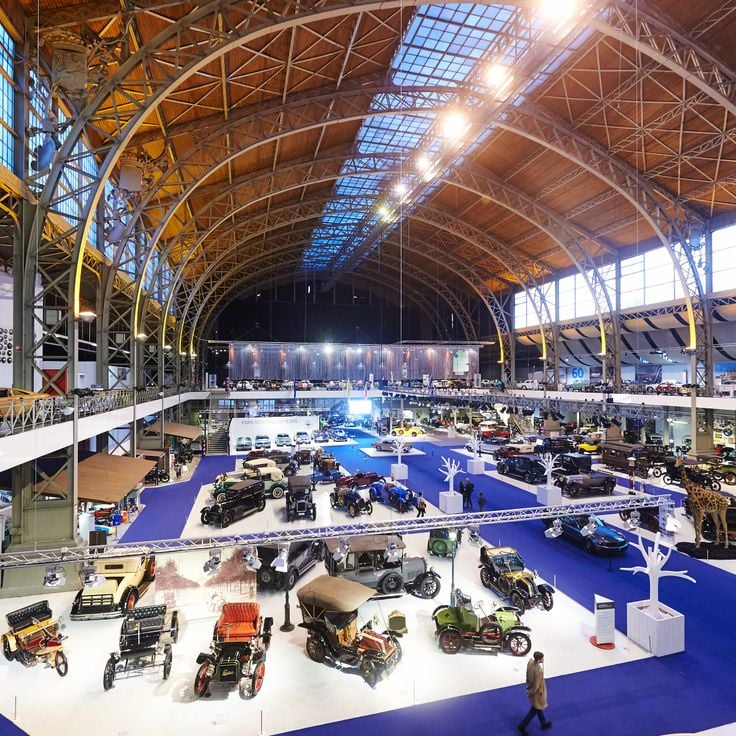
This museum in Cinquantenaire Park displays over a hundred historic vehicles inside a glass hall built for the 1897 World's Fair. The collection includes American sedans, European sports cars and Belgian prototypes from the late nineteenth century through the 1980s. Visitors walk among the automobiles and observe changes in body design and engineering across several generations. The building preserves its original iron and glass structure.
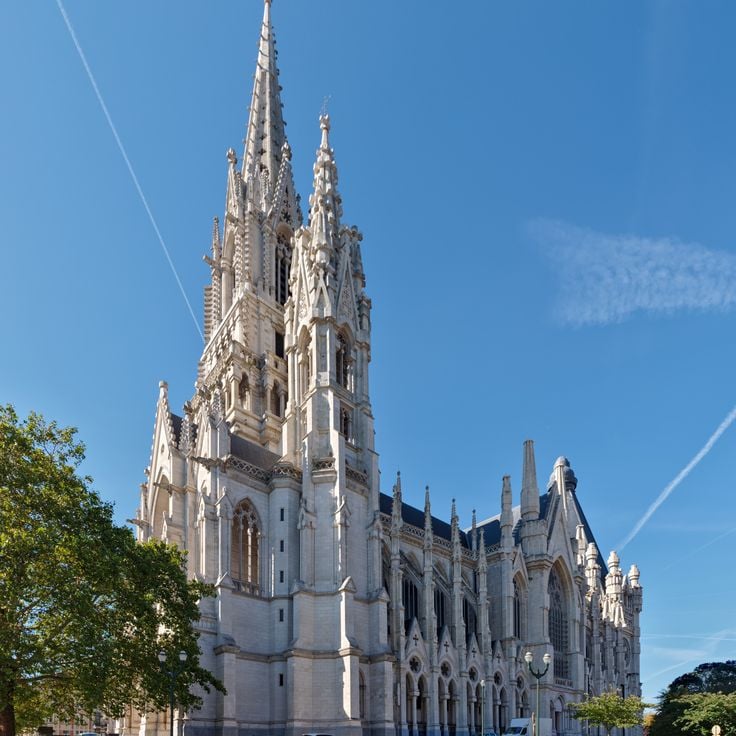
This 19th-century church holds the royal crypt with the tombs of Belgian monarchs since Leopold I. The building stands in Laeken, a northern district of Brussels, and serves both as a parish church and a royal memorial. The architecture shows tall towers and a simple interior. Access to the crypt is limited, though the church itself welcomes visitors during services.
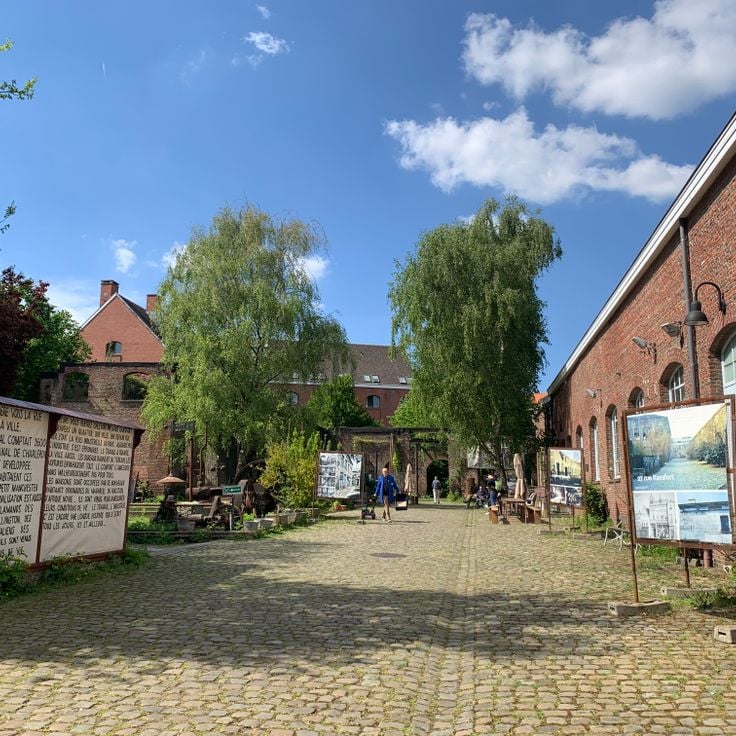
This museum traces the industrial history of Brussels through machines, tools and documents from the 19th and 20th centuries. The former foundry stands in Molenbeek and preserves memories of the working world that shaped urban life. The collection includes factory equipment, photographs and personal objects from workers who labored in the capital's industrial districts.
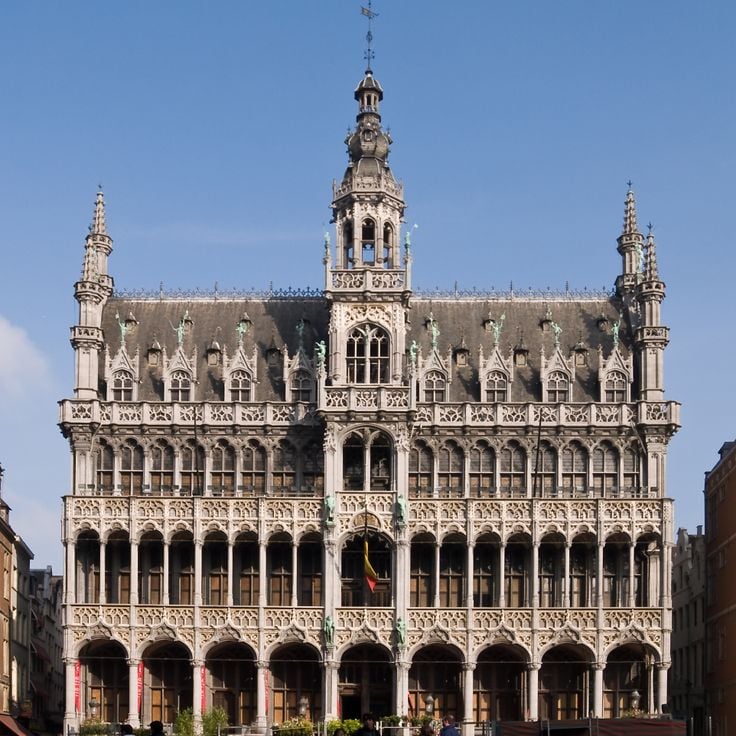
The Museum of the City of Brussels presents urban history from the Middle Ages to the present through garments, artworks and everyday objects. It occupies a historic building in the city center and documents how Brussels changed over the centuries. The collection includes guild objects, ceramics, textiles and paintings that show life in the city at different times. The building itself, the Maison du Roi, stands on the Grand Place and forms part of the historical architecture that shapes Brussels.
This park sits in one of the European quarters of Brussels and offers a calm retreat with a central lake, play areas for children, and scattered artworks. Leopold Park was established in 1880 and now serves as a green lung between institutional buildings, where locals and visitors walk along the paths, relax on the lawns, or watch the ducks by the water.
This 102-meter structure dates to 1958 and represents an iron molecule magnified 165 million times. The nine connected metal spheres can be reached by escalators and elevators. From the upper spheres, views extend across the city. The Atomium was built for the World's Fair and has become a recognizable landmark in Brussels, reflecting postwar attitudes toward science and progress.
The Grand Place forms the historical center of Brussels with a continuous row of 17th-century facades. The Town Hall rises above the square with its gothic tower, while the surrounding guild houses display baroque stone ornaments and gilded reliefs. Cobblestones cover the entire surface, lined with cafes and shops. Visitors come at all hours to view the facades and walk under the arcades. The square serves as a meeting point and connects the old town with the surrounding streets.
This 61-centimeter bronze figure from 1619 stands at the corner of Rue de l'Étuve and Rue du Chêne. The small fountain is among the most familiar attractions in Brussels and gets dressed in costumes from various collections for special occasions, kept at the City Museum.
The palace, built in the 19th century, serves as the working residence of the Belgian monarch. Inside, state receptions take place and administrative offices handle government matters. The building remains an active space where official duties unfold. Visitors enter a place where Belgian state affairs occur. The rooms show how a functioning monarchy operates in daily life. This palace stands among the central historical buildings that shape Brussels. The Royal Palace combines tradition with contemporary administration in an architectural setting from the 19th century.
This park sits between the Royal Palace and the Belgian Parliament. Geometric gardens, fountains and statues shape the layout. Wide paths cross the grounds, which fit into the historic center of Brussels. Trees provide shade over the lawns while people stroll along the alleys. The park connects public buildings and serves as a resting space among the government quarters.
This park presents a triumphal arch, museums and open lawns. The arch stands at an elevated point and closes the western end of the grounds. Grass stretches between paths and rows of trees. Buildings along the sides house the Museum of Art and History, the Military Museum and the Autoworld collection. Fountains and statues appear throughout the layout. On weekends locals use the park for jogging, picnics or walking their dogs.
The Belgian Comic Strip Center occupies an Art Nouveau building designed by Victor Horta. This museum presents the history of Belgian comics through original drawings and documents. Visitors can trace how this art form developed and the role Brussels played in the comic tradition. The rooms combine the elegant architecture of the early twentieth century with exhibitions about familiar characters and artists.
This church from the 15th century shows Gothic architecture with high vaults, slender columns and colored glass windows. Notre-Dame du Sablon stands in central Brussels and combines religious tradition with skilled craftsmanship. The windows let soft light fall through the hall, while the stone pillars divide the space into several aisles. On the walls hang votive plaques and paintings that tell the story of the place. Visitors walk through the central aisle and view the side chapels, where candles burn and flowers rest. The church fits into the historic quarter and offers a quiet retreat within the city.
This Gothic cathedral from the 13th century stands at the center of Brussels' religious architecture. The cathedral displays stained glass windows depicting medieval scenes, stone sculptures on the portals and a baroque wooden pulpit. The two towers shape the cityscape. The interior combines Gothic lines with later additions. The cathedral has served for ceremonies and services for centuries. Visitors see chapels, tombs and liturgical objects.
The Royal Museums of Fine Arts of Belgium present Belgian and European art from the 15th to 21st centuries across six buildings. This museum complex combines historical collections with contemporary works and ranks among the city's major cultural institutions. The exhibitions include Flemish masters, modern art and changing presentations that document different artistic periods and establish Brussels as a center of visual arts.
This park displays 350 models of European buildings at 1:25 scale. Visitors see scaled versions of the Eiffel Tower, Big Ben and other structures from different countries. The site lies in Laeken and complements the main attractions in Brussels with a miniature representation of continental architecture.
This courthouse built between 1866 and 1883 stands as one of the major public buildings in Brussels. The architecture combines classical and eclectic elements across more than 26,000 square meters (280,000 square feet). Eight interior courtyards organize the structure, which sits on a hilltop and remains visible from many parts of the city. The dome reaches considerable height and shapes the city skyline. Inside you find numerous courtrooms and corridors. The building demonstrates the urban ambitions of the 19th century and forms a notable part of the Brussels landscape.
This Art Nouveau house displays the work of Victor Horta, a leading architect of the movement. The museum occupies his former home and studio. The rooms reveal curved lines, decorative glasswork, and original furniture. Staircases, railings, and wall treatments illustrate Horta's design principles. The collection includes drawings, models, and personal belongings of the architect.
This museum presents earth history and natural sciences across several floors. The dinosaur gallery displays fossils and skeletons from different geological periods. Visitors find halls dedicated to minerals, evolution and local fauna. Collections include preserved animals, rocks and scientific models. The building stands in the institutional district near the European Parliament.
The Parlamentarium is the interactive visitor center of the European Parliament in Brussels and adds to the city's range of politically significant sites. This center guides visitors through the history of European integration, explains how the Parliament works, and shows the role of member states in the legislative process. Multimedia installations, touchscreens, and audiovisual presentations convey complex political processes in an accessible way. You move through themed areas that span from the Union's early days to current challenges. The atmosphere is modern and informative, with clear spatial structures and a teaching approach that speaks to different age groups. The Parlamentarium offers free admission and sits right next to the main buildings of the European institutions.
This park in Uccle combines lakes, woodland paths and lawns laid out in the 19th century English garden style. Bois de la Cambre covers more than 120 hectares and remains a destination for walkers, joggers and cyclists in Brussels. A theater stands within the green spaces. The paths wind through shaded avenues and open clearings, while the lakes offer quiet spots for pausing.
This basilica rises 89 meters above Brussels from a hill in Koekelberg. The structure combines Art Deco design with traditional church forms, built over decades between 1905 and 1971. The green dome is visible from many points across the city. Inside, mosaics and stained glass fill the space, while natural light enters through high windows. The layout creates an open, airy feeling, and the building holds large gatherings for both religious and cultural events.
This medieval city palace from the 12th century now exists as an underground archaeological site. The remains reveal vaults and passages that once served as the residence of the Dukes of Brabant. After a fire in 1731, the palace was dismantled and its foundations remained buried. Visitors walk through the subterranean rooms and can imagine how political decisions were made here. The site connects with the Grand Place and the royal quarter above.
This museum presents comics and fantasy art, including original drawings, figurines and interactive displays by Belgian artists. The Moof Museum opens the doors to the country's visual storytelling tradition, focusing on sequential narratives and popular characters. The rooms guide visitors through different periods of the medium, showing both historical pieces and contemporary productions. Visitors see sketches, printing plates and three-dimensional reproductions of familiar figures. The collection connects artistic processes with finished works, demonstrating how stories develop from initial concepts to publication.
The Halle Gate is a 14th century city gate that now houses a museum about the history of Brussels fortifications. This medieval structure is among the few remaining elements of the old city wall. The tower shows the defensive architecture of the Middle Ages and offers insights into the military past of the city.
This museum presents the history of musical instruments from medieval times to the present. The collection includes more than 8000 objects from Europe, Africa, Asia and the Americas. The Art Nouveau building dates from 1899 and was designed by architect Paul Saintenoy. The exhibition rooms contain keyboard instruments, string instruments, wind instruments and percussion instruments. An audio guide allows visitors to hear the sound of many instruments during the tour. From the top floor, you can see the rooftops of the old town and the silhouette of the Royal Palace.
This cultural complex occupies a 19th century greenhouse in Brussels. Inside, concerts across different music genres and rotating exhibitions take place. The venue combines historic glass and metal architecture with a contemporary events program. The spaces extend over multiple levels, where visitors can walk through former botanical galleries between performances. Le Botanique serves as a meeting point for local and international artists in the city.
The Place Royale was built in 1780 and forms the center of an urban planning ensemble that connects the upper and lower parts of Brussels. This square links several important buildings through a neoclassical design. At its center stands an equestrian statue of Godfrey of Bouillon from the 19th century. The surrounding buildings follow a uniform architectural concept with columns and pediments. From here you can walk to the Royal Palace, the museums on Mont des Arts, and the historic center.
This museum displays paintings, drawings and sculptures by the surrealist artist René Magritte. The collection includes works from different decades of his career and offers insight into his visual language. The Musée Magritte belongs to the art museums in Brussels and occupies a historic building near Place Royale.
These greenhouses form a series of glass domes and pavilions built in the 19th century. The complex houses palms, orchids, camellias and tropical plants from different regions. The iron and glass architecture creates a maze of passages through different climate zones. The site opens only a few weeks each year, displaying the botanical collection of the Belgian royal family.
This center for contemporary art occupies an old brewery from the 1930s. Wiels presents exhibitions by living artists and organizes events in tall industrial spaces with concrete walls and large windows. The atmosphere combines industrial architecture with modern art. The place welcomes visitors in a neighborhood south of the center.
This museum in Cinquantenaire Park displays over a hundred historic vehicles inside a glass hall built for the 1897 World's Fair. The collection includes American sedans, European sports cars and Belgian prototypes from the late nineteenth century through the 1980s. Visitors walk among the automobiles and observe changes in body design and engineering across several generations. The building preserves its original iron and glass structure.
This 19th-century church holds the royal crypt with the tombs of Belgian monarchs since Leopold I. The building stands in Laeken, a northern district of Brussels, and serves both as a parish church and a royal memorial. The architecture shows tall towers and a simple interior. Access to the crypt is limited, though the church itself welcomes visitors during services.
This museum traces the industrial history of Brussels through machines, tools and documents from the 19th and 20th centuries. The former foundry stands in Molenbeek and preserves memories of the working world that shaped urban life. The collection includes factory equipment, photographs and personal objects from workers who labored in the capital's industrial districts.
The Museum of the City of Brussels presents urban history from the Middle Ages to the present through garments, artworks and everyday objects. It occupies a historic building in the city center and documents how Brussels changed over the centuries. The collection includes guild objects, ceramics, textiles and paintings that show life in the city at different times. The building itself, the Maison du Roi, stands on the Grand Place and forms part of the historical architecture that shapes Brussels.
This park sits in one of the European quarters of Brussels and offers a calm retreat with a central lake, play areas for children, and scattered artworks. Leopold Park was established in 1880 and now serves as a green lung between institutional buildings, where locals and visitors walk along the paths, relax on the lawns, or watch the ducks by the water.
This 102-meter structure dates to 1958 and represents an iron molecule magnified 165 million times. The nine connected metal spheres can be reached by escalators and elevators. From the upper spheres, views extend across the city. The Atomium was built for the World's Fair and has become a recognizable landmark in Brussels, reflecting postwar attitudes toward science and progress.
The Grand Place forms the historical center of Brussels with a continuous row of 17th-century facades. The Town Hall rises above the square with its gothic tower, while the surrounding guild houses display baroque stone ornaments and gilded reliefs. Cobblestones cover the entire surface, lined with cafes and shops. Visitors come at all hours to view the facades and walk under the arcades. The square serves as a meeting point and connects the old town with the surrounding streets.
This 61-centimeter bronze figure from 1619 stands at the corner of Rue de l'Étuve and Rue du Chêne. The small fountain is among the most familiar attractions in Brussels and gets dressed in costumes from various collections for special occasions, kept at the City Museum.
The palace, built in the 19th century, serves as the working residence of the Belgian monarch. Inside, state receptions take place and administrative offices handle government matters. The building remains an active space where official duties unfold. Visitors enter a place where Belgian state affairs occur. The rooms show how a functioning monarchy operates in daily life. This palace stands among the central historical buildings that shape Brussels. The Royal Palace combines tradition with contemporary administration in an architectural setting from the 19th century.
This park sits between the Royal Palace and the Belgian Parliament. Geometric gardens, fountains and statues shape the layout. Wide paths cross the grounds, which fit into the historic center of Brussels. Trees provide shade over the lawns while people stroll along the alleys. The park connects public buildings and serves as a resting space among the government quarters.
This park presents a triumphal arch, museums and open lawns. The arch stands at an elevated point and closes the western end of the grounds. Grass stretches between paths and rows of trees. Buildings along the sides house the Museum of Art and History, the Military Museum and the Autoworld collection. Fountains and statues appear throughout the layout. On weekends locals use the park for jogging, picnics or walking their dogs.
The Belgian Comic Strip Center occupies an Art Nouveau building designed by Victor Horta. This museum presents the history of Belgian comics through original drawings and documents. Visitors can trace how this art form developed and the role Brussels played in the comic tradition. The rooms combine the elegant architecture of the early twentieth century with exhibitions about familiar characters and artists.
This church from the 15th century shows Gothic architecture with high vaults, slender columns and colored glass windows. Notre-Dame du Sablon stands in central Brussels and combines religious tradition with skilled craftsmanship. The windows let soft light fall through the hall, while the stone pillars divide the space into several aisles. On the walls hang votive plaques and paintings that tell the story of the place. Visitors walk through the central aisle and view the side chapels, where candles burn and flowers rest. The church fits into the historic quarter and offers a quiet retreat within the city.
This Gothic cathedral from the 13th century stands at the center of Brussels' religious architecture. The cathedral displays stained glass windows depicting medieval scenes, stone sculptures on the portals and a baroque wooden pulpit. The two towers shape the cityscape. The interior combines Gothic lines with later additions. The cathedral has served for ceremonies and services for centuries. Visitors see chapels, tombs and liturgical objects.
The Royal Museums of Fine Arts of Belgium present Belgian and European art from the 15th to 21st centuries across six buildings. This museum complex combines historical collections with contemporary works and ranks among the city's major cultural institutions. The exhibitions include Flemish masters, modern art and changing presentations that document different artistic periods and establish Brussels as a center of visual arts.
This park displays 350 models of European buildings at 1:25 scale. Visitors see scaled versions of the Eiffel Tower, Big Ben and other structures from different countries. The site lies in Laeken and complements the main attractions in Brussels with a miniature representation of continental architecture.
This courthouse built between 1866 and 1883 stands as one of the major public buildings in Brussels. The architecture combines classical and eclectic elements across more than 26,000 square meters (280,000 square feet). Eight interior courtyards organize the structure, which sits on a hilltop and remains visible from many parts of the city. The dome reaches considerable height and shapes the city skyline. Inside you find numerous courtrooms and corridors. The building demonstrates the urban ambitions of the 19th century and forms a notable part of the Brussels landscape.
This Art Nouveau house displays the work of Victor Horta, a leading architect of the movement. The museum occupies his former home and studio. The rooms reveal curved lines, decorative glasswork, and original furniture. Staircases, railings, and wall treatments illustrate Horta's design principles. The collection includes drawings, models, and personal belongings of the architect.
This museum presents earth history and natural sciences across several floors. The dinosaur gallery displays fossils and skeletons from different geological periods. Visitors find halls dedicated to minerals, evolution and local fauna. Collections include preserved animals, rocks and scientific models. The building stands in the institutional district near the European Parliament.
The Parlamentarium is the interactive visitor center of the European Parliament in Brussels and adds to the city's range of politically significant sites. This center guides visitors through the history of European integration, explains how the Parliament works, and shows the role of member states in the legislative process. Multimedia installations, touchscreens, and audiovisual presentations convey complex political processes in an accessible way. You move through themed areas that span from the Union's early days to current challenges. The atmosphere is modern and informative, with clear spatial structures and a teaching approach that speaks to different age groups. The Parlamentarium offers free admission and sits right next to the main buildings of the European institutions.
This park in Uccle combines lakes, woodland paths and lawns laid out in the 19th century English garden style. Bois de la Cambre covers more than 120 hectares and remains a destination for walkers, joggers and cyclists in Brussels. A theater stands within the green spaces. The paths wind through shaded avenues and open clearings, while the lakes offer quiet spots for pausing.
This basilica rises 89 meters above Brussels from a hill in Koekelberg. The structure combines Art Deco design with traditional church forms, built over decades between 1905 and 1971. The green dome is visible from many points across the city. Inside, mosaics and stained glass fill the space, while natural light enters through high windows. The layout creates an open, airy feeling, and the building holds large gatherings for both religious and cultural events.
This medieval city palace from the 12th century now exists as an underground archaeological site. The remains reveal vaults and passages that once served as the residence of the Dukes of Brabant. After a fire in 1731, the palace was dismantled and its foundations remained buried. Visitors walk through the subterranean rooms and can imagine how political decisions were made here. The site connects with the Grand Place and the royal quarter above.
This museum presents comics and fantasy art, including original drawings, figurines and interactive displays by Belgian artists. The Moof Museum opens the doors to the country's visual storytelling tradition, focusing on sequential narratives and popular characters. The rooms guide visitors through different periods of the medium, showing both historical pieces and contemporary productions. Visitors see sketches, printing plates and three-dimensional reproductions of familiar figures. The collection connects artistic processes with finished works, demonstrating how stories develop from initial concepts to publication.
The Halle Gate is a 14th century city gate that now houses a museum about the history of Brussels fortifications. This medieval structure is among the few remaining elements of the old city wall. The tower shows the defensive architecture of the Middle Ages and offers insights into the military past of the city.
This museum presents the history of musical instruments from medieval times to the present. The collection includes more than 8000 objects from Europe, Africa, Asia and the Americas. The Art Nouveau building dates from 1899 and was designed by architect Paul Saintenoy. The exhibition rooms contain keyboard instruments, string instruments, wind instruments and percussion instruments. An audio guide allows visitors to hear the sound of many instruments during the tour. From the top floor, you can see the rooftops of the old town and the silhouette of the Royal Palace.
This cultural complex occupies a 19th century greenhouse in Brussels. Inside, concerts across different music genres and rotating exhibitions take place. The venue combines historic glass and metal architecture with a contemporary events program. The spaces extend over multiple levels, where visitors can walk through former botanical galleries between performances. Le Botanique serves as a meeting point for local and international artists in the city.
The Place Royale was built in 1780 and forms the center of an urban planning ensemble that connects the upper and lower parts of Brussels. This square links several important buildings through a neoclassical design. At its center stands an equestrian statue of Godfrey of Bouillon from the 19th century. The surrounding buildings follow a uniform architectural concept with columns and pediments. From here you can walk to the Royal Palace, the museums on Mont des Arts, and the historic center.
This museum displays paintings, drawings and sculptures by the surrealist artist René Magritte. The collection includes works from different decades of his career and offers insight into his visual language. The Musée Magritte belongs to the art museums in Brussels and occupies a historic building near Place Royale.
These greenhouses form a series of glass domes and pavilions built in the 19th century. The complex houses palms, orchids, camellias and tropical plants from different regions. The iron and glass architecture creates a maze of passages through different climate zones. The site opens only a few weeks each year, displaying the botanical collection of the Belgian royal family.
This center for contemporary art occupies an old brewery from the 1930s. Wiels presents exhibitions by living artists and organizes events in tall industrial spaces with concrete walls and large windows. The atmosphere combines industrial architecture with modern art. The place welcomes visitors in a neighborhood south of the center.
This museum in Cinquantenaire Park displays over a hundred historic vehicles inside a glass hall built for the 1897 World's Fair. The collection includes American sedans, European sports cars and Belgian prototypes from the late nineteenth century through the 1980s. Visitors walk among the automobiles and observe changes in body design and engineering across several generations. The building preserves its original iron and glass structure.
This 19th-century church holds the royal crypt with the tombs of Belgian monarchs since Leopold I. The building stands in Laeken, a northern district of Brussels, and serves both as a parish church and a royal memorial. The architecture shows tall towers and a simple interior. Access to the crypt is limited, though the church itself welcomes visitors during services.
This museum traces the industrial history of Brussels through machines, tools and documents from the 19th and 20th centuries. The former foundry stands in Molenbeek and preserves memories of the working world that shaped urban life. The collection includes factory equipment, photographs and personal objects from workers who labored in the capital's industrial districts.
The Museum of the City of Brussels presents urban history from the Middle Ages to the present through garments, artworks and everyday objects. It occupies a historic building in the city center and documents how Brussels changed over the centuries. The collection includes guild objects, ceramics, textiles and paintings that show life in the city at different times. The building itself, the Maison du Roi, stands on the Grand Place and forms part of the historical architecture that shapes Brussels.
This park sits in one of the European quarters of Brussels and offers a calm retreat with a central lake, play areas for children, and scattered artworks. Leopold Park was established in 1880 and now serves as a green lung between institutional buildings, where locals and visitors walk along the paths, relax on the lawns, or watch the ducks by the water.