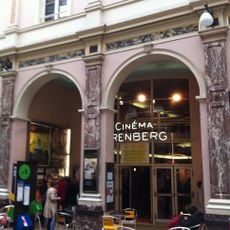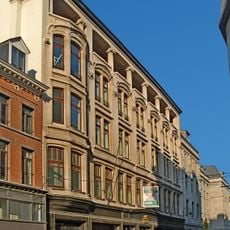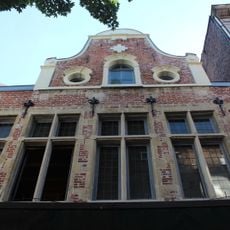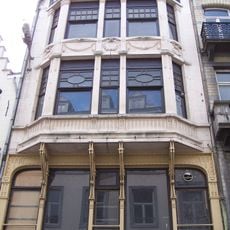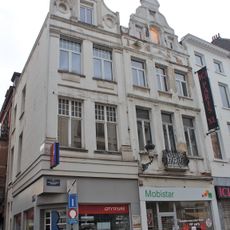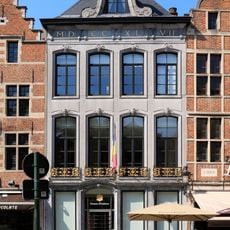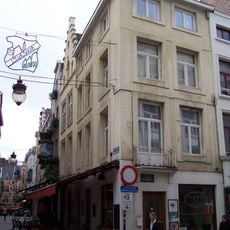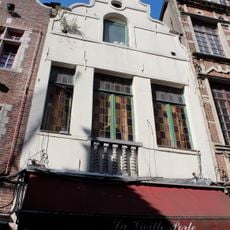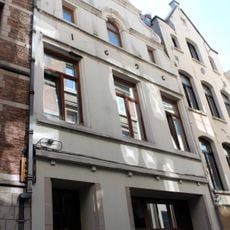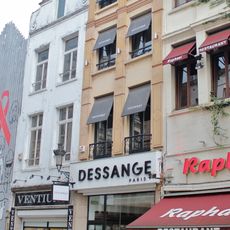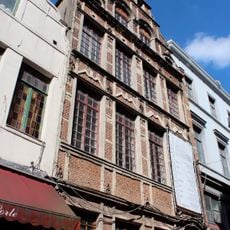
Royal Saint-Hubert Galleries, 19th-century shopping galleries in Îlot Sacré, Belgium
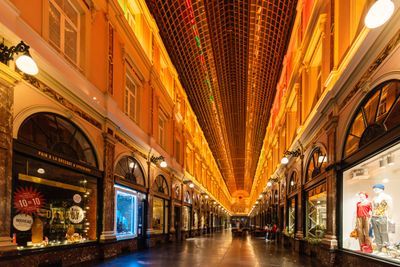
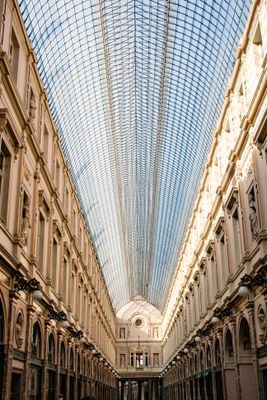
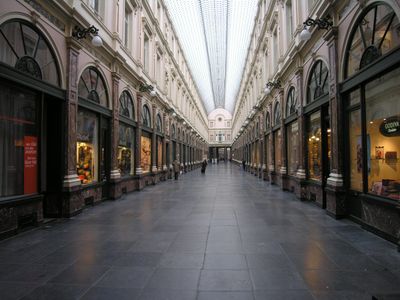
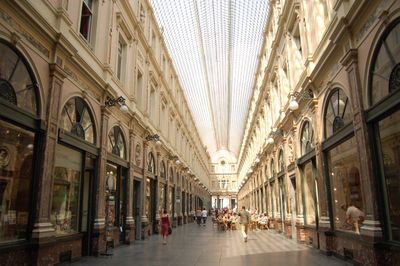
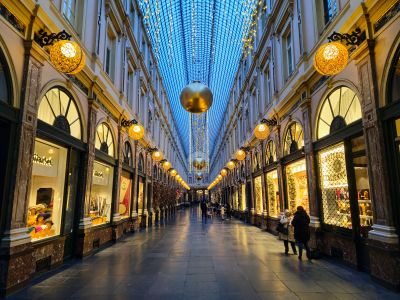
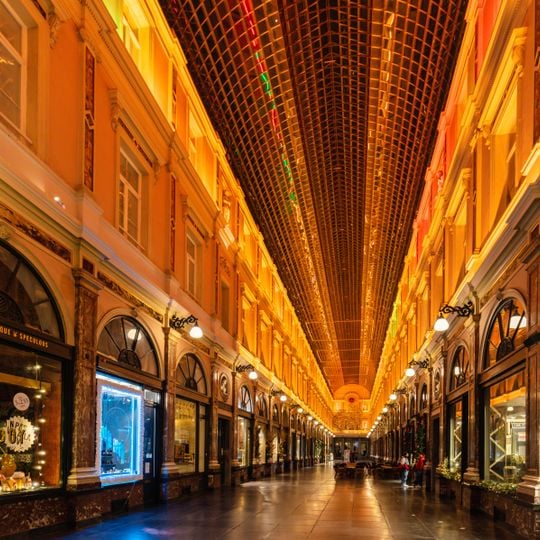
The Royal Saint-Hubert Galleries are a covered passageway in old Brussels stretching over 200 meters, characterized by ornate facades and refined storefronts. The structure divides into three main sections—King's, Queen's, and Princes' Galleries—connected through a central colonnade with shops, restaurants, and cultural venues housed along the passages.
The galleries were completed in 1847 by architect Jean-Pierre Cluysenaar to transform narrow, dark alleyways into a modern covered commercial passage. This project established the site as one of Europe's pioneering shopping centers and influenced urban design across the continent.
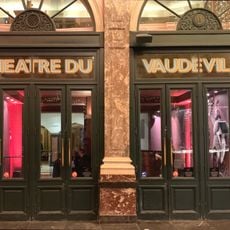
These galleries represent a key meeting place for Brussels residents, who use the covered passages as a shortcut through the old town while browsing shops and visiting the theater. The concentration of Belgian chocolate makers and cultural venues reflects the local pride in craftsmanship and entertainment traditions.
The passages are best explored on foot with level walkways throughout all three sections, making navigation straightforward. Starting at Rue des Bouchers helps you locate the central colonnade and orient yourself before branching into the side galleries.
In March 1896, the passages hosted Belgium's first public motion picture screening, when the Lumière brothers showed their films within these covered halls. This event made the galleries a pioneering venue where technology and entertainment first converged.
The community of curious travelers
AroundUs brings together thousands of curated places, local tips, and hidden gems, enriched daily by 90,828 contributors worldwide.