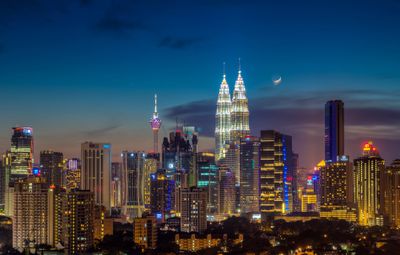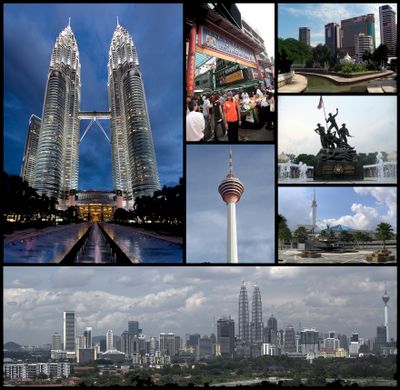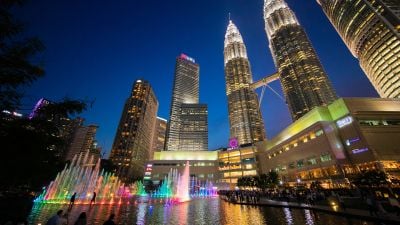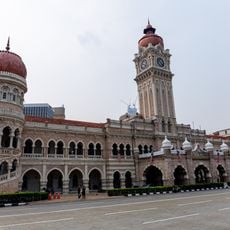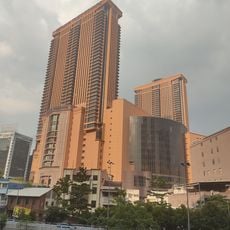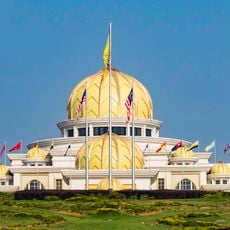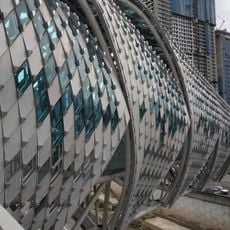
Kuala Lumpur, Federal administrative division in Kuala Lumpur, Malaysia
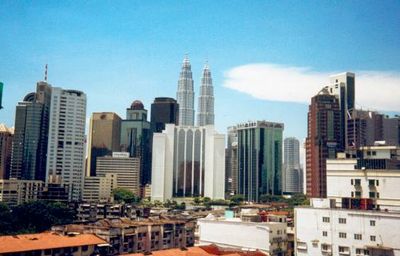
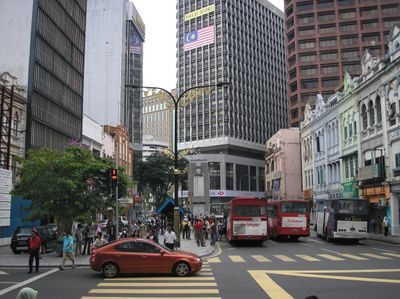
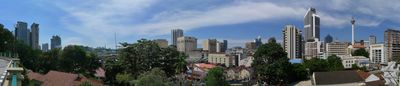
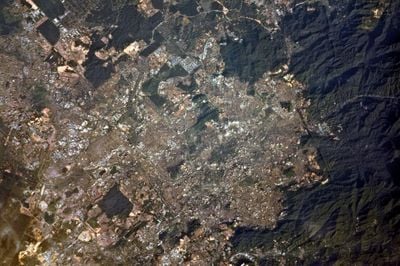
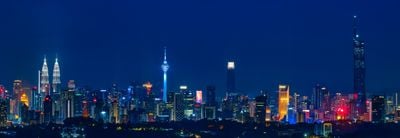
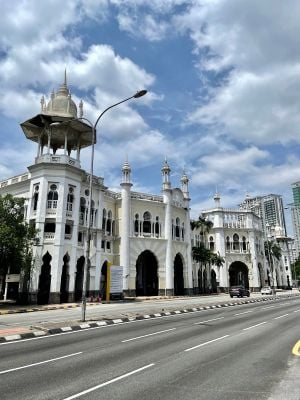
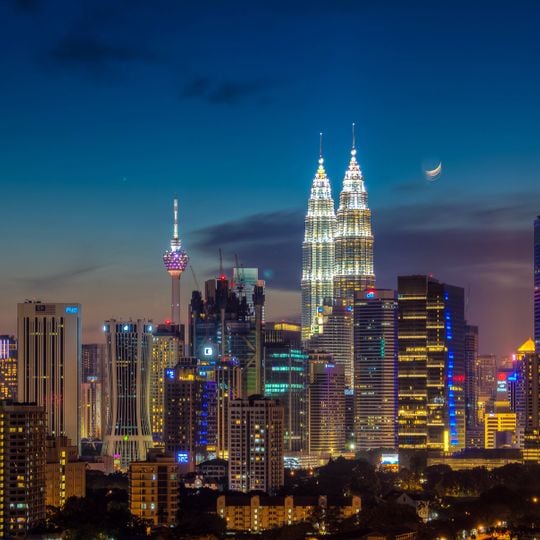
Kuala Lumpur is a federal administrative territory in Malaysia covering a dense urban center with tower blocks, older colonial buildings and sprawling residential neighborhoods spread across multiple districts. The streets are organized by different systems, some following a grid pattern while others wind along the topography of hills and rivers.
The settlement began as a tin mining camp in the 19th century, where traders and workers gathered at the confluence of two rivers. After the country's independence, it was separated from the surrounding province in 1974 to serve as a directly administered federal capital.
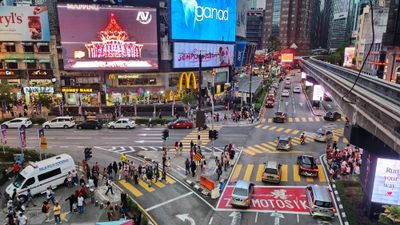
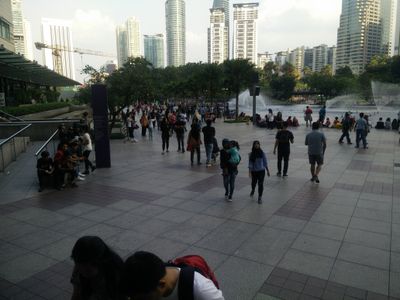
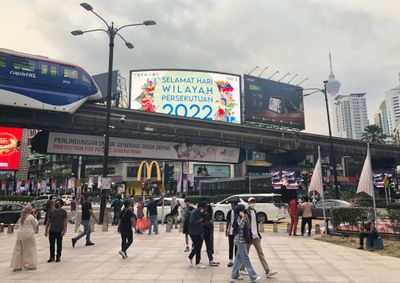
In the public parks and markets across the city, daily life blends Malay, Chinese and Indian communities, each maintaining their own festivals, food stalls and neighborhood routines. The multilingual street signs and the mixed prayer times in different districts show how these groups coexist and preserve their customs.
The city is divided into eleven districts, each with different characters ranging from older quarters with lower buildings to newer business areas with high rises. Visitors often notice that temperatures and air quality can shift depending on the time of day and proximity to green spaces.
The territory covers a relatively small area of less than 250 square kilometers yet contains a sizeable portion of the nation's economic activity. The mayor is appointed by the prime minister rather than elected by residents, which sets it apart in governance from other Malaysian cities.
Location: Malaysia
Inception: 1857
Elevation above the sea: 50 m
Shares border with: Selangor
Address: Kampung Attap, 50000 Kuala Lumpur, Federal Territory of Kuala Lumpur, Malaysia
Email: dbkl@dbkl.gov.my
Website: http://dbkl.gov.my
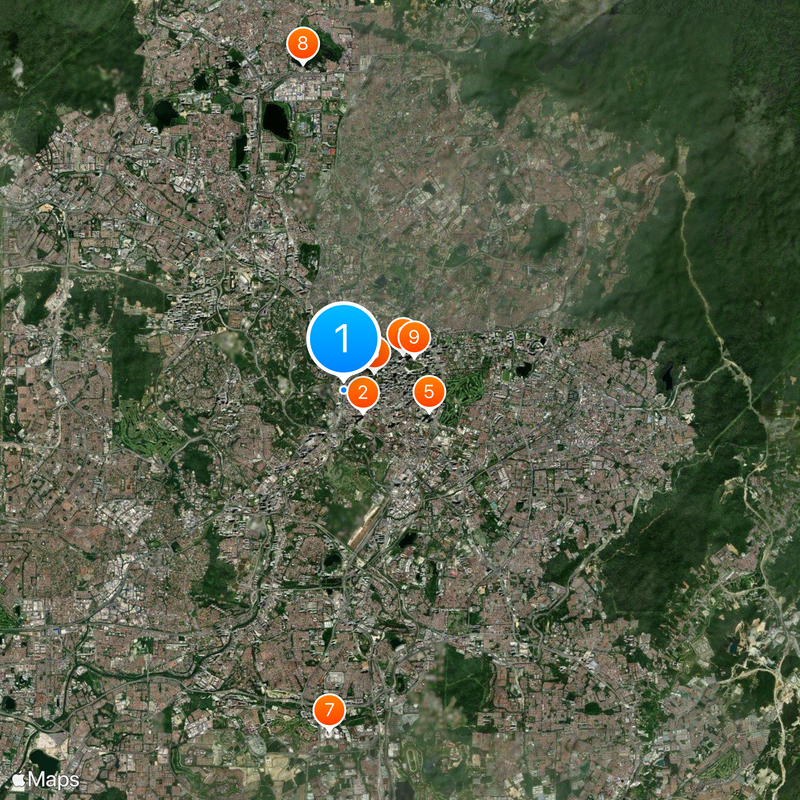
GPS coordinates: 3.14778,101.69528
Latest update: December 2, 2025 19:55
Photo license: CC BY-SA 3.0
Photo license: CC BY 2.0
Photo license: CC BY-SA 2.5
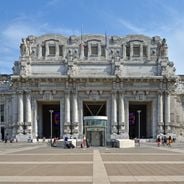
Train stations from around the world selected for their architecture. These buildings represent different periods and architectural styles, from neo-Renaissance to contemporary. Some are adorned with domes, glass canopies, sculptures, and frescoes, while others incorporate modern steel and glass structures. These edifices blend functionality with architectural quality, as demonstrated by Antwerp Central Station with its layered levels or Chhatrapati Shivaji Terminus in Mumbai with its Victorian details.
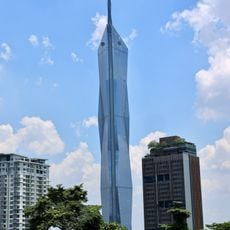
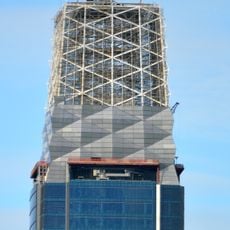
Merdeka 118
898 m
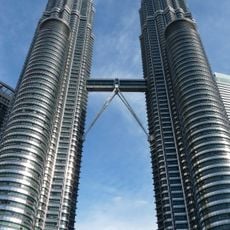
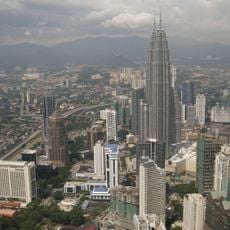
Petronas Towers
2.1 km
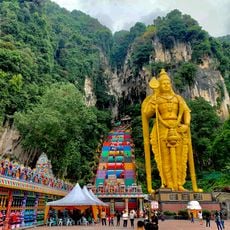
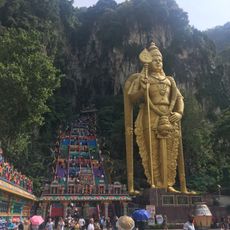
Batu Caves
10.1 km
The Exchange 106
2.7 km
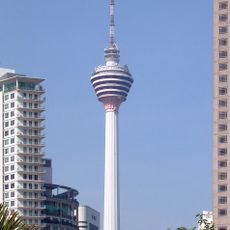
Kuala Lumpur Tower
1.1 km
Batu Caves Murugan Statue
10.1 km
Kuala Lumpur City Centre
2.4 km
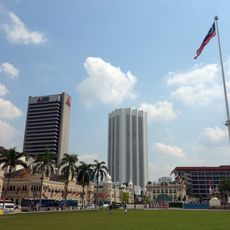
Independence Square
213 m
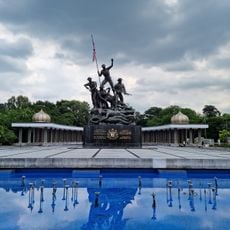
National Monument
1.3 km
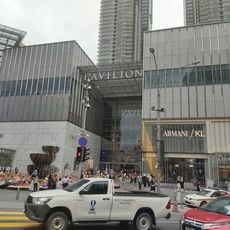
Pavilion Kuala Lumpur
2 km
Sultan Abdul Samad Building
131 m
Berjaya Times Square
1.8 km
Istana Negara, Jalan Tuanku Abdul Halim
3.8 km
Saloma Link
2.1 km
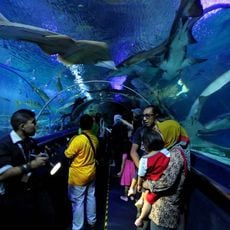
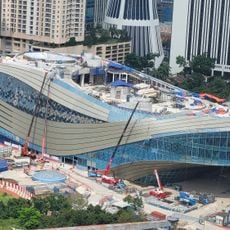
Aquaria KLCC
2.1 km
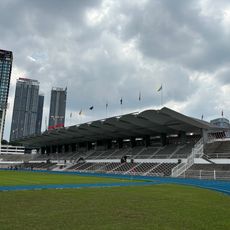
Stadium Merdeka
1.1 km
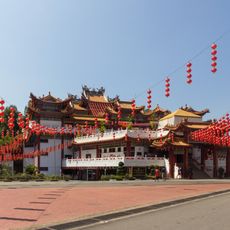
Thean Hou Temple
3 km
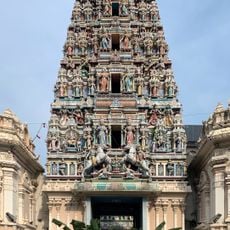
Sri Mahamariamman Temple
502 m
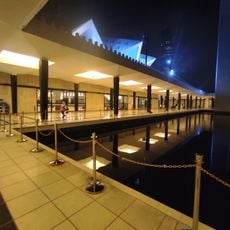
National Mosque of Malaysia
763 m
Kwai Chai Hong
744 m
Sultan Abdul Samad Jamek Mosque
147 m
Bandar Malaysia
3.3 km
Istana Negara, Jalan Istana
1.7 km
Bukit Bintang City Centre
1.6 km
National Zoo of Malaysia
9.8 km
National Museum of Malaysia
1.4 km
Kuala Lumpur Bird Park
963 m
Kuala Lumpur City Hall
534 mReviews
Visited this place? Tap the stars to rate it and share your experience / photos with the community! Try now! You can cancel it anytime.
Discover hidden gems everywhere you go!
From secret cafés to breathtaking viewpoints, skip the crowded tourist spots and find places that match your style. Our app makes it easy with voice search, smart filtering, route optimization, and insider tips from travelers worldwide. Download now for the complete mobile experience.
A unique approach to discovering new places❞
— Le Figaro
All the places worth exploring❞
— France Info
A tailor-made excursion in just a few clicks❞
— 20 Minutes