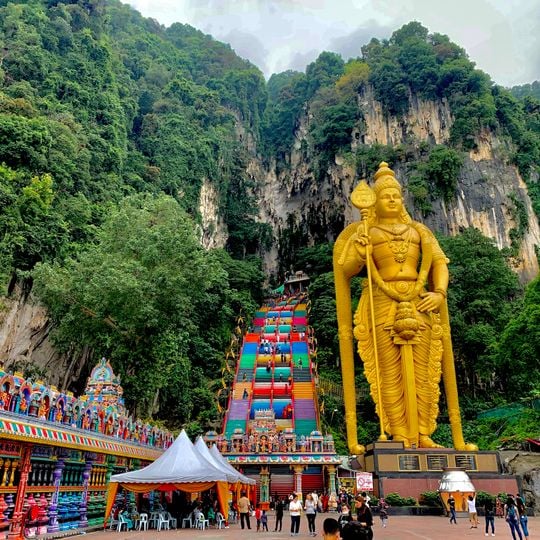
Batu Caves, Hindu temple complex in limestone caves near Kuala Lumpur, Malaysia
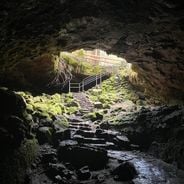
Batu Caves is a Hindu temple complex in limestone caves near Kuala Lumpur in Malaysia. The cave system contains multiple chambers reaching heights of 100 meters (328 feet) with natural formations shaped over 400 million years.
Chinese settlers extracted guano from these caves in the 1860s until American naturalist William Hornaday documented the location in 1878. The site evolved into an important Hindu shrine for the Tamil community in the region over the following decades.
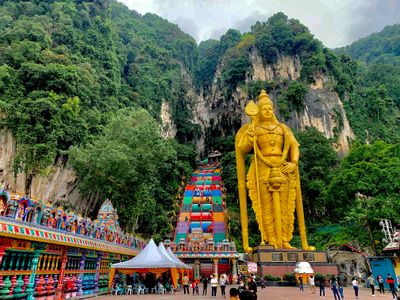
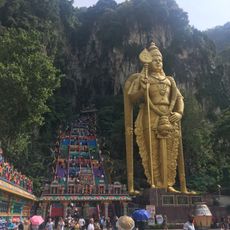
The caves serve as the central location for the annual Thaipusam festival, where Tamil devotees carry kavadi while climbing 272 concrete steps. Pilgrims demonstrate their devotion through ritual practices that visitors can observe directly during this period.
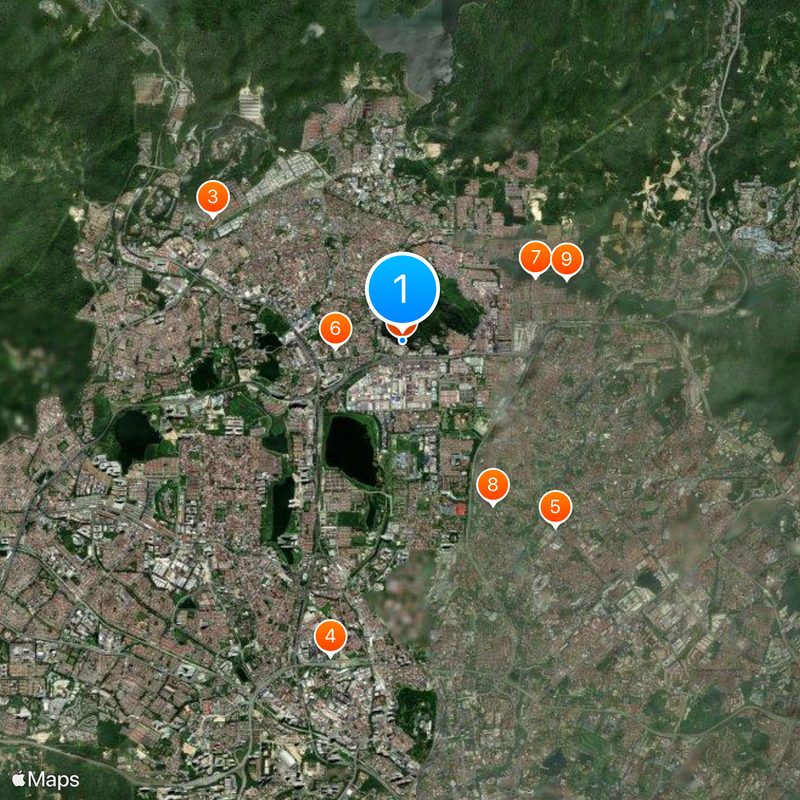
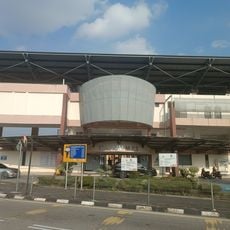
The complex remains open daily from 7:00 AM to 7:00 PM with direct access via KTM Komuter train from Kuala Lumpur Central Station. Visitors should wear appropriate clothing covering shoulders and knees as this is an active place of worship.
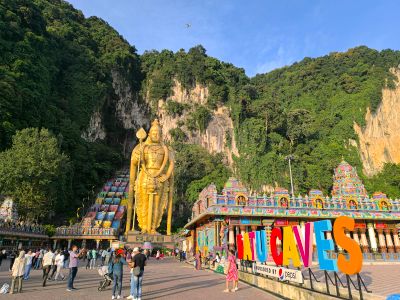
The 42.7-metre gilded Murugan statue beside the stairs was unveiled in January 2006 after three years of work by 15 sculptors from India. It used 1,550 cubic metres of concrete, 250 tonnes of steel and 300 litres of gold paint, and is the tallest Murugan statue in the world.
The community of curious travelers
AroundUs brings together thousands of curated places, local tips, and hidden gems, enriched daily by 92,062 contributors worldwide.