See the monuments around you in AROpen chests in the app
Around Us is built for your phone — point your camera at the streets and discover the monuments and places around you in augmented reality.Around Us is built for your phone — chests unlock when you walk, explore and capture nearby places.
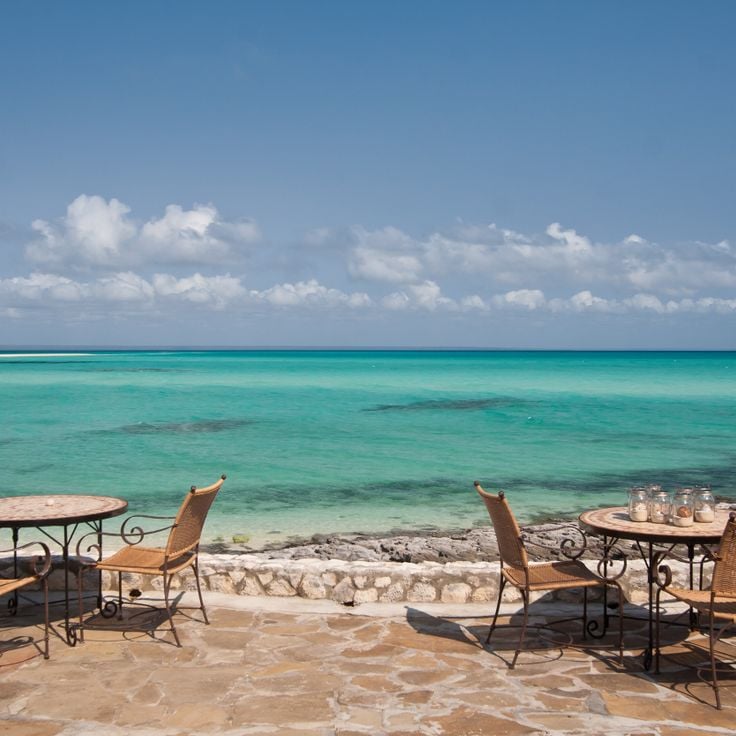
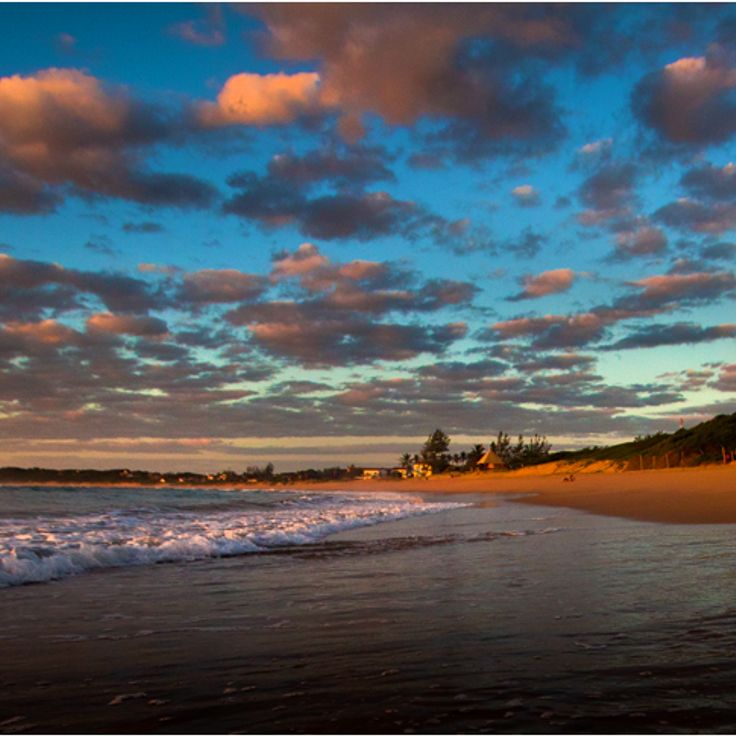
Mozambique stretches along the Indian Ocean coast for 1,500 miles (2,400 kilometers) and presents photographers with diverse subjects. The coastal region includes archipelagos such as Bazaruto and Quirimbas with white sand beaches and coral reefs. Along the shore sit historic structures like Macuti Lighthouse with shipwrecks and Ilha de Moçambique with Portuguese colonial buildings. Beaches including Tofo, Ponta do Ouro and Wimbe draw visitors year-round.
Mozambique stretches along the Indian Ocean coast for 1,500 miles (2,400 kilometers) and presents photographers with diverse subjects. The coastal region includes archipelagos such as Bazaruto and Quirimbas with white sand beaches and coral reefs. Along the shore sit historic structures like Macuti Lighthouse with shipwrecks and Ilha de Moçambique with Portuguese colonial buildings. Beaches including Tofo, Ponta do Ouro and Wimbe draw visitors year-round.
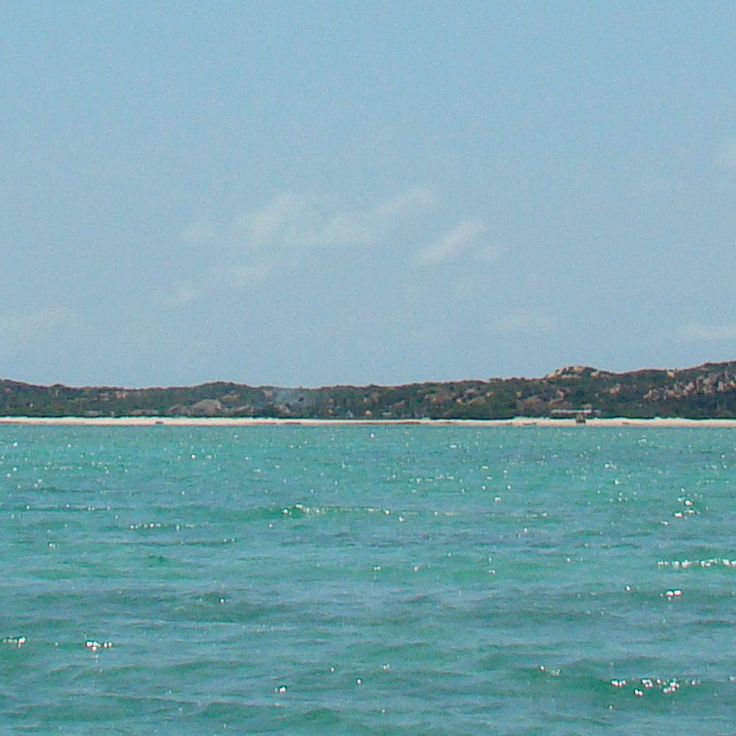
The Quirimbas Islands consist of 32 islands with coral reefs and white sand beaches stretching along the Cabo Delgado coast. These waters support sea turtles and tropical fish, while the reefs provide photographers with subjects for underwater and coastal shots.
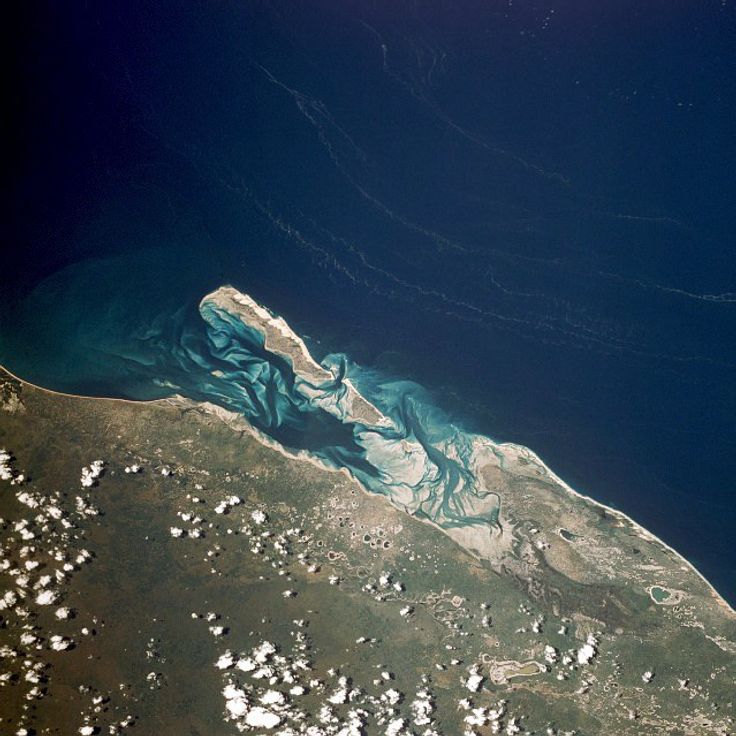
This archipelago off the coast of Inhambane Province comprises five islands that offer photographers sand beaches, coral reefs with dugongs and sea turtles, and traditional fishing villages. The waters around Bazaruto Archipelago support underwater photography of marine life, while the beaches and dunes provide terrestrial subjects. Fishermen still work with traditional dhow boats that serve as foreground subjects. Access requires boat transfers from the mainland ports.
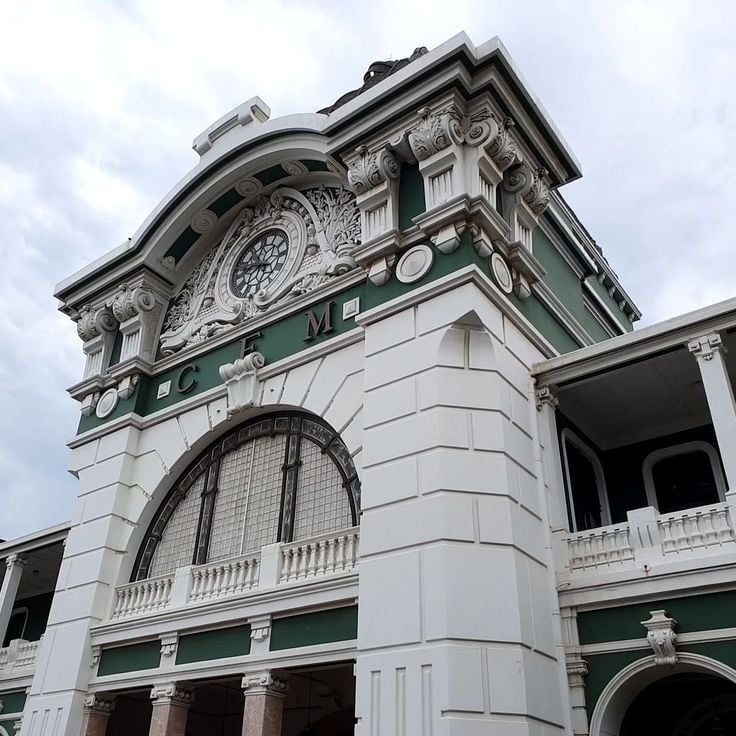
This early 20th-century railway building combines Beaux-Arts architecture with a prominent metal and glass dome structure. The green and white exterior walls and central platform area provide photographers with clear sight lines to the architectural details of this historic transport facility, which has served the capital's rail traffic since 1910.
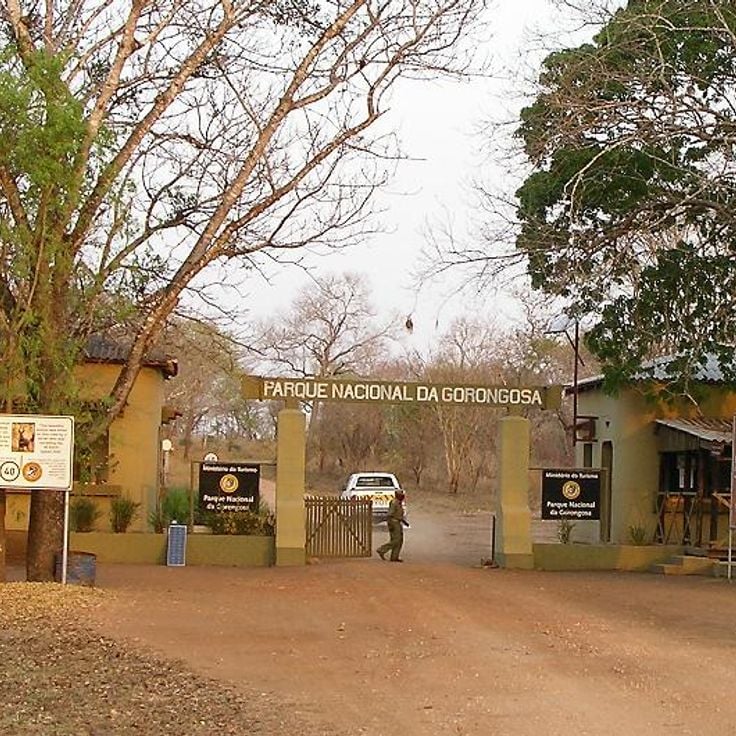
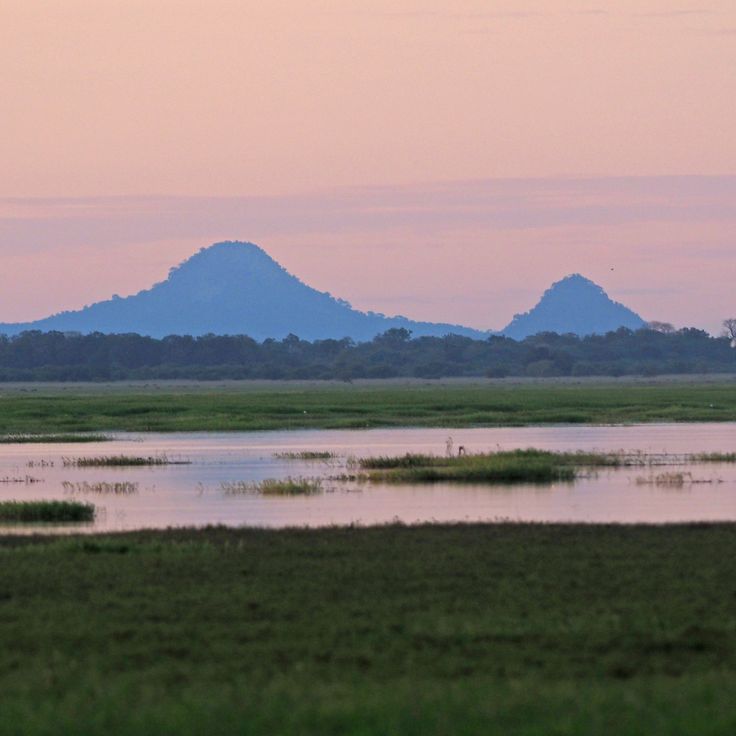
Gorongosa National Park spans 4,000 square miles (10,000 square kilometers) and presents photographers with savannas, forests and mountain terrain. This reserve shelters elephants, lions, antelopes and more than 400 bird species. Vegetation ranges from grasslands to dense forest zones on Mount Gorongosa. Photographers capture wildlife along the river systems and document the recovery of animal populations following the civil war years.
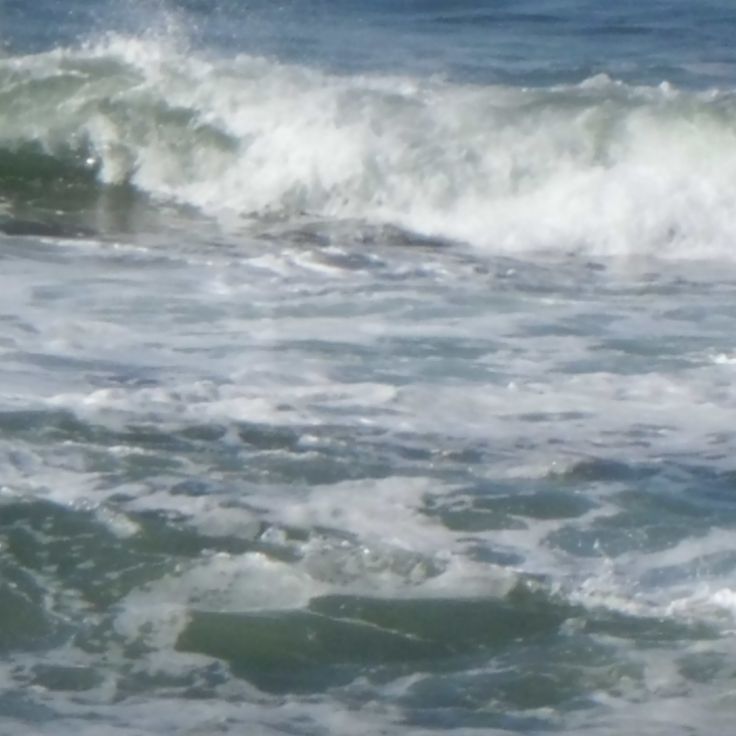
Ponta do Ouro sits on the southern coast of Maputo Province and serves as a popular beach destination for photographers capturing bright sand beaches and marine landscapes. This coastal town offers numerous subjects from divers in clear waters to surfers riding the waves, while dolphins regularly appear offshore and create additional photographic opportunities.
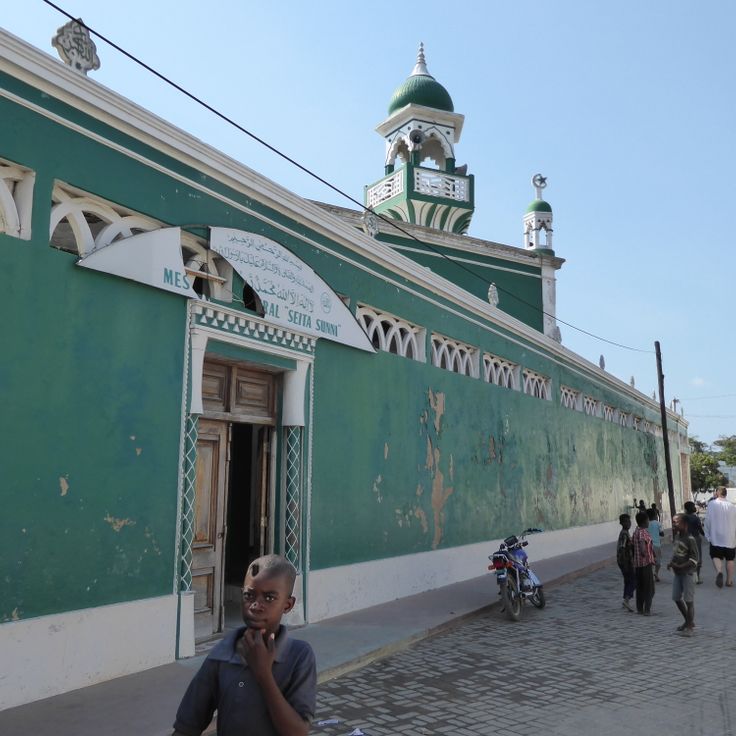
This island off the coast of Nampula shows Portuguese colonial buildings from the 16th century, a fortress, and traditional stone houses with Arab and Indian influences. Ilha de Moçambique offers photographers historic architecture, narrow lanes, and coastal views that reflect centuries of trading history.
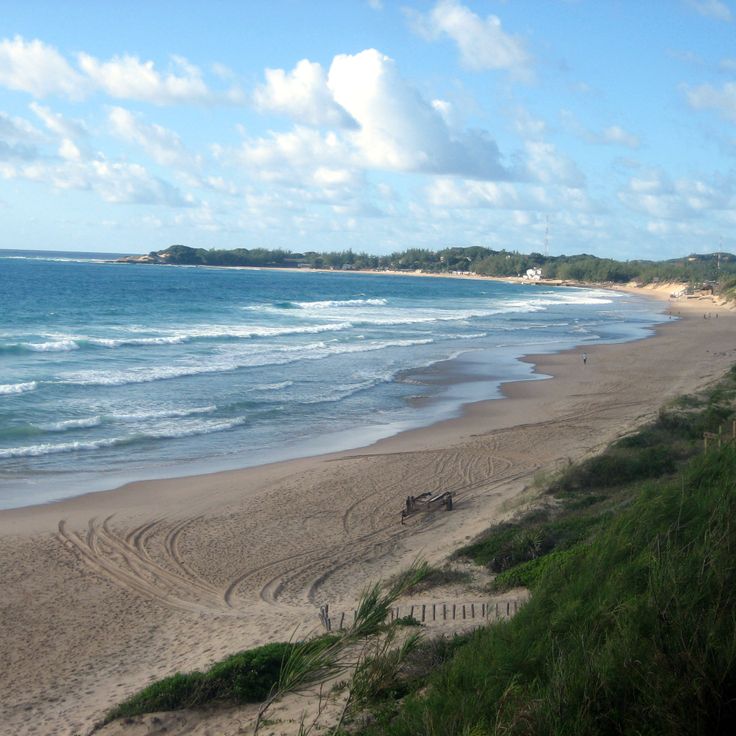
This 8-mile sand beach along the Inhambane Province coastline provides consistent conditions for water sports and swimming. The waters off Tofo Beach are known for encounters with manta rays and whale sharks that frequent the area year-round. Photographers find varied perspectives along the beach, from early morning shots of the shoreline to images of fishing boats launching daily from the sand.
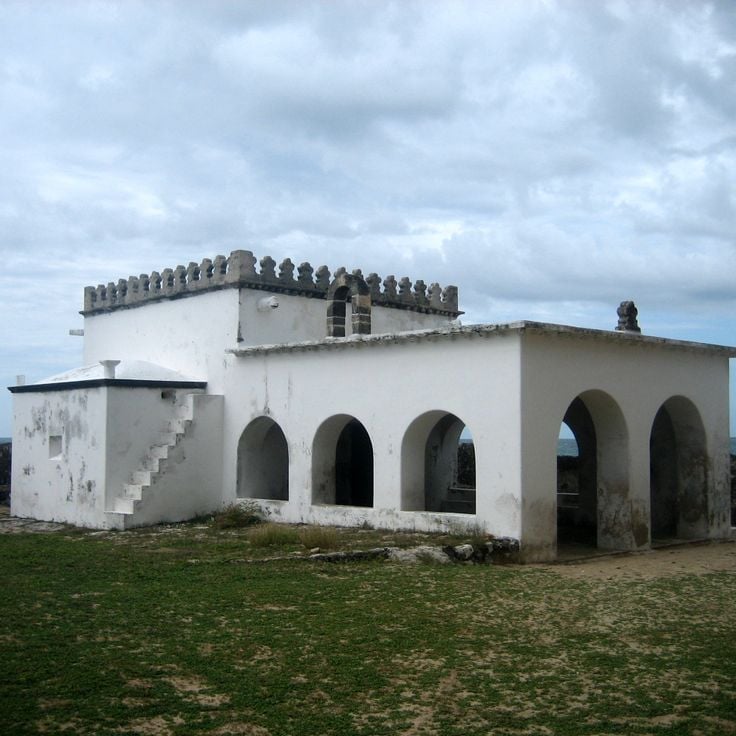
This early 16th-century chapel stands as one of the oldest surviving European buildings in the Southern Hemisphere. The small structure perches on a rocky outcrop overlooking the Indian Ocean and displays the architecture of the first Portuguese settlers in Mozambique. The site offers views of the white facade against blue water and the historic stone walls that have weathered centuries of wind and waves.
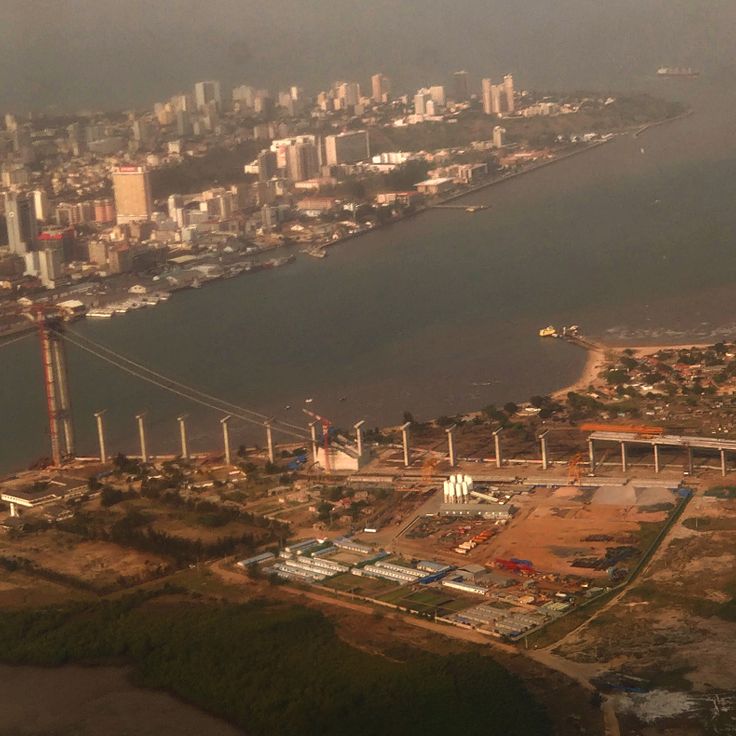
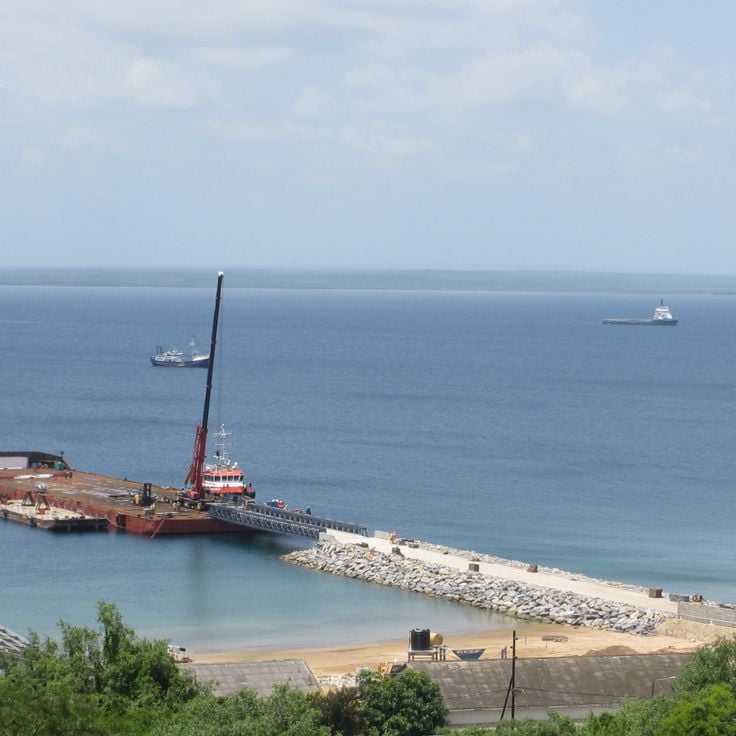
This fishing village stretches along Maputo Bay and offers photographers scenes of fishing boats at the shore, views of the capital across the water and daily life in the streets. Local galleries display works by regional artists. The waterfront provides opportunities to capture the skyline at sunset and the ferries that connect Catembe with Maputo.
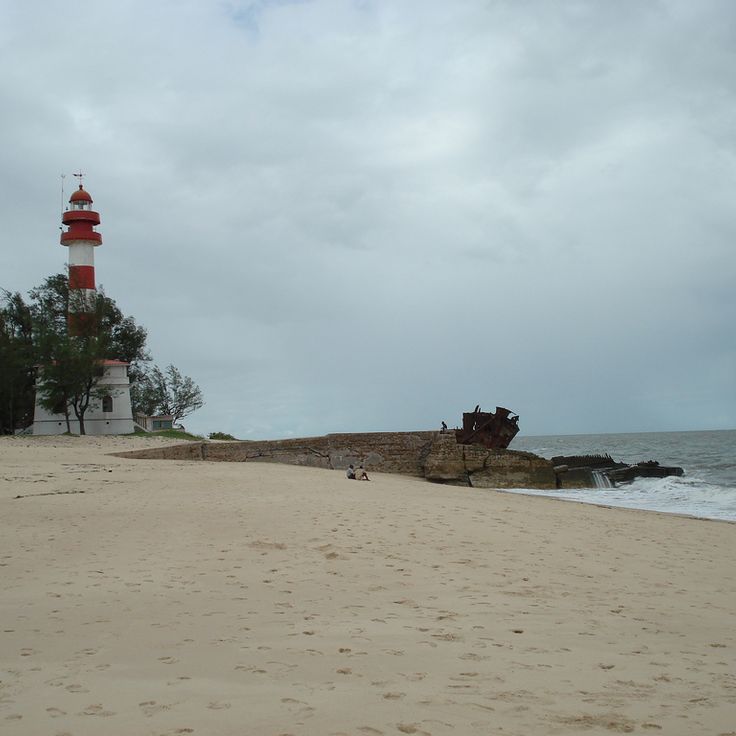
This white lighthouse stands on the Beira coastline and has marked the harbor entrance for decades. Next to the tower lie the rusting remains of a stranded steel vessel, partially submerged in the shallow waters of the Indian Ocean. The combination of working navigation and maritime wreckage offers photographers a documentary view of Mozambique's seafaring history.
Vilankulo serves as the departure point to the islands of the Bazaruto Archipelago and offers photographers access to white sand beaches and traditional fishing boats. The coastline features clear waters and handcrafted dhow boats anchored along the waterfront promenade.
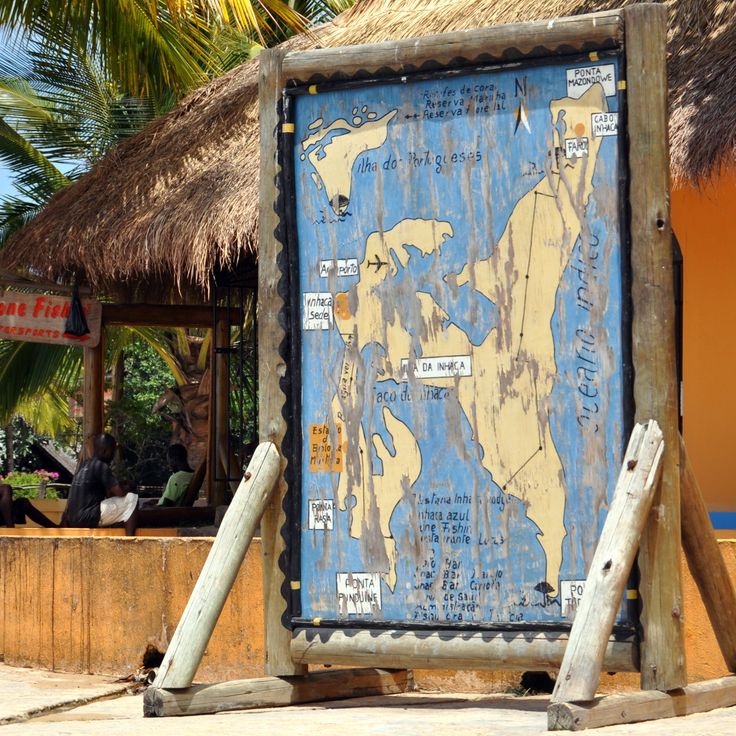
This subtropical island off the coast of Maputo Province draws photographers with its beaches, coral reefs and historic lighthouse. Inhaca Island hosts a marine research center and serves as habitat for numerous bird species. Photographers can document coastal landscapes, marine life and colonial architecture here.
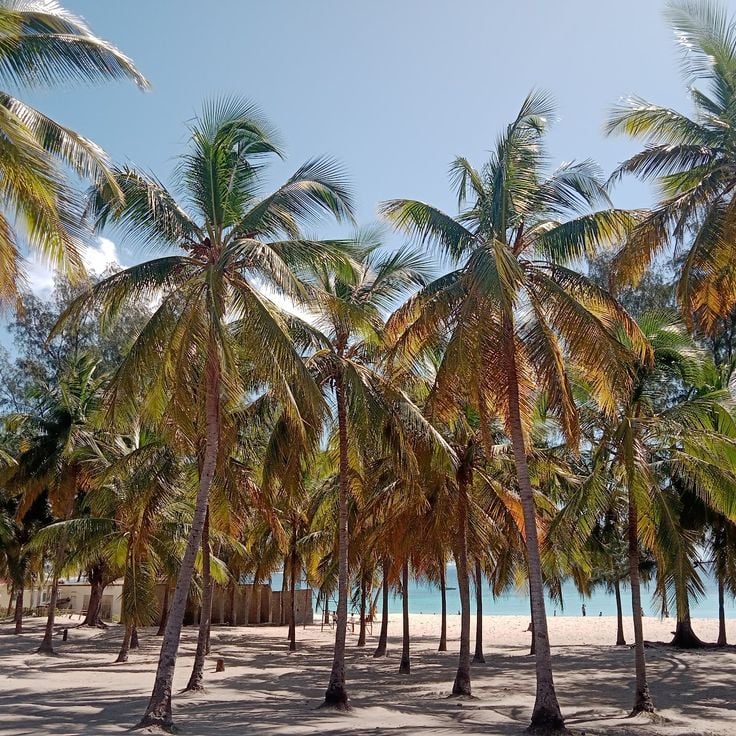
This beach in Zambezia Province extends for 7.5 miles (12 kilometers) with white sand and clear water. Palm trees provide shade while local fishermen bring fresh seafood daily. Praia da Zalala offers photographers natural coastal light, traditional fishing boats and palm groves along the waterline. The combination of human activity and natural landscape creates subjects that document life on the Mozambican coast.
This reserve covers 16,200 square miles (42,000 square kilometers) of miombo woodlands and grasslands in northern Mozambique. The area supports large populations of elephants, lions and wild dogs, offering photographers opportunities to document wildlife across one of Africa's largest conservation areas.
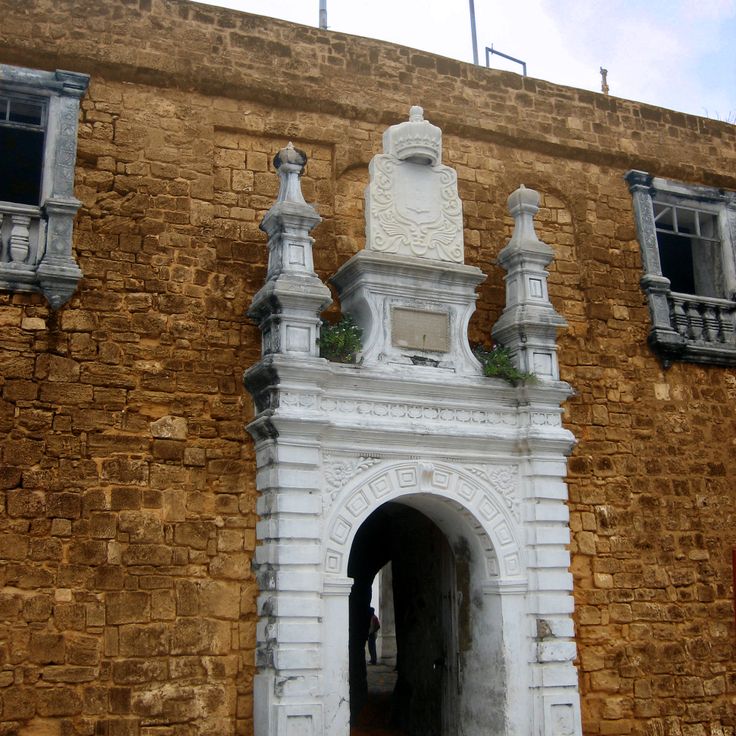
This island in the Indian Ocean preserves Portuguese forts from the 16th century and buildings with colonial architecture. The historic structures stand along narrow streets that lead to the shoreline, where the sea meets the surrounding reef. Photographers find subjects in decaying facades, carved wooden doors and stone walls set against the sky, as well as boats moored off the coast.
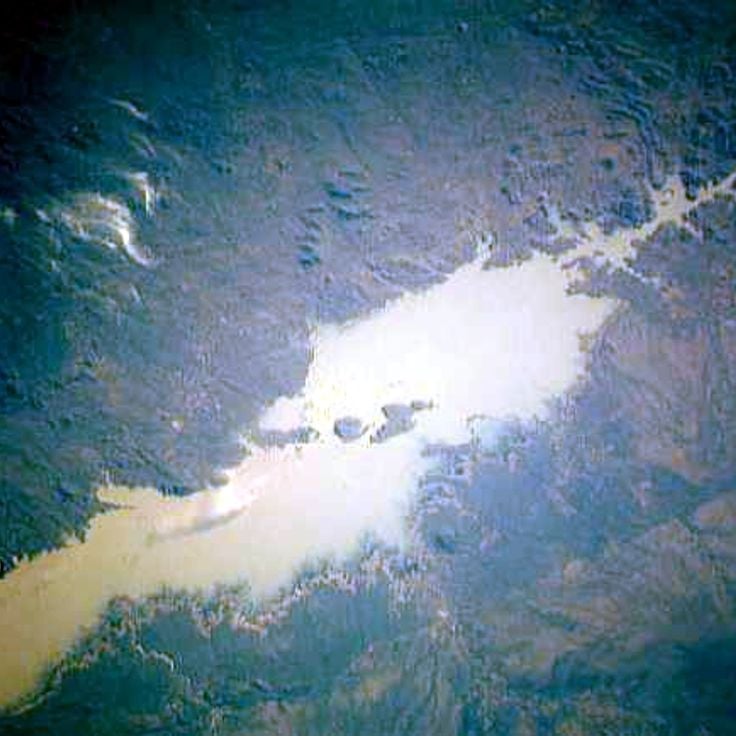
This dam stands 171 meters (561 feet) high and serves as Mozambique's largest hydroelectric facility, generating power for the country and South Africa. The reservoir stretches 250 kilometers (155 miles) along the Zambezi River, offering photographers views of the concrete wall, turbine installations and expansive water surfaces between the mountains of Tete Province.
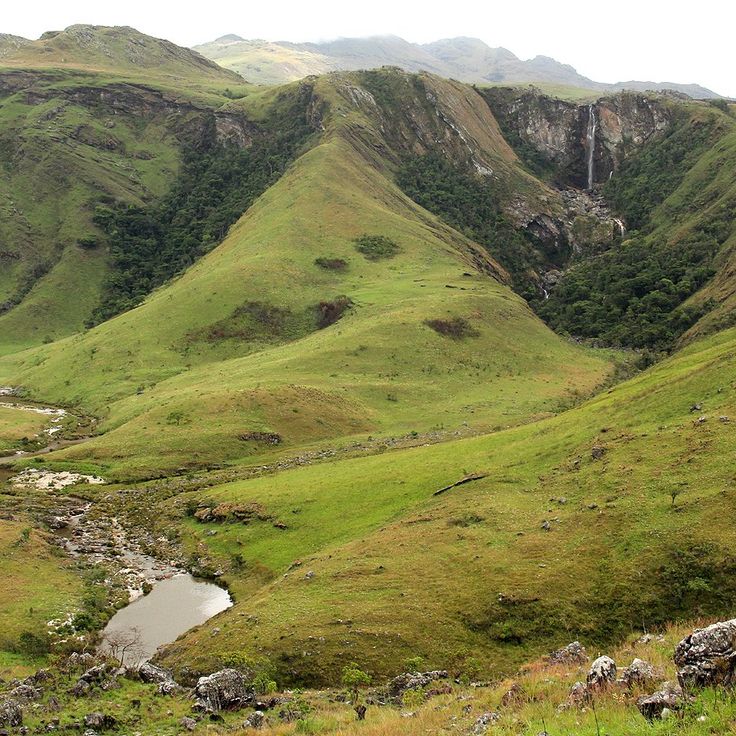
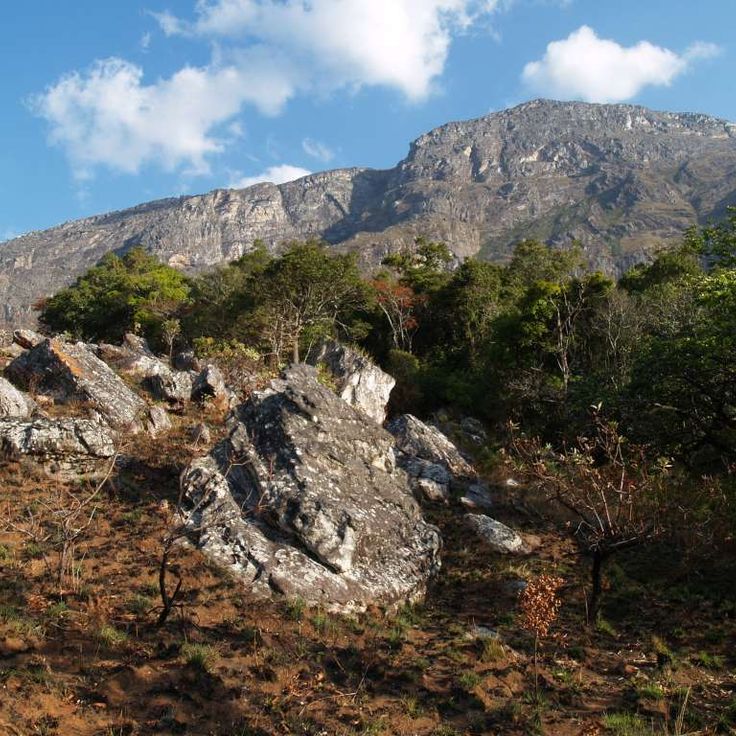
The Serra da Gorongosa reaches an elevation of 6,112 feet (1,863 meters) and provides photographers with tropical rainforests containing numerous endemic plant and animal species. This mountain range shelters rare orchids, chameleons and bird species that inhabit the dense forests and waterfalls. The summit area with its mist forests and the surrounding ecosystem offer a distinct contrast to the coastal landscapes and expand Mozambique's photographic diversity with alpine and forest-rich subjects.
This northern bay in Mozambique presents coral formations, tropical fish and mangroves along the coast. Photographers find long sandy beaches, marine ecosystems and clear waters for underwater shots, plus coastal landscapes with natural vegetation.
The Chimanimani Mountains extend over 30 miles (50 kilometers) and offer photographers marked trails through granite outcrops and native forests, providing a contrast to Mozambique's coastal landscapes and opportunities for images of mountain formations and dense vegetation.
This island in the Bazaruto Archipelago extends for roughly 2 miles and offers white sand beaches that work well for photography. The clear water reveals coral formations and tropical fish while snorkeling. The coastline features palm trees and natural vegetation that contrast with the beaches. Sandbars appear during low tide. The remote location allows for shots without crowds. Dhow boats operate between the archipelago islands, adding visual interest to coastal compositions.
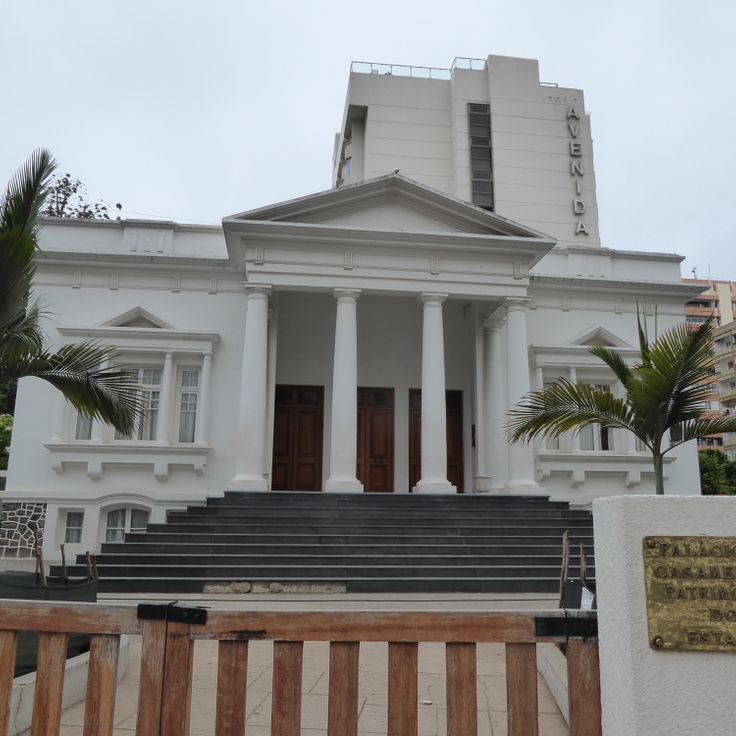
This early 20th-century government building features Portuguese architectural elements, columns and stone ornaments, and now serves as a civil registry office. The Palácio dos Casamentos provides photographers with a colonial-era structure showcasing symmetrical facades and decorative details that document the historical connection between Mozambique and Portugal.
This stretch of coast sits about 7.5 miles (12 kilometers) from Xai-Xai and includes a sheltered lagoon with coral reefs. The shallow waters suit swimming and snorkeling, while divers explore deeper sections with various marine species. The long white sand beach is lined with palm trees and offers several vantage points along the shoreline. Fishermen use traditional boats in the bay, and tidal currents create changing conditions for underwater photography.
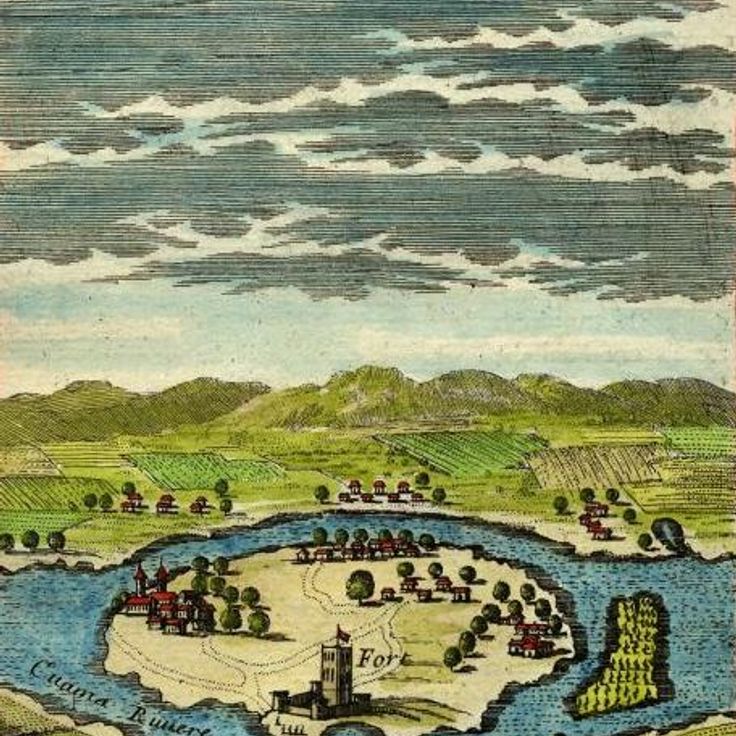
This 16th-century Portuguese trading station on the Sofala Province coast preserves remnants of stone walls and foundations. Nova Sofala offers photographers archaeological artifacts and colonial-era structures that document early European presence on the East African coast. The ruins reveal centuries of trade and maritime connections between Europe, Africa and Asia. The site provides context for understanding Portuguese expansion and coastal commerce in Mozambique.
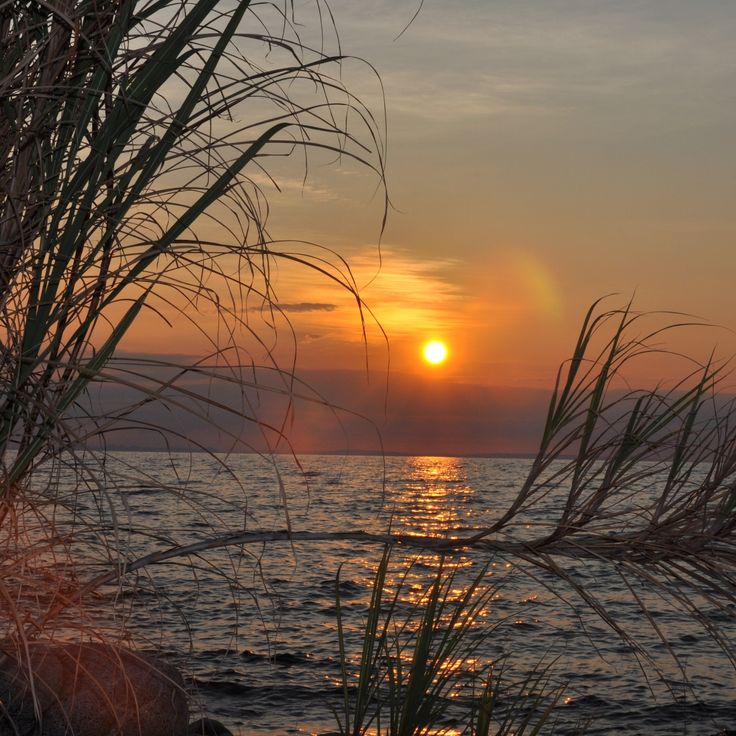
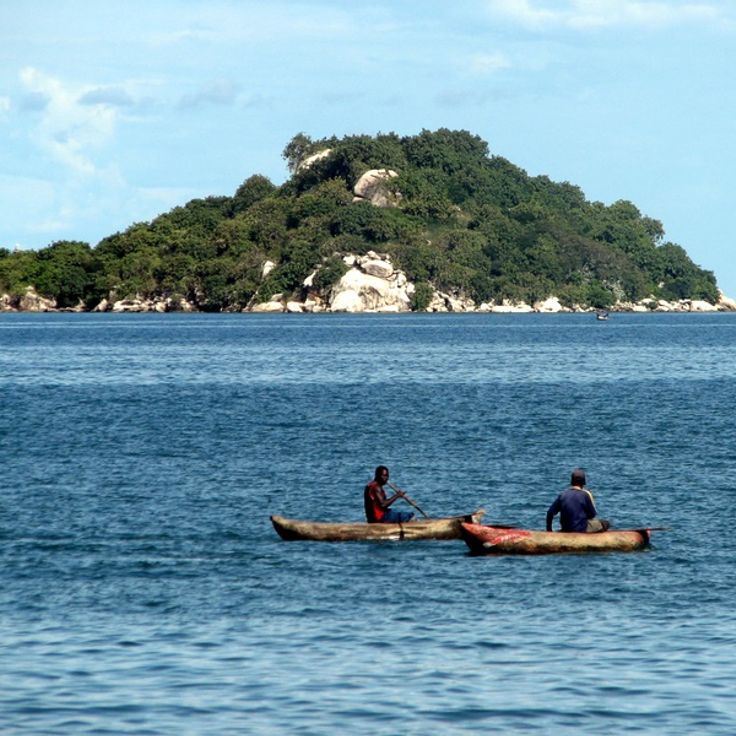
This large freshwater lake extends 342 miles (550 kilometers) along the border between Mozambique, Malawi and Tanzania, characterized by clear waters and surrounding mountain ranges. Photographers find subjects including fishing villages, traditional boats and water birds, along with panoramas across the wide water surface that work particularly well at sunrise and sunset.
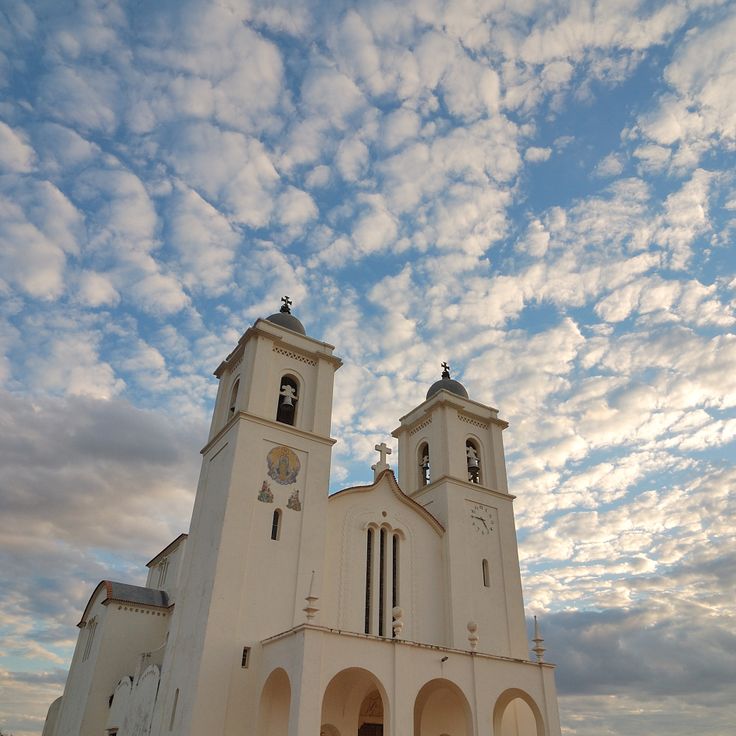
This cathedral in central Nampula displays a tall nave architecture with stained glass windows, thick stone walls and two bell towers with pointed roofs. The religious site offers photographers opportunities to capture the white facade, architectural details and interior spaces with natural light filtering through the colored windows.
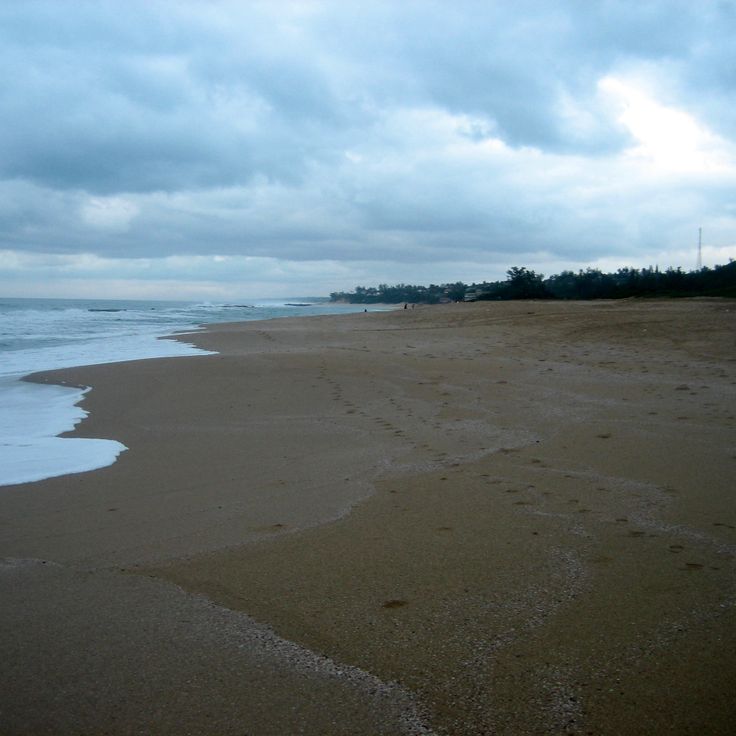
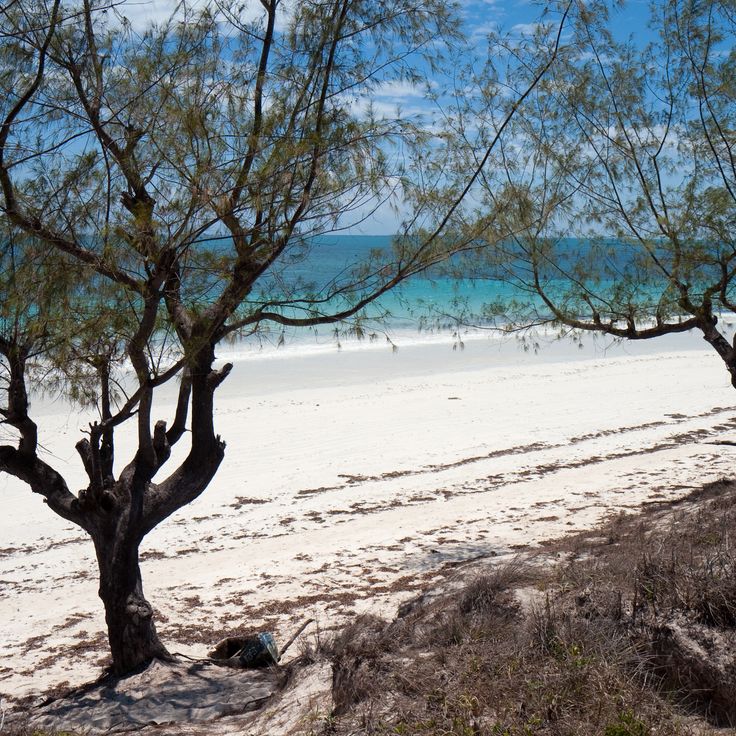
This sandy beach stretches along the coast of Nampula Province and offers clear water that provides good conditions for swimming and snorkeling. The location makes it a suitable subject for capturing Mozambique's coastal landscape, with white sand and turquoise water that illustrate the region's typical characteristics.
This 6-mile (10-kilometer) stretch of coastline offers white sand and warm water for capturing Mozambique's coastal landscape. Palm trees line Morrungulo Beach, where local fishermen bring their daily catch of fresh seafood ashore. The dunes and turquoise water provide subjects for coastal and underwater photography in this less visited region of Inhambane Province.
Monte Binga stands at 7,992 feet (2,436 meters) above sea level as the highest point in Mozambique and provides photographers with mountain landscapes along the border with Zimbabwe. This granite peak in the Chimanimani Range draws climbers from across the region and offers opportunities to photograph rock formations, cloud forests and alpine grasslands. The summit requires multi-day treks through demanding terrain with elevation gains exceeding 5,900 feet (1,800 meters).
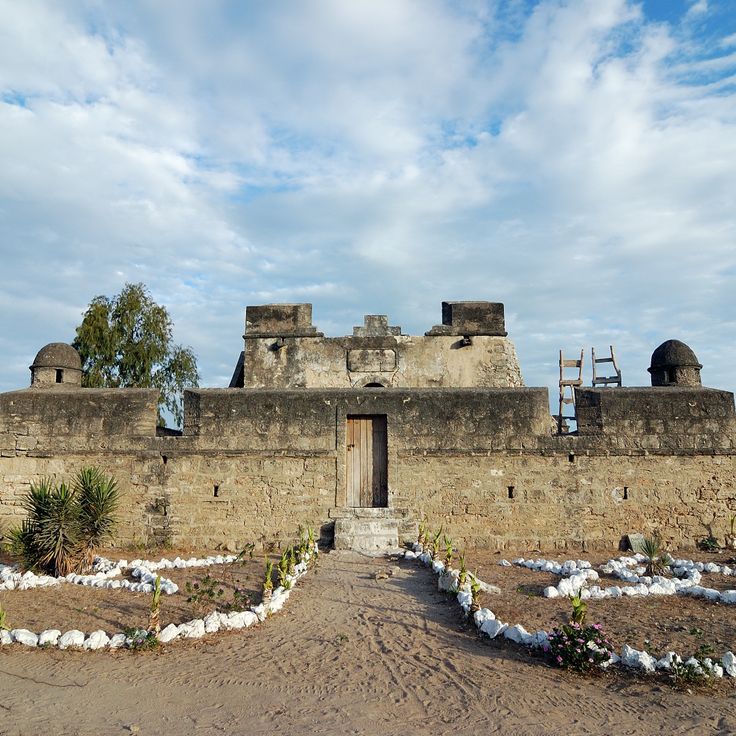
This historic fortress on the coast of Ilha de Moçambique was built by the Portuguese in the 16th century and offers photographers angles on bastion walls, weathered cannons and observation points overlooking the Indian Ocean that work for images in different light conditions.
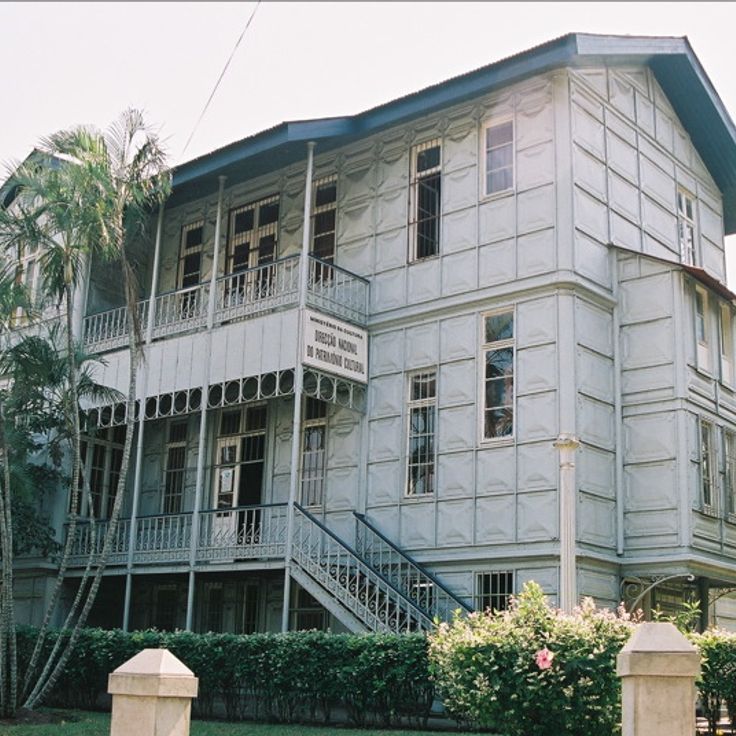
Casa do Ferro is a fully iron-constructed building in central Maputo, designed by Gustave Eiffel's firm. This two-story house features distinctive metal panels and ornate iron beams that stand as an architectural testament from the colonial period, offering photographers a rare example of prefabricated iron architecture in Africa, with the structure creating strong contrasts in morning or late afternoon light.
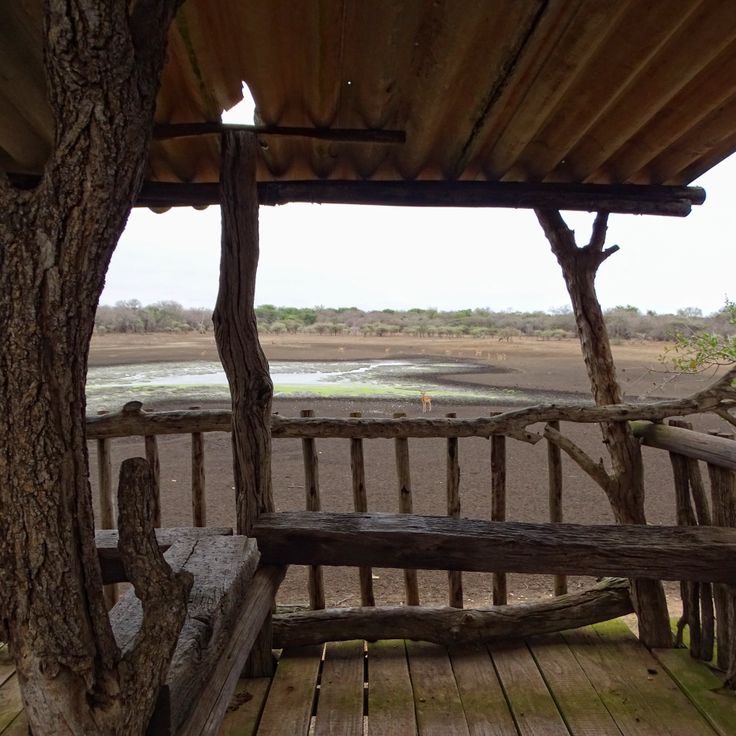
This wildlife park on the border between Eswatini and Mozambique provides habitat for elephants, lions, rhinos and numerous bird species. The open savanna landscapes and water holes create favorable conditions for game viewing and nature photography. Hlane Royal National Park sits in the lowveld and covers several hundred square miles of protected territory.
This two-kilometer sandy shore in Pemba offers calm water and palm trees along the coast, where sandbars emerge at low tide in the Indian Ocean and create different perspectives for coastal photography.
The Quirimbas Islands consist of 32 islands with coral reefs and white sand beaches stretching along the Cabo Delgado coast. These waters support sea turtles and tropical fish, while the reefs provide photographers with subjects for underwater and coastal shots.
This archipelago off the coast of Inhambane Province comprises five islands that offer photographers sand beaches, coral reefs with dugongs and sea turtles, and traditional fishing villages. The waters around Bazaruto Archipelago support underwater photography of marine life, while the beaches and dunes provide terrestrial subjects. Fishermen still work with traditional dhow boats that serve as foreground subjects. Access requires boat transfers from the mainland ports.
This early 20th-century railway building combines Beaux-Arts architecture with a prominent metal and glass dome structure. The green and white exterior walls and central platform area provide photographers with clear sight lines to the architectural details of this historic transport facility, which has served the capital's rail traffic since 1910.
Gorongosa National Park spans 4,000 square miles (10,000 square kilometers) and presents photographers with savannas, forests and mountain terrain. This reserve shelters elephants, lions, antelopes and more than 400 bird species. Vegetation ranges from grasslands to dense forest zones on Mount Gorongosa. Photographers capture wildlife along the river systems and document the recovery of animal populations following the civil war years.
Ponta do Ouro sits on the southern coast of Maputo Province and serves as a popular beach destination for photographers capturing bright sand beaches and marine landscapes. This coastal town offers numerous subjects from divers in clear waters to surfers riding the waves, while dolphins regularly appear offshore and create additional photographic opportunities.
This island off the coast of Nampula shows Portuguese colonial buildings from the 16th century, a fortress, and traditional stone houses with Arab and Indian influences. Ilha de Moçambique offers photographers historic architecture, narrow lanes, and coastal views that reflect centuries of trading history.
This 8-mile sand beach along the Inhambane Province coastline provides consistent conditions for water sports and swimming. The waters off Tofo Beach are known for encounters with manta rays and whale sharks that frequent the area year-round. Photographers find varied perspectives along the beach, from early morning shots of the shoreline to images of fishing boats launching daily from the sand.
This early 16th-century chapel stands as one of the oldest surviving European buildings in the Southern Hemisphere. The small structure perches on a rocky outcrop overlooking the Indian Ocean and displays the architecture of the first Portuguese settlers in Mozambique. The site offers views of the white facade against blue water and the historic stone walls that have weathered centuries of wind and waves.
This fishing village stretches along Maputo Bay and offers photographers scenes of fishing boats at the shore, views of the capital across the water and daily life in the streets. Local galleries display works by regional artists. The waterfront provides opportunities to capture the skyline at sunset and the ferries that connect Catembe with Maputo.
This white lighthouse stands on the Beira coastline and has marked the harbor entrance for decades. Next to the tower lie the rusting remains of a stranded steel vessel, partially submerged in the shallow waters of the Indian Ocean. The combination of working navigation and maritime wreckage offers photographers a documentary view of Mozambique's seafaring history.
Vilankulo serves as the departure point to the islands of the Bazaruto Archipelago and offers photographers access to white sand beaches and traditional fishing boats. The coastline features clear waters and handcrafted dhow boats anchored along the waterfront promenade.
This subtropical island off the coast of Maputo Province draws photographers with its beaches, coral reefs and historic lighthouse. Inhaca Island hosts a marine research center and serves as habitat for numerous bird species. Photographers can document coastal landscapes, marine life and colonial architecture here.
This beach in Zambezia Province extends for 7.5 miles (12 kilometers) with white sand and clear water. Palm trees provide shade while local fishermen bring fresh seafood daily. Praia da Zalala offers photographers natural coastal light, traditional fishing boats and palm groves along the waterline. The combination of human activity and natural landscape creates subjects that document life on the Mozambican coast.
This reserve covers 16,200 square miles (42,000 square kilometers) of miombo woodlands and grasslands in northern Mozambique. The area supports large populations of elephants, lions and wild dogs, offering photographers opportunities to document wildlife across one of Africa's largest conservation areas.
This island in the Indian Ocean preserves Portuguese forts from the 16th century and buildings with colonial architecture. The historic structures stand along narrow streets that lead to the shoreline, where the sea meets the surrounding reef. Photographers find subjects in decaying facades, carved wooden doors and stone walls set against the sky, as well as boats moored off the coast.
This dam stands 171 meters (561 feet) high and serves as Mozambique's largest hydroelectric facility, generating power for the country and South Africa. The reservoir stretches 250 kilometers (155 miles) along the Zambezi River, offering photographers views of the concrete wall, turbine installations and expansive water surfaces between the mountains of Tete Province.
The Serra da Gorongosa reaches an elevation of 6,112 feet (1,863 meters) and provides photographers with tropical rainforests containing numerous endemic plant and animal species. This mountain range shelters rare orchids, chameleons and bird species that inhabit the dense forests and waterfalls. The summit area with its mist forests and the surrounding ecosystem offer a distinct contrast to the coastal landscapes and expand Mozambique's photographic diversity with alpine and forest-rich subjects.
This northern bay in Mozambique presents coral formations, tropical fish and mangroves along the coast. Photographers find long sandy beaches, marine ecosystems and clear waters for underwater shots, plus coastal landscapes with natural vegetation.
The Chimanimani Mountains extend over 30 miles (50 kilometers) and offer photographers marked trails through granite outcrops and native forests, providing a contrast to Mozambique's coastal landscapes and opportunities for images of mountain formations and dense vegetation.
This island in the Bazaruto Archipelago extends for roughly 2 miles and offers white sand beaches that work well for photography. The clear water reveals coral formations and tropical fish while snorkeling. The coastline features palm trees and natural vegetation that contrast with the beaches. Sandbars appear during low tide. The remote location allows for shots without crowds. Dhow boats operate between the archipelago islands, adding visual interest to coastal compositions.
This early 20th-century government building features Portuguese architectural elements, columns and stone ornaments, and now serves as a civil registry office. The Palácio dos Casamentos provides photographers with a colonial-era structure showcasing symmetrical facades and decorative details that document the historical connection between Mozambique and Portugal.
This stretch of coast sits about 7.5 miles (12 kilometers) from Xai-Xai and includes a sheltered lagoon with coral reefs. The shallow waters suit swimming and snorkeling, while divers explore deeper sections with various marine species. The long white sand beach is lined with palm trees and offers several vantage points along the shoreline. Fishermen use traditional boats in the bay, and tidal currents create changing conditions for underwater photography.
This 16th-century Portuguese trading station on the Sofala Province coast preserves remnants of stone walls and foundations. Nova Sofala offers photographers archaeological artifacts and colonial-era structures that document early European presence on the East African coast. The ruins reveal centuries of trade and maritime connections between Europe, Africa and Asia. The site provides context for understanding Portuguese expansion and coastal commerce in Mozambique.
This large freshwater lake extends 342 miles (550 kilometers) along the border between Mozambique, Malawi and Tanzania, characterized by clear waters and surrounding mountain ranges. Photographers find subjects including fishing villages, traditional boats and water birds, along with panoramas across the wide water surface that work particularly well at sunrise and sunset.
This cathedral in central Nampula displays a tall nave architecture with stained glass windows, thick stone walls and two bell towers with pointed roofs. The religious site offers photographers opportunities to capture the white facade, architectural details and interior spaces with natural light filtering through the colored windows.
This sandy beach stretches along the coast of Nampula Province and offers clear water that provides good conditions for swimming and snorkeling. The location makes it a suitable subject for capturing Mozambique's coastal landscape, with white sand and turquoise water that illustrate the region's typical characteristics.
This 6-mile (10-kilometer) stretch of coastline offers white sand and warm water for capturing Mozambique's coastal landscape. Palm trees line Morrungulo Beach, where local fishermen bring their daily catch of fresh seafood ashore. The dunes and turquoise water provide subjects for coastal and underwater photography in this less visited region of Inhambane Province.
Monte Binga stands at 7,992 feet (2,436 meters) above sea level as the highest point in Mozambique and provides photographers with mountain landscapes along the border with Zimbabwe. This granite peak in the Chimanimani Range draws climbers from across the region and offers opportunities to photograph rock formations, cloud forests and alpine grasslands. The summit requires multi-day treks through demanding terrain with elevation gains exceeding 5,900 feet (1,800 meters).
This historic fortress on the coast of Ilha de Moçambique was built by the Portuguese in the 16th century and offers photographers angles on bastion walls, weathered cannons and observation points overlooking the Indian Ocean that work for images in different light conditions.
Casa do Ferro is a fully iron-constructed building in central Maputo, designed by Gustave Eiffel's firm. This two-story house features distinctive metal panels and ornate iron beams that stand as an architectural testament from the colonial period, offering photographers a rare example of prefabricated iron architecture in Africa, with the structure creating strong contrasts in morning or late afternoon light.
This wildlife park on the border between Eswatini and Mozambique provides habitat for elephants, lions, rhinos and numerous bird species. The open savanna landscapes and water holes create favorable conditions for game viewing and nature photography. Hlane Royal National Park sits in the lowveld and covers several hundred square miles of protected territory.
This two-kilometer sandy shore in Pemba offers calm water and palm trees along the coast, where sandbars emerge at low tide in the Indian Ocean and create different perspectives for coastal photography.
The Quirimbas Islands consist of 32 islands with coral reefs and white sand beaches stretching along the Cabo Delgado coast. These waters support sea turtles and tropical fish, while the reefs provide photographers with subjects for underwater and coastal shots.
This archipelago off the coast of Inhambane Province comprises five islands that offer photographers sand beaches, coral reefs with dugongs and sea turtles, and traditional fishing villages. The waters around Bazaruto Archipelago support underwater photography of marine life, while the beaches and dunes provide terrestrial subjects. Fishermen still work with traditional dhow boats that serve as foreground subjects. Access requires boat transfers from the mainland ports.
This early 20th-century railway building combines Beaux-Arts architecture with a prominent metal and glass dome structure. The green and white exterior walls and central platform area provide photographers with clear sight lines to the architectural details of this historic transport facility, which has served the capital's rail traffic since 1910.
Gorongosa National Park spans 4,000 square miles (10,000 square kilometers) and presents photographers with savannas, forests and mountain terrain. This reserve shelters elephants, lions, antelopes and more than 400 bird species. Vegetation ranges from grasslands to dense forest zones on Mount Gorongosa. Photographers capture wildlife along the river systems and document the recovery of animal populations following the civil war years.
Ponta do Ouro sits on the southern coast of Maputo Province and serves as a popular beach destination for photographers capturing bright sand beaches and marine landscapes. This coastal town offers numerous subjects from divers in clear waters to surfers riding the waves, while dolphins regularly appear offshore and create additional photographic opportunities.
This island off the coast of Nampula shows Portuguese colonial buildings from the 16th century, a fortress, and traditional stone houses with Arab and Indian influences. Ilha de Moçambique offers photographers historic architecture, narrow lanes, and coastal views that reflect centuries of trading history.
This 8-mile sand beach along the Inhambane Province coastline provides consistent conditions for water sports and swimming. The waters off Tofo Beach are known for encounters with manta rays and whale sharks that frequent the area year-round. Photographers find varied perspectives along the beach, from early morning shots of the shoreline to images of fishing boats launching daily from the sand.
This early 16th-century chapel stands as one of the oldest surviving European buildings in the Southern Hemisphere. The small structure perches on a rocky outcrop overlooking the Indian Ocean and displays the architecture of the first Portuguese settlers in Mozambique. The site offers views of the white facade against blue water and the historic stone walls that have weathered centuries of wind and waves.
This fishing village stretches along Maputo Bay and offers photographers scenes of fishing boats at the shore, views of the capital across the water and daily life in the streets. Local galleries display works by regional artists. The waterfront provides opportunities to capture the skyline at sunset and the ferries that connect Catembe with Maputo.
This white lighthouse stands on the Beira coastline and has marked the harbor entrance for decades. Next to the tower lie the rusting remains of a stranded steel vessel, partially submerged in the shallow waters of the Indian Ocean. The combination of working navigation and maritime wreckage offers photographers a documentary view of Mozambique's seafaring history.
Vilankulo serves as the departure point to the islands of the Bazaruto Archipelago and offers photographers access to white sand beaches and traditional fishing boats. The coastline features clear waters and handcrafted dhow boats anchored along the waterfront promenade.
This subtropical island off the coast of Maputo Province draws photographers with its beaches, coral reefs and historic lighthouse. Inhaca Island hosts a marine research center and serves as habitat for numerous bird species. Photographers can document coastal landscapes, marine life and colonial architecture here.
This beach in Zambezia Province extends for 7.5 miles (12 kilometers) with white sand and clear water. Palm trees provide shade while local fishermen bring fresh seafood daily. Praia da Zalala offers photographers natural coastal light, traditional fishing boats and palm groves along the waterline. The combination of human activity and natural landscape creates subjects that document life on the Mozambican coast.
This reserve covers 16,200 square miles (42,000 square kilometers) of miombo woodlands and grasslands in northern Mozambique. The area supports large populations of elephants, lions and wild dogs, offering photographers opportunities to document wildlife across one of Africa's largest conservation areas.
This island in the Indian Ocean preserves Portuguese forts from the 16th century and buildings with colonial architecture. The historic structures stand along narrow streets that lead to the shoreline, where the sea meets the surrounding reef. Photographers find subjects in decaying facades, carved wooden doors and stone walls set against the sky, as well as boats moored off the coast.
This dam stands 171 meters (561 feet) high and serves as Mozambique's largest hydroelectric facility, generating power for the country and South Africa. The reservoir stretches 250 kilometers (155 miles) along the Zambezi River, offering photographers views of the concrete wall, turbine installations and expansive water surfaces between the mountains of Tete Province.
The Serra da Gorongosa reaches an elevation of 6,112 feet (1,863 meters) and provides photographers with tropical rainforests containing numerous endemic plant and animal species. This mountain range shelters rare orchids, chameleons and bird species that inhabit the dense forests and waterfalls. The summit area with its mist forests and the surrounding ecosystem offer a distinct contrast to the coastal landscapes and expand Mozambique's photographic diversity with alpine and forest-rich subjects.
This northern bay in Mozambique presents coral formations, tropical fish and mangroves along the coast. Photographers find long sandy beaches, marine ecosystems and clear waters for underwater shots, plus coastal landscapes with natural vegetation.
The Chimanimani Mountains extend over 30 miles (50 kilometers) and offer photographers marked trails through granite outcrops and native forests, providing a contrast to Mozambique's coastal landscapes and opportunities for images of mountain formations and dense vegetation.
This island in the Bazaruto Archipelago extends for roughly 2 miles and offers white sand beaches that work well for photography. The clear water reveals coral formations and tropical fish while snorkeling. The coastline features palm trees and natural vegetation that contrast with the beaches. Sandbars appear during low tide. The remote location allows for shots without crowds. Dhow boats operate between the archipelago islands, adding visual interest to coastal compositions.
This early 20th-century government building features Portuguese architectural elements, columns and stone ornaments, and now serves as a civil registry office. The Palácio dos Casamentos provides photographers with a colonial-era structure showcasing symmetrical facades and decorative details that document the historical connection between Mozambique and Portugal.
This stretch of coast sits about 7.5 miles (12 kilometers) from Xai-Xai and includes a sheltered lagoon with coral reefs. The shallow waters suit swimming and snorkeling, while divers explore deeper sections with various marine species. The long white sand beach is lined with palm trees and offers several vantage points along the shoreline. Fishermen use traditional boats in the bay, and tidal currents create changing conditions for underwater photography.
This 16th-century Portuguese trading station on the Sofala Province coast preserves remnants of stone walls and foundations. Nova Sofala offers photographers archaeological artifacts and colonial-era structures that document early European presence on the East African coast. The ruins reveal centuries of trade and maritime connections between Europe, Africa and Asia. The site provides context for understanding Portuguese expansion and coastal commerce in Mozambique.
This large freshwater lake extends 342 miles (550 kilometers) along the border between Mozambique, Malawi and Tanzania, characterized by clear waters and surrounding mountain ranges. Photographers find subjects including fishing villages, traditional boats and water birds, along with panoramas across the wide water surface that work particularly well at sunrise and sunset.
This cathedral in central Nampula displays a tall nave architecture with stained glass windows, thick stone walls and two bell towers with pointed roofs. The religious site offers photographers opportunities to capture the white facade, architectural details and interior spaces with natural light filtering through the colored windows.
This sandy beach stretches along the coast of Nampula Province and offers clear water that provides good conditions for swimming and snorkeling. The location makes it a suitable subject for capturing Mozambique's coastal landscape, with white sand and turquoise water that illustrate the region's typical characteristics.
This 6-mile (10-kilometer) stretch of coastline offers white sand and warm water for capturing Mozambique's coastal landscape. Palm trees line Morrungulo Beach, where local fishermen bring their daily catch of fresh seafood ashore. The dunes and turquoise water provide subjects for coastal and underwater photography in this less visited region of Inhambane Province.
Monte Binga stands at 7,992 feet (2,436 meters) above sea level as the highest point in Mozambique and provides photographers with mountain landscapes along the border with Zimbabwe. This granite peak in the Chimanimani Range draws climbers from across the region and offers opportunities to photograph rock formations, cloud forests and alpine grasslands. The summit requires multi-day treks through demanding terrain with elevation gains exceeding 5,900 feet (1,800 meters).
This historic fortress on the coast of Ilha de Moçambique was built by the Portuguese in the 16th century and offers photographers angles on bastion walls, weathered cannons and observation points overlooking the Indian Ocean that work for images in different light conditions.
Casa do Ferro is a fully iron-constructed building in central Maputo, designed by Gustave Eiffel's firm. This two-story house features distinctive metal panels and ornate iron beams that stand as an architectural testament from the colonial period, offering photographers a rare example of prefabricated iron architecture in Africa, with the structure creating strong contrasts in morning or late afternoon light.
This wildlife park on the border between Eswatini and Mozambique provides habitat for elephants, lions, rhinos and numerous bird species. The open savanna landscapes and water holes create favorable conditions for game viewing and nature photography. Hlane Royal National Park sits in the lowveld and covers several hundred square miles of protected territory.
This two-kilometer sandy shore in Pemba offers calm water and palm trees along the coast, where sandbars emerge at low tide in the Indian Ocean and create different perspectives for coastal photography.