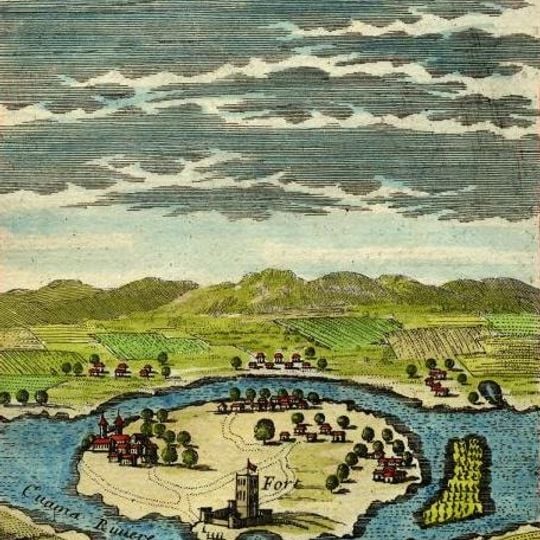
Sofala, Archaeological site in Sofala Province, Mozambique
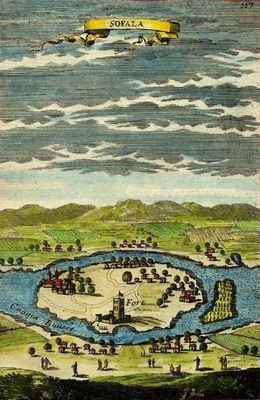
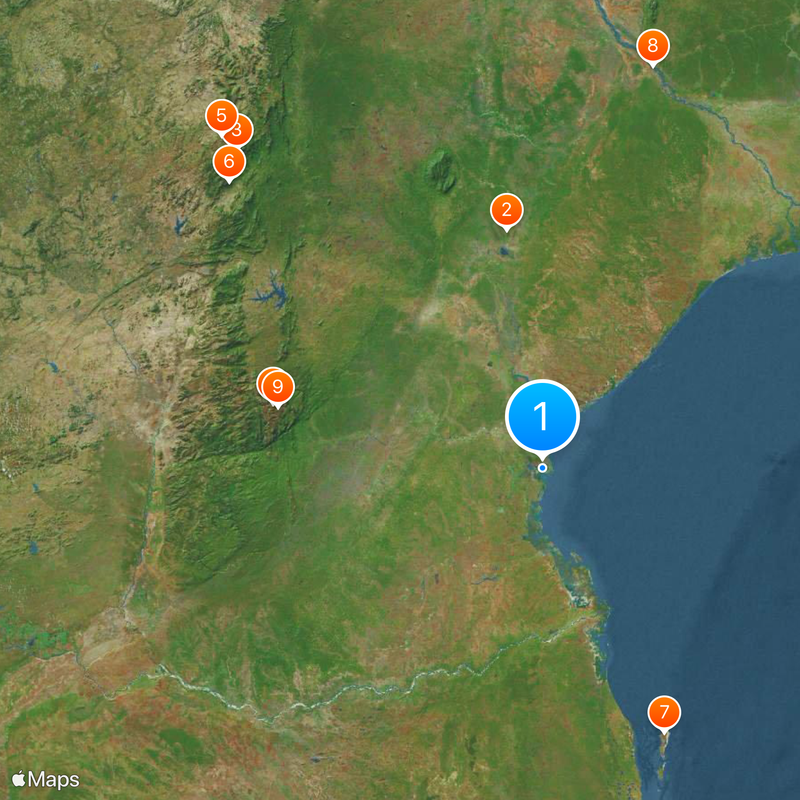
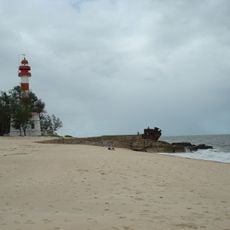
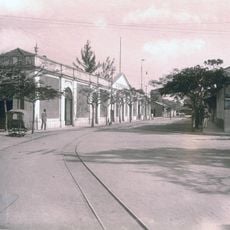
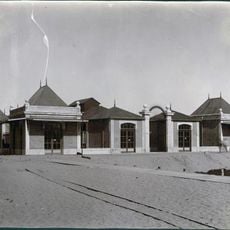
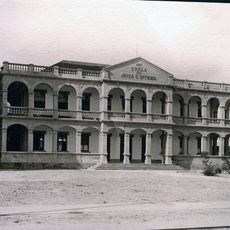
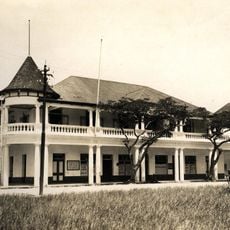
Sofala is an archaeological site in Sofala Province at the mouth of the Sofala River, preserving remnants of early trading structures along the East African coast. Several excavation zones reveal foundation walls, ceramic fragments and traces of fortifications spread across low hills near the water.
The settlement emerged in the 10th century as a hub for trade between inland regions and maritime traders of the Indian Ocean. Portuguese merchants built a fort in 1505 to control gold routes from present-day Zimbabwe and secure access to the harbor.
Excavations reveal glass beads, pottery fragments and coins from different Indian Ocean coastal regions that converged here over centuries. Visitors walking through the site see traces of trading relationships that shaped daily work and connected local residents with distant markets.
Tours organized by the national heritage department cover different excavation areas spread across uneven terrain. Solid footwear helps, as many paths cross sandy stretches and loose rubble.
Archaeologists uncovered Chinese porcelain from the Ming Dynasty here, showing how far trade networks stretched across the Indian Ocean. These finds confirm that merchants from East Asia sailed to the southeast African coast to acquire ivory and gold.
The community of curious travelers
AroundUs brings together thousands of curated places, local tips, and hidden gems, enriched daily by 91,588 contributors worldwide.