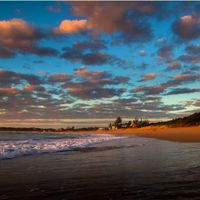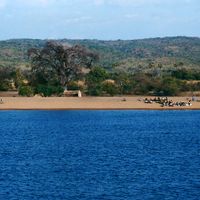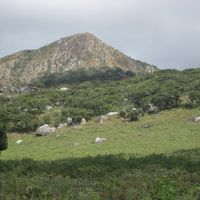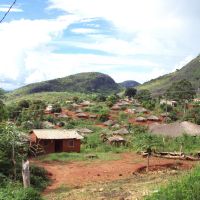
Mozambique, Republic in Southeast Africa.
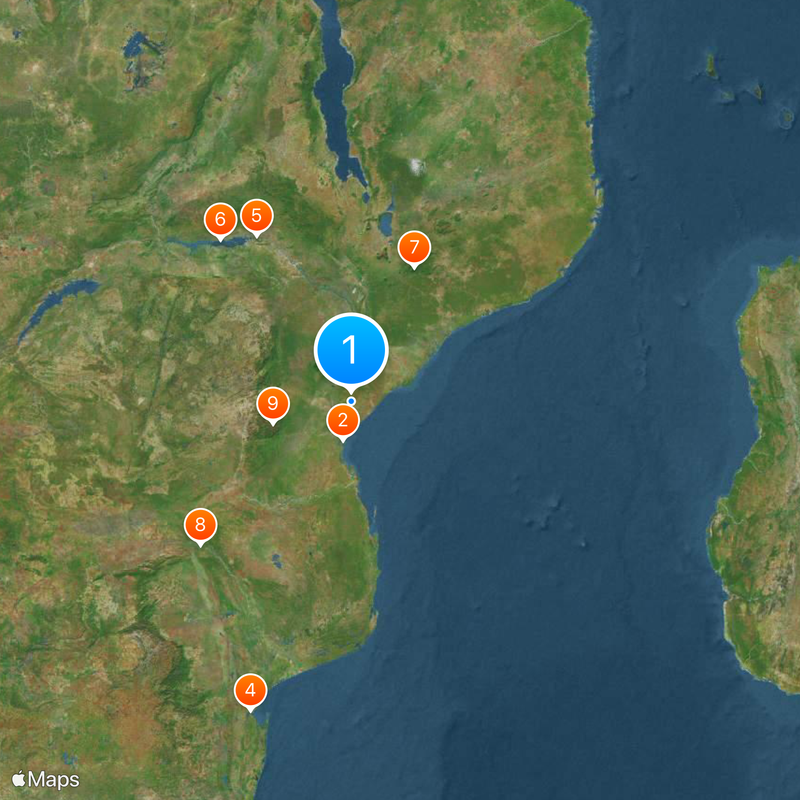
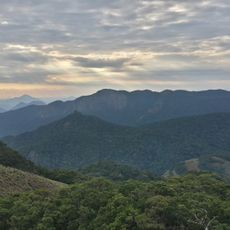
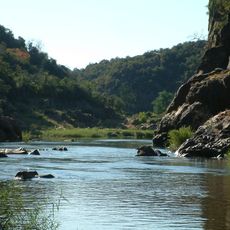
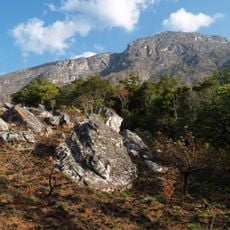
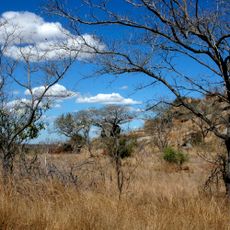
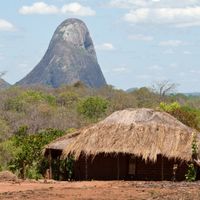
The country spans 2,500 kilometers (1,550 miles) along the Indian Ocean coastline, encompassing diverse landscapes from savannas and mountain ranges to extensive river systems. The Zambezi River flows through the territory, shaping geographic patterns and supporting varied ecosystems. Coastal areas feature mangrove forests and coral reefs, while inland regions contain plateaus and agricultural zones stretching across multiple climate types.
Arab traders established coastal settlements during medieval times for gold and ivory commerce. Portugal colonized the territory beginning in the 16th century and maintained control until independence in 1975. A civil war from 1977 to 1992 caused extensive economic and social devastation before peace agreements initiated a period of reconstruction and gradual stabilization that continues through present development efforts.
More than 40 ethnic groups shape daily life, with traditional music, dance and craftsmanship playing central roles in community gatherings and celebrations. Portuguese colonial influence blends with African traditions in architecture, cuisine and religious practices. The nation has developed a distinct artistic identity through Makonde wood carvings, contemporary painting and literary works addressing national identity and social change.
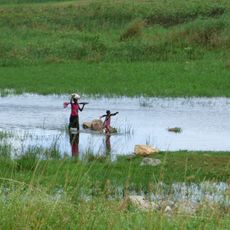
The national currency is the metical, though US dollars are widely accepted in tourist areas. The dry season from May to October offers more comfortable travel conditions for coastal regions and national parks. Visas can be obtained on arrival at international airports for many nationalities. Agriculture employs around 83 percent of the workforce, which shapes rural economic patterns and infrastructure development priorities across provinces.
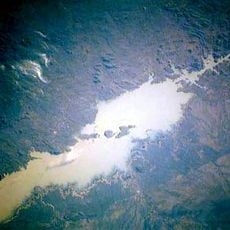
The Cahora Bassa Dam on the Zambezi ranks among Africa's largest hydroelectric facilities and generates substantial power for regional consumption. The installation supplies electricity to domestic grids and neighboring countries. The reservoir behind the dam wall extends 270 kilometers (168 miles) and has altered local ecosystems and settlement patterns since its completion in the mid-1970s.
Inception: June 25, 1975
Capital city: Maputo
Part of: East Africa, Portuguese-speaking African countries
Shares border with: Tanzania, Malawi, Zambia, Zimbabwe, Eswatini, South Africa, Comoros
Website: http://portaldogoverno.gov.mz
GPS coordinates: -19.30223,34.91450
Latest update: November 30, 2025 18:38
Sofala
96.6 km
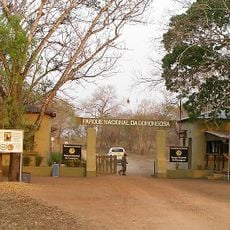
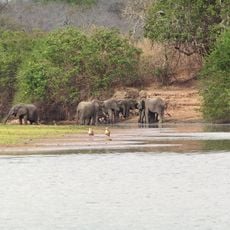
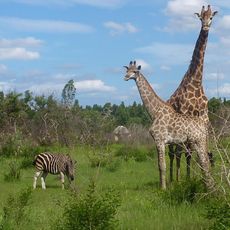
Gorongosa National Park
73.9 km
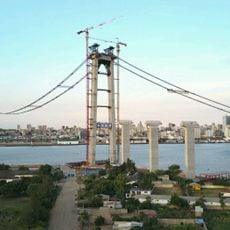
Maputo–Catembe Bridge
781 km
Cahora Bassa Dam
475.6 km
Cahora Bassa Reservoir
520.3 km
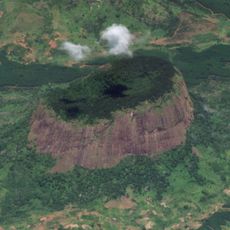
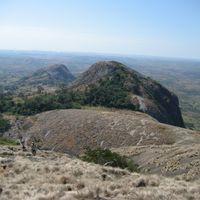
Mount Mabu
369.3 km
Great Limpopo Transfrontier Park
507.6 km
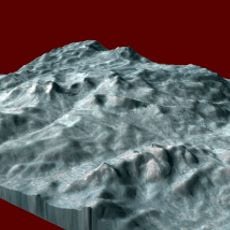
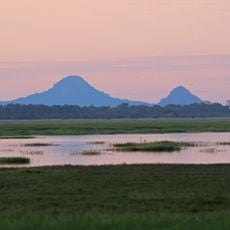
Monte Binga
201.3 km
Limpopo National Park
583.9 km
Maputo Fortress
780.8 km
Niassa Reserve
857.7 km
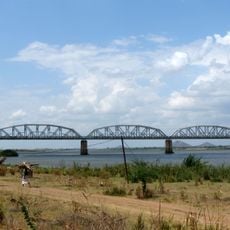
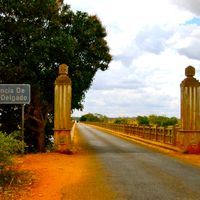
Dona Ana Bridge
207.6 km
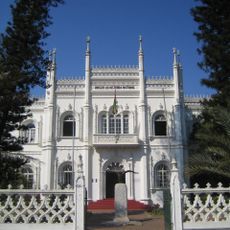
Natural History Museum of Mozambique
780.5 km
Mount Namuli
494.8 km
Hospital Central de Maputo
779.7 km
Fort São Sebastião
781.3 km
Quirimbas National Park
992.8 km
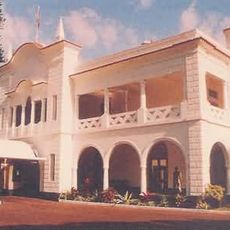
Palácio da Ponta Vermelha
780.8 km
Samora Machel Statue
780.1 km
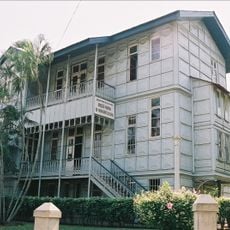
Casa de Ferro
780.3 km
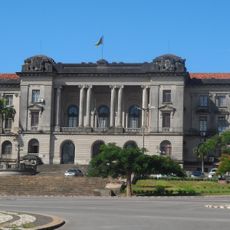
Maputo City Hall
780 km
Maputo Special Reserve
835.8 km
Mozambique Island Bridge
777.3 km
National Library of Mozambique
780.6 km
Unity Bridge
958.2 km
Vila Algarve
780 km
Bazaruto National Park
269.3 km
Chapel of Nossa Senhora de Baluarte
781.4 kmReviews
Visited this place? Tap the stars to rate it and share your experience / photos with the community! Try now! You can cancel it anytime.
Discover hidden gems everywhere you go!
From secret cafés to breathtaking viewpoints, skip the crowded tourist spots and find places that match your style. Our app makes it easy with voice search, smart filtering, route optimization, and insider tips from travelers worldwide. Download now for the complete mobile experience.
A unique approach to discovering new places❞
— Le Figaro
All the places worth exploring❞
— France Info
A tailor-made excursion in just a few clicks❞
— 20 Minutes