Niassa Reserve, Game reserve in northern Mozambique.
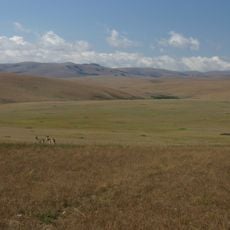
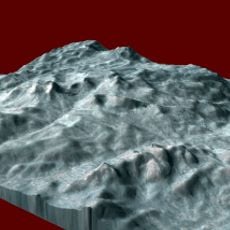
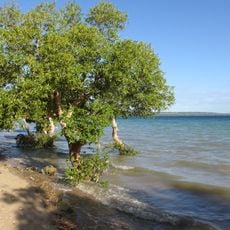
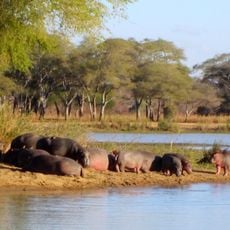
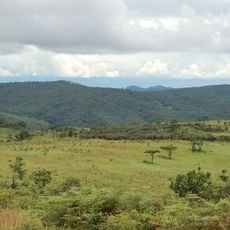
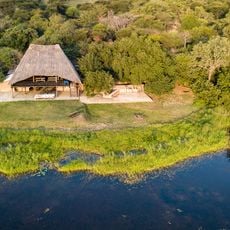
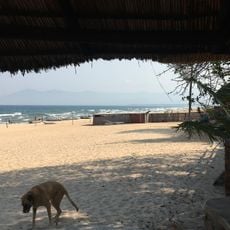
Niassa Reserve is a large protected area in northern Mozambique that combines mountains, savannas, wetlands, lakes, and extensive forest systems. The landscape is dominated by one of Africa's largest miombo woodland zones, a dense forest type that covers much of the terrain.
Niassa was founded in 1954, while Mozambique was still Portuguese East Africa, though the Portuguese source dates the diploma to 23 July 1960. It received no effective protection until the Rome General Peace Accords ended the civil war. In 1998 the SGDRN was created, allowing wildlife to recover partially.
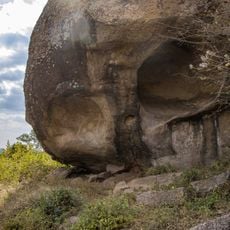
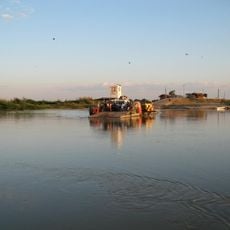
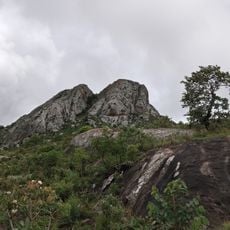
Around 40,000 people live inside the reserve, belonging to some 50 different peoples, most of them Yao and Makua, with smaller Ngoni, Marawe and Matambwe groups. Many granite inselbergs bear geometric rock paintings no more than 4,000 years old, which some attribute to Ba-Twa pygmies; local communities consider these hills sacred. The Lugenda River supports a fishery with over 40 fish species and 24 fishing techniques, including bamboo traps, with catches usually sold in Tanzania.
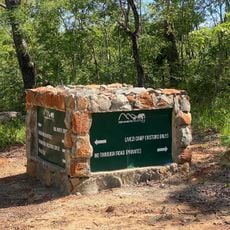
Visit in the dry season, between April and December, with June to October the best window; in the wet season many tracks become impassable. The reserve headquarters is at Mbatamila, in the centre under Mecula Mountain, near a village of about 5,000 people. The nearest fuel stations are outside the park at Lichinga (460 km), Cuamba (400 km) and Montepuz (375 km). A 1,200 km network of roads and forest tracks crosses the reserve.
The reserve's three endemic mammals are the Niassa wildebeest, Boehm's zebra and Johnston's impala, forms found nowhere else. Look also for Mecula Mountain, the 1,441 m granite peak at the centre of the park, and for African skimmers crowding the sandy riverbanks of the Lugenda where it cuts through rocky gorges.
The community of curious travelers
AroundUs brings together thousands of curated places, local tips, and hidden gems, enriched daily by 93,115 contributors worldwide.