Selous Game Reserve, Game reserve and natural World Heritage Site in Lindi Region, Tanzania
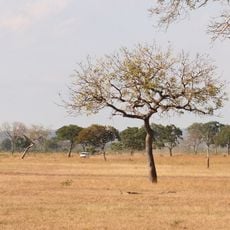
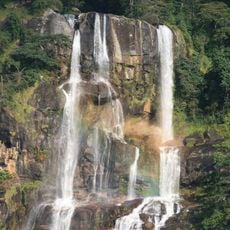
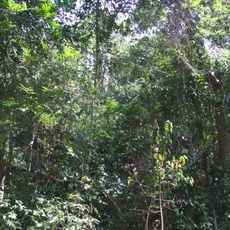
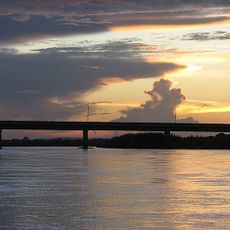
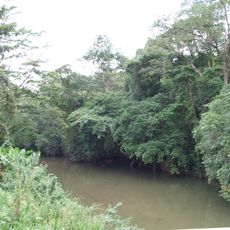
Selous Game Reserve is a vast protected area in the Lindi Region that encompasses grasslands, wetlands, and woodlands where numerous animal species live together. The Rufiji River flows through the landscape, creating water sources that sustain elephants, zebras, giraffes, and countless other creatures throughout the seasons.
German colonial authorities set up protection for this area in 1896, then transformed it into a hunting reserve in 1905 named after explorer and hunter Frederick Selous. Over time it evolved into a wildlife sanctuary focused on conservation rather than sport hunting.
The reserve is named after Frederick Selous, a big game hunter and early conservationist killed at Beho Beho in 1917 fighting the Germans. No one may live inside its bounds; the Wildlife Division tallies every person entering and leaving. Meat from animals shot in the southern hunting concessions goes by law to villagers of the surrounding villages, while the hunter keeps only the trophy.
You reach this reserve by small aircraft from Dar es Salaam, with flights connecting to airstrips within the area. Accommodations range from safari lodges to tent camps along the river, and visiting during drier months makes spotting animals easier.
In 1976 the reserve held about 109,000 elephants, then the world's largest population; by 2013 the count was roughly 13,000, a fall of 66% between 2009 and 2013 alone. The German colonial surveyors never mapped the Rufiji floodplain, and a 1917 expedition led by Lt. E. William Boville called that area "uninhabitable".
The community of curious travelers
AroundUs brings together thousands of curated places, local tips, and hidden gems, enriched daily by 94,155 contributors worldwide.