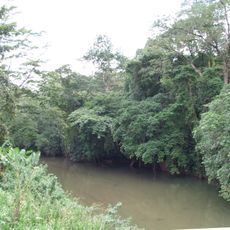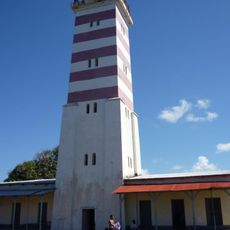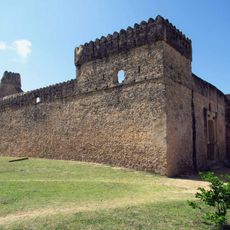
Kilwa Kisiwani, Medieval ruins on Kilwa Kisiwani island, Tanzania
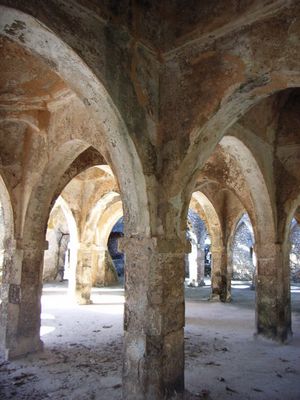
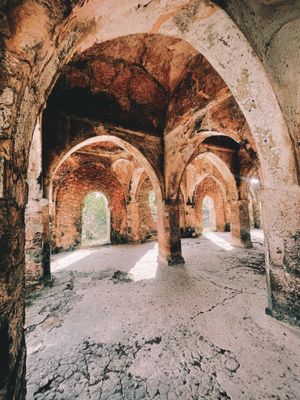
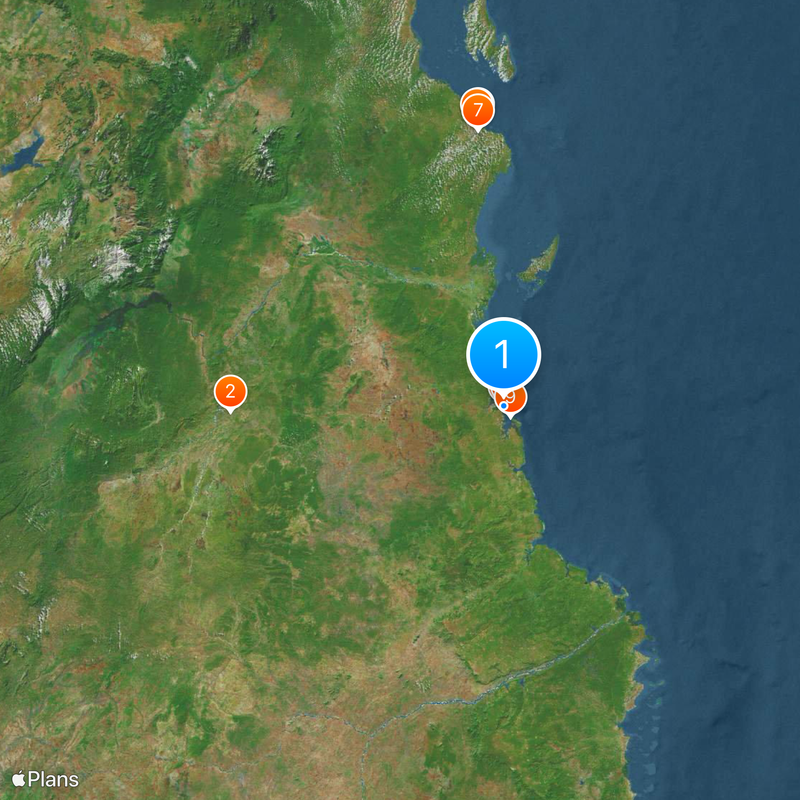
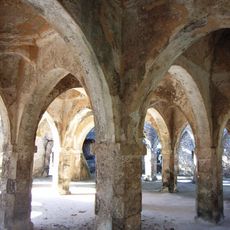
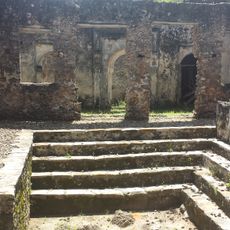
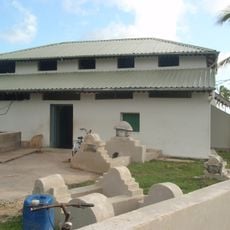
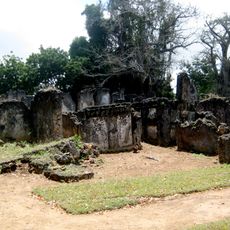
Kilwa Kisiwani is an island off the coast of Tanzania in Kilwa District that holds extensive medieval ruins made of coral stone, including a mosque, palaces, and trading houses. The sites spread across several hectares along the coastline and display different building styles from multiple centuries of Islamic presence.
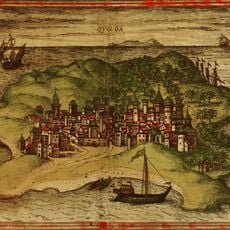
The settlement began in the 9th century when Persian traders established themselves on the coast and reached its peak between the 13th and 15th centuries as a trading center for gold and ivory. Portuguese attack in 1505 ended the city's prosperity, and the population gradually left the island over the following centuries.
The island name Kilwa derives from Arabic meaning "small island" and locals still refer to specific ruins by their traditional Swahili names passed down through generations. You can see how builders used precisely cut coral blocks without mortar in many walls, a technique refined over centuries along the East African coast.
The crossing from the mainland takes about 20 minutes and depends on tides, so early planning with local boat operators is advisable. Paths between the ruins are unpaved and sturdy footwear is necessary since coral stones can be sharp.
Some walls show small niches that held oil lamps for lighting rooms at night, a detail that illustrates the daily rhythm of medieval life on the island. The mosque has a separate courtyard for ritual washing, with its water system fed by underground cisterns.
The community of curious travelers
AroundUs brings together thousands of curated places, local tips, and hidden gems, enriched daily by 91,721 contributors worldwide.