Tanzania, Country in East Africa
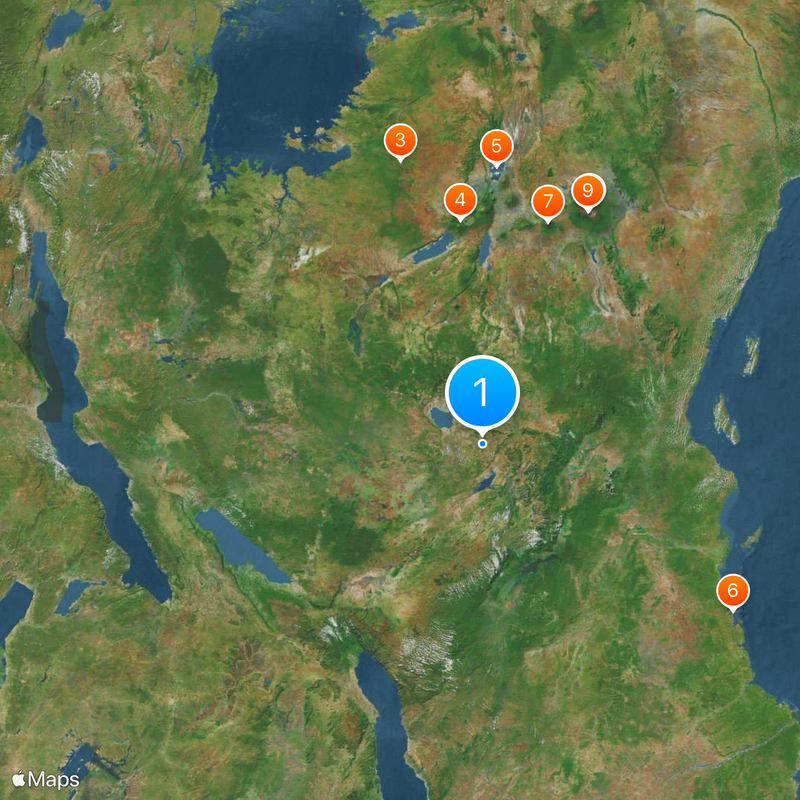
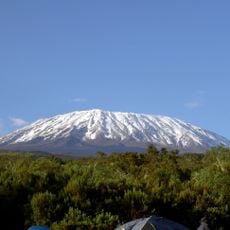
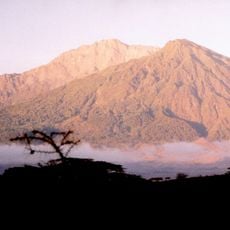
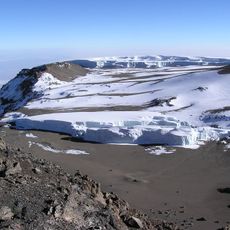
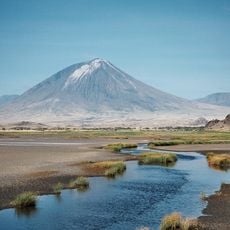
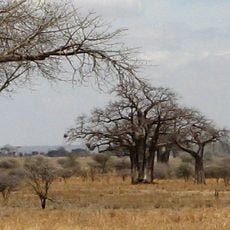
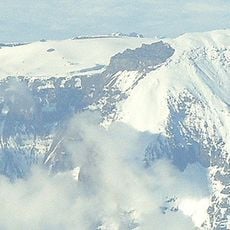
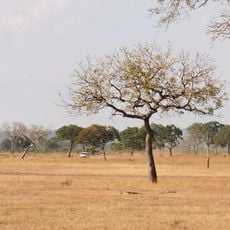
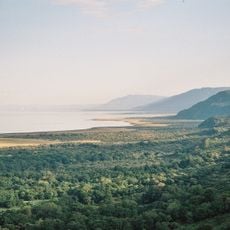
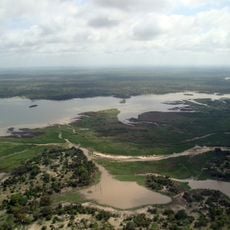
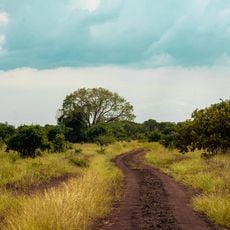
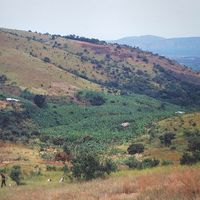
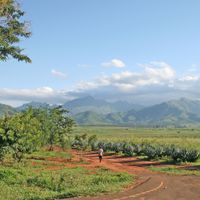
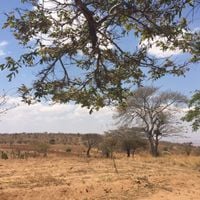
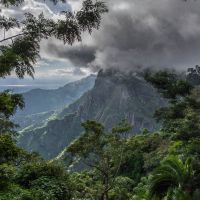
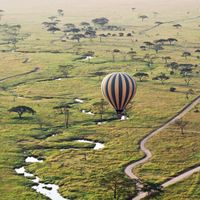
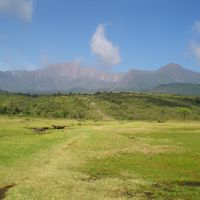
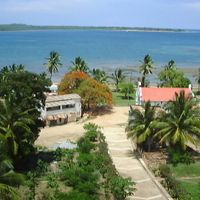
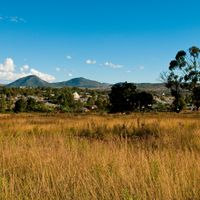
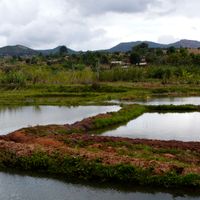
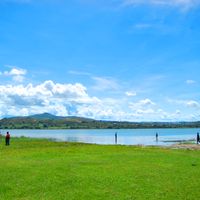
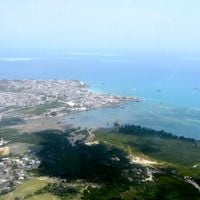
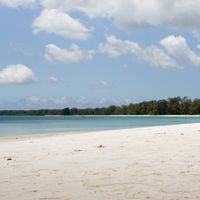
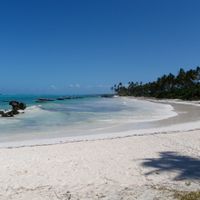
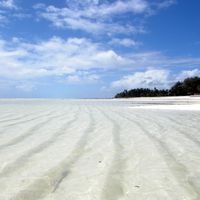
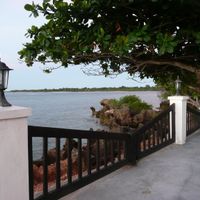
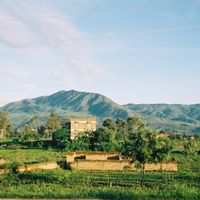
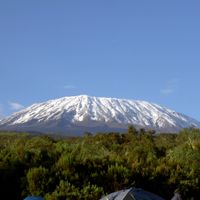
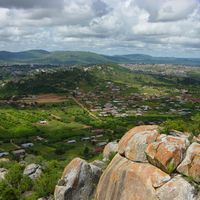
This East African nation stretches from the Indian Ocean coast across savannas, plateaus, and mountain ranges toward the Great Lakes in the west. Tropical forests line the shoreline, while the central plateau sits around 1200 meters (3900 feet) and rises into volcanic highlands in the north.
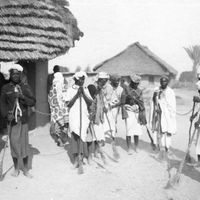
German colonial administration began in 1885 and gave way to British mandate after World War I. Tanganyika became independent in 1961 under Julius Nyerere, merged with Zanzibar in 1964, and pursued socialist policies until 1985.
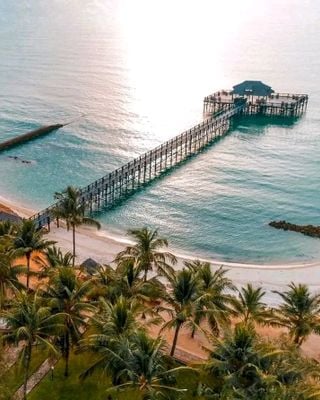
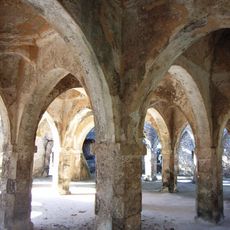
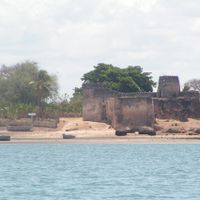
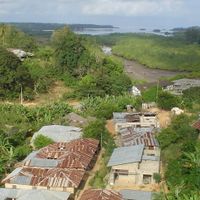
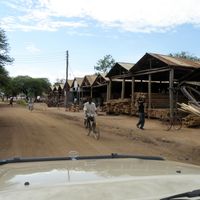
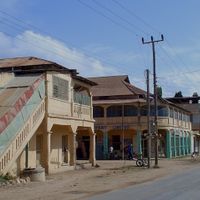
Coastal trading towns reveal layers of Swahili heritage in carved wooden doors, coral stone buildings, and open-air markets where vendors speak a language mixing African roots with Arabic vocabulary. Inland, family compounds cluster around shared courtyards, and pastoral groups move with herds according to seasonal rains.
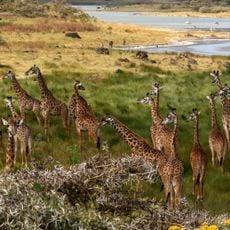
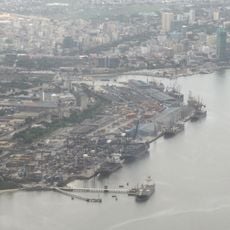
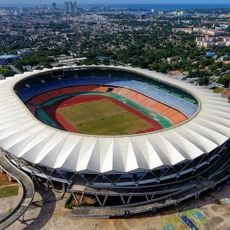
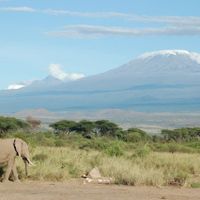
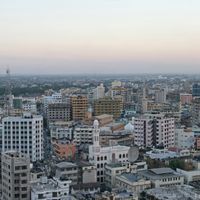
Visa arrangements can be completed at international airports and main border crossings upon arrival. Wildlife viewing works best from June through October during dry months, while Dodoma functions as the capital and Dar es Salaam serves as the economic hub.
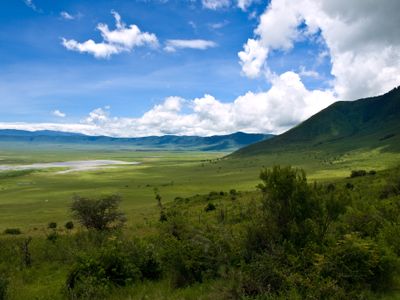
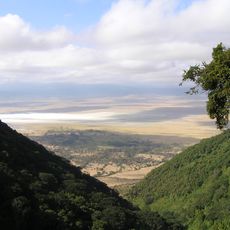
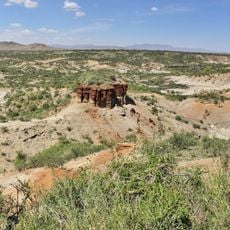
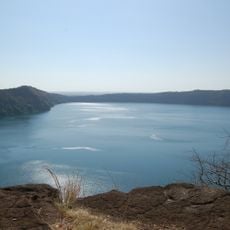
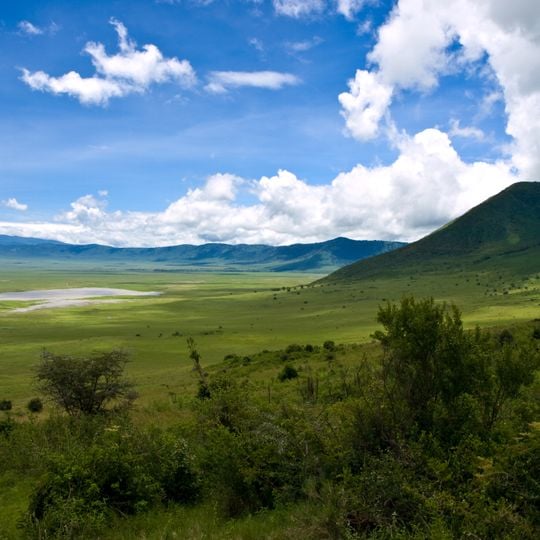
The Ngorongoro Crater forms a natural enclosure for animals within an extinct volcanic caldera surrounded by 600-meter (2000-foot) walls. Olduvai Gorge holds fossils of hominids dating back 1.8 million years and ranks among the key sites for studying human evolution.
The community of curious travelers
AroundUs brings together thousands of curated places, local tips, and hidden gems, enriched daily by 91,616 contributors worldwide.