Ngorongoro Conservation Area, Nature reserve in northern Tanzania
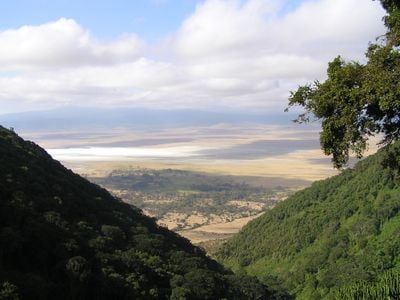
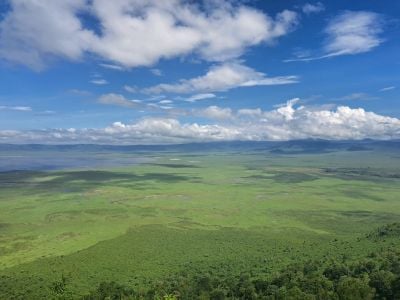
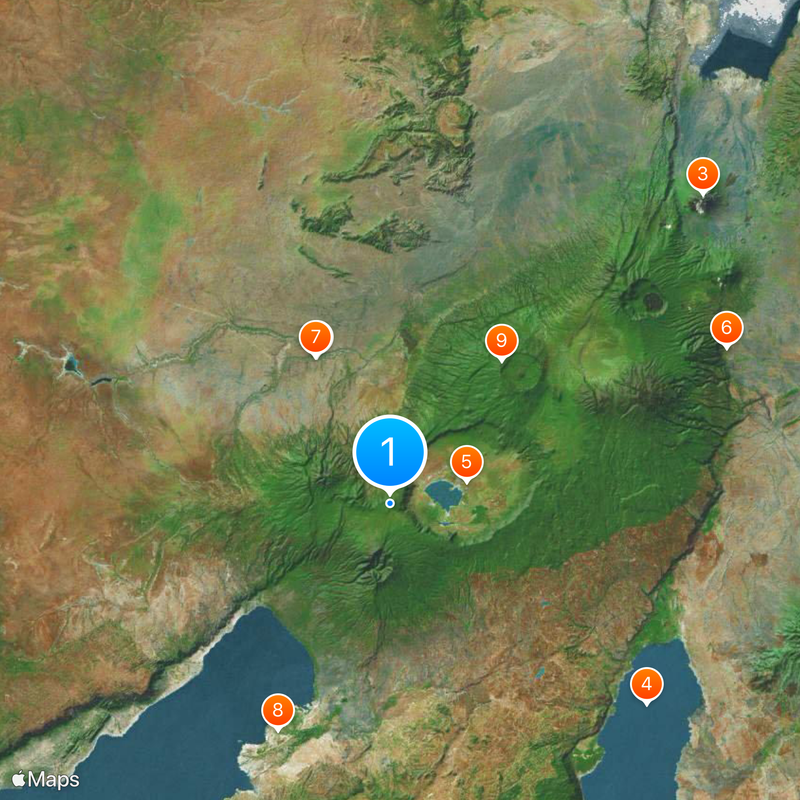
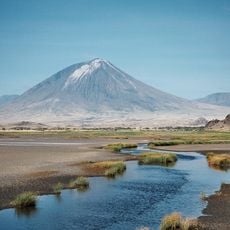
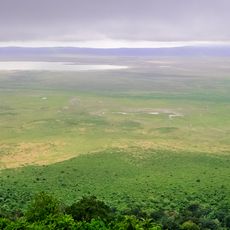
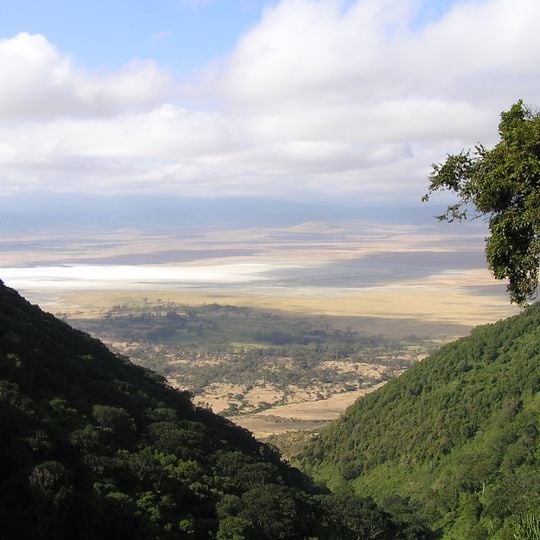
The Ngorongoro is a conservation area in northern Tanzania with a volcanic caldera about 18 kilometers (11 miles) across, surrounded by walls rising to 610 meters (2000 feet). The crater floor sits at 1700 meters (5580 feet) elevation and includes grassland, marshes, acacia woodland, and a shallow soda lake.
The caldera formed around 2.5 million years ago when a large volcano collapsed, leaving a natural arena behind. The area became a protected zone in 1959 and was added to the World Heritage list in 1979.
Local people call the crater Ngorongoro after the sound of cow bells ringing across the grassland. Maasai herders lead their cattle along routes used for centuries, sharing water sources with zebras and wildebeest.
Several gates provide access to the protected zone, with most visitors starting from Arusha city. Overnight options range from basic camping sites to permanent lodges on the crater rim offering views over the plain.
The crater floor holds around 25,000 large mammals, including black rhinos, hippos, and lions in one of Africa's densest wildlife populations. Visitors can spot all major mammals except giraffes in a single day, as the high walls keep most animals inside.
The community of curious travelers
AroundUs brings together thousands of curated places, local tips, and hidden gems, enriched daily by 90,754 contributors worldwide.