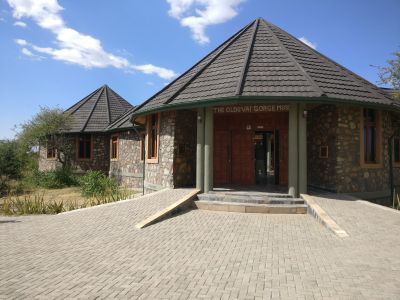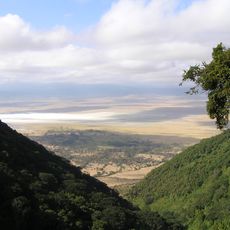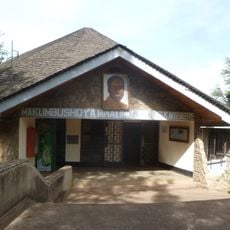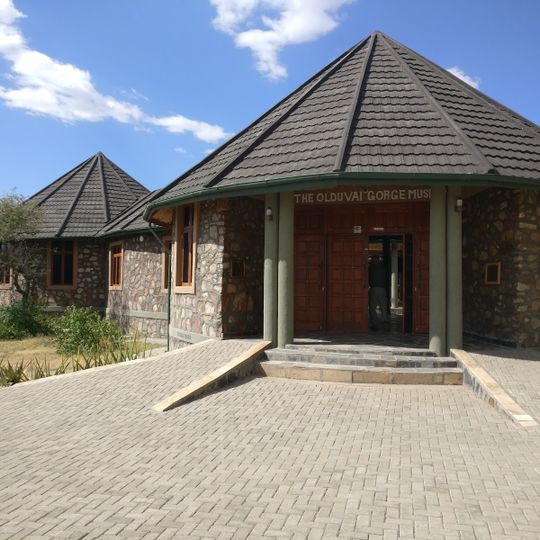
Olduvai Gorge Museum, Paleontological museum in Ngorongoro Conservation Area, Tanzania.
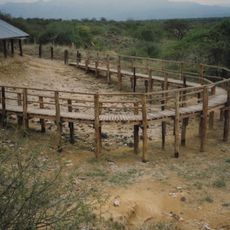
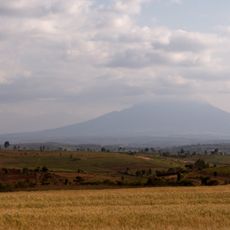
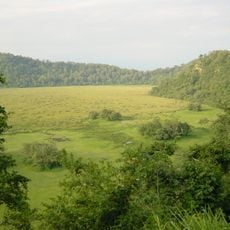
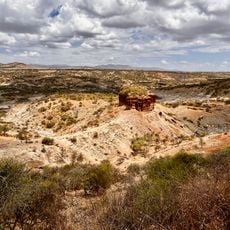
The Olduvai Gorge Museum is a museum building in the Ngorongoro Conservation Area of northern Tanzania, displaying fossils and stone tools found in the gorge below. The collection covers bones, skulls, and hand-crafted tools recovered from nearby excavation sites, with the gorge itself visible from the museum terrace.
Excavations at Olduvai Gorge began in the 1930s under Louis and Mary Leakey, who uncovered fossils that changed how scientists understood early human history. The museum building was set up later to house and present those findings to the public.
The name Olduvai comes from a Maasai word for a type of wild sisal plant that grows in the area. Guides at the site often explain how local Maasai communities relate to this landscape and its deep past.
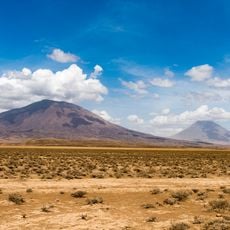
The museum is inside the Ngorongoro Conservation Area and is most commonly visited as part of a guided safari or organized tour. The site is open and exposed to wind and sun, so bring layers and sun protection for the visit.
Near the museum, fossilized footprints of early hominids were found preserved in volcanic ash, showing that upright walking was already common in this region around 3.6 million years ago. These prints were discovered at a site called Laetoli, a short drive away, and casts of them are shown inside the museum.
The community of curious travelers
AroundUs brings together thousands of curated places, local tips, and hidden gems, enriched daily by 91,660 contributors worldwide.