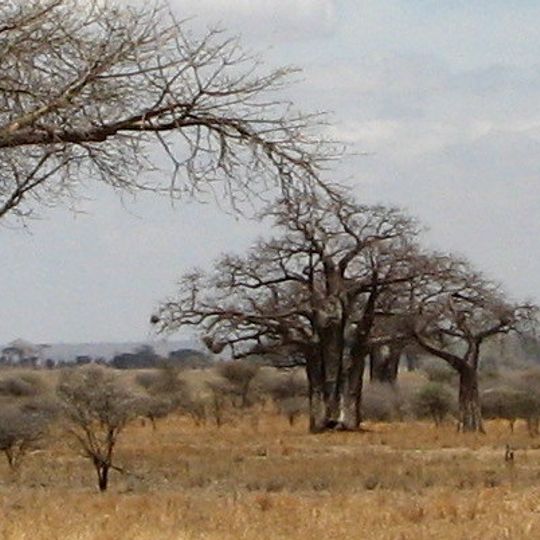
Tarangire National Park, National park in northern Tanzania
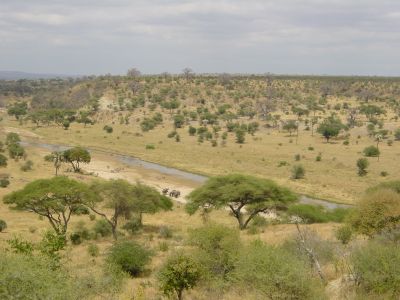
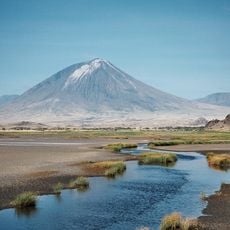
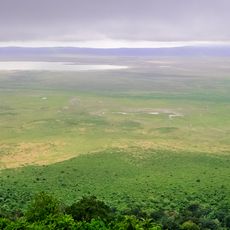
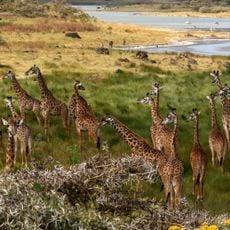
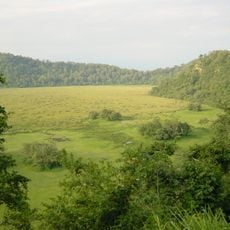
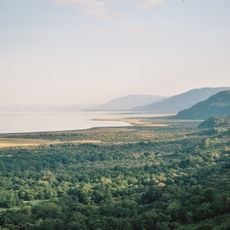
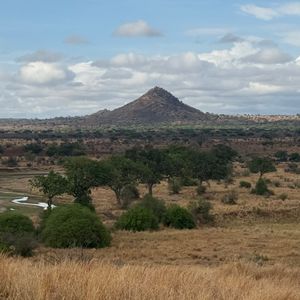
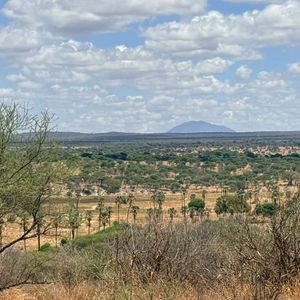
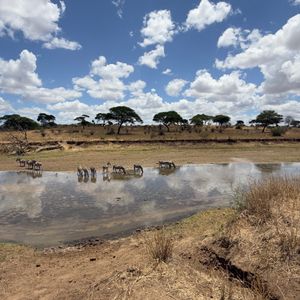
The Tarangire River flows through 2,850 square kilometers of savannahs and woodlands, creating diverse habitats for numerous African wildlife species.
The Tanzanian government established Tarangire National Park in 1970 to safeguard the area's biodiversity and protect the vital migration corridors for wildlife.
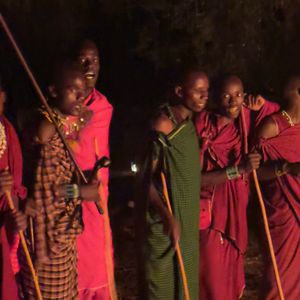
The Maasai and Barabaig communities continue their traditional practices near the park boundaries, maintaining their connection with the surrounding landscapes.
The entrance fee of 45 dollars per person grants access to guided safaris, wildlife viewing, and bird watching between 6:30 AM and 6:30 PM.
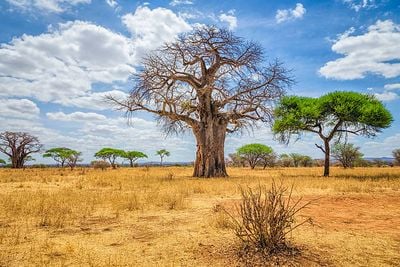
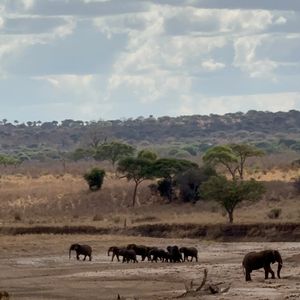
The park houses ancient baobab trees that store thousands of liters of water, supporting the survival of 550 bird species and large elephant populations.
Location: Dodoma Region
Location: Manyara Region
Inception: 1970
Website: https://tanzaniaparks.com/tarangire-national-park
GPS coordinates: -4.00000,35.97861
Latest update: November 14, 2025 16:34
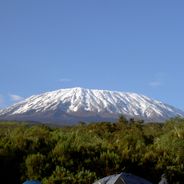
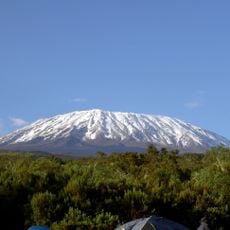
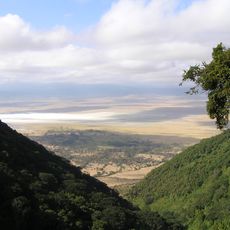
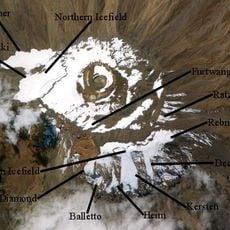
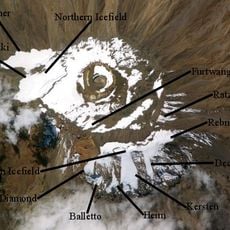
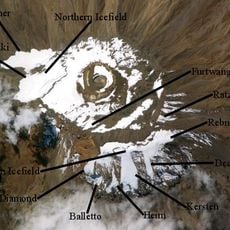
Tanzania provides photographers with an extraordinary range of subjects, from the Serengeti plains to Zanzibar's coastline and Mount Kilimanjaro, the highest peak in Africa at 19,341 feet (5,895 meters). The country contains major wildlife reserves including Tarangire, where elephant herds move between baobab trees, and the Ngorongoro Crater, which holds a dense concentration of large mammals within its 100-square-mile (260-square-kilometer) caldera. Coastal regions and offshore islands like Mafia and Pemba offer opportunities to photograph coral reefs, sea turtles, and traditional dhow boats. The Mahale Mountains support habituated chimpanzee groups, while Selous Game Reserve presents riverine landscapes and diverse animal populations. Stone Town's historic quarter features Arab, Persian, and Indian architecture spanning several centuries, including the House of Wonders and the narrow alleys of the former trading port. The less visited Katavi National Park delivers scenes of hundreds of hippos crowding shrinking pools during the dry season. Kondoa rock art sites preserve prehistoric paintings dating back as far as 30,000 years. The active volcano Ol Doinyo Lengai and alkaline Lake Natron with its flamingo flocks add geological interest. From the terraced hillsides of the Usambara Mountains to the wildflower meadows of Kitulo National Park, Tanzania covers nearly every photographic interest.
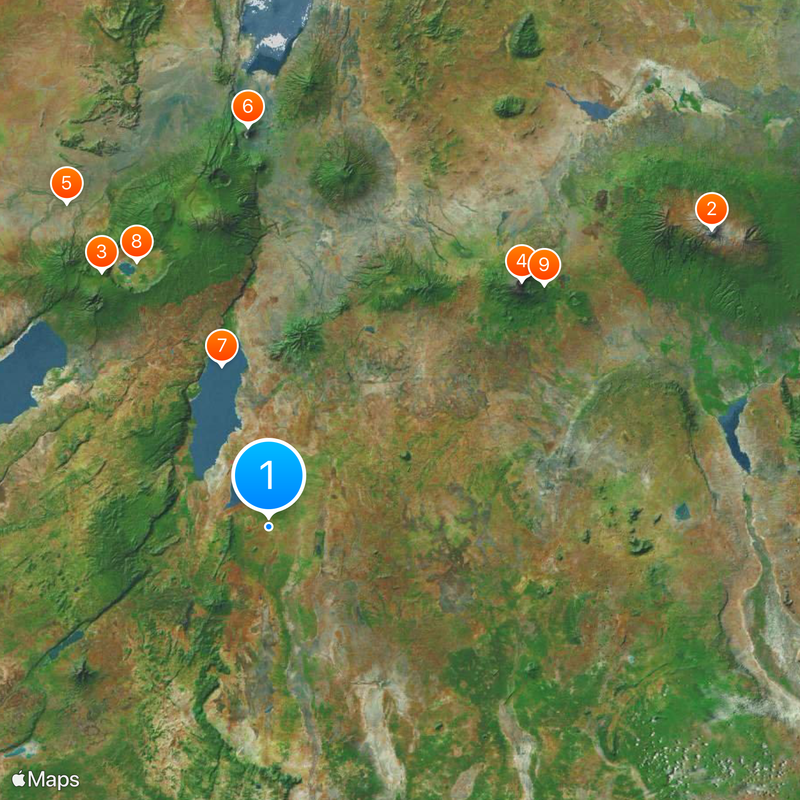
Mount Kilimanjaro
184.2 km
Ngorongoro Conservation Area
105.1 km
Mount Meru
121.6 km
Laetoli
131.6 km
Ol Doinyo Lengai
138.3 km
Lake Manyara National Park
58 km
Ngorongoro Crater
102.1 km
Arusha National Park
126.4 km
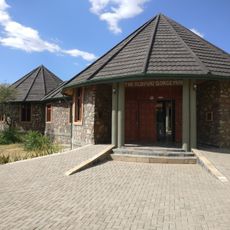
Olduvai Gorge Museum
131.6 km
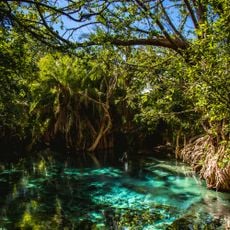
Kikuletwa Hot Springs
148.5 km
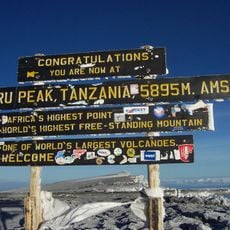
Uhuru Peak
184.2 km
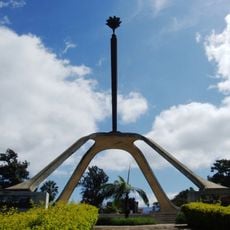
Arusha Declaration Monument
105.5 km
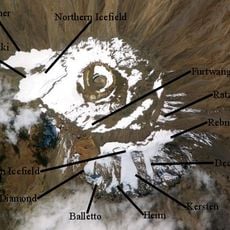
Arrow Glacier
183.9 km
Materuni Waterfalls
178.6 km
Mount Hanang
80.2 km
Nyumba ya Mungu Reservoir
163 km
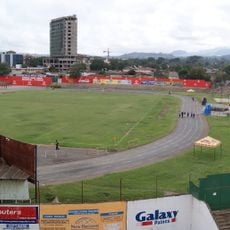
Sheikh Amri Abeid Memorial Stadium
105.4 km
Ngurdoto Crater
131.8 km
Balletto Glacier
183.1 km
Barranco Glacier
183.1 km
Lake Manyara Biosphere Reserve
55.7 km
Great Penck Glacier
183.9 km
Olmoti Crater
118 km
Kitumbeine Volcano
127.4 km
Little Penck Glacier
183.6 km
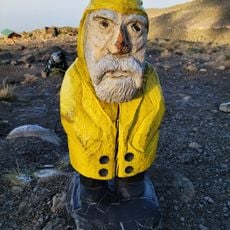
Barafu-Lager
185 km
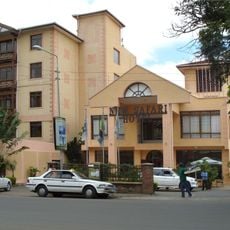
New Safari Hotel
106 km
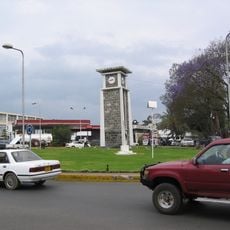
Arusha clock tower
105.8 kmReviews
Visited this place? Tap the stars to rate it and share your experience / photos with the community! Try now! You can cancel it anytime.
Discover hidden gems everywhere you go!
From secret cafés to breathtaking viewpoints, skip the crowded tourist spots and find places that match your style. Our app makes it easy with voice search, smart filtering, route optimization, and insider tips from travelers worldwide. Download now for the complete mobile experience.
A unique approach to discovering new places❞
— Le Figaro
All the places worth exploring❞
— France Info
A tailor-made excursion in just a few clicks❞
— 20 Minutes