Ngurdoto Crater, Volcanic crater in Arusha National Park, Tanzania
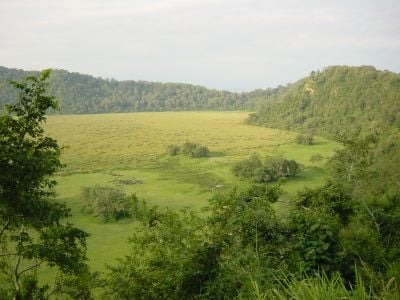
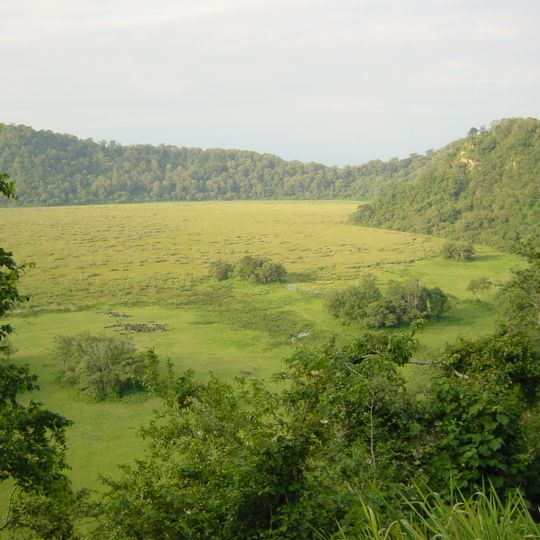
Ngurdoto Crater is a volcanic crater in Arusha National Park with a diameter of about 3.6 kilometers and walls dropping roughly 100 meters deep. The crater floor is swampy and covered in thick vegetation, creating a lush green appearance within the rim.
European explorers encountered this crater in the early 1900s, and by 1907 a German family named Trappe had acquired substantial land holdings in the area. This early presence eventually led to the establishment of protected status for the region.
Local Masai communities have long viewed this crater region as part of their ancestral lands and continue to hold cultural ties to the area. The crater remains connected to the pastoral traditions and territorial knowledge of these communities.
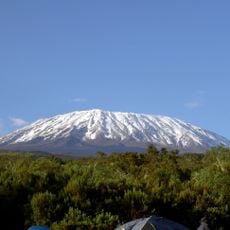
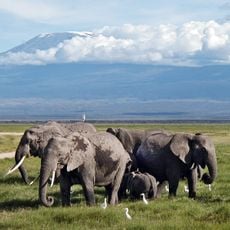
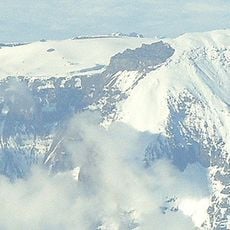
Five viewpoints situated along the rim road allow visitors to observe the crater from different angles, with the Leitong point providing the best vantage toward the snowy mountain. Plan your visit for early morning when visibility is clearest and light conditions are best for photographs.
The crater floor contains two collapsed depressions, indicating that two volcanic cones once stood here before their magma chambers retreated. This geological feature reveals the complex eruptive history of the site.
The community of curious travelers
AroundUs brings together thousands of curated places, local tips, and hidden gems, enriched daily by 91,672 contributors worldwide.