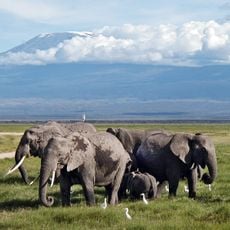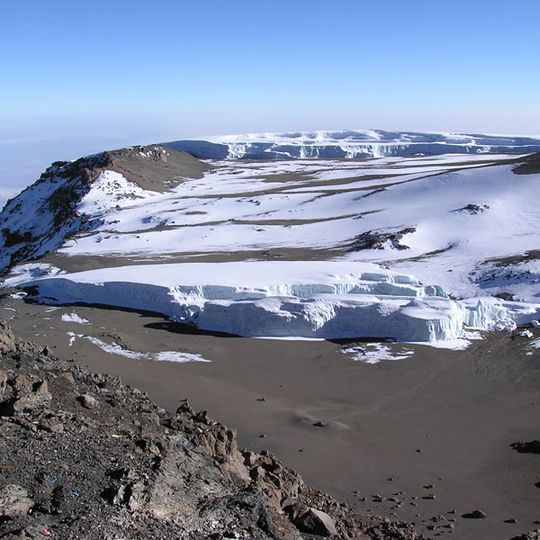
Mount Kibo, Stratovolcano summit in Kilimanjaro National Park, Tanzania
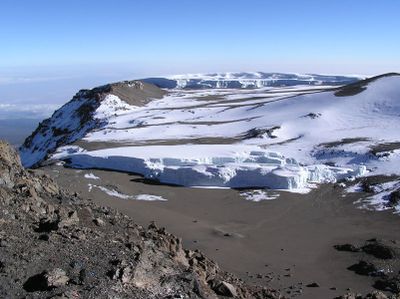
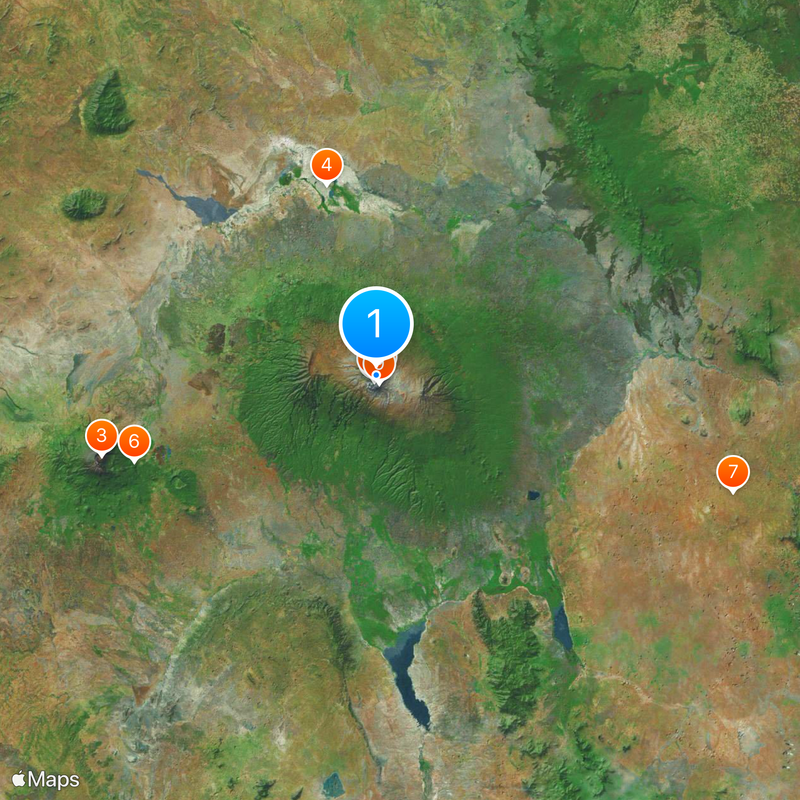
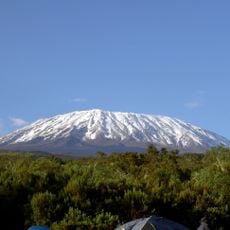
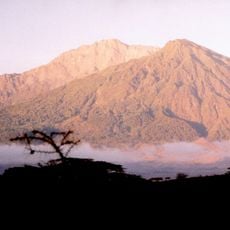
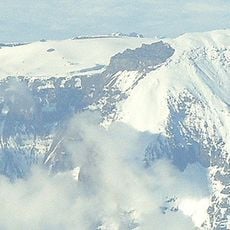
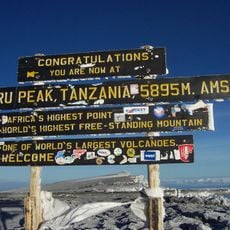
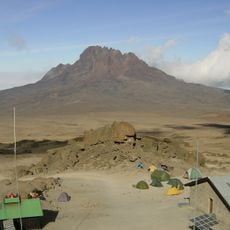
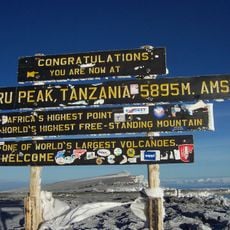
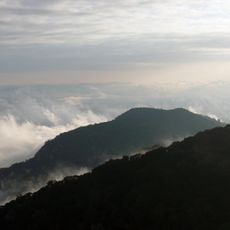
Mount Kibo reaches 5,895 meters (19,341 feet) above sea level and shows a volcanic cone shape with smooth contours. A saddle connects this highest point to the neighboring Mawenzi peak, forming together the characteristic silhouette of Kilimanjaro.
Hans Meyer and Ludwig Purtscheller reached the summit on October 6, 1889, as the first Europeans, opening a new era of mountaineering in Africa. Their expedition followed several failed attempts and established routes later used by thousands of climbers.
The Chagga call this summit Kipoo, meaning spotted, referring to the snow patches visible from a distance. This name connects local communities to the peak and its changing appearance through the seasons.
Seven established routes lead climbers to Uhuru Peak, with gradual acclimatization necessary due to the considerable elevation gain. Temperature swings widely between lower and upper sections, so pack clothing for different climate zones.
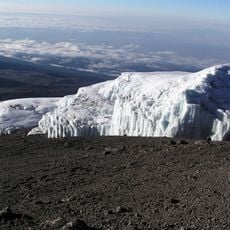
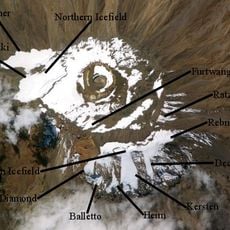
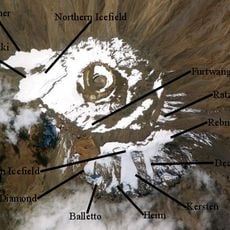
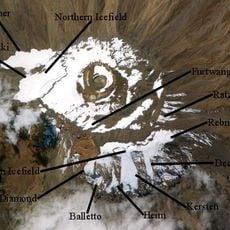
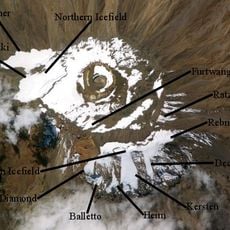
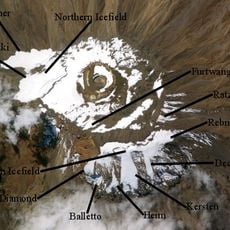
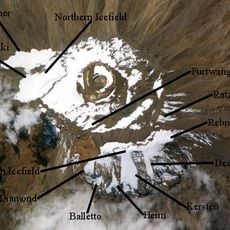
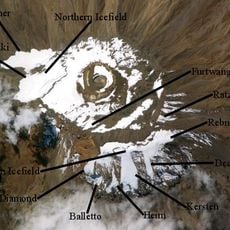
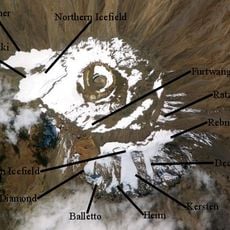
Three main glaciers sit at the summit: Credner, Furtwängler, and Rebmann, which have shrunk by 80 percent over the 20th century. The Furtwängler glacier contains a shallow ice basin that researchers have studied for decades as a climate archive.
The community of curious travelers
AroundUs brings together thousands of curated places, local tips, and hidden gems, enriched daily by 91,794 contributors worldwide.