Nyerere National Park, National park in southeastern Tanzania.
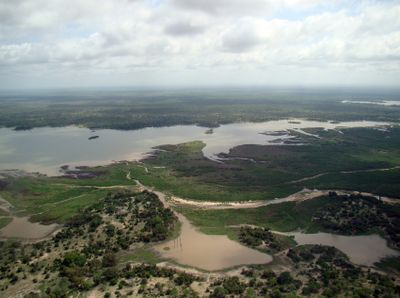
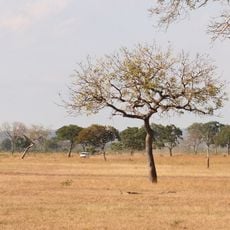
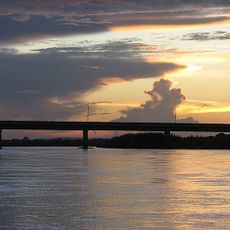
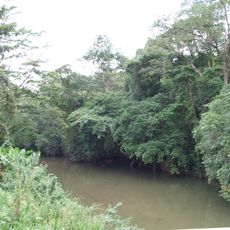
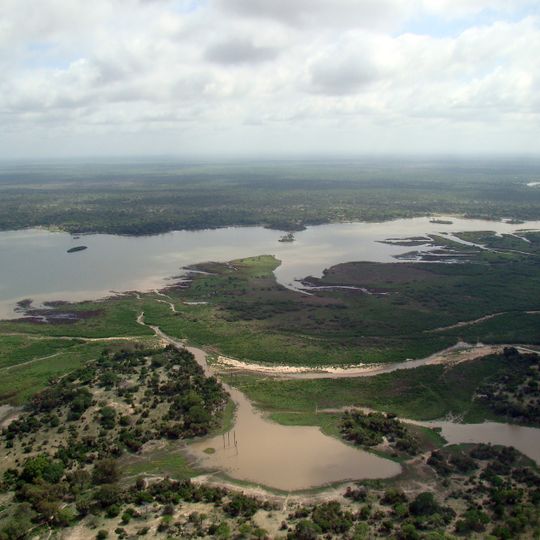
Nyerere National Park covers 30,893 km² in southeastern Tanzania, spanning the Lindi, Morogoro, Pwani and Ruvuma regions. The Rufiji, Tanzania's largest river, crosses the park in a broad branching channel with inlets and small green islands, bordered by pale sandy soil, low green vegetation, open grassy patches, scattered shrubs and isolated trees.
The park was established in 2019 after being separated from the Selous Game Reserve and named in honor of Julius Nyerere, Tanzania's first president. Nyerere championed conservation during his leadership and created foundations for the country's protected areas system.
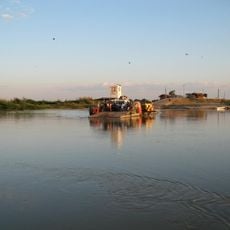
Local communities work alongside park management to sustain their way of life while benefiting from visitor activities. This cooperation allows them to continue practicing traditional methods while supporting their families through sustainable revenue.
The best time to visit is from June to October when weather is dry and wildlife viewing is easiest. During the rainy season from March to May, certain park areas become difficult to reach and activities may be limited.
The park holds one of the last large free-roaming packs of endangered African wild dogs, a species gone from most of its former range. Bird counts exceed 440 species, among them bee-eaters and kingfishers. The Rufiji is also Tanzania's largest river, and its delta holds one of the world's largest mangrove forests.
The community of curious travelers
AroundUs brings together thousands of curated places, local tips, and hidden gems, enriched daily by 94,359 contributors worldwide.