Jozani Chwaka Bay National Park, National park in Zanzibar Islands, Tanzania
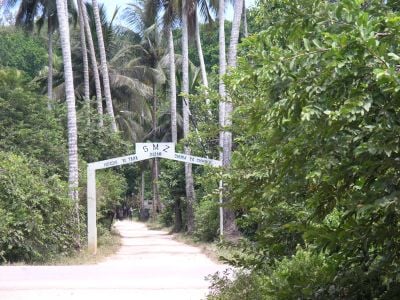
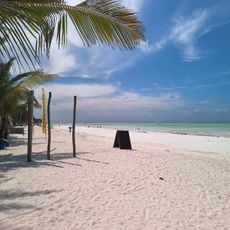
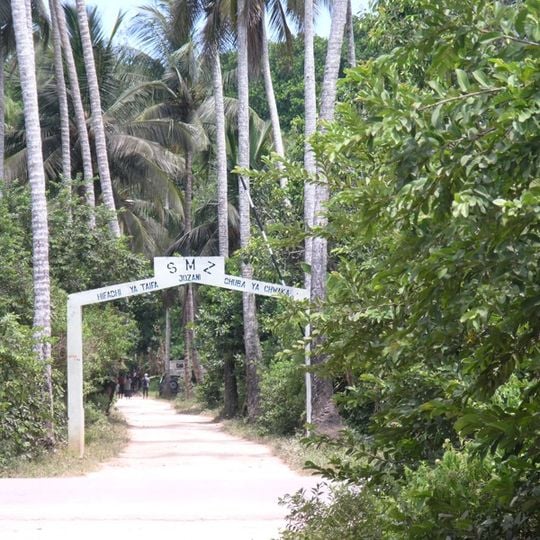
Jozani Chwaka Bay National Park is a protected area on the eastern coast of Zanzibar with mangrove forests, salt marshes, and coastal woodlands spread across the landscape. Footpaths and elevated boardwalks run through the site, allowing visitors to walk through different vegetation zones.
Jozani Forest became a forest reserve in 1960. From 1995 the Jozani–Chwaka Bay Conservation Project extended protection to Chwaka Bay, balancing conservation with local wood gathering. The national park was created by decree on 27 January 2003, ending commercial logging while residents kept the right to collect dry branches.
The reserve holds shrines in the Mapopwe preserve, and communities mark the Prophet Muhammad's birth during the third month of the Islamic calendar. Residents of the transition zone, mainly Hadimu with a smaller Shirazi segment, also gather honey from beekeeping and make handicrafts from forest products.
The best way to visit is by joining an organized tour departing from the main towns on the island. The trails are mostly flat and easy to walk, with viewing areas set up along the paths for wildlife observation.
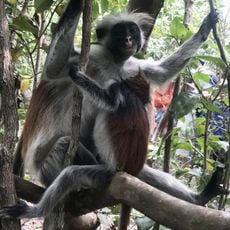
The Zanzibar red colobus, Procolobus kirkii, is named after Sir John Kirk, the British Resident of Zanzibar who first brought it to zoological science. It has been the park's flagship conservation species since the mid-1990s. The park also shelters the Zanzibar leopard, believed extinct until a 2017 camera-trap film confirmed its presence.
The community of curious travelers
AroundUs brings together thousands of curated places, local tips, and hidden gems, enriched daily by 93,125 contributors worldwide.