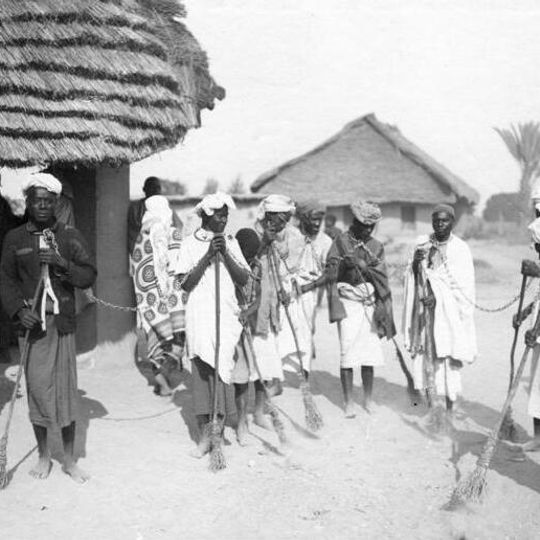
Tabora, city in Tanzania
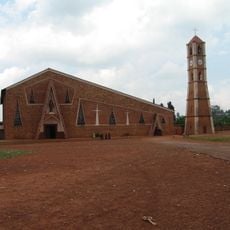
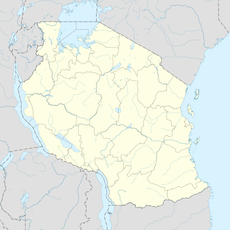
Tabora is a city in central Tanzania that displays wide, calm streets lined with ancient mango trees reflecting centuries of trade history. The place spreads with a mixed urban landscape of colonial buildings from the German era, busy local markets filled with fruits and vegetables, and residential neighborhoods where life moves at a steady, unhurried pace.
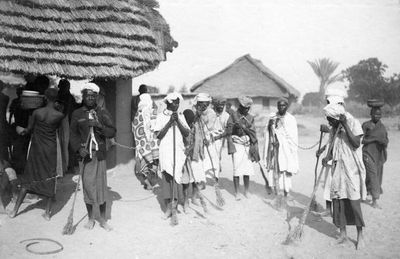
Tabora emerged in the 1830s as a vital trading post for Arab and Swahili merchants exchanging ivory, salt, and copper across continental routes. In the late 1800s, the Germans took control, built a railway and a fort, and made the city an administrative center that was later fought over strategically during World War I.
Tabora bears the name from the local Unyamwezi people, meaning 'people of the moon,' and this identity remains present in how residents speak about their town and heritage. The mango trees lining the streets, planted by traders from Oman more than a hundred years ago, stand as living reminders of the cultural exchange that shaped and continues to define daily life here.
You can walk across the town since it is not very large, and taxis or bicycle taxis are available for longer distances. The railway station is a key hub with connections to Dar es Salaam, Kigoma, and Mwanza, while a small airport also serves travelers.
Rare Tabora Sovereign gold coins were minted by the Germans during World War I when cut off from Europe, and they are now highly prized by collectors. This numismatic treasure tells the story of an isolated city that innovatively managed its economy during times of isolation.
The community of curious travelers
AroundUs brings together thousands of curated places, local tips, and hidden gems, enriched daily by 91,619 contributors worldwide.