Ibo fortresses, Portuguese colonial fortresses in Ibo, Mozambique.
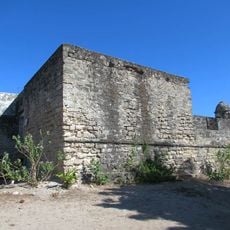
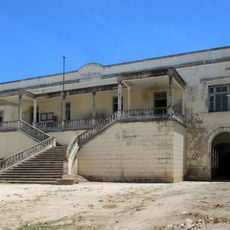
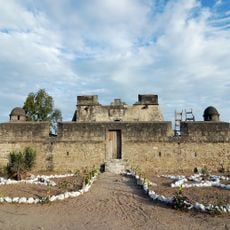
Ibo fortresses are a group of defensive structures that Portugal built along Mozambique's coast, including Fort São João Baptista, Fort São José, and Fort Santo António. They formed a defensive network with barracks, storage buildings, and artillery positions to control the region.
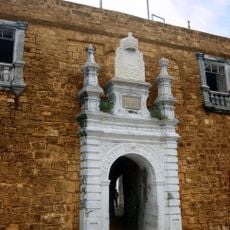
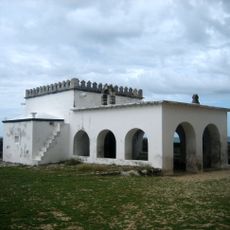
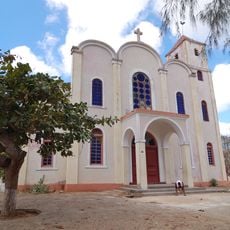
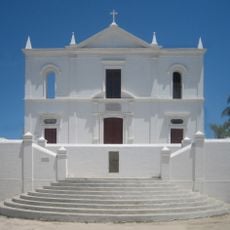
The first fortification on Ibo Island was the Fortim de São José, built in 1760. The star-shaped Fortaleza de São João Batista followed in 1781, designed by António José Teixeira Tigre, with a chapel added in 1795. The Fortim de Santo António, the port's last defensive work, was completed in 1847, though it may have been begun between 1825 and 1835.
The name Ibo comes from the Swahili settlement that repelled a Portuguese fleet in 1522. The Fortim de Santo António, completed in 1847, served as a signal station: from its baluarte, boats were spotted far off and messages were relayed to the governor's residence. The fortim's gate bears an inscription marking its completion.
Access is usually through Ibo Island, where the structures are spread out and can be explored on foot. It is wise to bring comfortable shoes and water, as the paths are exposed to the sun and weather.
The star-shaped Fortress of São João Baptista was designed by António José Teixeira Tigre; two inscriptions, above the arms gate and on the entrance corner, date its construction to 1781. Inside, service buildings could quarter some 300 men, and a chapel was added in 1795. It is regarded as Mozambique's second fortification by size, plan and building technique.
The community of curious travelers
AroundUs brings together thousands of curated places, local tips, and hidden gems, enriched daily by 94,194 contributors worldwide.