Jesuit College and Chapel of Saint Paul, Colonial religious complex and palace in Island of Mozambique, Mozambique
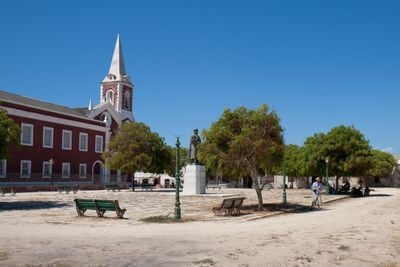
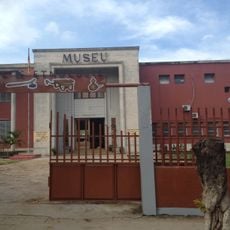
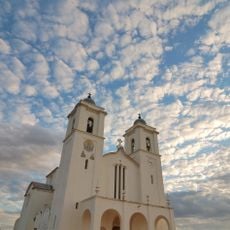
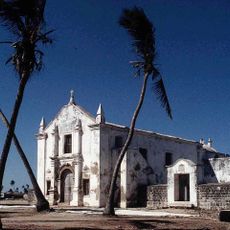
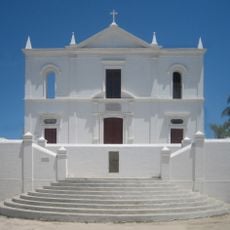
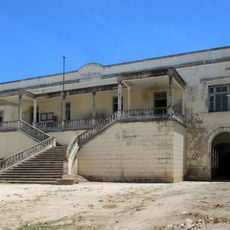
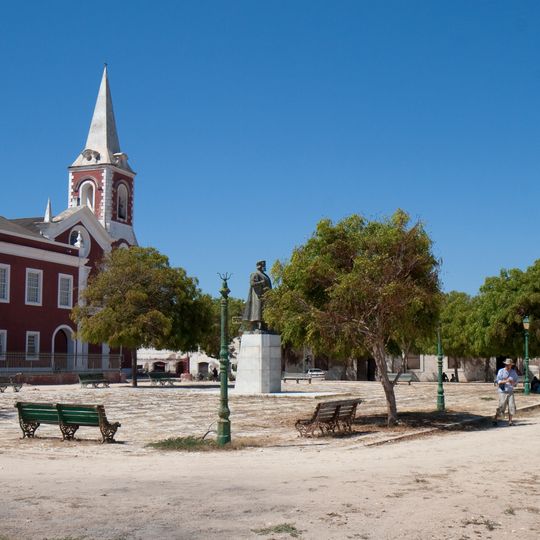
The Jesuit College and Chapel of Saint Paul, also called the Palace of São Paulo, is a two-storey building on Mozambique Island. Its ground floor holds the Maritime Museum, while the upper floor houses the Palace-Museum of São Paulo, displaying decorative arts including one of the world's largest collections of Indo-Portuguese furniture. Next to the palace is the baroque Church of São Paulo, noted for its gilded altarpiece and polychrome wooden pulpit, both made in Portuguese India in the 17th century.
The structure was built in 1610 first as a Jesuit college and chapel before becoming the residence of Portuguese colonial governors. This shift reflects how authority on the island moved from religious to administrative hands over time.
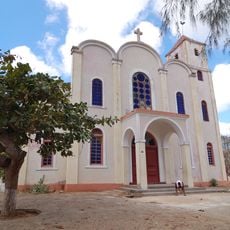
The palace's name recalls its Jesuit origin, and its two museums hold one of the world's largest collections of Indo-Portuguese furniture. The adjoining Church of Saint Paul, built in the 17th century, has a gilded altarpiece and a polychrome wooden pulpit made in Portuguese India. Next door, the Church of the Misericórdia serves as the Museum of Sacred Art.
To visit the building, plan for a guided tour that explains the exhibits and historical background of the different rooms. Allow enough time to explore both floors and take in the details of each collection displayed.
The building preserves rare objects from different cultures showing how the island functioned as a meeting point for trade between Africa, Asia, and Europe. This collection reveals the location's role as an important center for exchange of goods and ideas across great distances.
The community of curious travelers
AroundUs brings together thousands of curated places, local tips, and hidden gems, enriched daily by 95,302 contributors worldwide.