National Museum of Ethnography Nampula, National ethnographic museum in Nampula, Mozambique.
The National Museum of Ethnography is a museum in Nampula that collects and displays objects from various African cultures. The collection includes crafted works, art objects, and everyday items that document the region's diversity and cultural traditions.
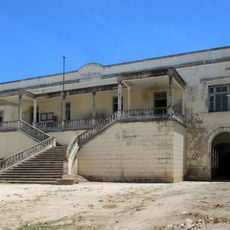
Inaugurated on 23 August 1956 by Portuguese president general Craveiro Lopes, the day after Nampula was raised to city status, it was named Museu Regional Comandante Eugénio Ferreira de Almeida after the district governor. Ethnographer Soares de Castro drove the project, the only one of three planned regional museums to be built, in a building designed by architect Mário de Oliveira. It closed in 1981 amid war and a lack of professional staff, reopening on 25 June 1993 as a national museum of ethnographic vocation.
The collections display traditional hunting weapons, fishing nets, musical instruments, and Makonde art that reflect daily life in northern Mozambique. These items tell stories of craftsmanship and traditions that remain alive in the region today.
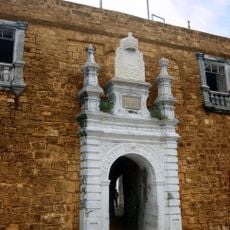
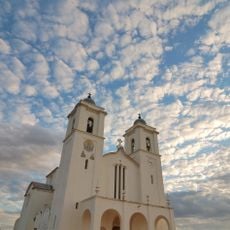
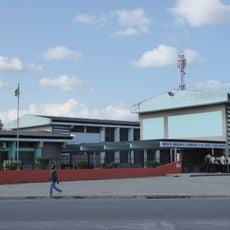
The museum stands in central Nampula, in the building designed by architect Mário de Oliveira for its 1956 opening. Visits are self-guided through the exhibition rooms; allow time to read the labels on hunting weapons, fishing nets, the small dhow and Makonde art. The institution has long faced financial and technical difficulties, which have affected infrastructure maintenance and the collection of artefacts, so some displays may be modest.
This is the only national ethnographic museum in the country located outside the capital city. As such, it preserves perspectives and collections that particularly reflect the communities of the northern region.
The community of curious travelers
AroundUs brings together thousands of curated places, local tips, and hidden gems, enriched daily by 94,440 contributors worldwide.