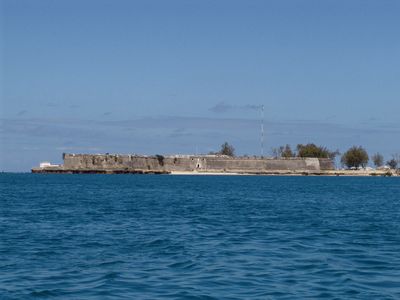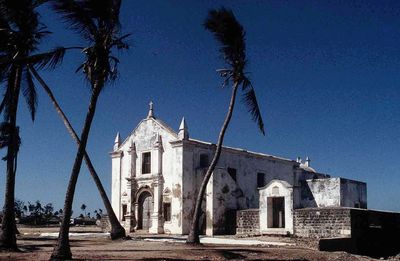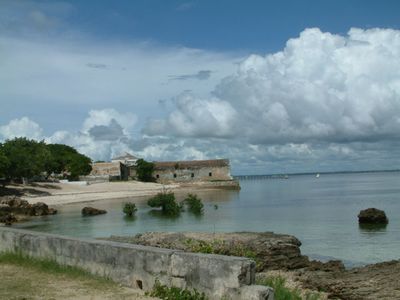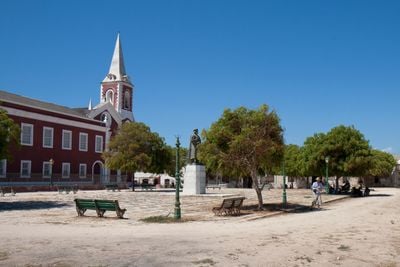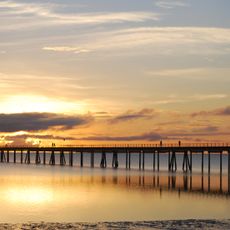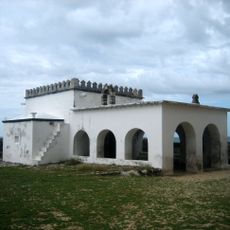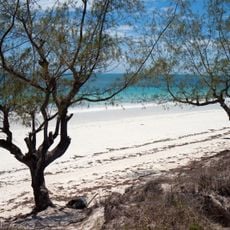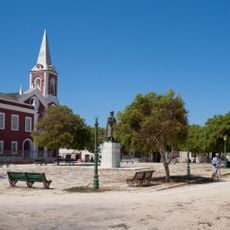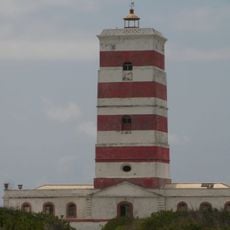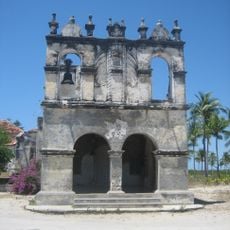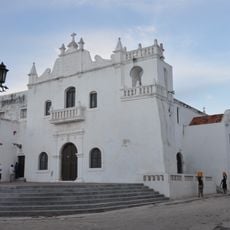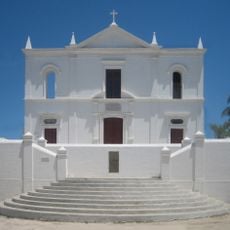
Island of Mozambique, UNESCO World Heritage Site in northern Mozambique.
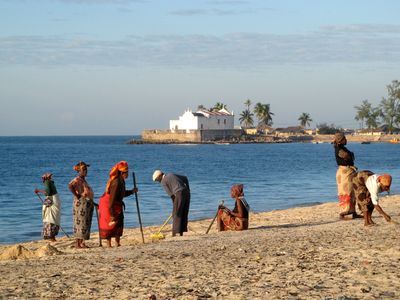
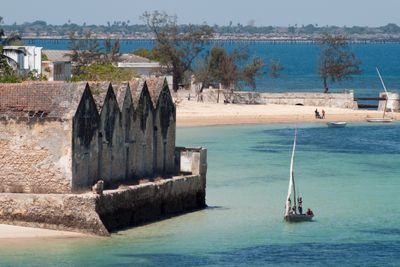
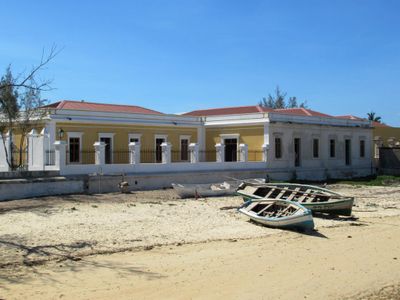
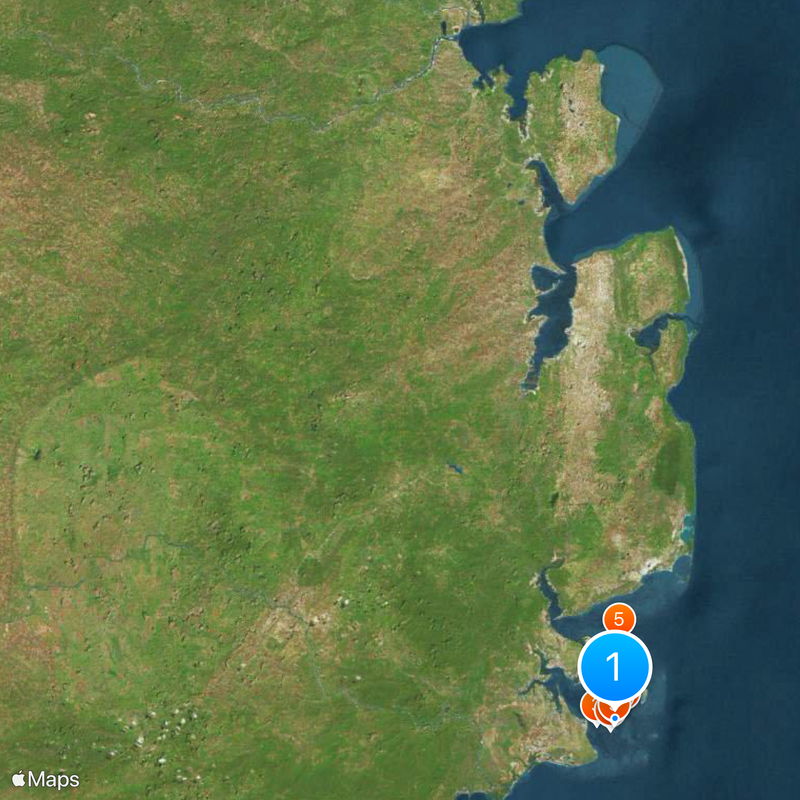
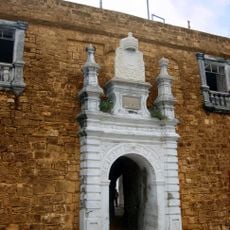
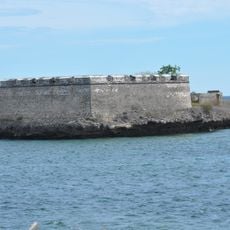
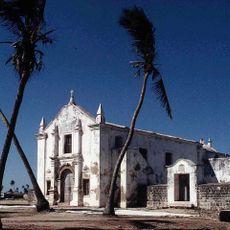
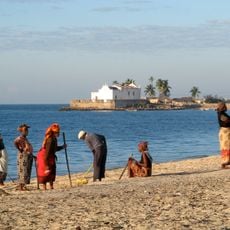
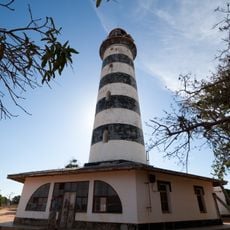
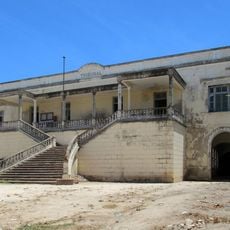
Island of Mozambique is a coral island off the northern coast with narrow streets lined with limestone buildings and Fort São Sebastião. The settlement combines trading houses, residences, and religious structures in a densely built layout.
Portuguese settlers established their first East African capital here in 1507 and built fortifications to control trade routes. Portuguese rule lasted until the late 19th century, when the focus shifted to Lourenço Marques.
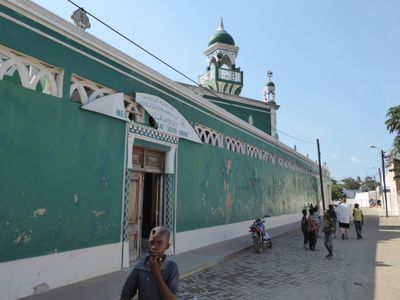
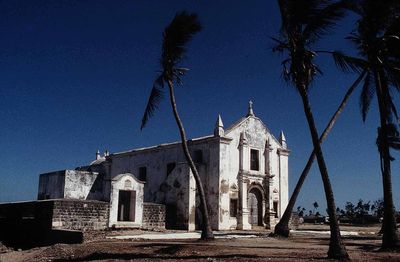
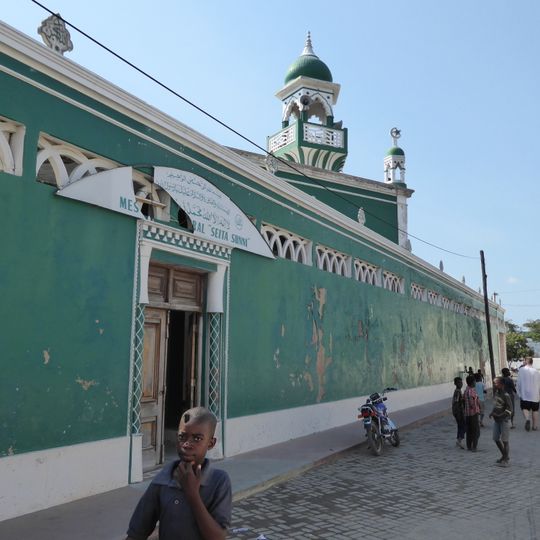
The buildings show a blend of Portuguese, Arab, and Indian influences that you can see in chapels, mosques, and temples throughout the town. This mix reflects how different communities coexisted on the island.
Visitors reach the island via a bridge from the mainland and explore best on foot or by bicycle. Most lodging sits in the old town, and comfortable shoes help when walking the uneven streets.
The country's name comes from Sultan Ali Musa Mbiki who ruled here when Vasco da Gama arrived in 1498. This link between the small island and the nation's identity is often overlooked by visitors.
The community of curious travelers
AroundUs brings together thousands of curated places, local tips, and hidden gems, enriched daily by 91,635 contributors worldwide.