Natural History Museum of Mozambique, Natural history museum in Maputo, Mozambique.
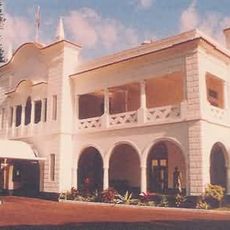
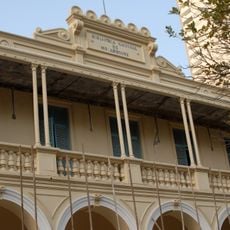
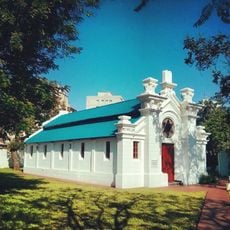
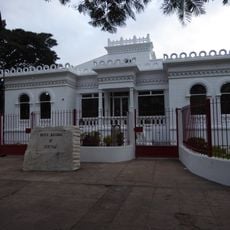
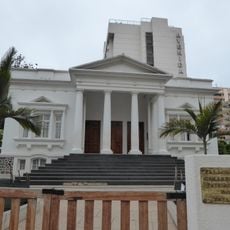
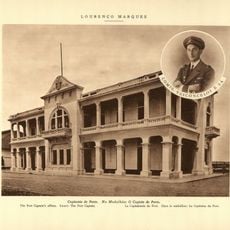
The Natural History Museum of Mozambique is a natural history museum housed in a Neo-Manueline building in Maputo. The collections are spread across several floors, with glass cases and dioramas displaying African wildlife and natural history objects.
The museum opened on 6 June 1913 as the Museu Provincial, set up by Captain Alberto Graça, a Portuguese teacher, inside the Escola 5 de Outubro. Three years later Governor Álvaro de Castro moved it to the Vila Jóia in the Jardim Vasco da Gama, still supervised by the school. In 1932 it moved to the building on Praça das Descobertas and took the name Museu Dr. Álvaro de Castro; since independence in 1975 it has been the Museu de História Natural de Moçambique.
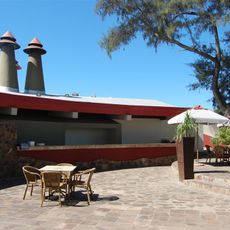
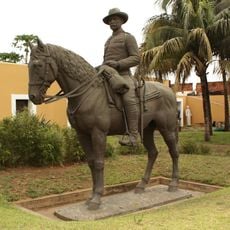
The garden holds murals by the Mozambican painter Malangatana, alongside statues and didactic panels on dinosaurs. Inside, the ethnographic collections gather images, statues, musical instruments and accessories of Mozambican tribes. The museum is run by Eduardo Mondlane University and is the only one of its kind in the country.
The museum sits at the corner of Rua dos Lusíadas and Avenida Patrice Lumumba, close to Hotel Cardoso, and is easy to find on foot in the city center. Inside, computer terminals let visitors explore the exhibits and look up additional information at their own pace.
The museum holds a preserved coelacanth, a fish believed extinct until one was caught off South Africa in 1938. Its elephant fetus collection, covering the first 22 months of gestation, dates from the First World War and is described as the only one of its kind.
The community of curious travelers
AroundUs brings together thousands of curated places, local tips, and hidden gems, enriched daily by 94,779 contributors worldwide.