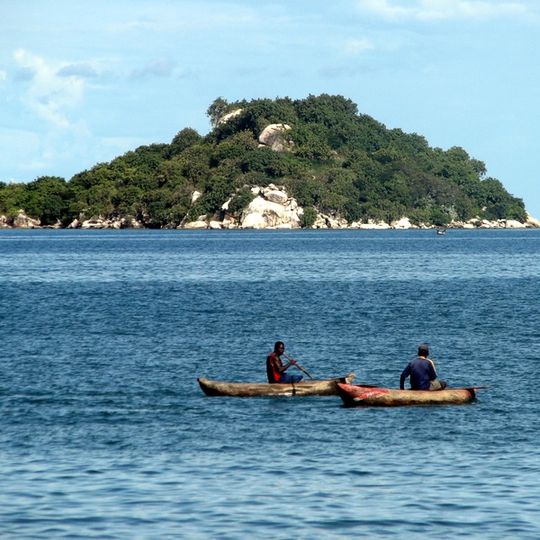
Lake Malawi, Freshwater lake in southeastern Africa
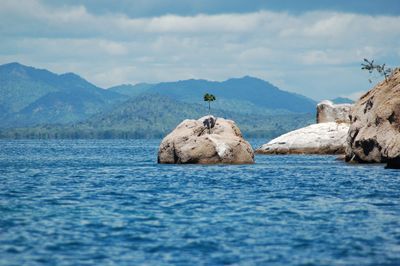
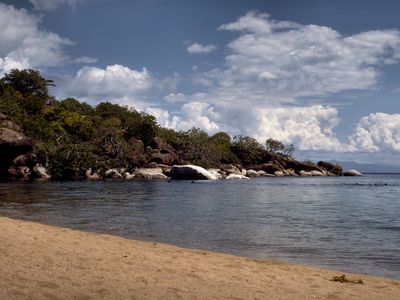
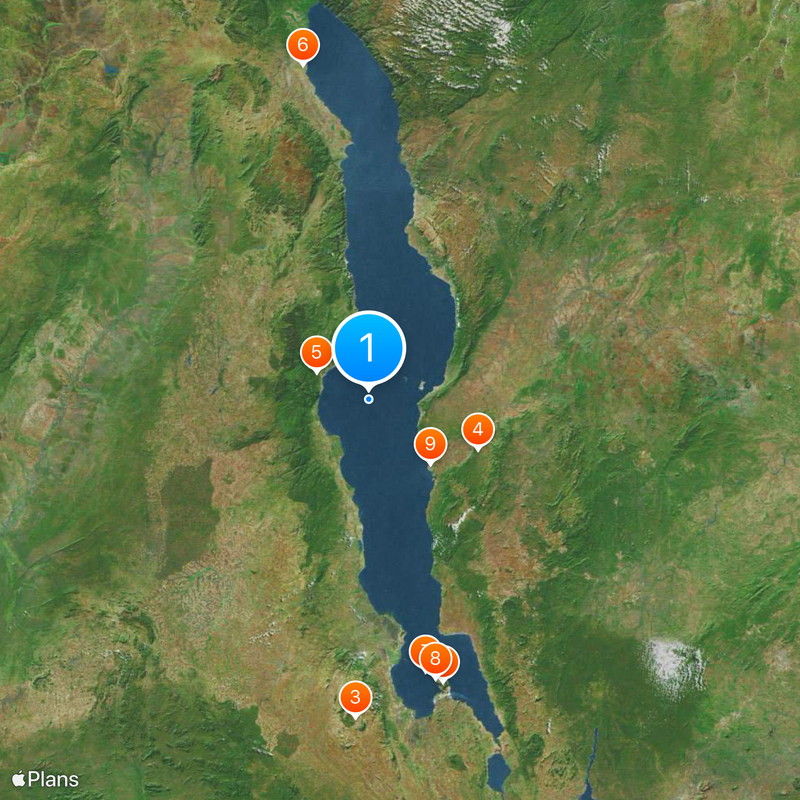
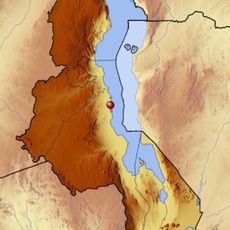
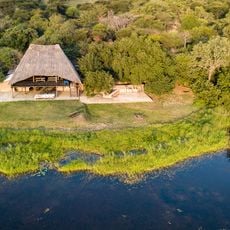
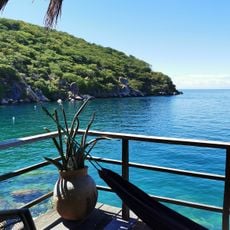
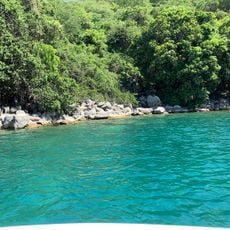
Lake Malawi runs for 563 kilometers along the borders of Malawi, Mozambique and Tanzania, reaching depths around 700 meters (2300 feet) in its deepest sections. The water is remarkably clear, allowing visibility of sandy bottoms and rock formations in shallow areas.
Portuguese trader Cândido José da Costa Cardoso first documented the lake in 1846, before David Livingstone explored it further in 1859. The lake served as a major trade route between East African coastal regions and the interior for a long time.
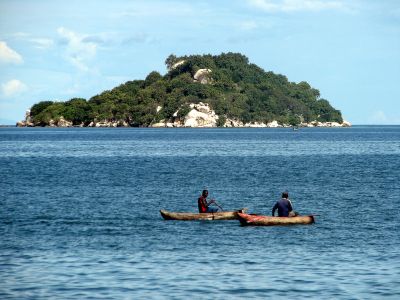
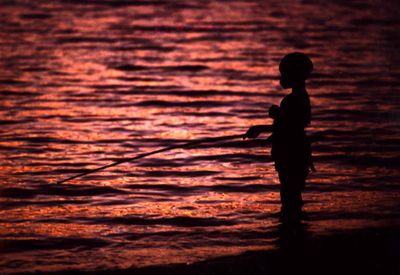
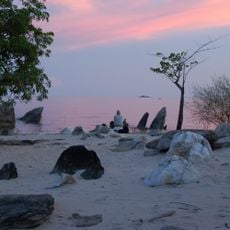
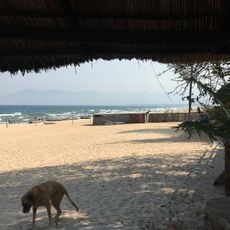
Fishing villages along the shore use handmade canoes and nets for the daily catch, while women on the beach dry and smoke fish over open fires. The name Malawi comes from the Maravi language and means flaming waters, a reference to the golden reflection of sunset across the surface.
The lake offers year-round opportunities for snorkeling and diving, with several access points and equipment rentals available near the shore. Conditions are usually calmest in the morning when winds remain light and underwater visibility stays at its best.
The lake holds more fish species than any other body of water worldwide, with over 800 cichlid species that evolved within its boundaries. Many of these species live exclusively in specific rock crevices or sand zones and exist nowhere else on Earth.
The community of curious travelers
AroundUs brings together thousands of curated places, local tips, and hidden gems, enriched daily by 60,000 contributors worldwide.