Van Gogh Museum, Art museum in Amsterdam, Netherlands
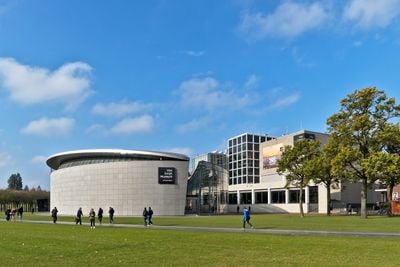
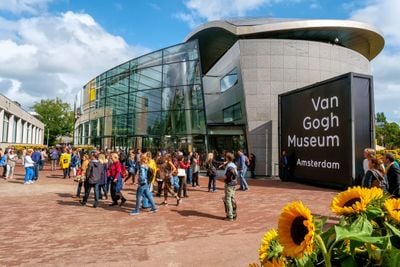
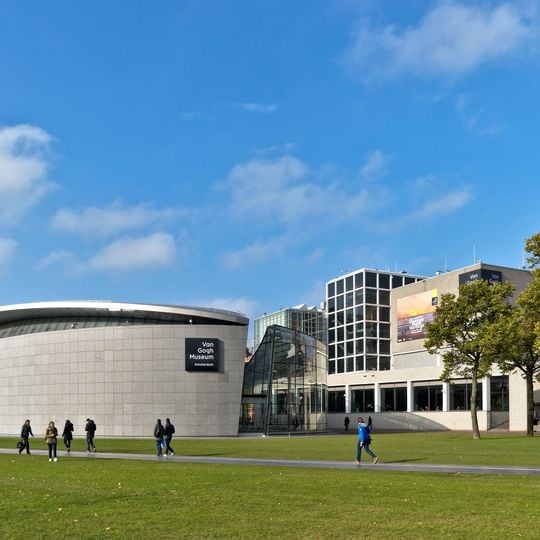
The Van Gogh Museum is an art museum in Amsterdam that holds the largest collection of the Dutch painter's works worldwide. Exhibition rooms spread across several floors and display paintings alongside drawings, sketches, and personal documents from the artist.
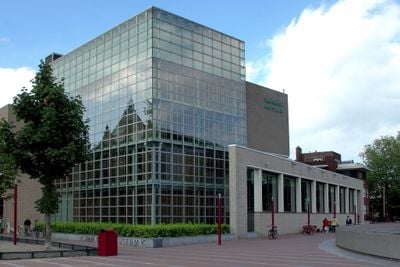
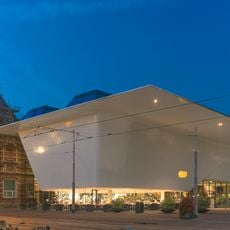
After Vincent van Gogh died in 1890, his unsold works passed to his brother Theo, who died six months later; his widow Johanna van Gogh-Bonger sold many paintings and kept a private collection, inherited in 1925 by her son Vincent Willem and transferred to the Vincent van Gogh Foundation in 1962. The Dutch government commissioned Gerrit Rietveld's design in 1963; after his death in 1964 the building was completed and opened on 2 June 1973, and the Kisho Kurokawa wing was added in 1998–1999.
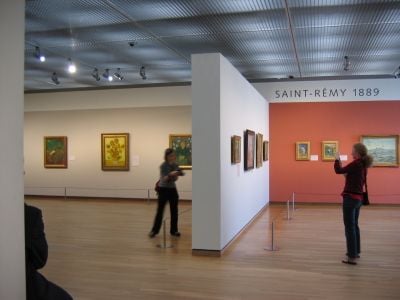
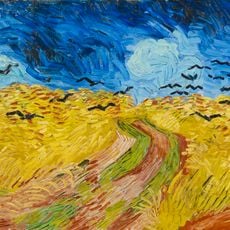
The permanent exhibition arranges the paintings chronologically, showing how van Gogh's technique evolved through different creative periods. Visitors also see works by contemporaries such as Henri de Toulouse-Lautrec and Édouard Manet, which provide context for the artistic environment of his era.
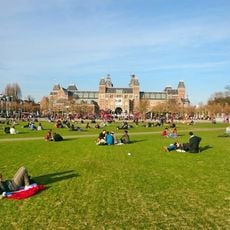
The galleries are located at Museumplein and open daily, with extended evening hours available on Fridays. Audio guides and digital explanations help visitors navigate the different floors.
Visitors can view preserved correspondence between Vincent and his brother Theo in the exhibition rooms, offering insight into his thoughts. The letters also contain small drawings the painter made to illustrate his ideas.
The community of curious travelers
AroundUs brings together thousands of curated places, local tips, and hidden gems, enriched daily by 93,698 contributors worldwide.