Palaces reveal how rulers have held power and shaped nations through the spaces where they lived and governed.
Royal and presidential residences around the world offer windows into how power has been exercised and displayed throughout history. These palaces function as more than just homes for leaders - they are working centers of government where important decisions are made daily. The buildings themselves tell stories through their architecture, decorations, and layout, reflecting the values and ambitions of the rulers who built them across different centuries.
Walking through these residences, you encounter rooms designed to impress visitors and display wealth, alongside private spaces that reveal how leaders actually lived. The gardens range from formal layouts with precise geometry to more relaxed grounds designed for reflection. Each palace bears the mark of its time and place - from the ornate decoration of Vienna's Schönbrunn to the ordered symmetry of Beijing's Forbidden City, from the neoclassical restraint of Washington's White House to the fortified walls of Moscow's Kremlin. Together, they show how different cultures and governments have chosen to represent themselves through architecture.
These places matter because they remain active centers of power today. Visiting them provides a rare chance to see where history continues to unfold, where state ceremonies still take place, and where you can observe the physical spaces that shaped major historical moments. Whether in London, Paris, Madrid, or New Delhi, each residence opens a door to understanding how nations present themselves to the world.
Palaces reveal how rulers have held power and shaped nations through the spaces where they lived and governed.
Royal and presidential residences around the world offer windows into how power has been exercised and displayed throughout history. These palaces function as more than just homes for leaders - they are working centers of government where important decisions are made daily. The buildings themselves tell stories through their architecture, decorations, and layout, reflecting the values and ambitions of the rulers who built them across different centuries.
Walking through these residences, you encounter rooms designed to impress visitors and display wealth, alongside private spaces that reveal how leaders actually lived. The gardens range from formal layouts with precise geometry to more relaxed grounds designed for reflection. Each palace bears the mark of its time and place - from the ornate decoration of Vienna's Schönbrunn to the ordered symmetry of Beijing's Forbidden City, from the neoclassical restraint of Washington's White House to the fortified walls of Moscow's Kremlin. Together, they show how different cultures and governments have chosen to represent themselves through architecture.
These places matter because they remain active centers of power today. Visiting them provides a rare chance to see where history continues to unfold, where state ceremonies still take place, and where you can observe the physical spaces that shaped major historical moments. Whether in London, Paris, Madrid, or New Delhi, each residence opens a door to understanding how nations present themselves to the world.
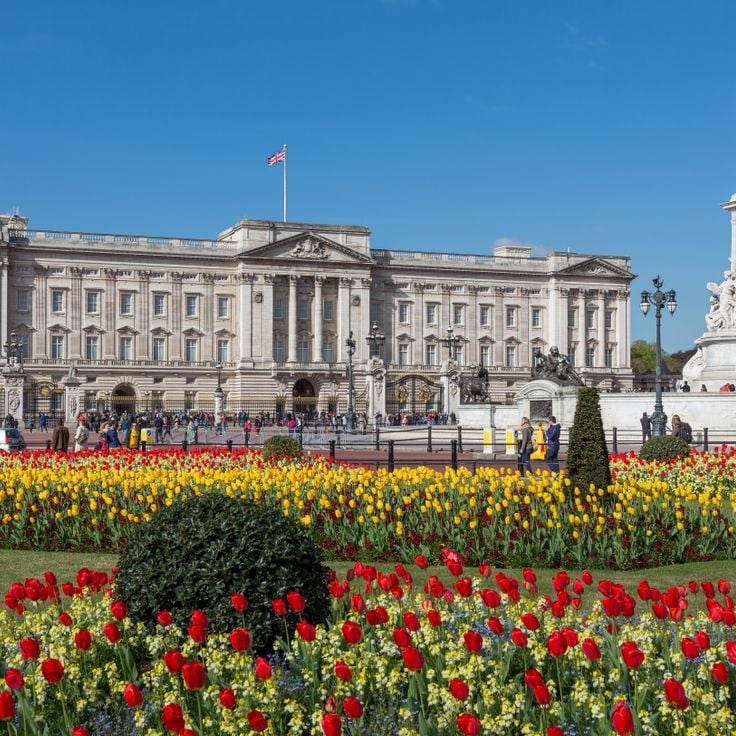
Buckingham Palace is the official London home of the British monarch. The building brings together living quarters, offices, and State Rooms under one roof. The State Rooms are used for official receptions and open to visitors during the summer months. Behind the palace lies a large garden where the monarch hosts the annual garden parties. Walking through these rooms gives a sense of how British power has been put on display for centuries.
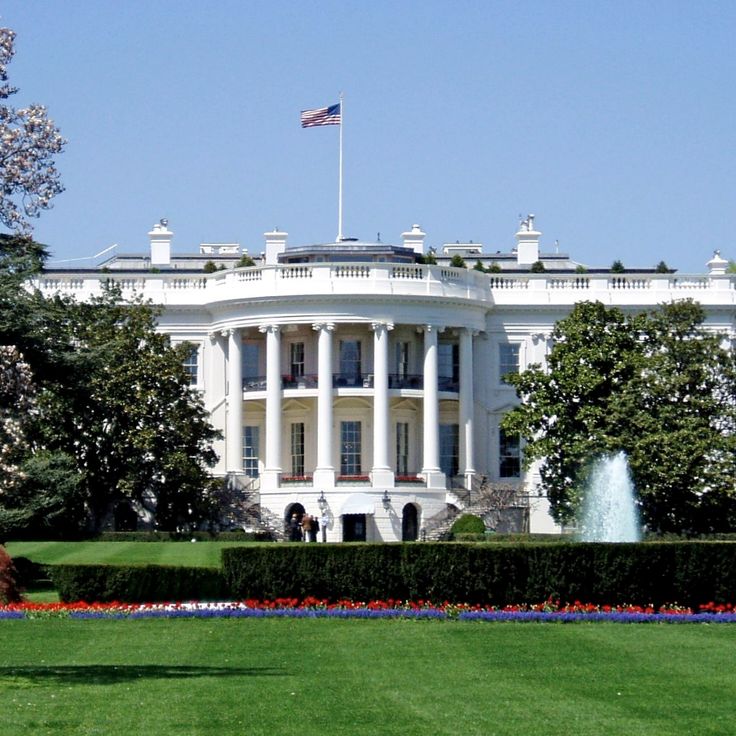
The White House has been the home and workplace of every US president since 1800. Its neoclassical facade gives it a formal, composed appearance that reflects how American power has chosen to present itself to the world. Inside, the official rooms are furnished with pieces from different periods of American history, while working offices sit alongside private family spaces. Walking through it, you get a sense of how daily governance and ceremonial life have long shared the same building.
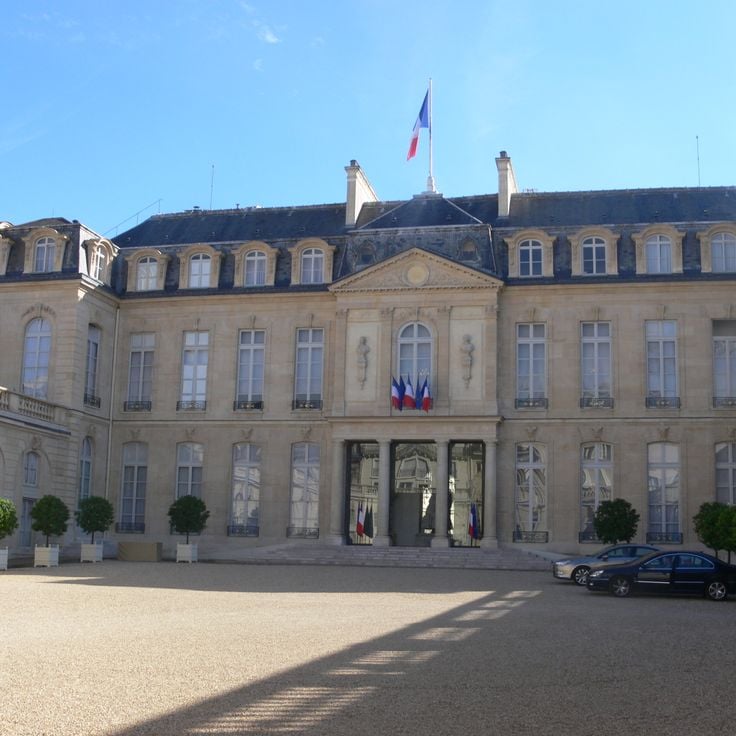
The Élysée Palace has been the official home of the French president since 1848. The 18th-century building contains large salons used for state receptions and daily government work. Walking through the rooms, you pass through different periods of French history, with furnishings that range from the Revolutionary era to the present day. Unlike a museum, the Élysée is still a working seat of power, where decisions that shape France continue to be made.
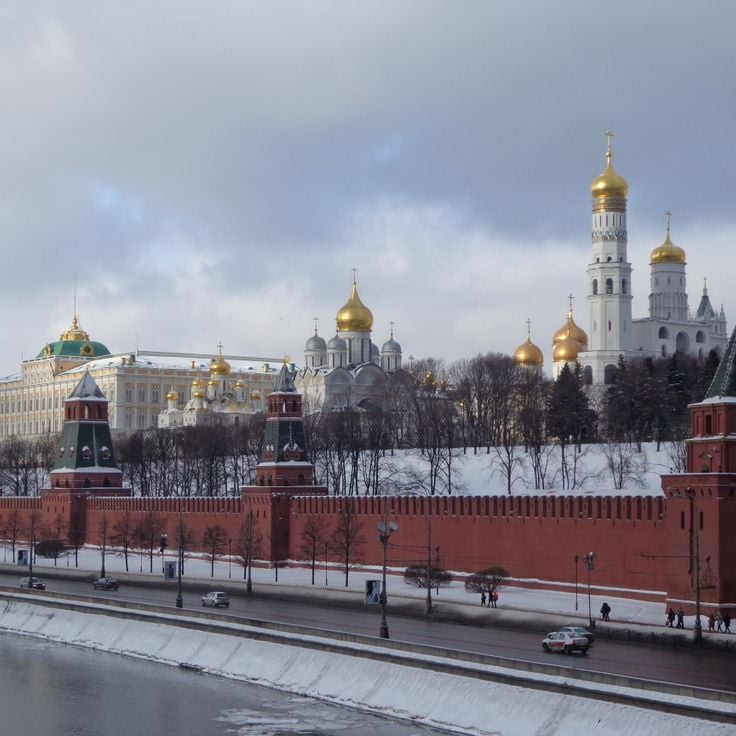
The Kremlin is the official residence of the Russian president and the political heart of Russia. This fortified complex holds five palaces, four cathedrals, and a wall that runs around the entire site. The buildings come from different centuries and show how Russian state architecture evolved from the time of the tsars to the present day. Walking through the Kremlin, you move between halls built for state ceremonies and cathedrals that carry the religious history of the country.
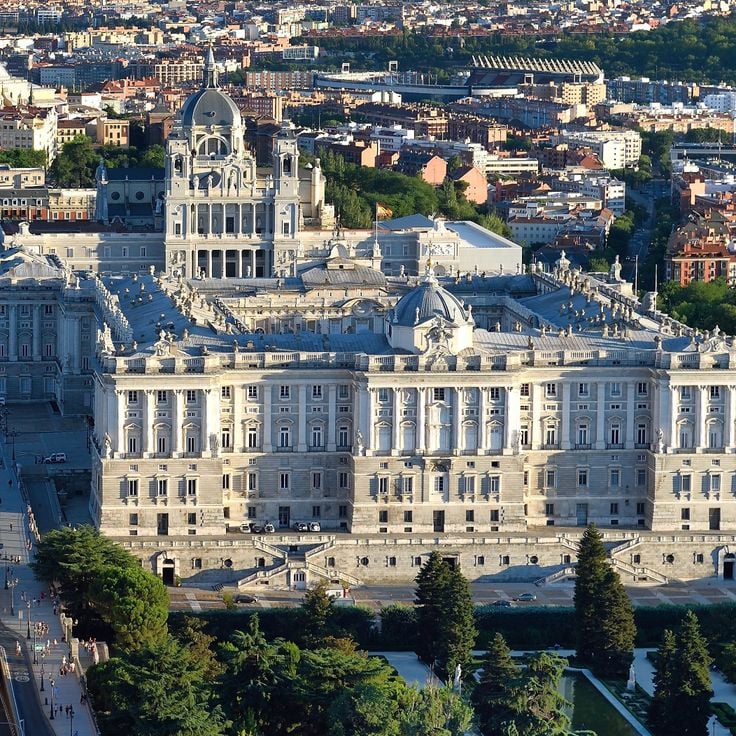
The Royal Palace of Madrid is the official seat of the Spanish monarchy, used today mainly for state receptions and ceremonies. Built in the 18th century, it contains a long succession of rooms that trace how power was exercised and displayed in Spain across different political periods. Walking through it, you can see how each era left its mark on the decoration and layout of the building.
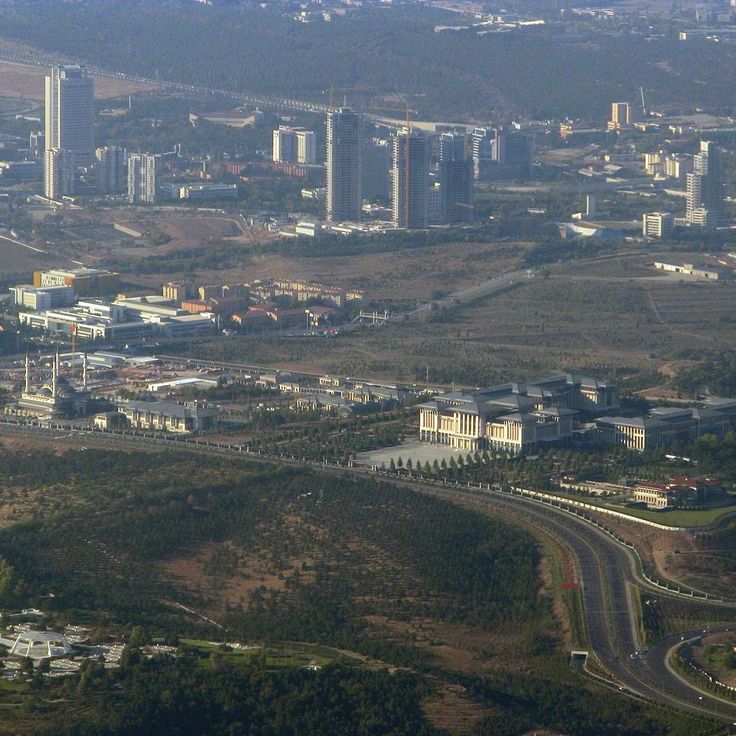
The Presidential Complex in Ankara serves as the official seat of the Turkish president. The building brings together administrative offices and ceremonial halls, showing how today's Turkish government expresses state authority through architecture. The rooms and outdoor spaces reflect the style that the current leadership has chosen for itself. Visiting the complex gives a sense of how Turkey presents itself as a modern state to the world.
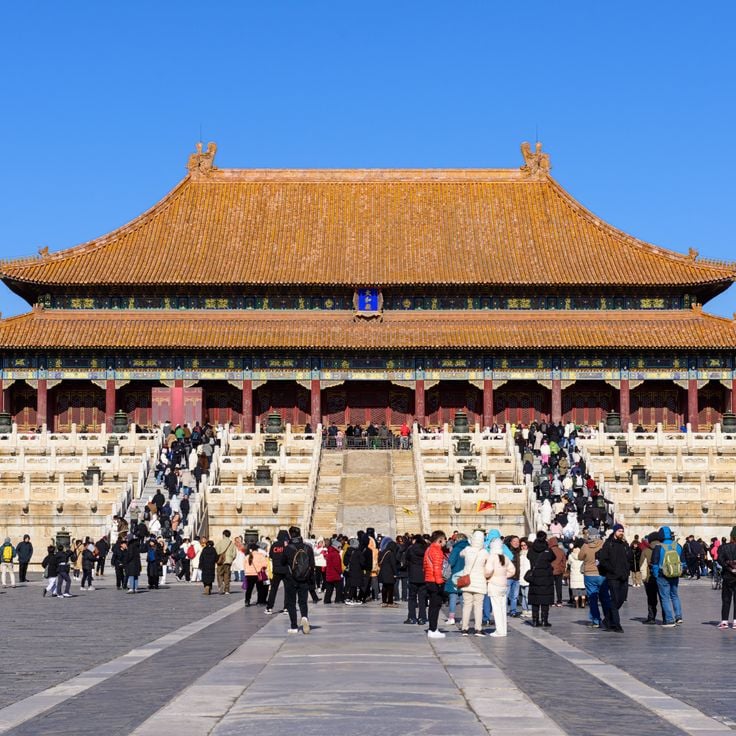
The Forbidden City sits at the heart of Beijing and served as home to the emperors of the Ming and Qing dynasties for five centuries. The complex holds nearly 1,000 buildings arranged around open courtyards. Ceremonial halls, administrative rooms, and private quarters follow a strict symmetry that reflects the order of imperial rule. Walking through the red gates, you begin to understand how architecture and power were tied together in China across generations.
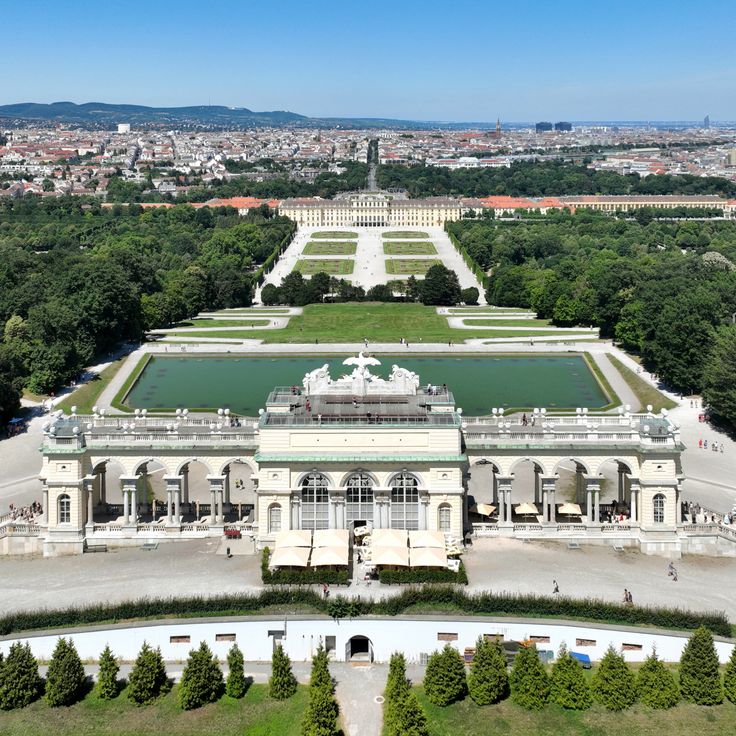
Schönbrunn Palace served as the summer home of the Habsburg rulers and stands as one of the clearest examples of how royal power was put on display in Europe. Built in the 17th century, the palace contains over 1,400 rooms that ranged from grand reception halls used for state ceremonies to private apartments where the imperial family lived. The park surrounding the palace, with its straight paths, fountains, and the hilltop Gloriette, shows how the Habsburgs shaped even the landscape to reflect their authority.
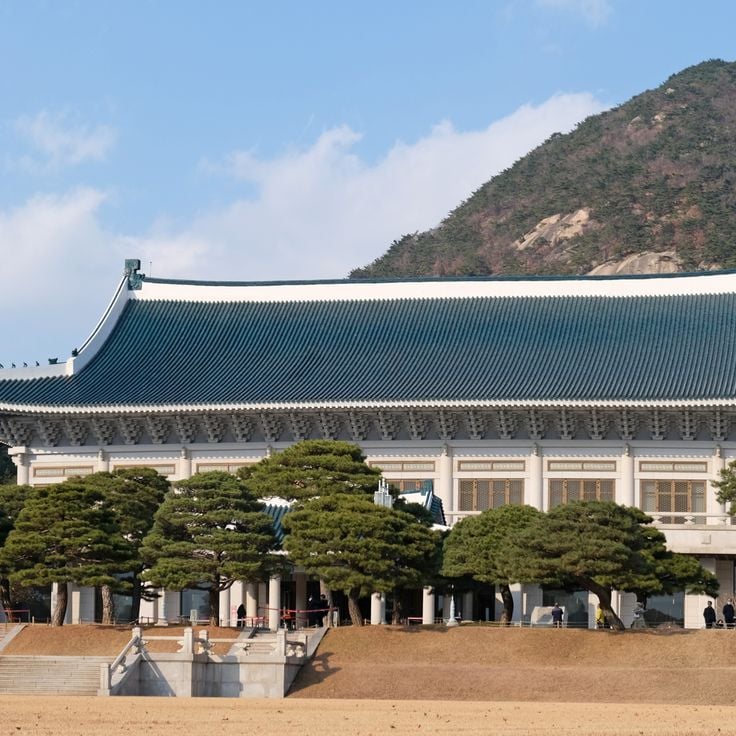
The Blue House in Seoul is the official home and workplace of the South Korean president. Its name comes from the blue glazed roof tiles, which echo traditional Korean architecture. The complex sits at the foot of Mount Bugaksan and brings together offices, reception halls for state visits, and meeting rooms for government sessions. Like the other residences in this collection, the Blue House shows how a nation chooses to express power and tradition through its buildings. Since the republic was founded in 1948, this place has stood at the center of South Korean leadership.
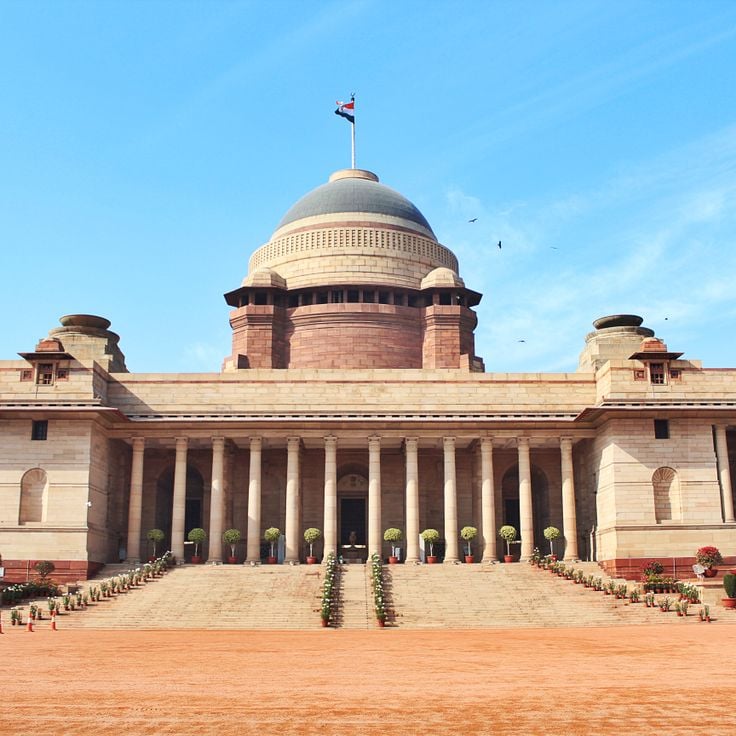
Rashtrapati Bhavan sits at the heart of New Delhi and was originally built as the seat of the British viceroy before becoming the residence of the Indian head of state after independence. Completed in 1929, the building brings together European columns and domes with motifs drawn from Indian architecture. Walking through its rooms, you feel the shift from colonial rule to republic. Today, state receptions and official ceremonies take place here, presenting modern India to visiting dignitaries.
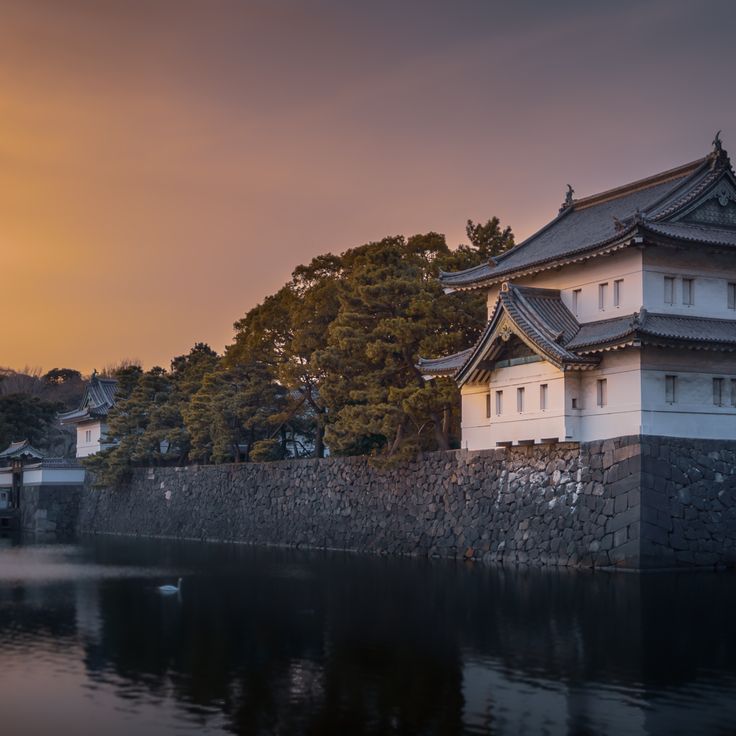
The Imperial Palace of Tokyo is the official home of the Japanese imperial family, set in the heart of the city. The grounds bring together traditional Japanese architecture, ceremonial halls, historic gardens, and a document archive. The buildings trace the history of the imperial institution from the 15th century to today, showing how Japanese architectural styles evolved over the centuries and how power has been expressed through design.
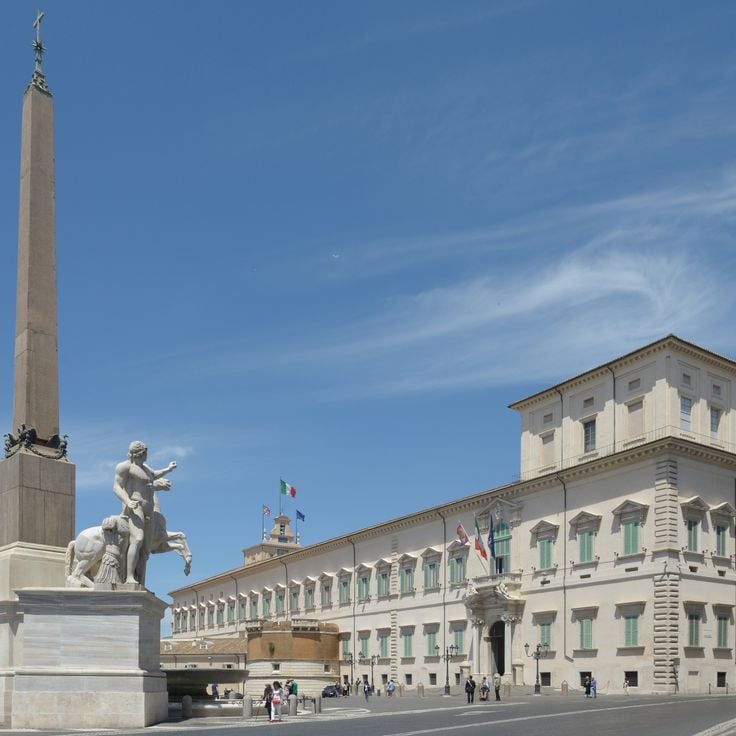
The Quirinal Palace stands on the highest of Rome's seven hills and has served popes, kings, and now the Italian head of state over the centuries. Since 1870, it has been the official residence of the president of the Republic. Its halls bring together elements from the Renaissance and Baroque periods and are still used today for state receptions and diplomatic ceremonies.
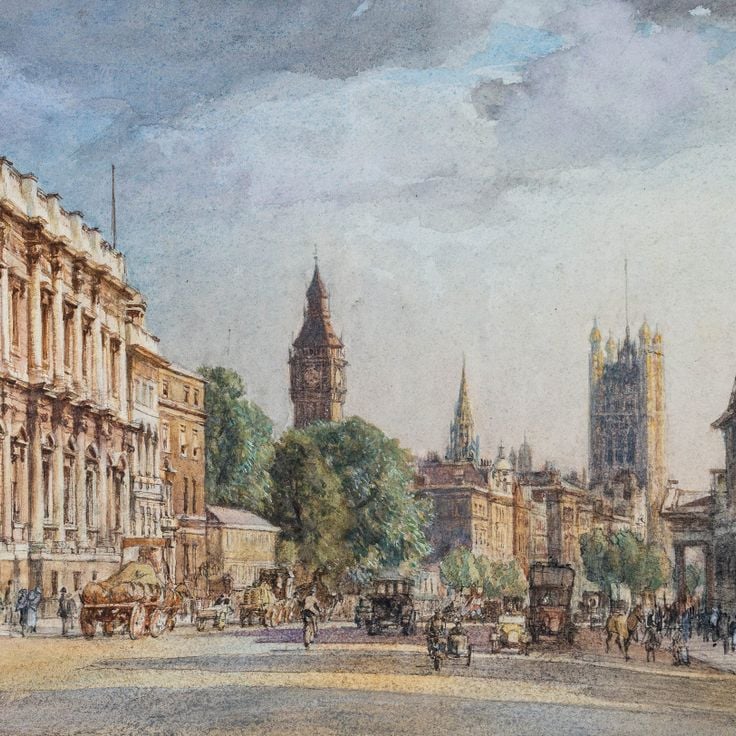
The Palace of Westminster is the seat of the British Parliament, housing both the House of Commons and the House of Lords. Built in the Gothic Revival style after a fire in 1834, the building rises along the bank of the Thames. Its clock tower, home to the bell known as Big Ben, is one of the most recognized sights in London. Walking through its halls gives a sense of how British democracy has taken shape over centuries.
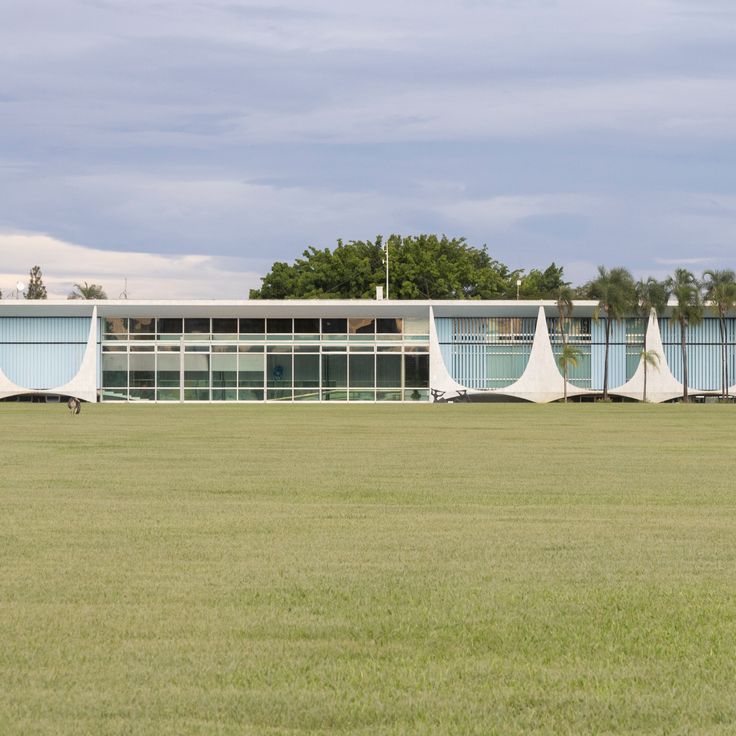
Alvorada Palace has been the home of Brazil's president since 1956, when the new capital was still taking shape. Oscar Niemeyer designed the building in a modernist style that matched the ambitions of a country building itself a brand new city from scratch. The curved columns along the facade are one of his most recognizable touches. Inside, formal reception rooms sit alongside the private living quarters. The grounds include a swimming pool. Walking through this palace gives a sense of how Brazil chose to present itself to the world at a turning point in its history.
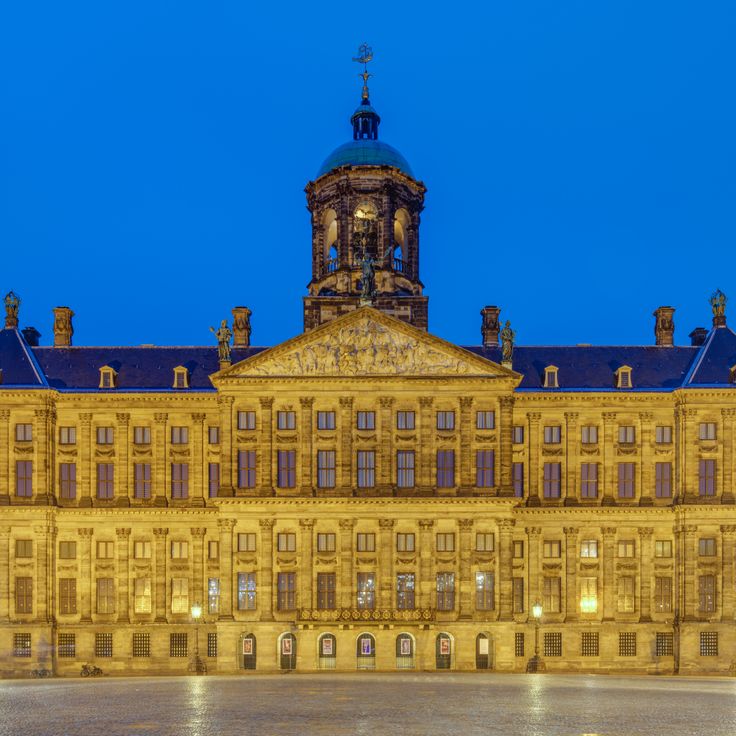
The Royal Palace of Amsterdam stands at the center of Dam Square and was originally built as the city's town hall in the 17th century, during a period when Amsterdam was one of the wealthiest cities in the world. Today it serves the Dutch royal family for official ceremonies and state visits. Inside, the rooms were designed to show power and authority, and many still hold furniture from the Napoleonic period, a reminder of the years of French rule. Walking through the palace gives a sense of how the Netherlands shaped its identity across very different political moments.
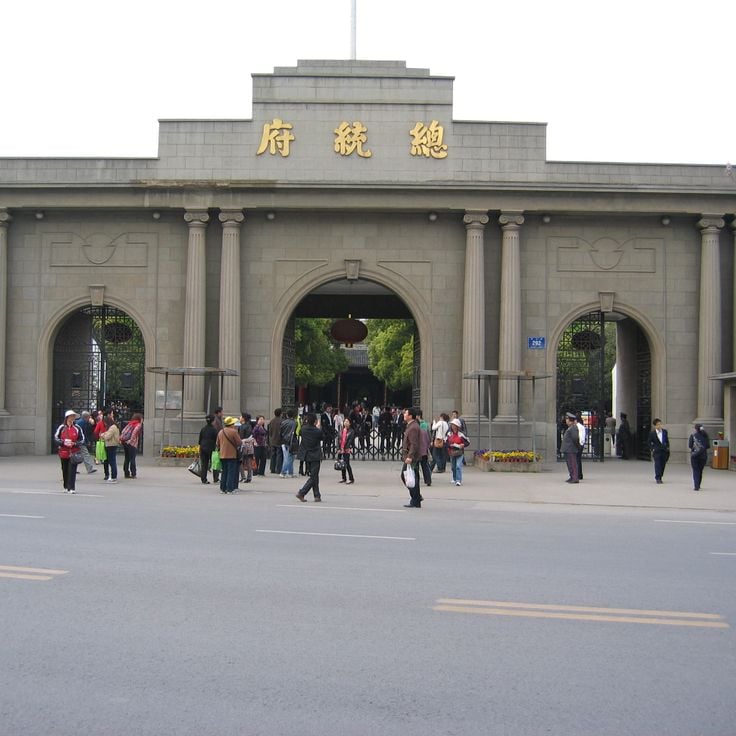
The Presidential Palace of Nanjing served as the working center of Chinese government through decades of political change. The complex took its current form in 1929 and brings together traditional Chinese gardens with administrative buildings. It housed the offices and private rooms of Sun Yat-sen, the first president of the Republic of China, as well as later administrations. Walking through its reception halls and residential quarters gives a concrete sense of how power was exercised and displayed during the Republican era.
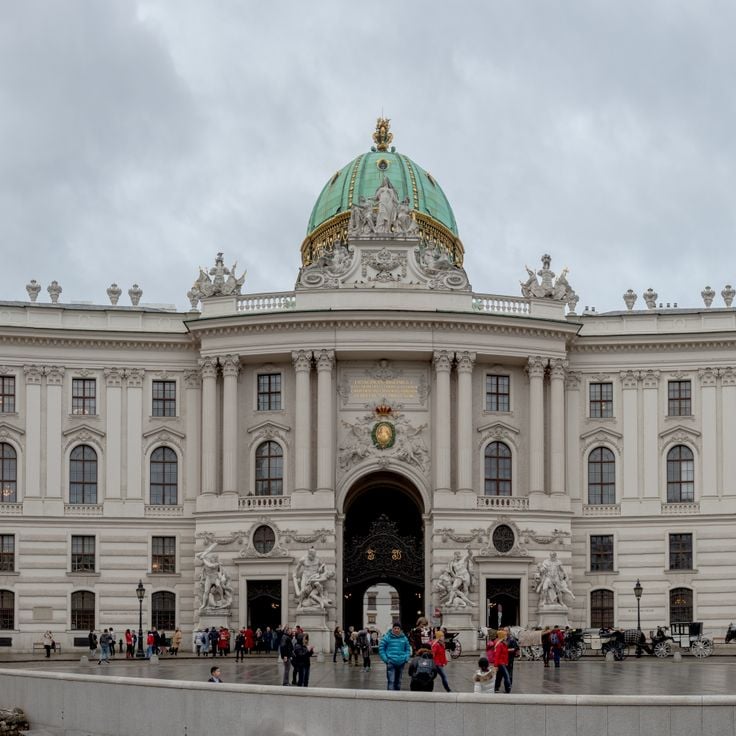
Hofburg Palace sits at the heart of Vienna and served as the center of Habsburg rule for centuries. Today it houses the Austrian National Library and several museums. Walking through its rooms, you move between living quarters and ceremonial halls that span Gothic, Renaissance, and Baroque periods. Each wing reflects a different moment in the history of one of Europe's most powerful dynasties, giving a clear sense of how Austrian imperial power was built up and put on display over time.
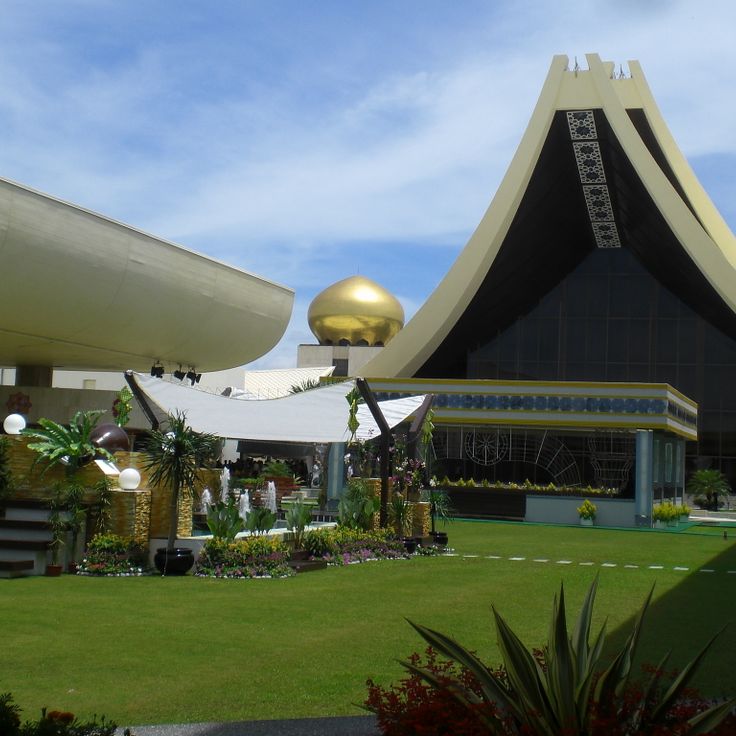
Istana Nurul Iman is the official home of the Sultan of Brunei and also serves as the seat of government. A golden dome rises above the main building and can be seen from a distance. The architecture brings together Islamic design and traditional Malay building forms, reflecting the cultural identity of the sultanate. Inside, state rooms, audience halls, and government offices carry out the daily work of power. The palace opens to the public once a year, during the Hari Raya celebrations at the end of Ramadan.
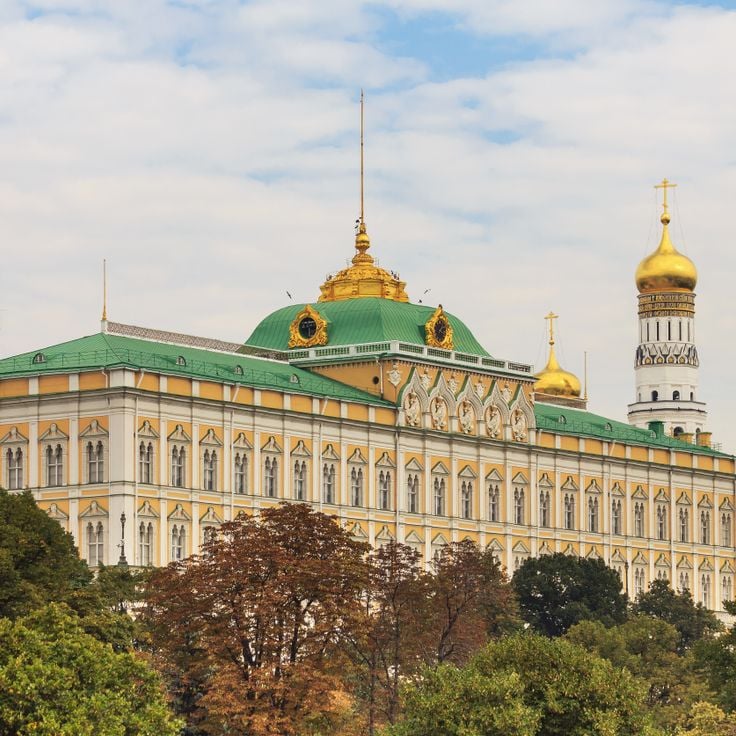
The Grand Kremlin Palace is the ceremonial residence of the Russian president inside the Kremlin. Built in the 19th century, it holds five grand reception halls, each dedicated to a different Russian order. The architecture brings together Byzantine and Russian design with symbols of state authority. Walking through its rooms gives a real sense of how Russian power has been displayed, from the tsarist era to the current presidency.
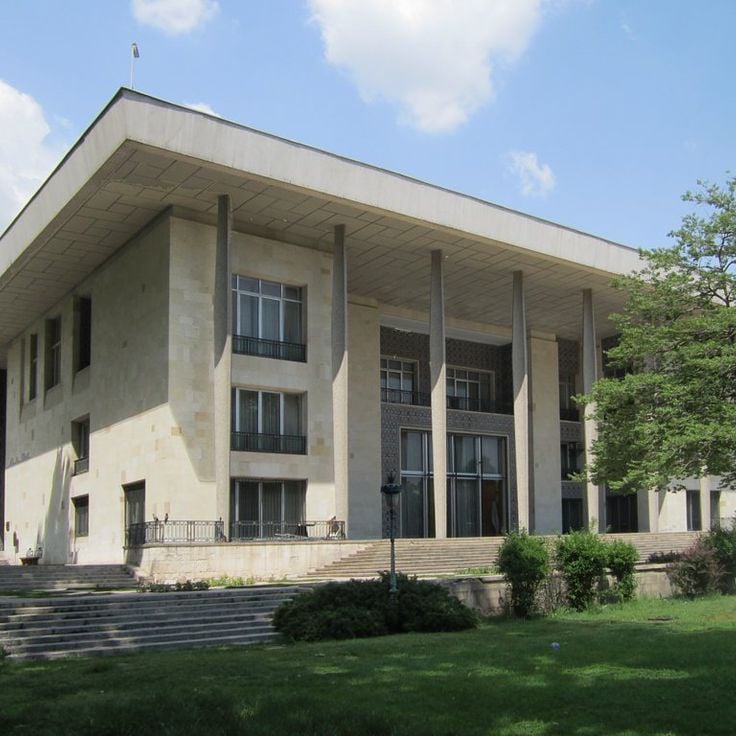
The Palace of Nations in Tehran was completed in 1874 and served as an official residence of the Qajar dynasty. Its marble columns and handcrafted mosaics show how Iranian rulers combined power with artistry. Walking through its rooms, you get a sense of how the Iranian state chose to present itself during the 19th century, and how that ambition shaped every detail of the building.
The Royal Palace of Stockholm sits in the heart of the old town and serves as the official home of the Swedish monarch. The building was completed in the 18th century and mixes grand ceremonial halls with working offices still in use today. Walking through it, you move between rooms built to receive foreign dignitaries and quieter spaces where the daily business of the monarchy takes place. The palace shows how the Swedish crown has represented and exercised its role across centuries.
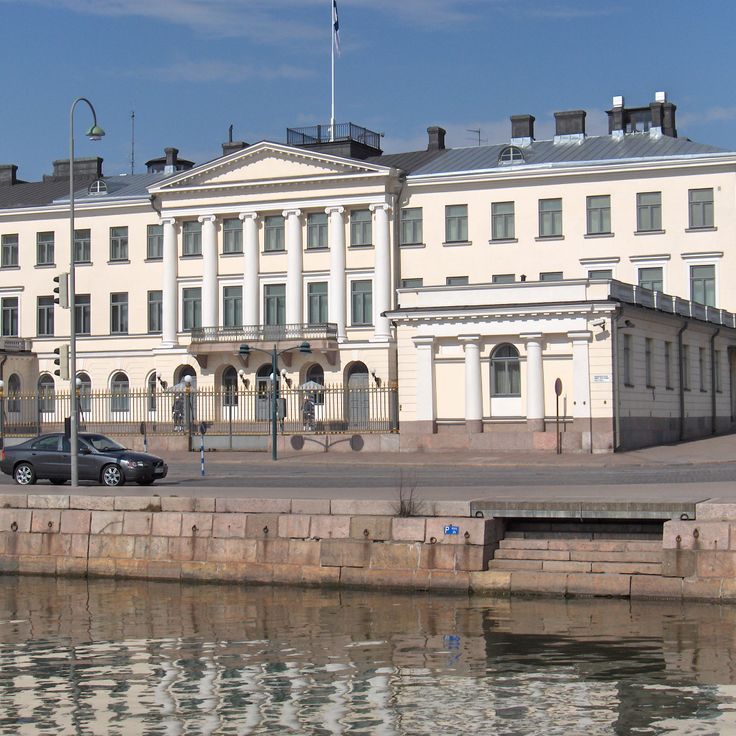
The Presidential Palace in Helsinki was built in 1820 and has served as the official home and workplace of Finland's president ever since. Sitting right on the South Harbour, its neoclassical facade faces the sea and the busy market square. Inside, the rooms carry traces of different periods in Finnish history, from the years under Russian rule to the present republic. Walking through this palace gives a clear sense of how state power has been received and displayed in Finland across two centuries.
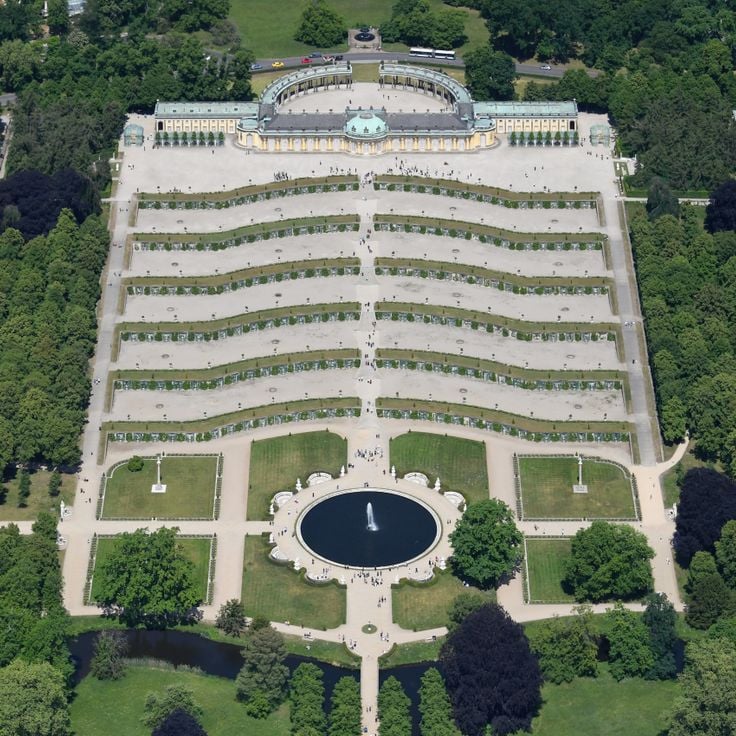
Sanssouci Palace in Potsdam was the favorite summer home of Frederick the Great and shows how Prussian power was put on display during the 18th century. The single-story building was constructed between 1745 and 1747 following designs by Georg Wenzeslaus von Knobelsdorff, combining Rococo forms with the demands of royal representation. Inside, there are twelve rooms, including the Marble Hall and the king's private chambers. Six vineyard terraces rise up in front of the building toward the main structure. The picture gallery from 1764 holds works by Caravaggio, Rubens, and van Dyck. The park contains further buildings such as the New Palace and the Orangery. The whole ensemble has been a UNESCO World Heritage Site since 1990.
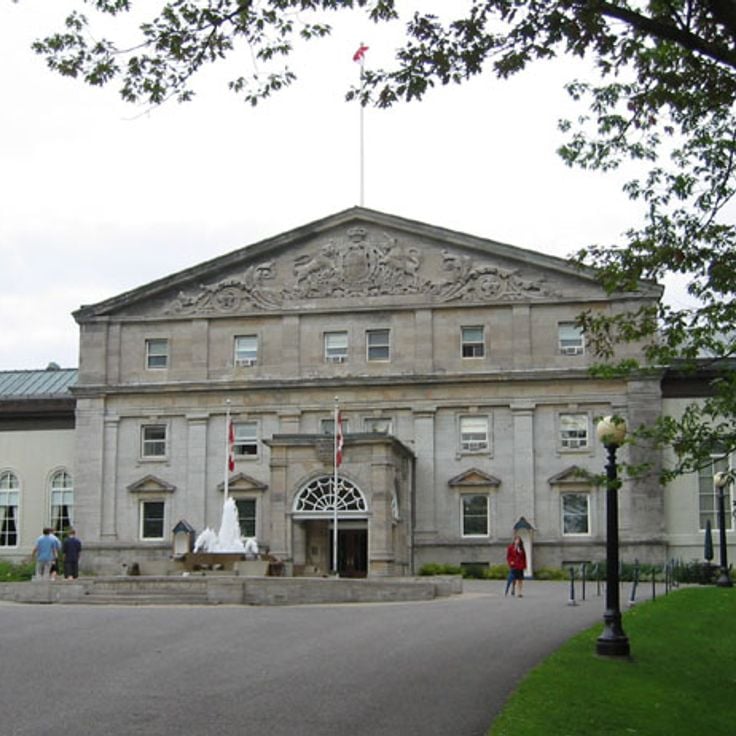
Rideau Hall has been the official home of Canada's Governor General since 1867. Walking through it, you can follow the story of Canada from its colonial past to its present form as a constitutional monarchy. The main building holds rooms that reflect different periods in Canadian history, while the gardens and wooded grounds host state ceremonies and public events throughout the year.
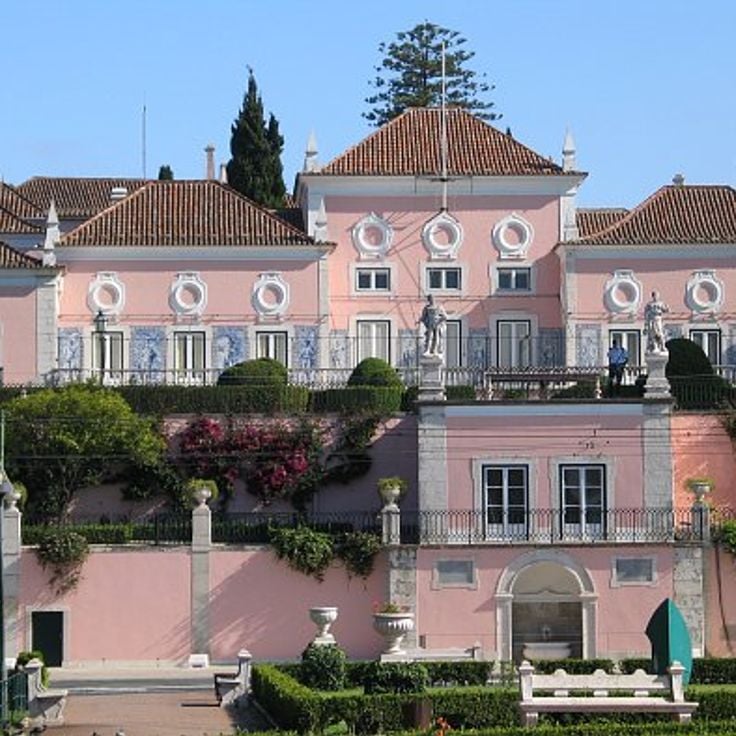
Belém Palace is the official home of the President of Portugal, set along the banks of the Tagus River in Lisbon. Built in the 18th century as a royal residence, it now houses state rooms and reception spaces that show how power has been displayed across different political eras. Walking through it, you sense the shift from a monarchy to a modern republic, told through rooms, gardens, and walls.
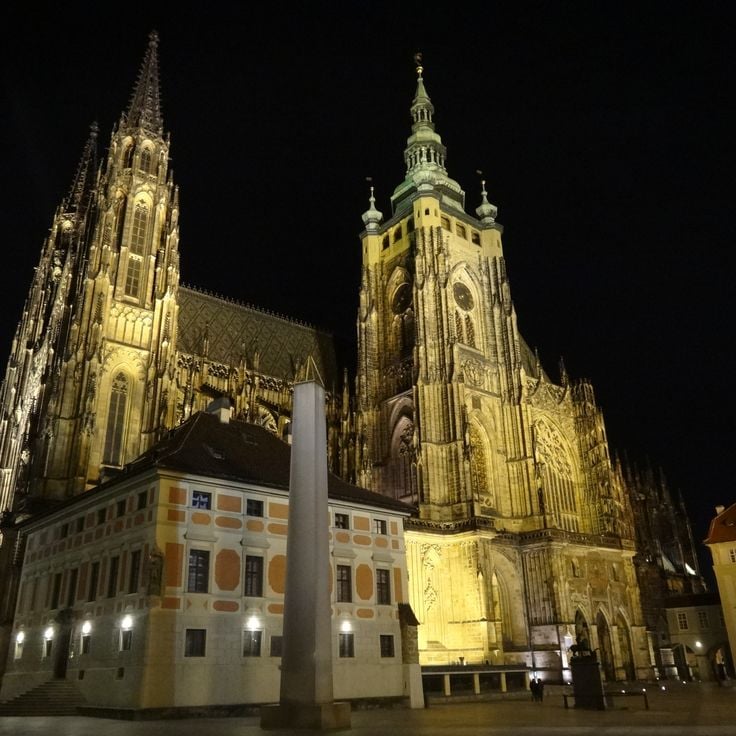
Prague Castle is the official residence of the Czech president and one of the oldest continuously occupied castle complexes in Europe. Sitting above the city since the 9th century, it brings together St. Vitus Cathedral, the Old Royal Palace, and the Basilica of St. George within a single sprawling compound. As you walk through it, you move between Romanesque foundations, Gothic vaults, and Baroque halls, each layer telling part of the story of Bohemian and Czech power. State ceremonies still take place here today.
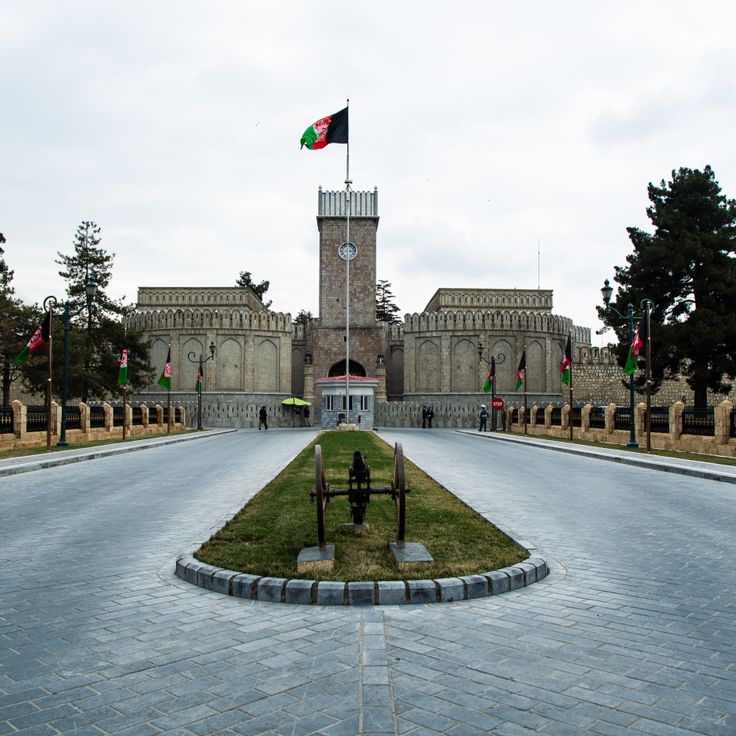
The Arg Presidential Palace sits at the heart of Kabul and serves as the official seat of the Afghan government. High walls and security installations surround a group of buildings that span different periods of Afghan history. Like other seats of power around the world, this palace combines daily governing work with formal ceremony, and reflects how Afghanistan has shaped and displayed its political authority since the early 20th century.
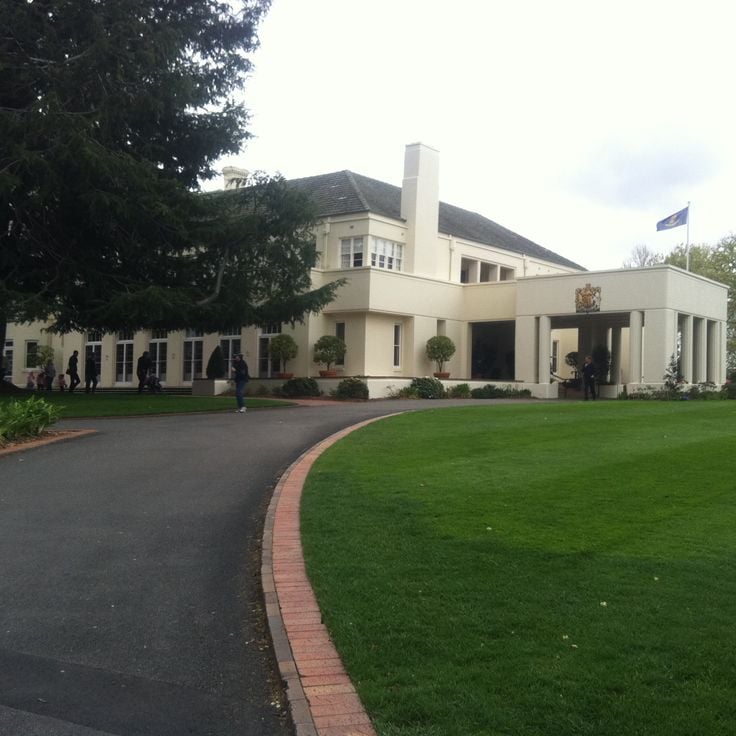
Government House in Canberra is the official residence of the Governor-General of Australia, the representative of the Crown. Built in the Victorian style, the house sits within formal gardens and holds a collection of Australian art. As a place of state ceremonies and daily government work, it reflects how Australia has chosen to present its relationship with the monarchy and its own political history.
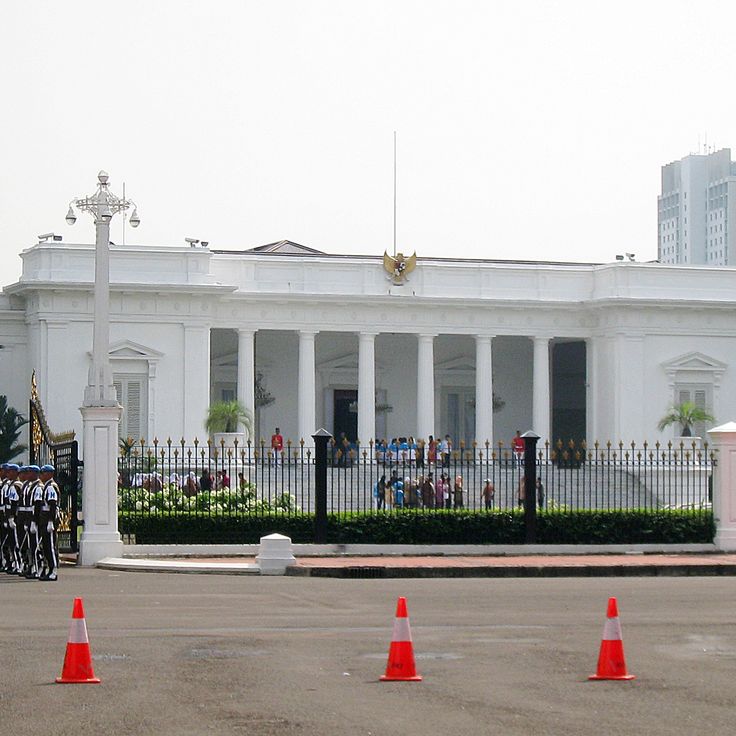
Merdeka Palace has been the official home of the Indonesian president since 1949. The white building was constructed during Dutch colonial rule and later became a symbol of the country's independence. Set within a large park in central Jakarta, it brings together colonial architecture and the day-to-day workings of modern state power. Walking through its grounds, you can sense how the place shifted from serving a colonial administration to becoming the seat of a newly sovereign nation.
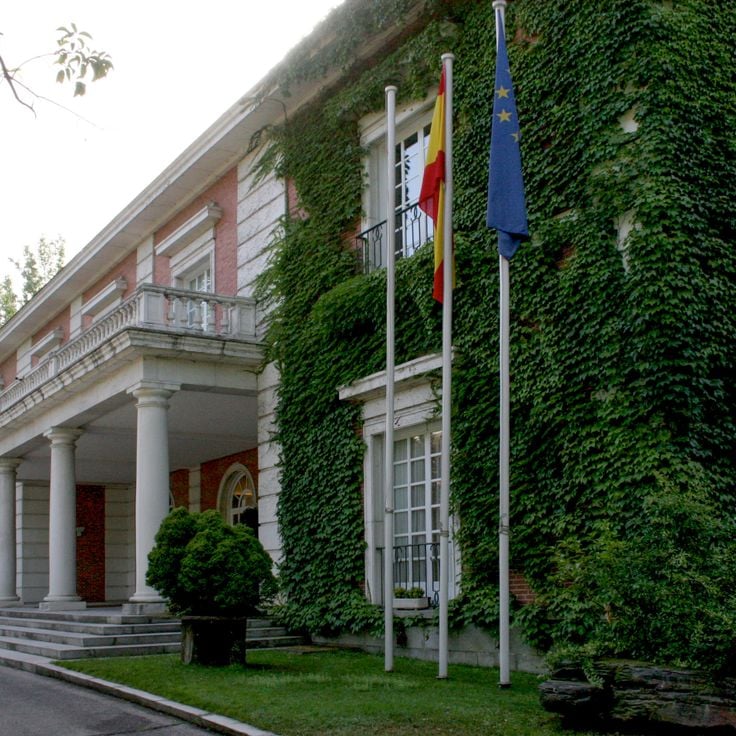
The Moncloa Palace in Madrid is the official home and workplace of the Spanish Prime Minister. The complex dates back to the 17th century and has been expanded over time. Today it holds offices, meeting rooms, and private living quarters. As an active center of government, the Moncloa Palace shows how Spain exercises and presents political power in daily life.
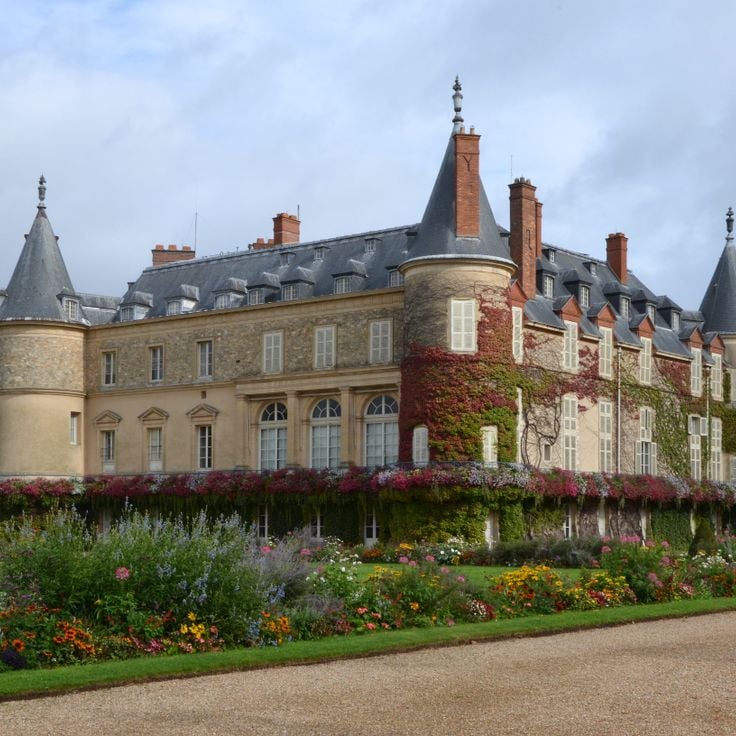
The Château de Rambouillet is one of the official country retreats of the French president, a role it has played for generations. Dating back to the 14th century, it sits within an old hunting forest southwest of Paris. Over the centuries, successive rulers reshaped the buildings to suit their own tastes, leaving behind a layered record of French architecture from medieval forms to 18th-century styles. Walking through the château, you move between grand reception rooms designed to welcome heads of state and quieter private spaces that show how French leaders lived away from the capital.
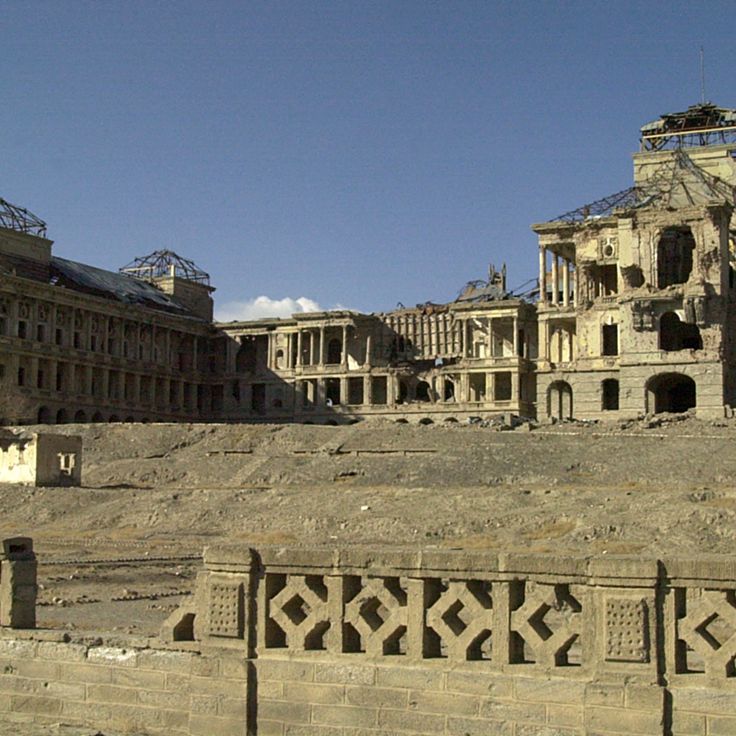
Darul Aman Palace was built in 1920 as a royal residence in a neoclassical style, reflecting Afghanistan's drive toward modernization in the early 20th century. The building combines European architectural forms with local materials. Decades of conflict left it heavily damaged, but restoration work began in 2019 to bring it back to life. Today, the palace stands as a physical record of a moment when Afghanistan was shaping its own vision of state architecture.
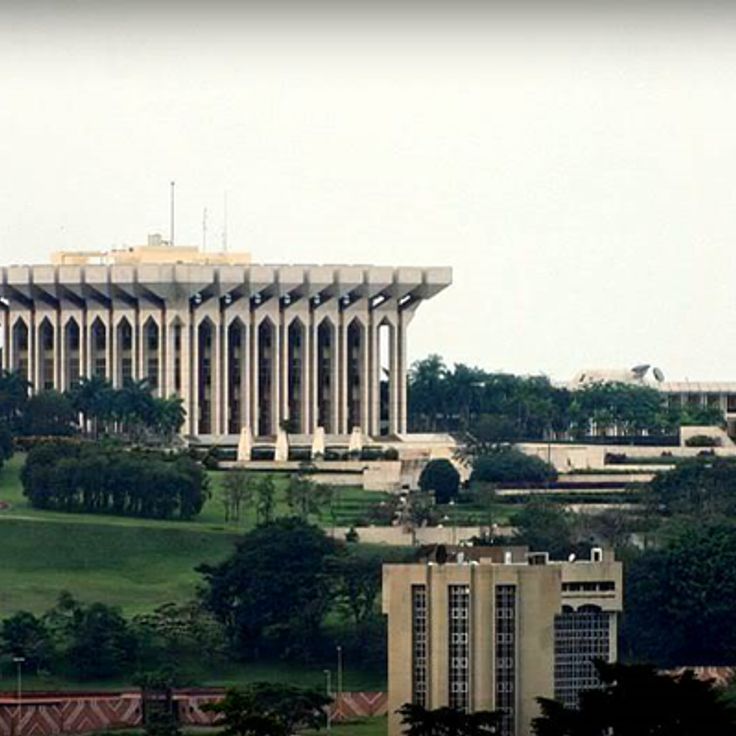
The Unity Palace in Yaoundé has been the official home of the Cameroonian president since 1960. The building dates from the 1950s and carries the marks of Cameroon's early years of independence. Walking past it, you sense the ambition of a new nation putting its institutions in place. The Unity Palace remains the center of executive power today, and visiting it brings you close to the political history of the country.
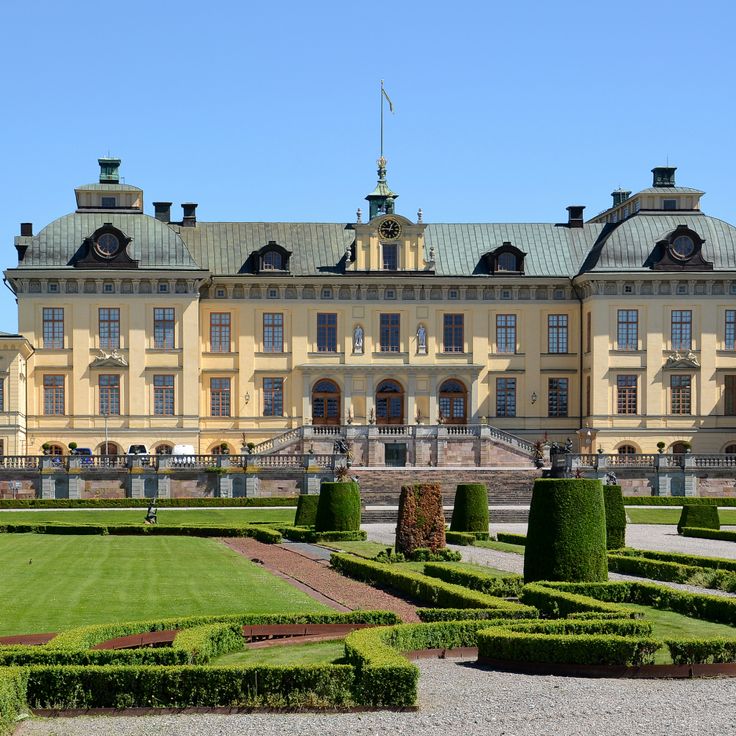
Drottningholm Palace sits on an island just outside Stockholm and has served as the official home of the Swedish royal family since the 17th century. The palace brings together baroque architecture and the practical demands of a working royal residence. Visitors walk through formal reception rooms and private living quarters, then step outside into a French garden, visit an 18th century theater still in use today, and explore a Chinese pavilion that reflects the European taste for Asian design at the time. This is not a frozen monument but an active home, and that gives every room a different kind of weight.
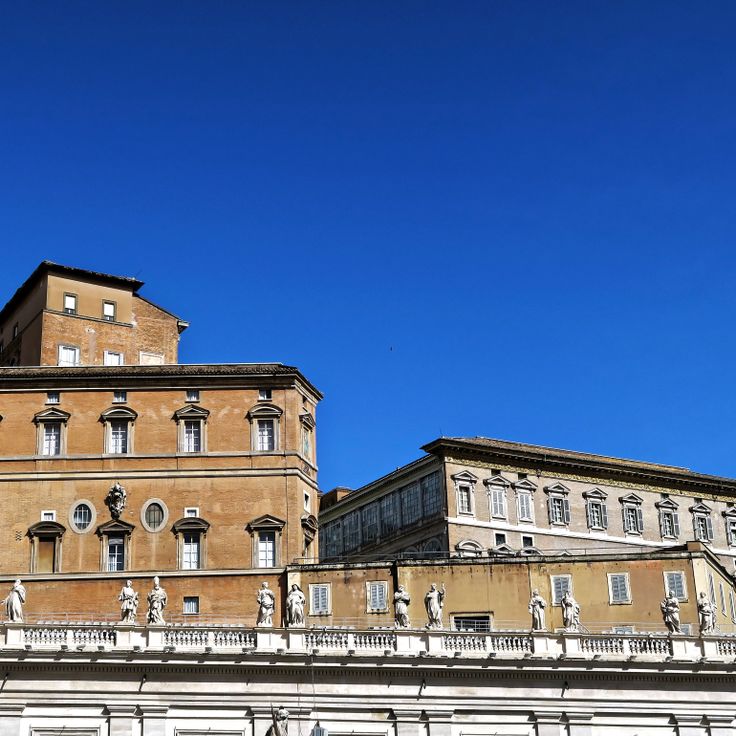
The Apostolic Palace in Vatican City is the official home of the Pope and the administrative center of the Catholic Church. The building has grown over many centuries, with new wings and rooms added across different periods from the Middle Ages to today. It combines religious ceremony with day-to-day governance, making it one of the few places in the world where spiritual authority and government meet under one roof. The palace houses the Sistine Chapel, decorated with frescoes by some of the most important artists of Italian art history. Walking through its rooms means moving through layers of history, where decoration and architecture reflect the ambitions and beliefs of the Church across time.
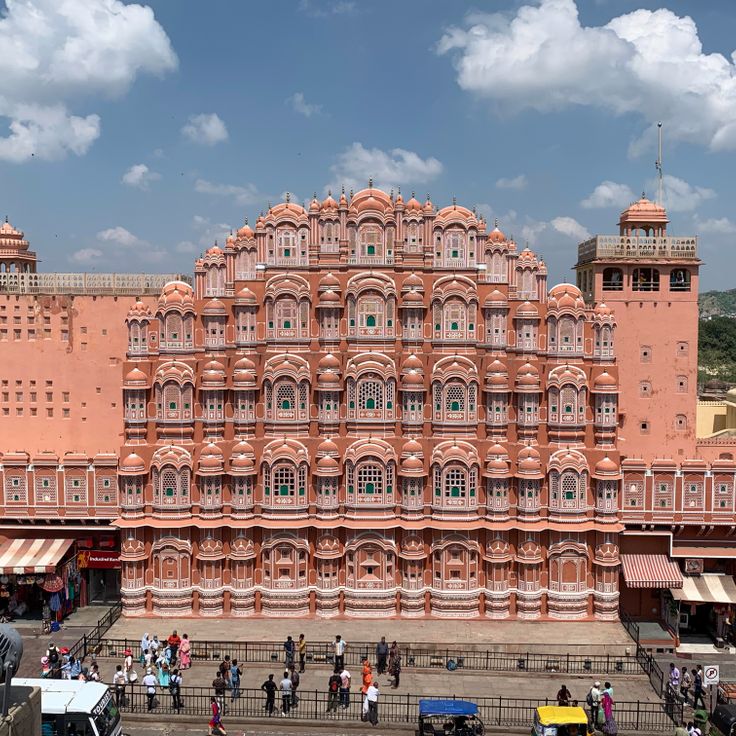
The Hawa Mahal is a five-story palace of red sandstone in Jaipur, built in 1799 as part of the royal residence. Its facade is covered with hundreds of small windows fitted with latticed screens, through which women of the royal household could watch street life below without being seen. The building brings together Rajput and Islamic architectural traditions, and shows how power and social rules in 18th-century India shaped the daily life of a royal court.
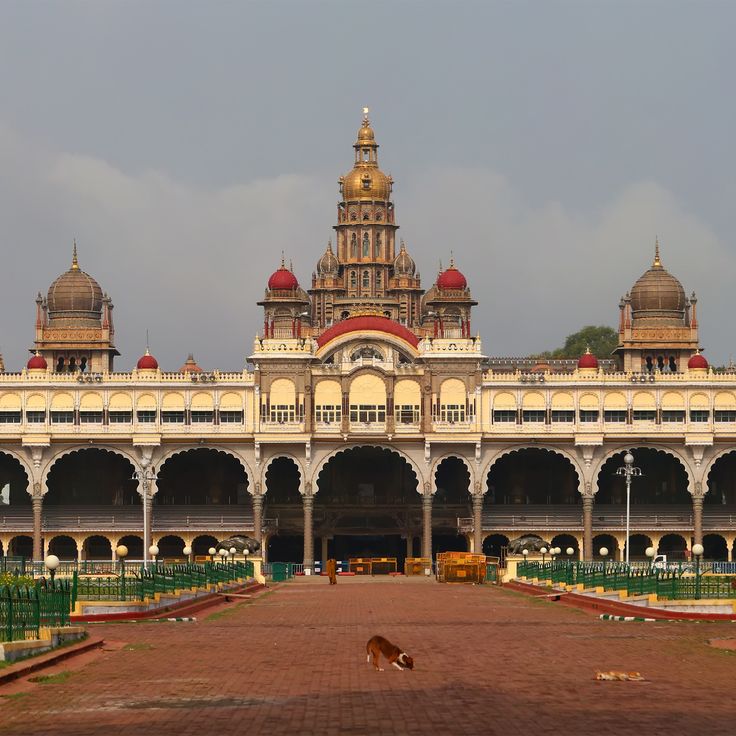
Mysore Palace is the official seat of the Wadiyar royal family and was completed in 1912. The building combines Hindu and Islamic elements in a style known as Indo-Saracenic. Its halls, courtyards, and gardens tell the story of the Kingdom of Mysore and show how power was displayed in South India over the centuries. The rooms are filled with royal objects, paintings, and decorated ceilings that give a sense of court life and ceremony.
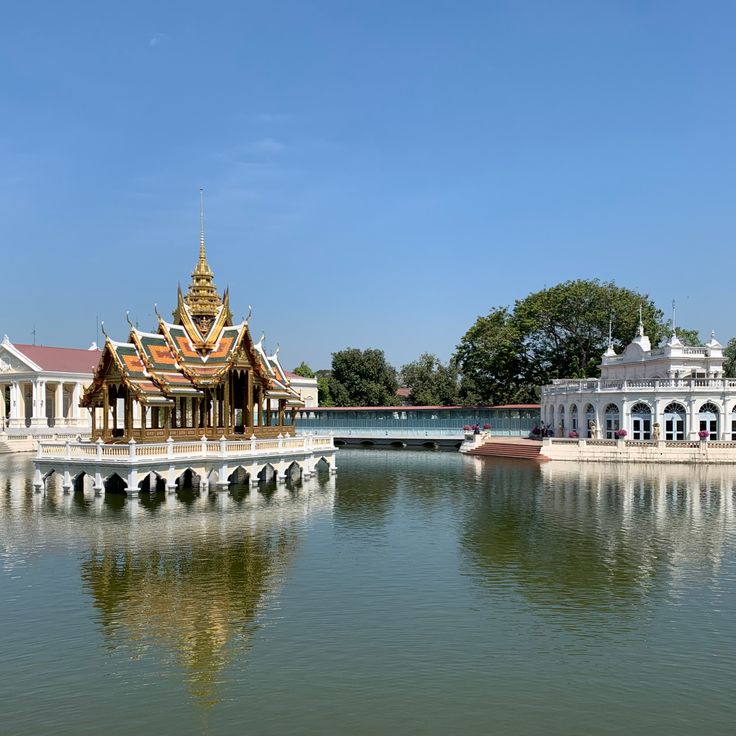
Bang Pa-In Royal Palace has been a summer retreat for Thai monarchs since the 17th century. Its grounds along the Chao Phraya River hold buildings in Thai, Chinese, and European styles side by side, showing how Thailand engaged with the wider world over three centuries. Pavilions and halls sit among waterways and gardens. This palace is one of the clearest examples of how the Chakri Dynasty chose to express royal power through architecture.
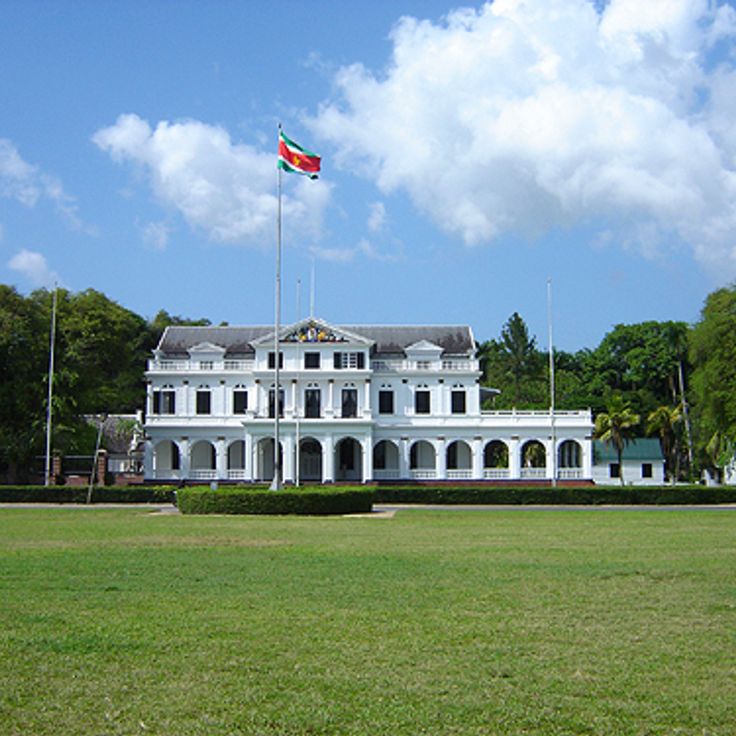
The Presidential Palace of Suriname is a wooden colonial building from the 18th century, sitting at the heart of historic central Paramaribo. Built during Dutch colonial rule, it now serves as the official residence and workplace of the President. The building shows typical features of Surinamese colonial architecture, including covered verandas and characteristic window openings. It stands within the UNESCO World Heritage area of the inner city and reflects the country's administrative history since independence in 1975.
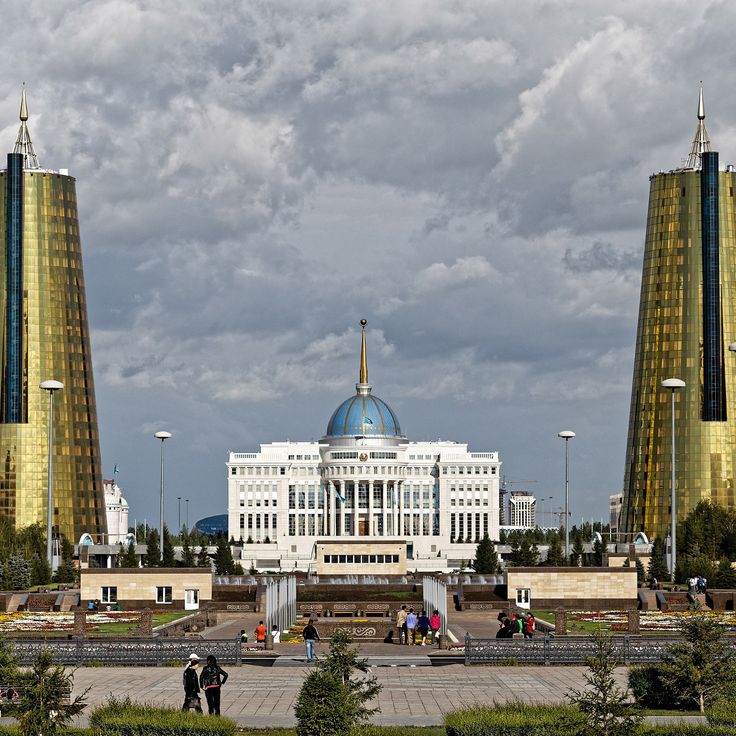
Ak Orda Presidential Palace is the official seat of the Kazakh president, completed in 2004. Its marble facade and blue glass dome give the building a strong visual presence on the Nur-Sultan skyline. The architecture mixes modern construction with formal, representative details, reflecting Kazakhstan's desire to project confidence after independence. Inside, offices, reception halls, and conference rooms are used daily for the work of government.
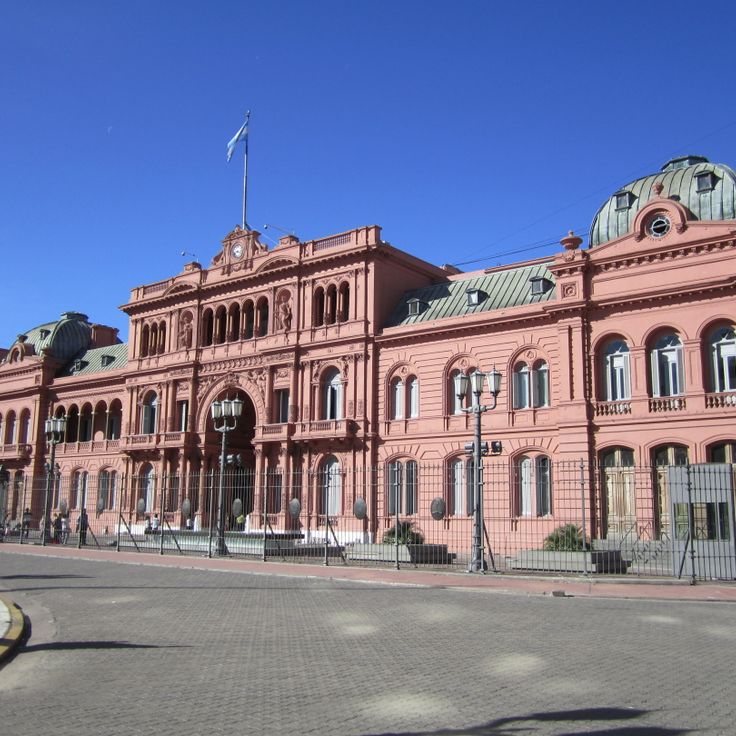
Casa Rosada sits on Plaza de Mayo in Buenos Aires and serves as the official seat of Argentina's president. Its light pink facade, said to come from a mix of white paint and ox blood, makes the building easy to recognize. The structure brings together Italian and French architectural styles from the late 19th century. Inside, the rooms and halls reflect key moments in Argentine history, and a museum displays presidential objects and historical documents from different periods of government.
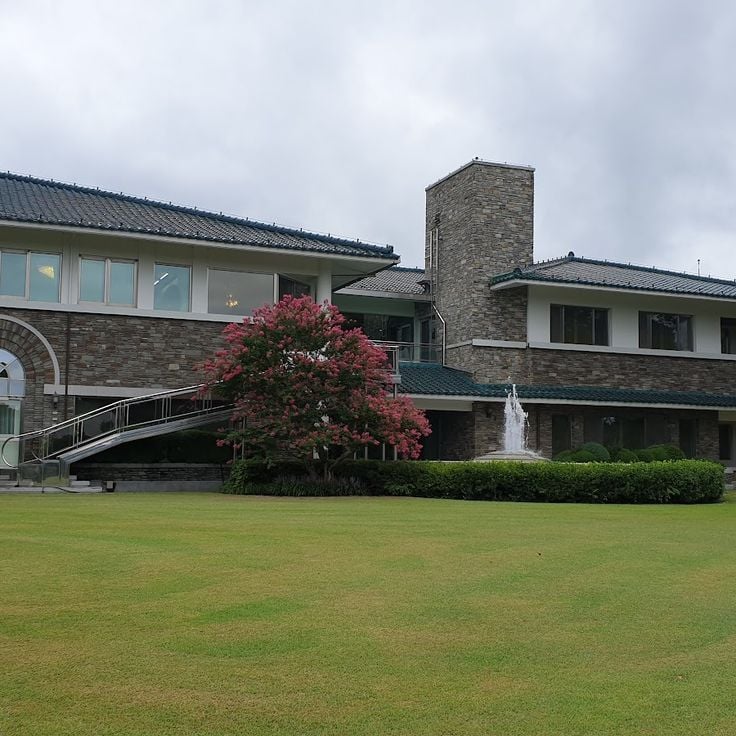
Cheongnamdae served as the private retreat of South Korea's presidents. This compound shows how political leadership shaped its spaces and grounds over the decades. The buildings and gardens reflect the tastes and daily habits of the different presidents who lived and worked here, making it a rare place to understand modern Korean political history up close.
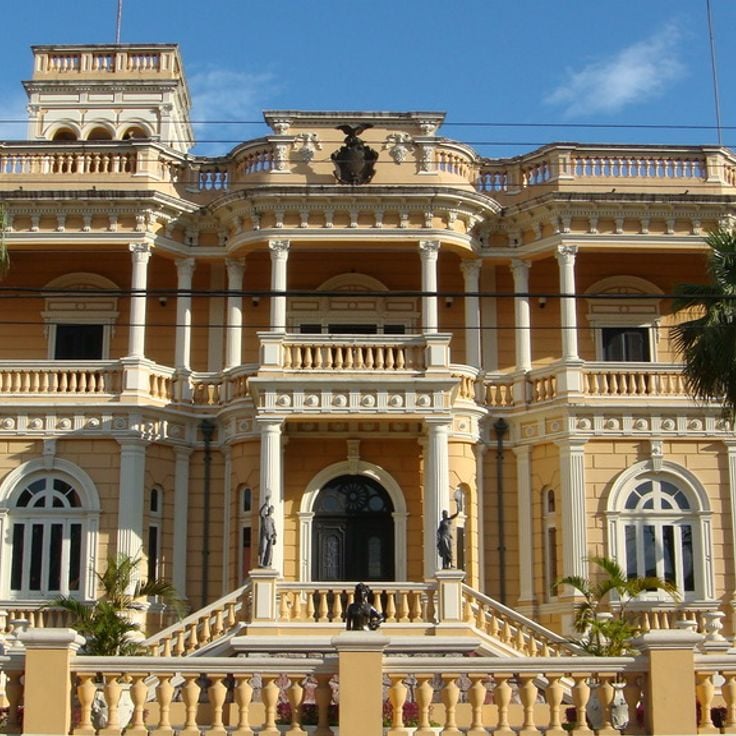
Palácio Rio Negro in Petrópolis served for decades as the summer residence of Brazilian presidents. The building shows how state power was lived and displayed during the 19th and 20th centuries. Today the palace is open as a museum, with furniture, documents, and personal objects from different presidential periods. Walking through its rooms gives a clear sense of how the country's leaders arranged their daily lives and official duties.
Buckingham Palace is the official London home of the British monarch. The building brings together living quarters, offices, and State Rooms under one roof. The State Rooms are used for official receptions and open to visitors during the summer months. Behind the palace lies a large garden where the monarch hosts the annual garden parties. Walking through these rooms gives a sense of how British power has been put on display for centuries.
The White House has been the home and workplace of every US president since 1800. Its neoclassical facade gives it a formal, composed appearance that reflects how American power has chosen to present itself to the world. Inside, the official rooms are furnished with pieces from different periods of American history, while working offices sit alongside private family spaces. Walking through it, you get a sense of how daily governance and ceremonial life have long shared the same building.
The Élysée Palace has been the official home of the French president since 1848. The 18th-century building contains large salons used for state receptions and daily government work. Walking through the rooms, you pass through different periods of French history, with furnishings that range from the Revolutionary era to the present day. Unlike a museum, the Élysée is still a working seat of power, where decisions that shape France continue to be made.
The Kremlin is the official residence of the Russian president and the political heart of Russia. This fortified complex holds five palaces, four cathedrals, and a wall that runs around the entire site. The buildings come from different centuries and show how Russian state architecture evolved from the time of the tsars to the present day. Walking through the Kremlin, you move between halls built for state ceremonies and cathedrals that carry the religious history of the country.
The Royal Palace of Madrid is the official seat of the Spanish monarchy, used today mainly for state receptions and ceremonies. Built in the 18th century, it contains a long succession of rooms that trace how power was exercised and displayed in Spain across different political periods. Walking through it, you can see how each era left its mark on the decoration and layout of the building.
The Presidential Complex in Ankara serves as the official seat of the Turkish president. The building brings together administrative offices and ceremonial halls, showing how today's Turkish government expresses state authority through architecture. The rooms and outdoor spaces reflect the style that the current leadership has chosen for itself. Visiting the complex gives a sense of how Turkey presents itself as a modern state to the world.
The Forbidden City sits at the heart of Beijing and served as home to the emperors of the Ming and Qing dynasties for five centuries. The complex holds nearly 1,000 buildings arranged around open courtyards. Ceremonial halls, administrative rooms, and private quarters follow a strict symmetry that reflects the order of imperial rule. Walking through the red gates, you begin to understand how architecture and power were tied together in China across generations.
Schönbrunn Palace served as the summer home of the Habsburg rulers and stands as one of the clearest examples of how royal power was put on display in Europe. Built in the 17th century, the palace contains over 1,400 rooms that ranged from grand reception halls used for state ceremonies to private apartments where the imperial family lived. The park surrounding the palace, with its straight paths, fountains, and the hilltop Gloriette, shows how the Habsburgs shaped even the landscape to reflect their authority.
The Blue House in Seoul is the official home and workplace of the South Korean president. Its name comes from the blue glazed roof tiles, which echo traditional Korean architecture. The complex sits at the foot of Mount Bugaksan and brings together offices, reception halls for state visits, and meeting rooms for government sessions. Like the other residences in this collection, the Blue House shows how a nation chooses to express power and tradition through its buildings. Since the republic was founded in 1948, this place has stood at the center of South Korean leadership.
Rashtrapati Bhavan sits at the heart of New Delhi and was originally built as the seat of the British viceroy before becoming the residence of the Indian head of state after independence. Completed in 1929, the building brings together European columns and domes with motifs drawn from Indian architecture. Walking through its rooms, you feel the shift from colonial rule to republic. Today, state receptions and official ceremonies take place here, presenting modern India to visiting dignitaries.
The Imperial Palace of Tokyo is the official home of the Japanese imperial family, set in the heart of the city. The grounds bring together traditional Japanese architecture, ceremonial halls, historic gardens, and a document archive. The buildings trace the history of the imperial institution from the 15th century to today, showing how Japanese architectural styles evolved over the centuries and how power has been expressed through design.
The Quirinal Palace stands on the highest of Rome's seven hills and has served popes, kings, and now the Italian head of state over the centuries. Since 1870, it has been the official residence of the president of the Republic. Its halls bring together elements from the Renaissance and Baroque periods and are still used today for state receptions and diplomatic ceremonies.
The Palace of Westminster is the seat of the British Parliament, housing both the House of Commons and the House of Lords. Built in the Gothic Revival style after a fire in 1834, the building rises along the bank of the Thames. Its clock tower, home to the bell known as Big Ben, is one of the most recognized sights in London. Walking through its halls gives a sense of how British democracy has taken shape over centuries.
Alvorada Palace has been the home of Brazil's president since 1956, when the new capital was still taking shape. Oscar Niemeyer designed the building in a modernist style that matched the ambitions of a country building itself a brand new city from scratch. The curved columns along the facade are one of his most recognizable touches. Inside, formal reception rooms sit alongside the private living quarters. The grounds include a swimming pool. Walking through this palace gives a sense of how Brazil chose to present itself to the world at a turning point in its history.
The Royal Palace of Amsterdam stands at the center of Dam Square and was originally built as the city's town hall in the 17th century, during a period when Amsterdam was one of the wealthiest cities in the world. Today it serves the Dutch royal family for official ceremonies and state visits. Inside, the rooms were designed to show power and authority, and many still hold furniture from the Napoleonic period, a reminder of the years of French rule. Walking through the palace gives a sense of how the Netherlands shaped its identity across very different political moments.
The Presidential Palace of Nanjing served as the working center of Chinese government through decades of political change. The complex took its current form in 1929 and brings together traditional Chinese gardens with administrative buildings. It housed the offices and private rooms of Sun Yat-sen, the first president of the Republic of China, as well as later administrations. Walking through its reception halls and residential quarters gives a concrete sense of how power was exercised and displayed during the Republican era.
Hofburg Palace sits at the heart of Vienna and served as the center of Habsburg rule for centuries. Today it houses the Austrian National Library and several museums. Walking through its rooms, you move between living quarters and ceremonial halls that span Gothic, Renaissance, and Baroque periods. Each wing reflects a different moment in the history of one of Europe's most powerful dynasties, giving a clear sense of how Austrian imperial power was built up and put on display over time.
Istana Nurul Iman is the official home of the Sultan of Brunei and also serves as the seat of government. A golden dome rises above the main building and can be seen from a distance. The architecture brings together Islamic design and traditional Malay building forms, reflecting the cultural identity of the sultanate. Inside, state rooms, audience halls, and government offices carry out the daily work of power. The palace opens to the public once a year, during the Hari Raya celebrations at the end of Ramadan.
The Grand Kremlin Palace is the ceremonial residence of the Russian president inside the Kremlin. Built in the 19th century, it holds five grand reception halls, each dedicated to a different Russian order. The architecture brings together Byzantine and Russian design with symbols of state authority. Walking through its rooms gives a real sense of how Russian power has been displayed, from the tsarist era to the current presidency.
The Palace of Nations in Tehran was completed in 1874 and served as an official residence of the Qajar dynasty. Its marble columns and handcrafted mosaics show how Iranian rulers combined power with artistry. Walking through its rooms, you get a sense of how the Iranian state chose to present itself during the 19th century, and how that ambition shaped every detail of the building.
The Royal Palace of Stockholm sits in the heart of the old town and serves as the official home of the Swedish monarch. The building was completed in the 18th century and mixes grand ceremonial halls with working offices still in use today. Walking through it, you move between rooms built to receive foreign dignitaries and quieter spaces where the daily business of the monarchy takes place. The palace shows how the Swedish crown has represented and exercised its role across centuries.
The Presidential Palace in Helsinki was built in 1820 and has served as the official home and workplace of Finland's president ever since. Sitting right on the South Harbour, its neoclassical facade faces the sea and the busy market square. Inside, the rooms carry traces of different periods in Finnish history, from the years under Russian rule to the present republic. Walking through this palace gives a clear sense of how state power has been received and displayed in Finland across two centuries.
Sanssouci Palace in Potsdam was the favorite summer home of Frederick the Great and shows how Prussian power was put on display during the 18th century. The single-story building was constructed between 1745 and 1747 following designs by Georg Wenzeslaus von Knobelsdorff, combining Rococo forms with the demands of royal representation. Inside, there are twelve rooms, including the Marble Hall and the king's private chambers. Six vineyard terraces rise up in front of the building toward the main structure. The picture gallery from 1764 holds works by Caravaggio, Rubens, and van Dyck. The park contains further buildings such as the New Palace and the Orangery. The whole ensemble has been a UNESCO World Heritage Site since 1990.
Rideau Hall has been the official home of Canada's Governor General since 1867. Walking through it, you can follow the story of Canada from its colonial past to its present form as a constitutional monarchy. The main building holds rooms that reflect different periods in Canadian history, while the gardens and wooded grounds host state ceremonies and public events throughout the year.
Belém Palace is the official home of the President of Portugal, set along the banks of the Tagus River in Lisbon. Built in the 18th century as a royal residence, it now houses state rooms and reception spaces that show how power has been displayed across different political eras. Walking through it, you sense the shift from a monarchy to a modern republic, told through rooms, gardens, and walls.
Prague Castle is the official residence of the Czech president and one of the oldest continuously occupied castle complexes in Europe. Sitting above the city since the 9th century, it brings together St. Vitus Cathedral, the Old Royal Palace, and the Basilica of St. George within a single sprawling compound. As you walk through it, you move between Romanesque foundations, Gothic vaults, and Baroque halls, each layer telling part of the story of Bohemian and Czech power. State ceremonies still take place here today.
The Arg Presidential Palace sits at the heart of Kabul and serves as the official seat of the Afghan government. High walls and security installations surround a group of buildings that span different periods of Afghan history. Like other seats of power around the world, this palace combines daily governing work with formal ceremony, and reflects how Afghanistan has shaped and displayed its political authority since the early 20th century.
Government House in Canberra is the official residence of the Governor-General of Australia, the representative of the Crown. Built in the Victorian style, the house sits within formal gardens and holds a collection of Australian art. As a place of state ceremonies and daily government work, it reflects how Australia has chosen to present its relationship with the monarchy and its own political history.
Merdeka Palace has been the official home of the Indonesian president since 1949. The white building was constructed during Dutch colonial rule and later became a symbol of the country's independence. Set within a large park in central Jakarta, it brings together colonial architecture and the day-to-day workings of modern state power. Walking through its grounds, you can sense how the place shifted from serving a colonial administration to becoming the seat of a newly sovereign nation.
The Moncloa Palace in Madrid is the official home and workplace of the Spanish Prime Minister. The complex dates back to the 17th century and has been expanded over time. Today it holds offices, meeting rooms, and private living quarters. As an active center of government, the Moncloa Palace shows how Spain exercises and presents political power in daily life.
The Château de Rambouillet is one of the official country retreats of the French president, a role it has played for generations. Dating back to the 14th century, it sits within an old hunting forest southwest of Paris. Over the centuries, successive rulers reshaped the buildings to suit their own tastes, leaving behind a layered record of French architecture from medieval forms to 18th-century styles. Walking through the château, you move between grand reception rooms designed to welcome heads of state and quieter private spaces that show how French leaders lived away from the capital.
Darul Aman Palace was built in 1920 as a royal residence in a neoclassical style, reflecting Afghanistan's drive toward modernization in the early 20th century. The building combines European architectural forms with local materials. Decades of conflict left it heavily damaged, but restoration work began in 2019 to bring it back to life. Today, the palace stands as a physical record of a moment when Afghanistan was shaping its own vision of state architecture.
The Unity Palace in Yaoundé has been the official home of the Cameroonian president since 1960. The building dates from the 1950s and carries the marks of Cameroon's early years of independence. Walking past it, you sense the ambition of a new nation putting its institutions in place. The Unity Palace remains the center of executive power today, and visiting it brings you close to the political history of the country.
Drottningholm Palace sits on an island just outside Stockholm and has served as the official home of the Swedish royal family since the 17th century. The palace brings together baroque architecture and the practical demands of a working royal residence. Visitors walk through formal reception rooms and private living quarters, then step outside into a French garden, visit an 18th century theater still in use today, and explore a Chinese pavilion that reflects the European taste for Asian design at the time. This is not a frozen monument but an active home, and that gives every room a different kind of weight.
The Apostolic Palace in Vatican City is the official home of the Pope and the administrative center of the Catholic Church. The building has grown over many centuries, with new wings and rooms added across different periods from the Middle Ages to today. It combines religious ceremony with day-to-day governance, making it one of the few places in the world where spiritual authority and government meet under one roof. The palace houses the Sistine Chapel, decorated with frescoes by some of the most important artists of Italian art history. Walking through its rooms means moving through layers of history, where decoration and architecture reflect the ambitions and beliefs of the Church across time.
The Hawa Mahal is a five-story palace of red sandstone in Jaipur, built in 1799 as part of the royal residence. Its facade is covered with hundreds of small windows fitted with latticed screens, through which women of the royal household could watch street life below without being seen. The building brings together Rajput and Islamic architectural traditions, and shows how power and social rules in 18th-century India shaped the daily life of a royal court.
Mysore Palace is the official seat of the Wadiyar royal family and was completed in 1912. The building combines Hindu and Islamic elements in a style known as Indo-Saracenic. Its halls, courtyards, and gardens tell the story of the Kingdom of Mysore and show how power was displayed in South India over the centuries. The rooms are filled with royal objects, paintings, and decorated ceilings that give a sense of court life and ceremony.
Bang Pa-In Royal Palace has been a summer retreat for Thai monarchs since the 17th century. Its grounds along the Chao Phraya River hold buildings in Thai, Chinese, and European styles side by side, showing how Thailand engaged with the wider world over three centuries. Pavilions and halls sit among waterways and gardens. This palace is one of the clearest examples of how the Chakri Dynasty chose to express royal power through architecture.
The Presidential Palace of Suriname is a wooden colonial building from the 18th century, sitting at the heart of historic central Paramaribo. Built during Dutch colonial rule, it now serves as the official residence and workplace of the President. The building shows typical features of Surinamese colonial architecture, including covered verandas and characteristic window openings. It stands within the UNESCO World Heritage area of the inner city and reflects the country's administrative history since independence in 1975.
Ak Orda Presidential Palace is the official seat of the Kazakh president, completed in 2004. Its marble facade and blue glass dome give the building a strong visual presence on the Nur-Sultan skyline. The architecture mixes modern construction with formal, representative details, reflecting Kazakhstan's desire to project confidence after independence. Inside, offices, reception halls, and conference rooms are used daily for the work of government.
Casa Rosada sits on Plaza de Mayo in Buenos Aires and serves as the official seat of Argentina's president. Its light pink facade, said to come from a mix of white paint and ox blood, makes the building easy to recognize. The structure brings together Italian and French architectural styles from the late 19th century. Inside, the rooms and halls reflect key moments in Argentine history, and a museum displays presidential objects and historical documents from different periods of government.
Cheongnamdae served as the private retreat of South Korea's presidents. This compound shows how political leadership shaped its spaces and grounds over the decades. The buildings and gardens reflect the tastes and daily habits of the different presidents who lived and worked here, making it a rare place to understand modern Korean political history up close.
Palácio Rio Negro in Petrópolis served for decades as the summer residence of Brazilian presidents. The building shows how state power was lived and displayed during the 19th and 20th centuries. Today the palace is open as a museum, with furniture, documents, and personal objects from different presidential periods. Walking through its rooms gives a clear sense of how the country's leaders arranged their daily lives and official duties.
Buckingham Palace is the official London home of the British monarch. The building brings together living quarters, offices, and State Rooms under one roof. The State Rooms are used for official receptions and open to visitors during the summer months. Behind the palace lies a large garden where the monarch hosts the annual garden parties. Walking through these rooms gives a sense of how British power has been put on display for centuries.
The White House has been the home and workplace of every US president since 1800. Its neoclassical facade gives it a formal, composed appearance that reflects how American power has chosen to present itself to the world. Inside, the official rooms are furnished with pieces from different periods of American history, while working offices sit alongside private family spaces. Walking through it, you get a sense of how daily governance and ceremonial life have long shared the same building.
The Élysée Palace has been the official home of the French president since 1848. The 18th-century building contains large salons used for state receptions and daily government work. Walking through the rooms, you pass through different periods of French history, with furnishings that range from the Revolutionary era to the present day. Unlike a museum, the Élysée is still a working seat of power, where decisions that shape France continue to be made.
The Kremlin is the official residence of the Russian president and the political heart of Russia. This fortified complex holds five palaces, four cathedrals, and a wall that runs around the entire site. The buildings come from different centuries and show how Russian state architecture evolved from the time of the tsars to the present day. Walking through the Kremlin, you move between halls built for state ceremonies and cathedrals that carry the religious history of the country.
The Royal Palace of Madrid is the official seat of the Spanish monarchy, used today mainly for state receptions and ceremonies. Built in the 18th century, it contains a long succession of rooms that trace how power was exercised and displayed in Spain across different political periods. Walking through it, you can see how each era left its mark on the decoration and layout of the building.
The Presidential Complex in Ankara serves as the official seat of the Turkish president. The building brings together administrative offices and ceremonial halls, showing how today's Turkish government expresses state authority through architecture. The rooms and outdoor spaces reflect the style that the current leadership has chosen for itself. Visiting the complex gives a sense of how Turkey presents itself as a modern state to the world.
The Forbidden City sits at the heart of Beijing and served as home to the emperors of the Ming and Qing dynasties for five centuries. The complex holds nearly 1,000 buildings arranged around open courtyards. Ceremonial halls, administrative rooms, and private quarters follow a strict symmetry that reflects the order of imperial rule. Walking through the red gates, you begin to understand how architecture and power were tied together in China across generations.
Schönbrunn Palace served as the summer home of the Habsburg rulers and stands as one of the clearest examples of how royal power was put on display in Europe. Built in the 17th century, the palace contains over 1,400 rooms that ranged from grand reception halls used for state ceremonies to private apartments where the imperial family lived. The park surrounding the palace, with its straight paths, fountains, and the hilltop Gloriette, shows how the Habsburgs shaped even the landscape to reflect their authority.
The Blue House in Seoul is the official home and workplace of the South Korean president. Its name comes from the blue glazed roof tiles, which echo traditional Korean architecture. The complex sits at the foot of Mount Bugaksan and brings together offices, reception halls for state visits, and meeting rooms for government sessions. Like the other residences in this collection, the Blue House shows how a nation chooses to express power and tradition through its buildings. Since the republic was founded in 1948, this place has stood at the center of South Korean leadership.
Rashtrapati Bhavan sits at the heart of New Delhi and was originally built as the seat of the British viceroy before becoming the residence of the Indian head of state after independence. Completed in 1929, the building brings together European columns and domes with motifs drawn from Indian architecture. Walking through its rooms, you feel the shift from colonial rule to republic. Today, state receptions and official ceremonies take place here, presenting modern India to visiting dignitaries.
The Imperial Palace of Tokyo is the official home of the Japanese imperial family, set in the heart of the city. The grounds bring together traditional Japanese architecture, ceremonial halls, historic gardens, and a document archive. The buildings trace the history of the imperial institution from the 15th century to today, showing how Japanese architectural styles evolved over the centuries and how power has been expressed through design.
The Quirinal Palace stands on the highest of Rome's seven hills and has served popes, kings, and now the Italian head of state over the centuries. Since 1870, it has been the official residence of the president of the Republic. Its halls bring together elements from the Renaissance and Baroque periods and are still used today for state receptions and diplomatic ceremonies.
The Palace of Westminster is the seat of the British Parliament, housing both the House of Commons and the House of Lords. Built in the Gothic Revival style after a fire in 1834, the building rises along the bank of the Thames. Its clock tower, home to the bell known as Big Ben, is one of the most recognized sights in London. Walking through its halls gives a sense of how British democracy has taken shape over centuries.
Alvorada Palace has been the home of Brazil's president since 1956, when the new capital was still taking shape. Oscar Niemeyer designed the building in a modernist style that matched the ambitions of a country building itself a brand new city from scratch. The curved columns along the facade are one of his most recognizable touches. Inside, formal reception rooms sit alongside the private living quarters. The grounds include a swimming pool. Walking through this palace gives a sense of how Brazil chose to present itself to the world at a turning point in its history.
The Royal Palace of Amsterdam stands at the center of Dam Square and was originally built as the city's town hall in the 17th century, during a period when Amsterdam was one of the wealthiest cities in the world. Today it serves the Dutch royal family for official ceremonies and state visits. Inside, the rooms were designed to show power and authority, and many still hold furniture from the Napoleonic period, a reminder of the years of French rule. Walking through the palace gives a sense of how the Netherlands shaped its identity across very different political moments.
The Presidential Palace of Nanjing served as the working center of Chinese government through decades of political change. The complex took its current form in 1929 and brings together traditional Chinese gardens with administrative buildings. It housed the offices and private rooms of Sun Yat-sen, the first president of the Republic of China, as well as later administrations. Walking through its reception halls and residential quarters gives a concrete sense of how power was exercised and displayed during the Republican era.
Hofburg Palace sits at the heart of Vienna and served as the center of Habsburg rule for centuries. Today it houses the Austrian National Library and several museums. Walking through its rooms, you move between living quarters and ceremonial halls that span Gothic, Renaissance, and Baroque periods. Each wing reflects a different moment in the history of one of Europe's most powerful dynasties, giving a clear sense of how Austrian imperial power was built up and put on display over time.
Istana Nurul Iman is the official home of the Sultan of Brunei and also serves as the seat of government. A golden dome rises above the main building and can be seen from a distance. The architecture brings together Islamic design and traditional Malay building forms, reflecting the cultural identity of the sultanate. Inside, state rooms, audience halls, and government offices carry out the daily work of power. The palace opens to the public once a year, during the Hari Raya celebrations at the end of Ramadan.
The Grand Kremlin Palace is the ceremonial residence of the Russian president inside the Kremlin. Built in the 19th century, it holds five grand reception halls, each dedicated to a different Russian order. The architecture brings together Byzantine and Russian design with symbols of state authority. Walking through its rooms gives a real sense of how Russian power has been displayed, from the tsarist era to the current presidency.
The Palace of Nations in Tehran was completed in 1874 and served as an official residence of the Qajar dynasty. Its marble columns and handcrafted mosaics show how Iranian rulers combined power with artistry. Walking through its rooms, you get a sense of how the Iranian state chose to present itself during the 19th century, and how that ambition shaped every detail of the building.
The Royal Palace of Stockholm sits in the heart of the old town and serves as the official home of the Swedish monarch. The building was completed in the 18th century and mixes grand ceremonial halls with working offices still in use today. Walking through it, you move between rooms built to receive foreign dignitaries and quieter spaces where the daily business of the monarchy takes place. The palace shows how the Swedish crown has represented and exercised its role across centuries.
The Presidential Palace in Helsinki was built in 1820 and has served as the official home and workplace of Finland's president ever since. Sitting right on the South Harbour, its neoclassical facade faces the sea and the busy market square. Inside, the rooms carry traces of different periods in Finnish history, from the years under Russian rule to the present republic. Walking through this palace gives a clear sense of how state power has been received and displayed in Finland across two centuries.
Sanssouci Palace in Potsdam was the favorite summer home of Frederick the Great and shows how Prussian power was put on display during the 18th century. The single-story building was constructed between 1745 and 1747 following designs by Georg Wenzeslaus von Knobelsdorff, combining Rococo forms with the demands of royal representation. Inside, there are twelve rooms, including the Marble Hall and the king's private chambers. Six vineyard terraces rise up in front of the building toward the main structure. The picture gallery from 1764 holds works by Caravaggio, Rubens, and van Dyck. The park contains further buildings such as the New Palace and the Orangery. The whole ensemble has been a UNESCO World Heritage Site since 1990.
Rideau Hall has been the official home of Canada's Governor General since 1867. Walking through it, you can follow the story of Canada from its colonial past to its present form as a constitutional monarchy. The main building holds rooms that reflect different periods in Canadian history, while the gardens and wooded grounds host state ceremonies and public events throughout the year.
Belém Palace is the official home of the President of Portugal, set along the banks of the Tagus River in Lisbon. Built in the 18th century as a royal residence, it now houses state rooms and reception spaces that show how power has been displayed across different political eras. Walking through it, you sense the shift from a monarchy to a modern republic, told through rooms, gardens, and walls.
Prague Castle is the official residence of the Czech president and one of the oldest continuously occupied castle complexes in Europe. Sitting above the city since the 9th century, it brings together St. Vitus Cathedral, the Old Royal Palace, and the Basilica of St. George within a single sprawling compound. As you walk through it, you move between Romanesque foundations, Gothic vaults, and Baroque halls, each layer telling part of the story of Bohemian and Czech power. State ceremonies still take place here today.
The Arg Presidential Palace sits at the heart of Kabul and serves as the official seat of the Afghan government. High walls and security installations surround a group of buildings that span different periods of Afghan history. Like other seats of power around the world, this palace combines daily governing work with formal ceremony, and reflects how Afghanistan has shaped and displayed its political authority since the early 20th century.
Government House in Canberra is the official residence of the Governor-General of Australia, the representative of the Crown. Built in the Victorian style, the house sits within formal gardens and holds a collection of Australian art. As a place of state ceremonies and daily government work, it reflects how Australia has chosen to present its relationship with the monarchy and its own political history.
Merdeka Palace has been the official home of the Indonesian president since 1949. The white building was constructed during Dutch colonial rule and later became a symbol of the country's independence. Set within a large park in central Jakarta, it brings together colonial architecture and the day-to-day workings of modern state power. Walking through its grounds, you can sense how the place shifted from serving a colonial administration to becoming the seat of a newly sovereign nation.
The Moncloa Palace in Madrid is the official home and workplace of the Spanish Prime Minister. The complex dates back to the 17th century and has been expanded over time. Today it holds offices, meeting rooms, and private living quarters. As an active center of government, the Moncloa Palace shows how Spain exercises and presents political power in daily life.
The Château de Rambouillet is one of the official country retreats of the French president, a role it has played for generations. Dating back to the 14th century, it sits within an old hunting forest southwest of Paris. Over the centuries, successive rulers reshaped the buildings to suit their own tastes, leaving behind a layered record of French architecture from medieval forms to 18th-century styles. Walking through the château, you move between grand reception rooms designed to welcome heads of state and quieter private spaces that show how French leaders lived away from the capital.
Darul Aman Palace was built in 1920 as a royal residence in a neoclassical style, reflecting Afghanistan's drive toward modernization in the early 20th century. The building combines European architectural forms with local materials. Decades of conflict left it heavily damaged, but restoration work began in 2019 to bring it back to life. Today, the palace stands as a physical record of a moment when Afghanistan was shaping its own vision of state architecture.
The Unity Palace in Yaoundé has been the official home of the Cameroonian president since 1960. The building dates from the 1950s and carries the marks of Cameroon's early years of independence. Walking past it, you sense the ambition of a new nation putting its institutions in place. The Unity Palace remains the center of executive power today, and visiting it brings you close to the political history of the country.
Drottningholm Palace sits on an island just outside Stockholm and has served as the official home of the Swedish royal family since the 17th century. The palace brings together baroque architecture and the practical demands of a working royal residence. Visitors walk through formal reception rooms and private living quarters, then step outside into a French garden, visit an 18th century theater still in use today, and explore a Chinese pavilion that reflects the European taste for Asian design at the time. This is not a frozen monument but an active home, and that gives every room a different kind of weight.
The Apostolic Palace in Vatican City is the official home of the Pope and the administrative center of the Catholic Church. The building has grown over many centuries, with new wings and rooms added across different periods from the Middle Ages to today. It combines religious ceremony with day-to-day governance, making it one of the few places in the world where spiritual authority and government meet under one roof. The palace houses the Sistine Chapel, decorated with frescoes by some of the most important artists of Italian art history. Walking through its rooms means moving through layers of history, where decoration and architecture reflect the ambitions and beliefs of the Church across time.
The Hawa Mahal is a five-story palace of red sandstone in Jaipur, built in 1799 as part of the royal residence. Its facade is covered with hundreds of small windows fitted with latticed screens, through which women of the royal household could watch street life below without being seen. The building brings together Rajput and Islamic architectural traditions, and shows how power and social rules in 18th-century India shaped the daily life of a royal court.
Mysore Palace is the official seat of the Wadiyar royal family and was completed in 1912. The building combines Hindu and Islamic elements in a style known as Indo-Saracenic. Its halls, courtyards, and gardens tell the story of the Kingdom of Mysore and show how power was displayed in South India over the centuries. The rooms are filled with royal objects, paintings, and decorated ceilings that give a sense of court life and ceremony.
Bang Pa-In Royal Palace has been a summer retreat for Thai monarchs since the 17th century. Its grounds along the Chao Phraya River hold buildings in Thai, Chinese, and European styles side by side, showing how Thailand engaged with the wider world over three centuries. Pavilions and halls sit among waterways and gardens. This palace is one of the clearest examples of how the Chakri Dynasty chose to express royal power through architecture.
The Presidential Palace of Suriname is a wooden colonial building from the 18th century, sitting at the heart of historic central Paramaribo. Built during Dutch colonial rule, it now serves as the official residence and workplace of the President. The building shows typical features of Surinamese colonial architecture, including covered verandas and characteristic window openings. It stands within the UNESCO World Heritage area of the inner city and reflects the country's administrative history since independence in 1975.
Ak Orda Presidential Palace is the official seat of the Kazakh president, completed in 2004. Its marble facade and blue glass dome give the building a strong visual presence on the Nur-Sultan skyline. The architecture mixes modern construction with formal, representative details, reflecting Kazakhstan's desire to project confidence after independence. Inside, offices, reception halls, and conference rooms are used daily for the work of government.
Casa Rosada sits on Plaza de Mayo in Buenos Aires and serves as the official seat of Argentina's president. Its light pink facade, said to come from a mix of white paint and ox blood, makes the building easy to recognize. The structure brings together Italian and French architectural styles from the late 19th century. Inside, the rooms and halls reflect key moments in Argentine history, and a museum displays presidential objects and historical documents from different periods of government.
Cheongnamdae served as the private retreat of South Korea's presidents. This compound shows how political leadership shaped its spaces and grounds over the decades. The buildings and gardens reflect the tastes and daily habits of the different presidents who lived and worked here, making it a rare place to understand modern Korean political history up close.
Palácio Rio Negro in Petrópolis served for decades as the summer residence of Brazilian presidents. The building shows how state power was lived and displayed during the 19th and 20th centuries. Today the palace is open as a museum, with furniture, documents, and personal objects from different presidential periods. Walking through its rooms gives a clear sense of how the country's leaders arranged their daily lives and official duties.
When you visit these residences, pay attention to how the layout reveals priorities: which rooms open to the public, which are hidden from view, and where servants' passages run behind the walls. This spatial design tells you as much about power as the grand decorations do. Go early in the day to avoid crowds and to see the light change across rooms as it would have for those who lived there.