See the monuments around you in AROpen chests in the app
Around Us is built for your phone — point your camera at the streets and discover the monuments and places around you in augmented reality.Around Us is built for your phone — chests unlock when you walk, explore and capture nearby places.
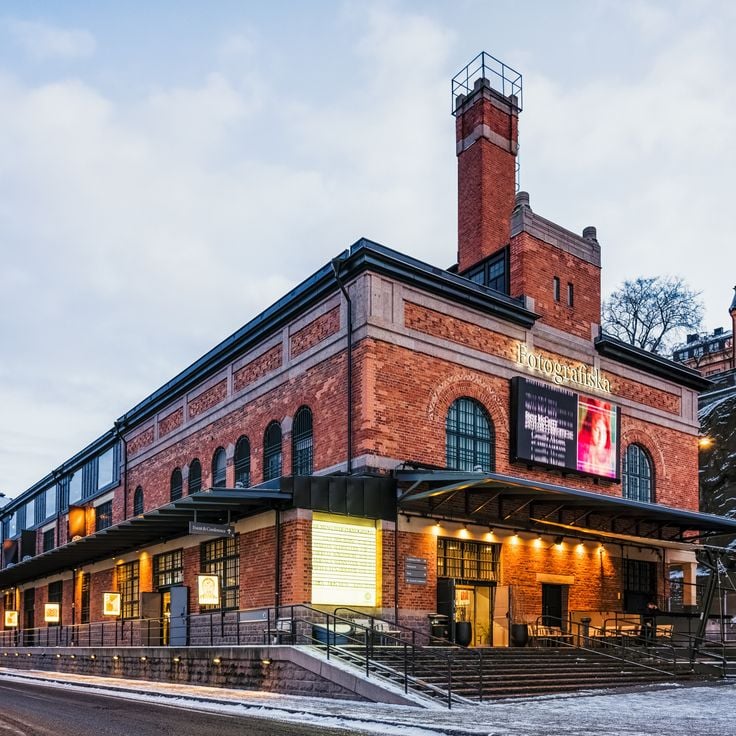
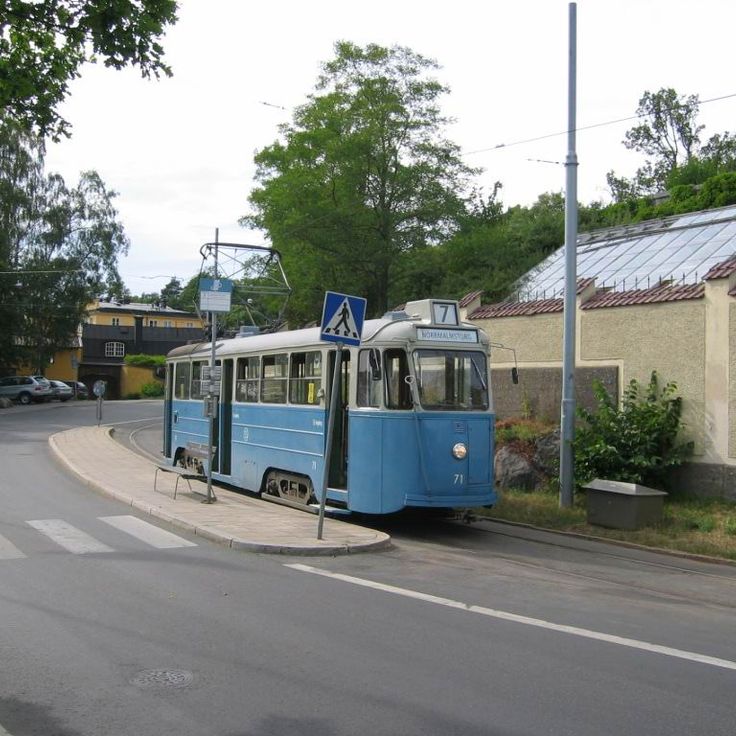
Stockholm has over 70 museums and cultural institutions spread between its medieval city center and its islands accessible within a few minutes by tram. The city has preserved its original buildings while developing modern exhibition spaces that cover a thousand years of Scandinavian history. Visitors can spend a day walking from the cobbled streets of Gamla Stan, lined with 17th-century merchant houses, to the contemporary galleries of Fotografiska housed in former port warehouses.
The permanent collections cover diverse fields. The Vasa Museum displays a 69-meter (226 feet) warship recovered intact after three centuries underwater. The Royal Palace opens its state apartments and treasury to the public. Djurgården Island features several major sites, including Skansen open-air museum with 150 historic buildings from across Sweden, the Modern Art Museum with works by Dalí and Picasso, and ABBA The Museum dedicated to the band that sold 400 million records. The Nobel Museum chronicles the history of the Nobel Prize since 1901 with objects belonging to over 900 laureates.
Stockholm has over 70 museums and cultural institutions spread between its medieval city center and its islands accessible within a few minutes by tram. The city has preserved its original buildings while developing modern exhibition spaces that cover a thousand years of Scandinavian history. Visitors can spend a day walking from the cobbled streets of Gamla Stan, lined with 17th-century merchant houses, to the contemporary galleries of Fotografiska housed in former port warehouses.
The permanent collections cover diverse fields. The Vasa Museum displays a 69-meter (226 feet) warship recovered intact after three centuries underwater. The Royal Palace opens its state apartments and treasury to the public. Djurgården Island features several major sites, including Skansen open-air museum with 150 historic buildings from across Sweden, the Modern Art Museum with works by Dalí and Picasso, and ABBA The Museum dedicated to the band that sold 400 million records. The Nobel Museum chronicles the history of the Nobel Prize since 1901 with objects belonging to over 900 laureates.
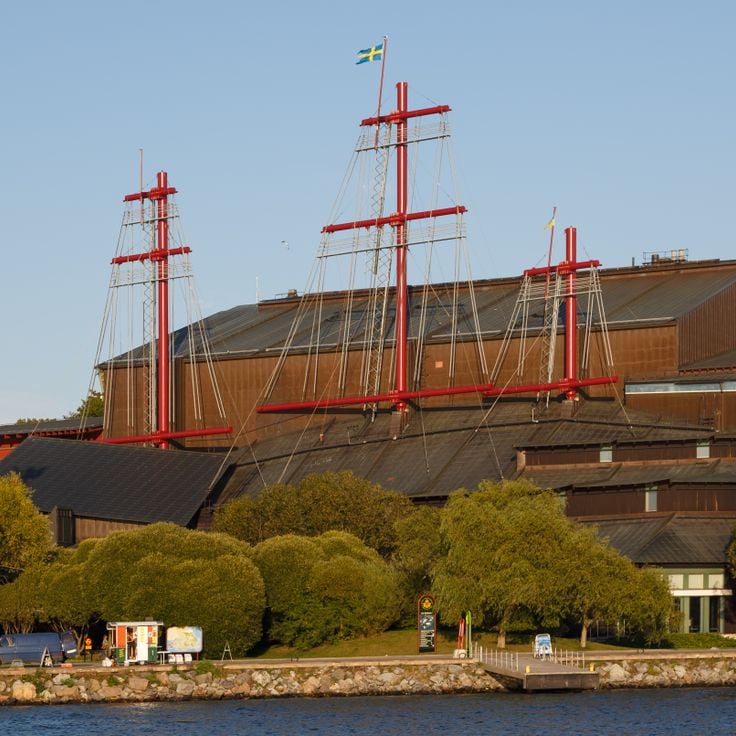
The ship in this museum sank in Stockholm harbor on its maiden voyage in 1628 and was recovered from the seabed in 1961. The exhibition presents the 226-foot (69-meter) hull with its hundreds of carvings and sculptures that remained preserved after three centuries underwater. The permanent displays document the construction of the warship under King Gustav II Adolf and explain the technical reasons for its capsizing. Nine thematic sections cover life aboard, the salvage operation and the preservation of the timber.
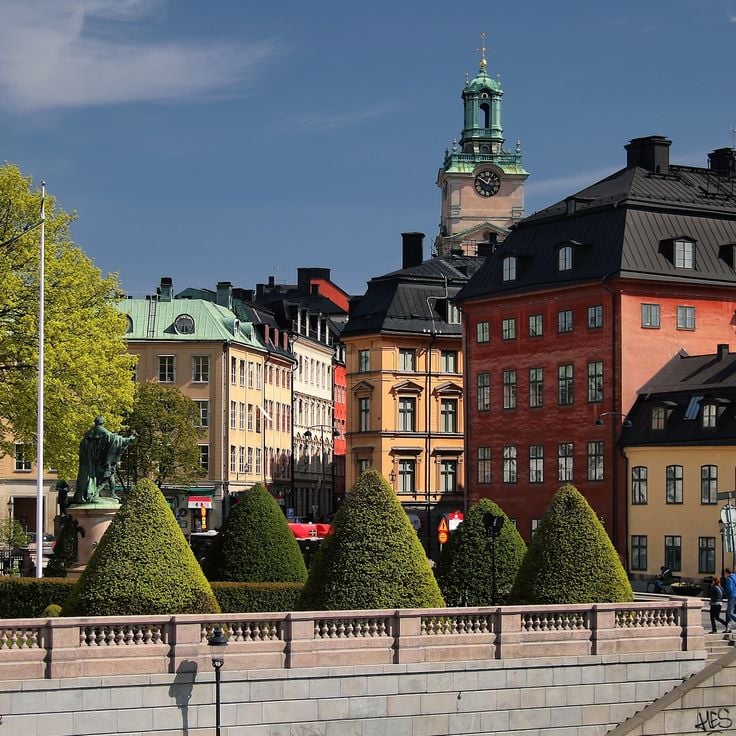
Gamla Stan forms the medieval core of Stockholm on an island between Lake Mälaren and the Baltic Sea. The district was founded in the 13th century and preserves its original street layout with cobblestone lanes that wind between four- and five-story merchant houses from the 1600s and 1700s. The characteristic facades in yellow, orange and red surround the central Stortorget square, site of the 1520 Stockholm Bloodbath. Visitors find here the Royal Palace with its 600 rooms, the medieval Storkyrkan cathedral and the Nobel Museum in the former stock exchange building, all documenting this area's historical role as Sweden's political and commercial center.
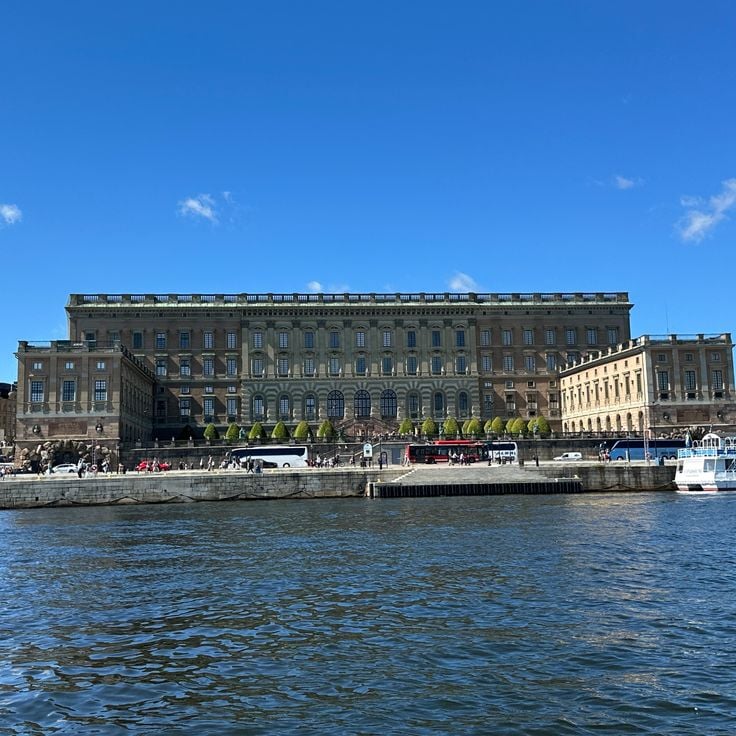
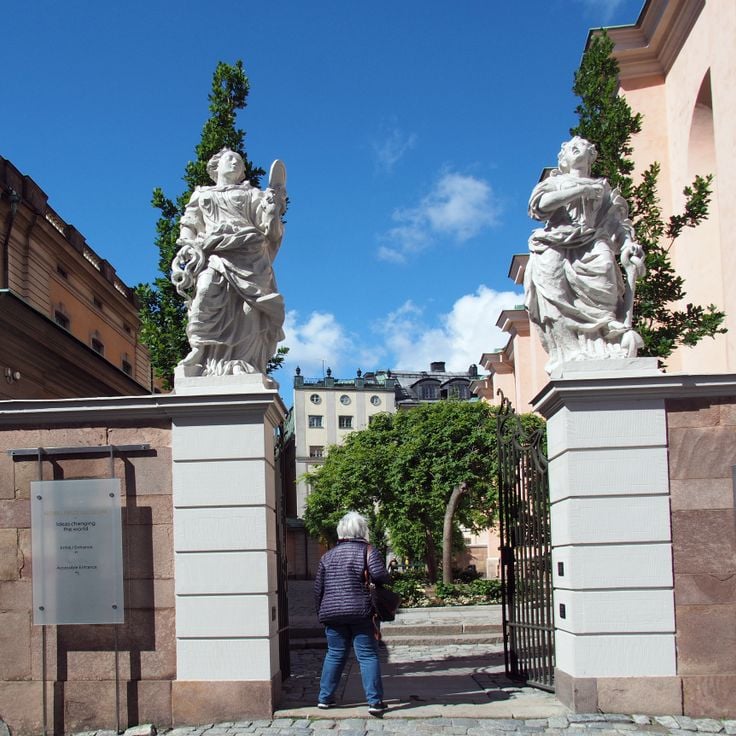
The Royal Palace serves as the official residence of the Swedish monarch and opens portions of its 600 rooms to the public. Visitors can view the state apartments with their Rococo and Baroque furnishings, the treasury holding crowns and scepters from five centuries, and the numismatic cabinet displaying Scandinavian coinage since medieval times. The building, constructed between 1697 and 1754 in Italian Baroque style, stands at the edge of the Old Town on the island of Stadsholmen. The changing of the guard takes place daily in the outer courtyard, which also houses the royal armory museum. The institution documents the history of the Swedish monarchy and its residences from foundation to the present day.
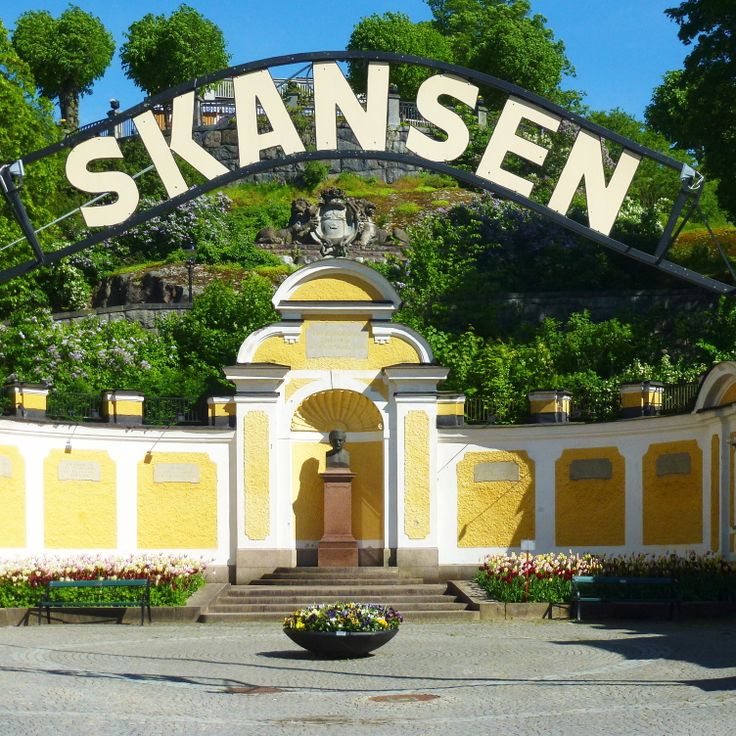
The Skansen open-air museum brings together 150 historic buildings from across Sweden on Djurgården island. Opened in 1891, the site displays houses, workshops and farmsteads from the 14th through 20th centuries, relocated from their original regions. Craftspeople demonstrate traditional techniques including glassblowing, baking and pottery. A zoo featuring Nordic species complements the collection.
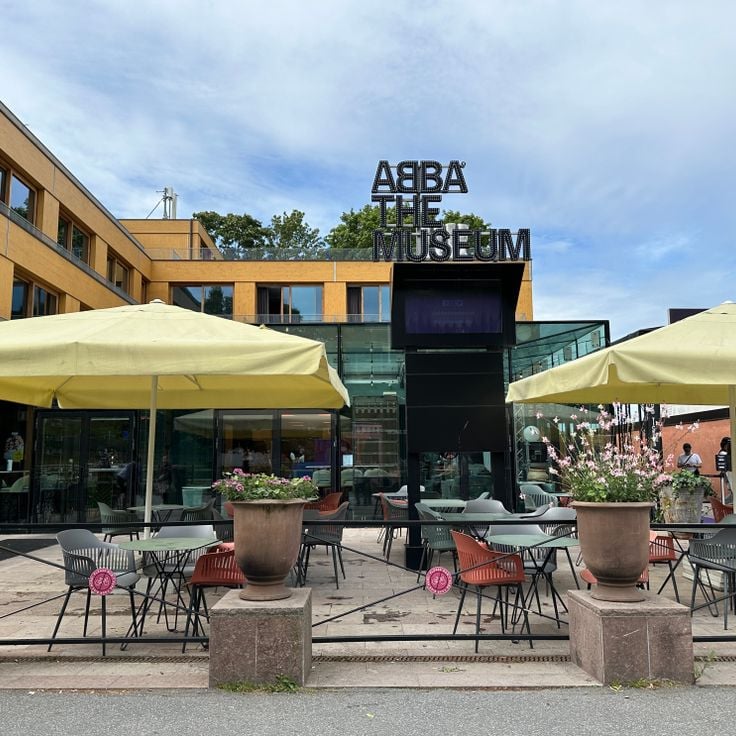
This museum on Djurgården displays original costumes, gold records, instruments and interactive installations documenting the Swedish pop group that released nine studio albums between 1972 and 1982. The exhibition traces the career of Agnetha Fältskog, Björn Ulvaeus, Benny Andersson and Anni-Frid Lyngstad through personal items and recording equipment from the Polar Studios in Stockholm. Visitors can create their own recordings in a replica sound booth and activate digital avatars of the four members on a stage reconstruction.
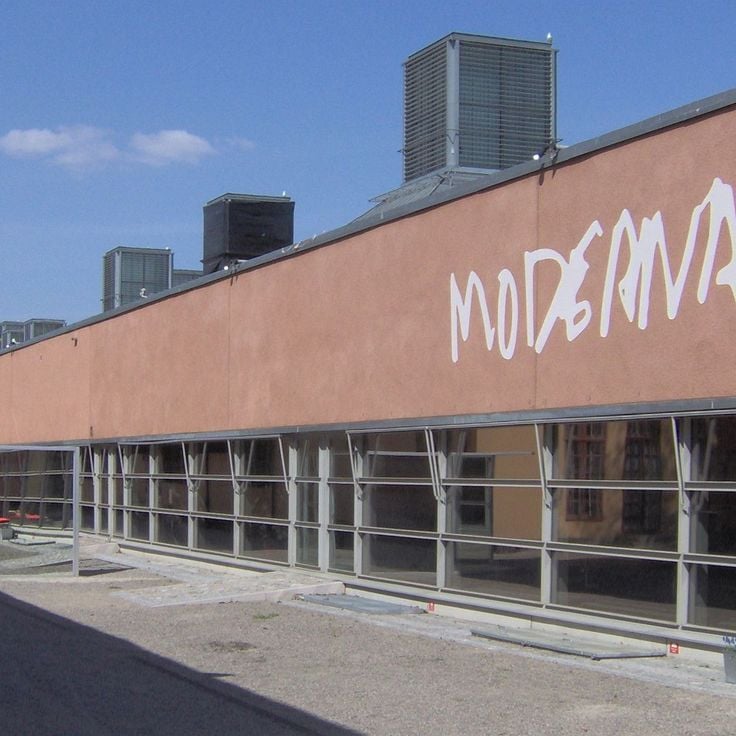
The Musée d'Art Moderne displays works by Salvador Dalí, Pablo Picasso and Marcel Duchamp alongside pieces by contemporary Swedish artists. The museum on Djurgården documents the development of modern art from the early 20th century to the present day. The permanent collection includes paintings, sculptures, photographs and installations from its holdings. The building was designed specifically for the presentation of modern art and complements the historical museums on the island. Rotating temporary exhibitions expand the program with current positions from Scandinavian and international artists.
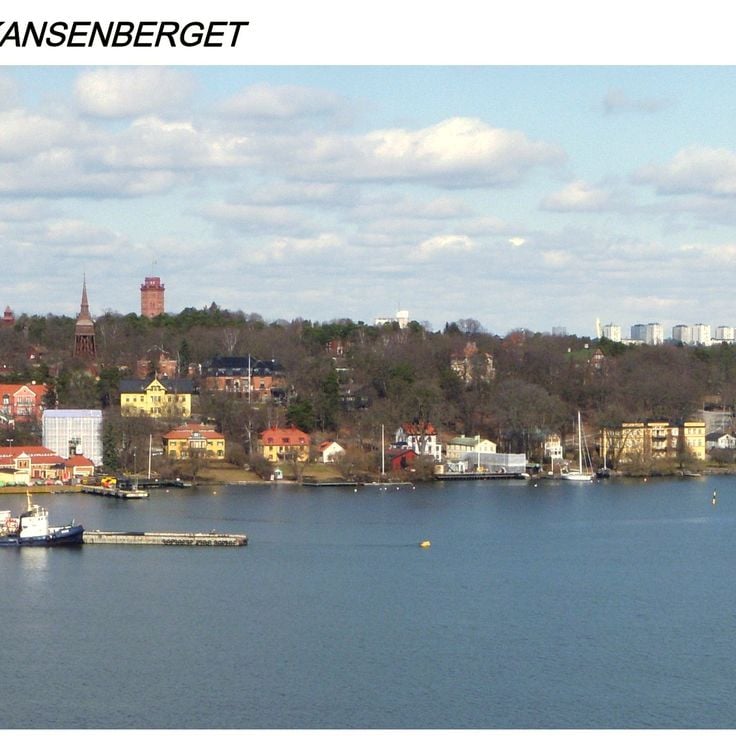
This island within Stockholm covers roughly 1.1 square miles (2.8 square kilometers) and concentrates several major museums, including the Vasa Museum with its 17th-century warship, the open-air museum Skansen displaying 150 historic buildings from across Sweden, and ABBA The Museum. The Gröna Lund amusement park opened in 1883 and operates on a compact site between existing structures. The island also contains green spaces and several 17th-century buildings that date from the period when the area served as royal hunting grounds.
Fotografiska occupies a converted industrial building on the waterfront and presents rotating photo exhibitions by international and Swedish photographers. The early 20th-century structure houses four exhibition spaces across multiple floors and a rooftop restaurant with views over the harbor. The institution organizes around twenty exhibitions per year covering portrait photography, photojournalism and documentary work.
The Nobelmuseet documents the history of the Nobel Prize since its establishment in 1901 by Alfred Nobel. The permanent exhibition presents personal belongings and documents from more than 900 laureates across physics, chemistry, medicine, literature and peace. Visitors can follow how the selection process works and which scientific breakthroughs or literary works led to recognition. Located in the Old Town, the museum also displays film footage from the annual ceremony at Stockholm Concert Hall.
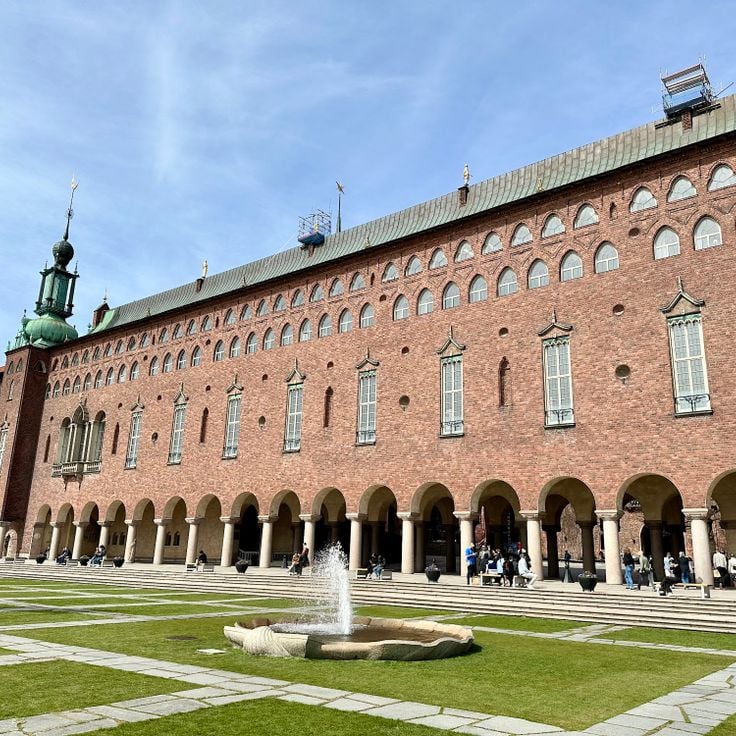
Stockholm City Hall has served as the seat of municipal government and ceremonial venue since 1923, standing on the eastern tip of Kungsholmen island. Architect Ragnar Östberg designed a 106-foot (32-meter) tower built with eight million red bricks and topped with three golden crowns. Inside, the Blue Hall hosts the Nobel Prize banquet every December 10, while the Golden Hall displays 18 million mosaic tiles depicting scenes from Swedish history. The building houses the offices of the city council and opens its halls for guided tours that include access to the council chambers, tower climb with views across the city, and the arcaded courtyard.
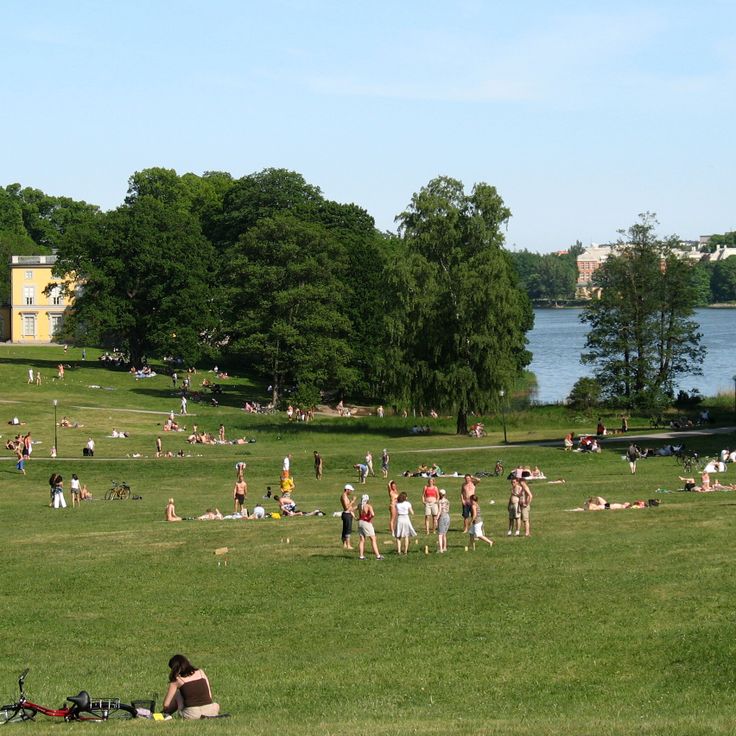
Haga Park covers 360 acres (145 hectares) north of central Stockholm and was developed from 1780 onward as an English landscape garden for King Gustav III. The grounds contain several period structures, including the Copper Tent pavilion with neoclassical interiors, the Butterfly House hosting tropical species, and the Echo Temple built in the late 18th century. The park functions as public recreation space with marked walking trails through mixed woodland and along the shore of Brunnsviken lake, while portions remain royal property and are used by the Swedish royal family.
The museum houses archaeological finds documenting 10,000 years of Swedish history, from Stone Age tools to medieval church artworks. The collection includes over 10 million objects, among them more than 3,000 gold items from the Viking era. The Gold Room displays neck rings, arm rings and coins spanning several centuries. Thematic galleries present everyday objects, weapons and religious artifacts that trace settlement patterns and trade routes between the Baltic Sea and Constantinople. The museum is located near Djurgården island and ranks among Stockholm's major archaeological institutions.
The museum occupies underground spaces beneath the Norrbro plateau and displays archaeological finds documenting Stockholm's medieval development from the 13th through 17th centuries. The collection includes foundations from the 1530 city wall, everyday items from merchant quarters, coins and tools, plus full-scale reconstructions of residential buildings and workshops. One section documents the Black Death, which killed one third of the city's population in 1350, through medical instruments and period writings.
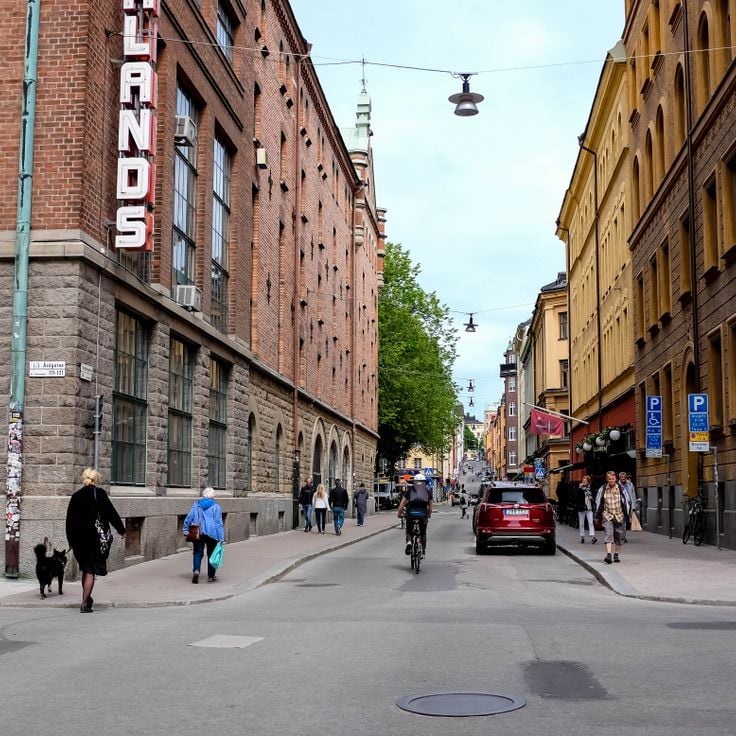
The SoFo district extends south of Folkungagatan street on Södermalm and forms an area with independent shops, vintage stores, cafés and restaurants. The streets between Nytorget and Skanstull show the evolution of this former working-class neighborhood, which has attracted design studios and small boutiques since the 2000s. Visitors find local fashion brands, antique dealers and Scandinavian home furnishings, while dining options range from traditional Swedish bakeries to international cuisines. The architecture consists mainly of residential buildings from the late 19th century.
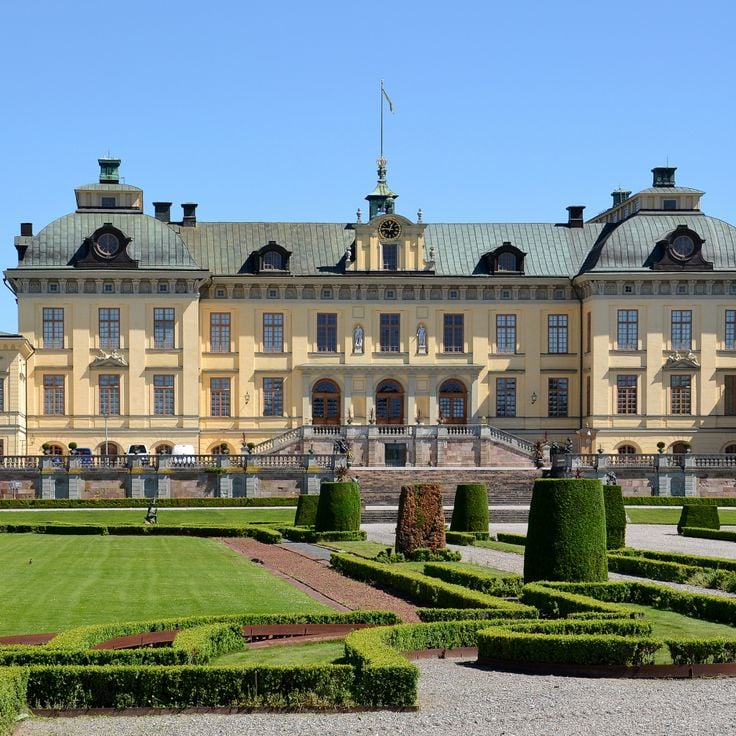
The Drottningholm Palace has served as the permanent residence of the Swedish royal family since 1981, with its state apartments open to visitors. Built in the 1660s on Lovön island, 7 miles (11 kilometers) west of central Stockholm, this baroque palace combines French formal gardens with one of Europe's oldest operating theaters. The estate received UNESCO World Heritage designation in 1991 as Sweden's first cultural site and includes four main structures: the main palace, the 1766 court theater with original stage machinery, the 1769 Chinese Pavilion called Kina Slott, and the French garden featuring 17th-century bronze sculptures. The public rooms display furnishings from three centuries, while the royal couple occupies the southern wings.
Östermalms Saluhall is among the preserved market halls built when Stockholm modernized its food distribution network. The structure opened in 1888 and reopened in 2020 after renovation work, gathering some 30 vendors across 27,000 square feet who sell regional products: reindeer and elk meat from Lapland, lobster from the west coast, cheese from Gotland, and smoked fish. Several restaurants and counters offer dishes prepared on site that combine Swedish recipes with imported specialties.
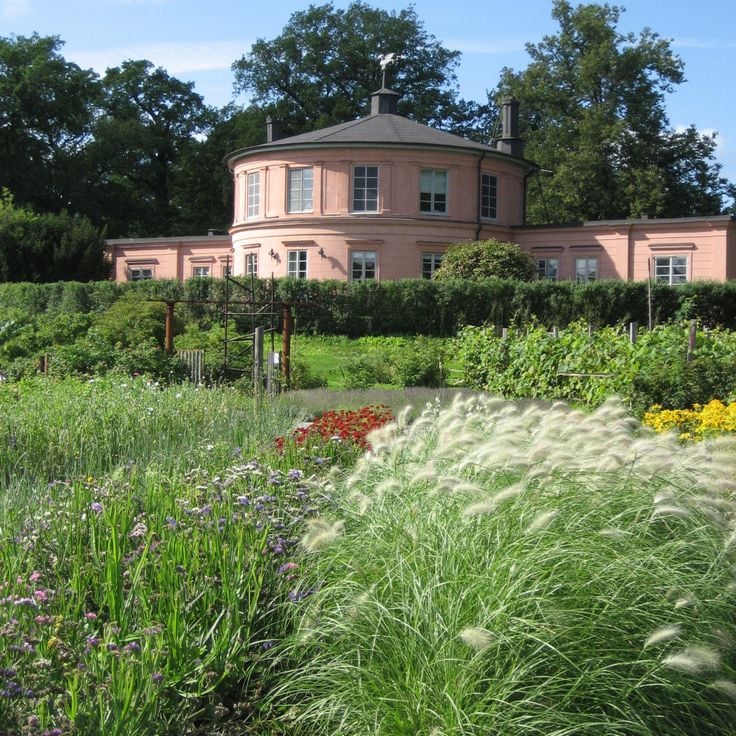
This urban garden on Djurgården has operated as an organic farm since 1984 across roughly 12 acres (5 hectares). The site includes vegetable plots, fruit trees and greenhouses where various crops are grown using traditional Swedish methods. The café prepares dishes with produce from the farm. The garden is located a 15-minute walk from the Vasa Museum and opens from May through September. Visitors can walk through the growing areas and visit the farm shop selling seedlings and gardening supplies.
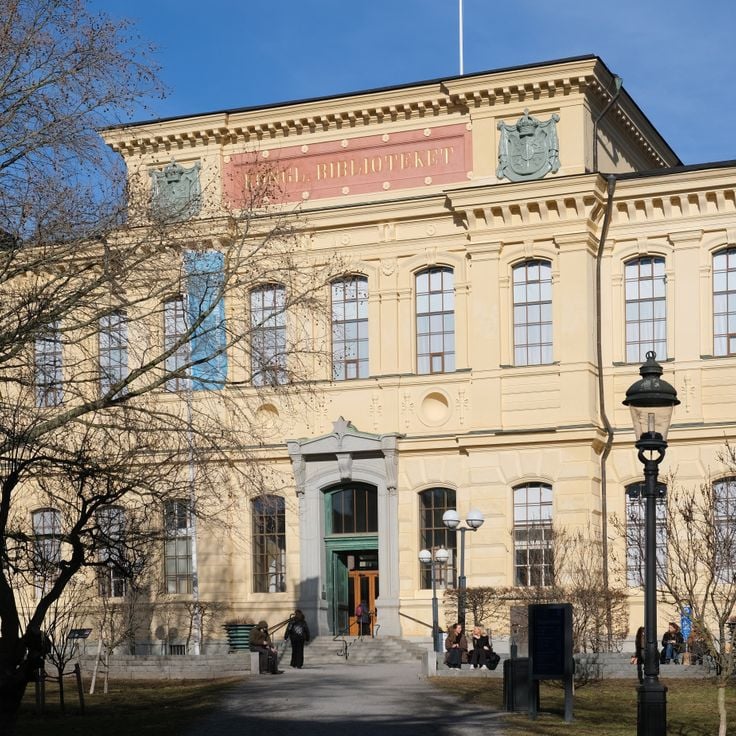
Sweden's national library has managed one of Scandinavia's largest documentary collections since 1661, holding more than 18 million items. The institution brings together historical manuscripts from the 9th century onward, three million printed works, 350,000 maps and extensive sound archives documenting Swedish music and linguistic history. The reading room in the main Humlegården building provides access to first editions of Swedish literature and one of Europe's most complete collections on Nordic philology. Researchers can examine medieval manuscripts including copies of Icelandic sagas and liturgical texts from the 13th century, as well as the digitized press archive containing every newspaper published in Sweden since 1645.
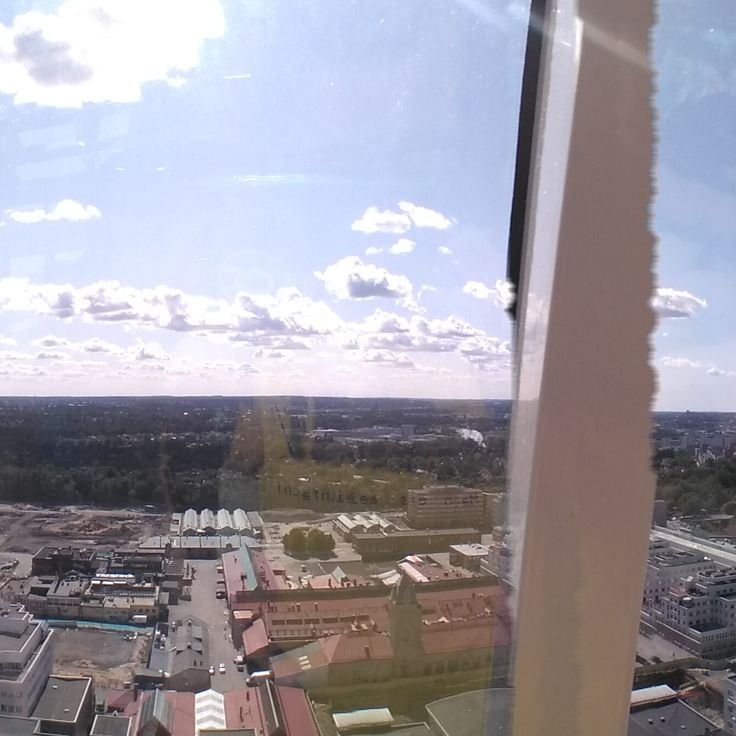
The Skyview Globen operates two glass gondolas that travel along the exterior of the Ericsson Globe Arena, lifting visitors to 427 feet (130 meters) above sea level in six minutes. From this elevation, the view extends across Stockholm's fourteen islands, its historic districts and the surrounding archipelago. The facility opened in 2010 and uses the architecture of the spherical building completed in 1989, which measures 361 feet (110 meters) in diameter and ranks as the world's largest hemispherical structure. Each ride lasts about 20 minutes including time at the top. The gondolas run daily with capacity limited to 16 people per trip.
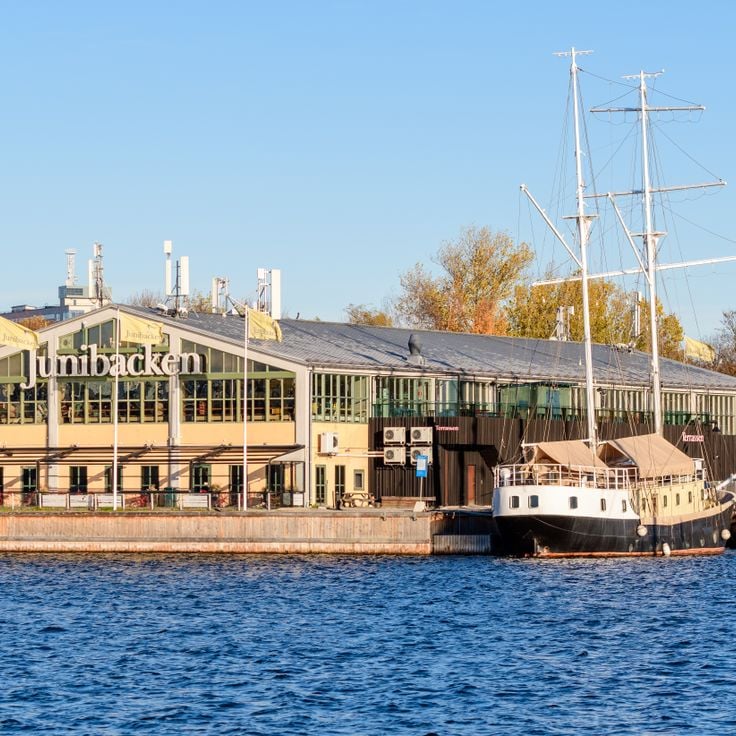
Junibacken documents Swedish children's literature through exhibitions, a train ride through literary scenes and rotating theater performances. The center on Djurgården focuses on works by national authors and provides interactive areas where visitors can explore the stories that have shaped Swedish childhood for generations.
The Millesgarden displays the works of sculptor Carl Milles across a complex of studios, living spaces and outdoor terraces that the artist designed from 1906 onward. The collection includes more than 200 bronze sculptures and marble pieces arranged among pools, fountains and stepped platforms. Upper levels offer views across Lidingö to the bay of Stockholm. In addition to the monumental figure groups, the site holds personal belongings and works by Auguste Rodin that Milles acquired during his years in the United States.
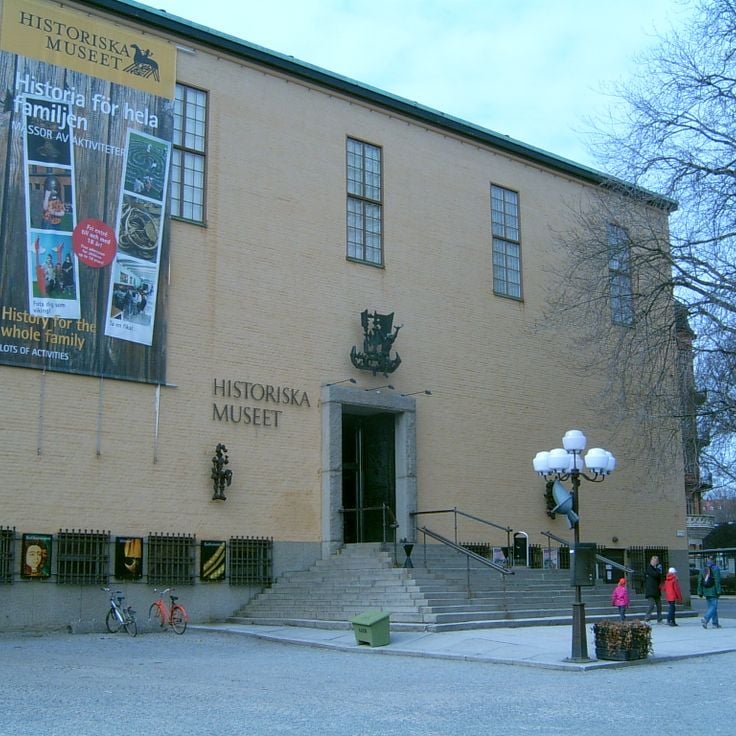
This museum presents 10,000 years of Swedish history through a chronological exhibition spanning from the Stone Age to the 16th century. The collection includes over 440 pounds of pre-Christian gold objects, among them ritual neck rings from the Bronze Age and Byzantine coins. The Viking Hall displays weapons, tools and rune stones from the 8th to 11th centuries, while the medieval section brings together painted altarpieces and liturgical vestments from decommissioned churches. The Gold Room in the basement preserves treasures recovered from excavations across Sweden.
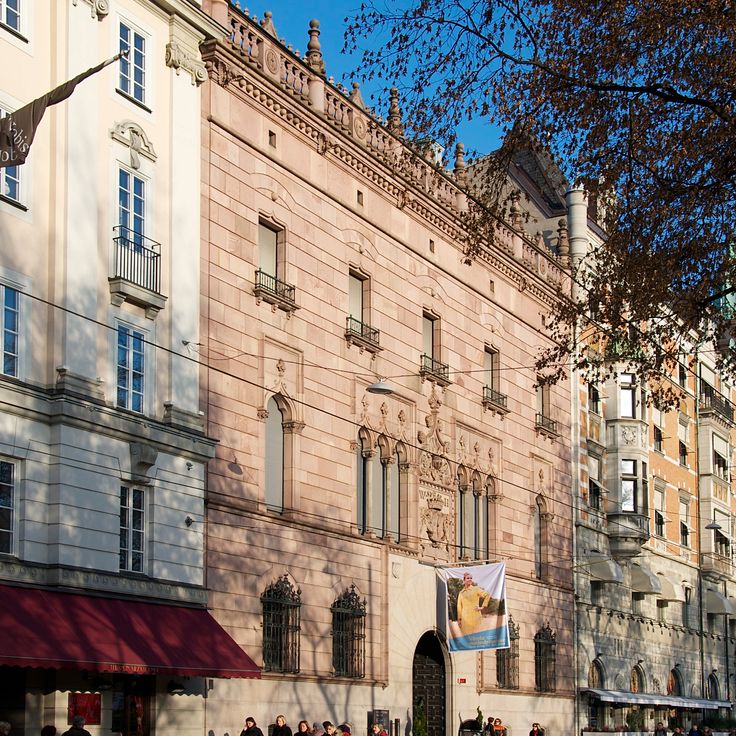
The Hallwyl Museum occupies an 1898 mansion built by the Hallwyl family as both residence and display space for their collections. The owners accumulated furniture, textiles, paintings, porcelain and weapons over five decades, now exhibited across 40 rooms. The interiors retain their original decoration, including carved wood paneling, painted ceilings and Art Nouveau details. The building features turn-of-the-century technology such as electric lighting, central heating and one of Stockholm's first telephone systems. Tours pass through reception halls, private living quarters and the family archive, which holds 30,000 photographs and documents.
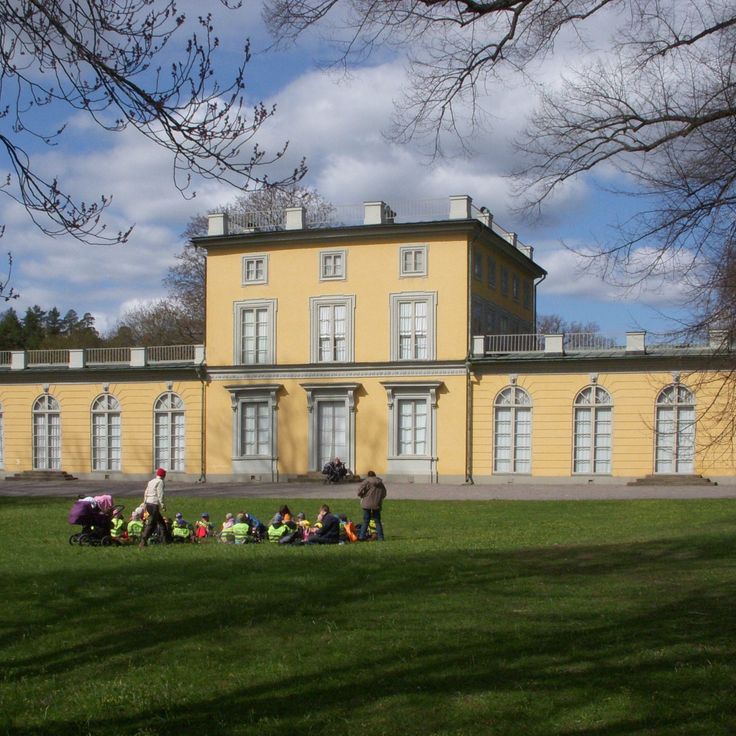
The Gustav III Pavilion was built in 1787 as a royal retreat in Solna and displays the neoclassical architecture of the Gustavian era. The interiors preserve their original furnishings with Italian marble floors, French 18th-century furniture and wall decorations that document the king's stays. The compact building served as a summer residence and illustrates the influence of French and Italian design on Swedish court culture during the period when Stockholm was consolidating its position as a northern European capital.
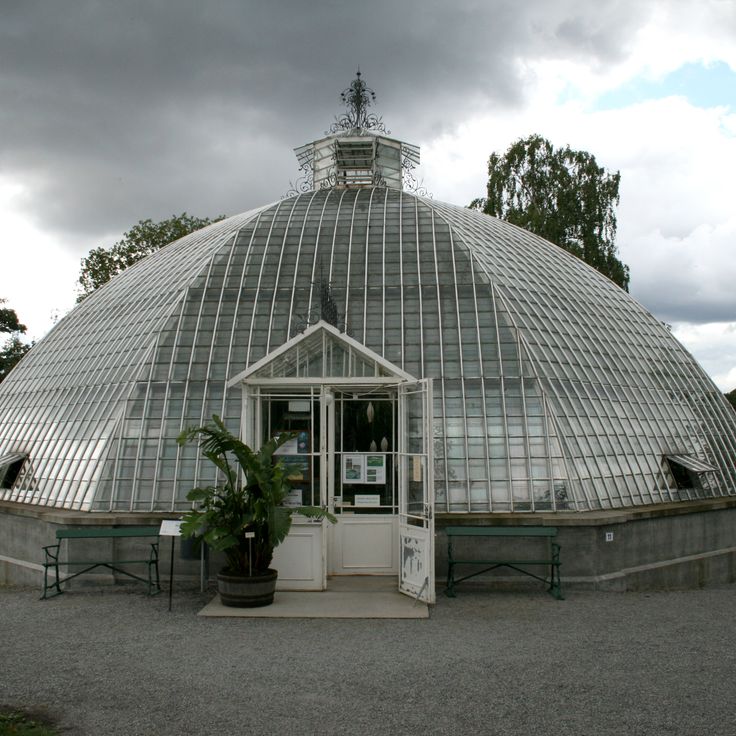
The Bergianska Garden combines outdoor plantings with the historic Edvard Anderson Conservatory, which has housed over 9,000 plant species from different climate zones since 1900. The facility belongs to Stockholm University and serves both botanical research and the conservation of threatened species. The glass halls group Mediterranean plants, tropical palms and rainforest ferns. Outdoors, Nordic species grow in thematic beds organized by geographic region. The research institute documents plant adaptations to different environments and regularly opens its collection to visitors. The Bergianska greenhouse is located in the Ekoparken national urban park and is accessible by public transport from the city center.
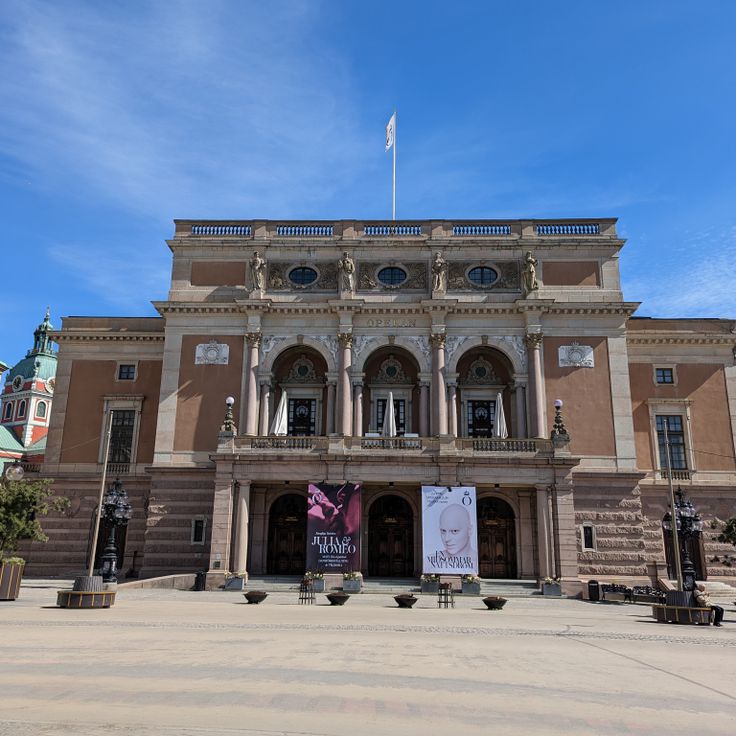
The Royal Swedish Opera founded in 1773 presents opera productions, ballet performances and concerts in a neo-baroque building constructed between 1891 and 1898 according to plans by Axel Anderberg on Gustav Adolf Square. The theater operates a main auditorium seating 1,200 (twelve hundred) and two smaller stages for chamber productions. The institution maintains its own orchestra, ballet company and opera chorus performing approximately 200 (two hundred) productions per season with a repertoire spanning baroque to contemporary works. The gilded auditorium preserves the original interior featuring historic chandeliers and three gallery levels. Guided tours in multiple languages explain the architecture and provide access to rehearsal rooms and the costume and set design workshops.
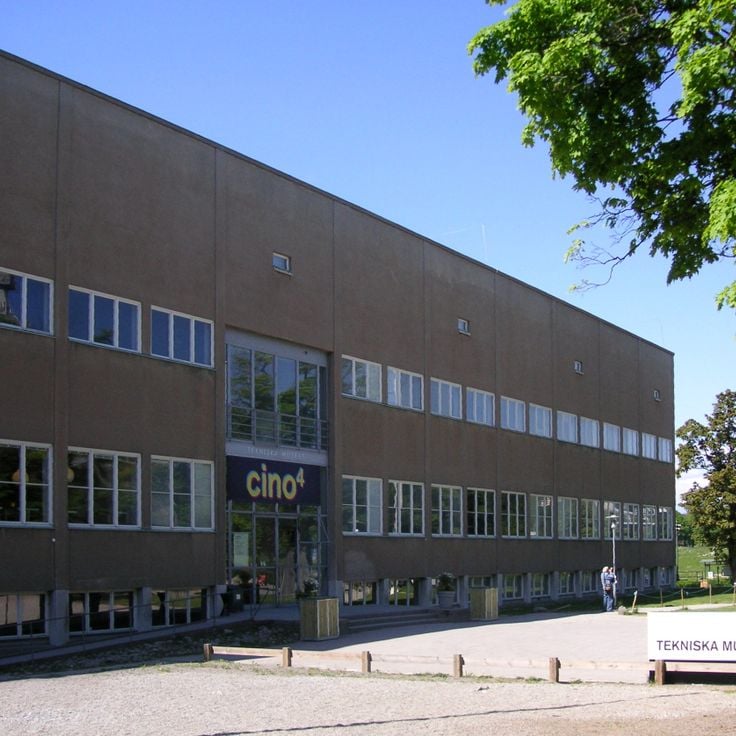
The Musée des Sciences et Technologies documents Sweden's industrial development with emphasis on transportation, energy and communications. Exhibitions display historic machinery, technical innovations and everyday objects from several centuries. Visitors can participate in interactive experiments and observe scientific demonstrations. The museum sits outside the center and adds a technical perspective to the city's cultural collections.
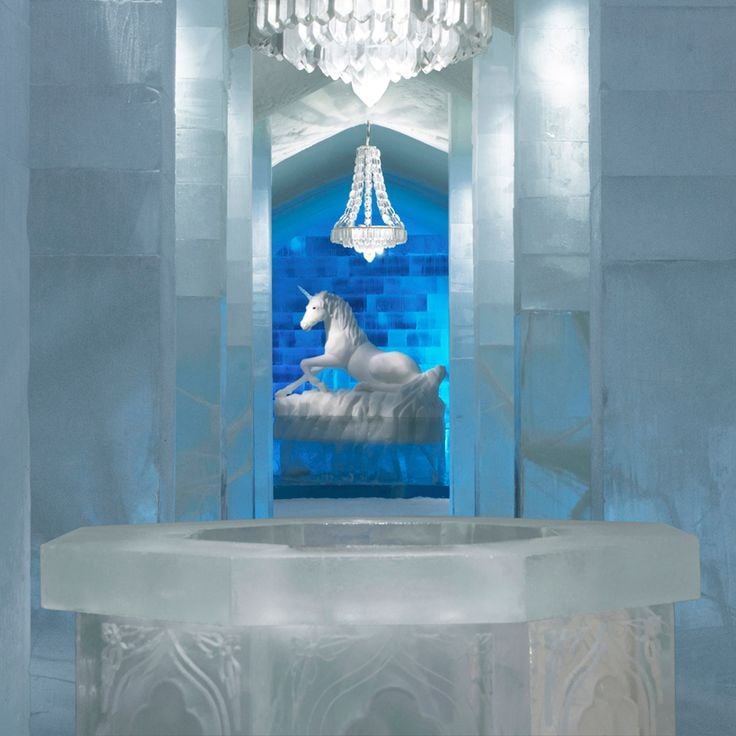
This bar maintains an interior temperature of 23°F (-5°C) throughout the year. Furniture and drinking vessels are carved from ice blocks harvested from the Torne River in northern Sweden. Walls, tables and seating are also made of ice and are regularly renewed. Visitors receive warm capes and insulated gloves for their stay, which is limited to 40 minutes. The concept adds to Stockholm's museum landscape a year-round attraction that combines ice sculpture with hospitality.
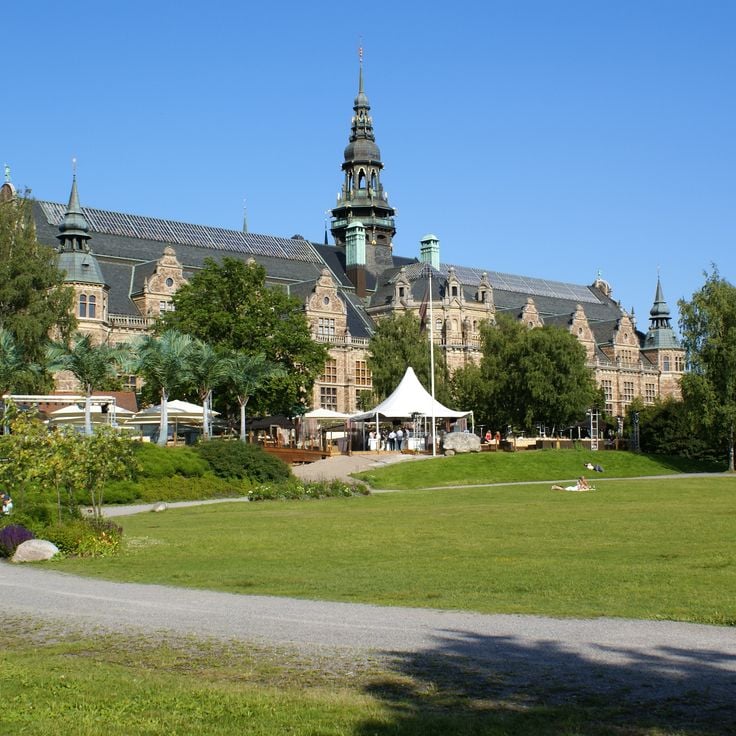
The Nordic Museum documents Swedish daily life and cultural traditions across four floors, covering the period from the 16th century to the present. Collections include furniture, textiles, folk art and household objects gathered from across Sweden. Exhibits explore housing patterns, festival customs, regional dress and the evolution of Swedish design. The Renaissance Revival building opened in 1907 on Djurgården island and holds more than 1.5 million objects in its archive.
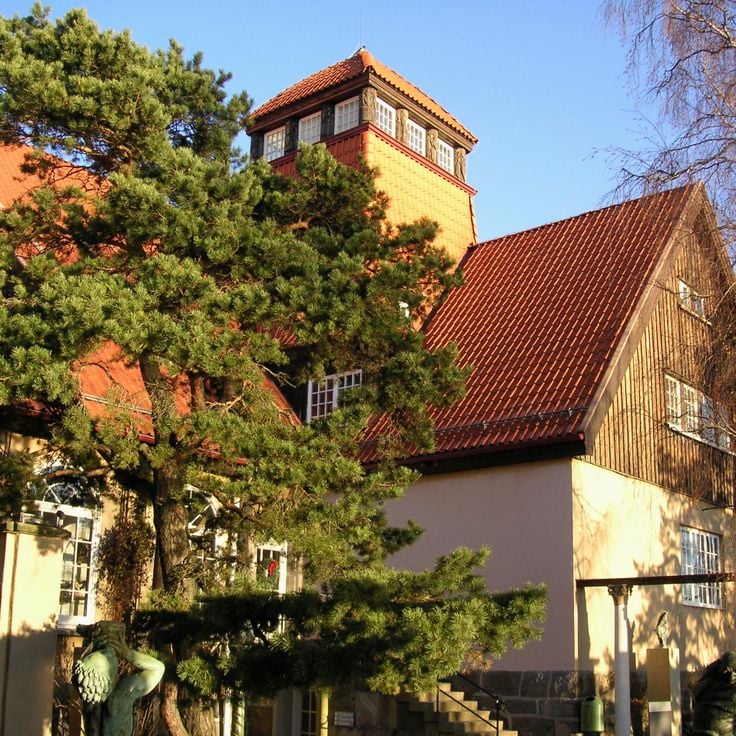
Waldemarsudde houses the art collection of Prince Eugen, the youngest son of King Oscar II, who lived and worked here from 1905 until his death in 1947. The Djurgården estate includes the main building, where the prince established his residence and studio, plus a gallery built in 1913 that displays his personal collection of more than 2,000 paintings and sculptures by Swedish artists. The exhibition documents Swedish art production between 1880 and 1940 with works by Anders Zorn, Carl Larsson and Bruno Liljefors, along with the prince's own landscape paintings. The surrounding garden extends over 20 acres (8 hectares) and presents around 80 sculptures along paths that lead down to the water.
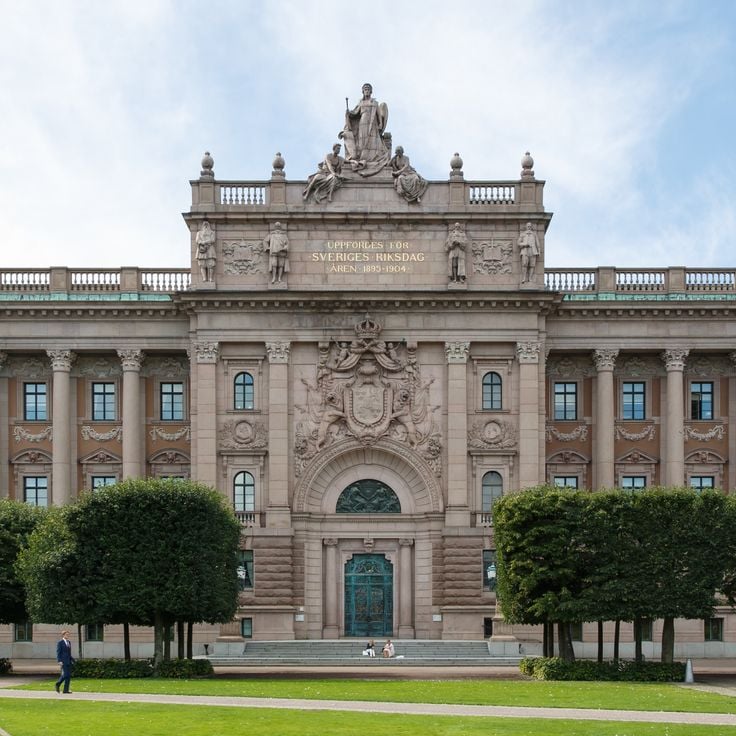
The Swedish Parliament, known as the Riksdag, sits on the small island of Helgeandsholmen in central Stockholm, between the old town of Gamla Stan and the modern city center. The building dates from the early 20th century and houses the single chamber where 349 elected members meet. Visitors can join guided tours that take them into the main chamber, committee rooms, and older parts of the building. Several bridges connect the island to the surrounding neighborhoods.
The ship in this museum sank in Stockholm harbor on its maiden voyage in 1628 and was recovered from the seabed in 1961. The exhibition presents the 226-foot (69-meter) hull with its hundreds of carvings and sculptures that remained preserved after three centuries underwater. The permanent displays document the construction of the warship under King Gustav II Adolf and explain the technical reasons for its capsizing. Nine thematic sections cover life aboard, the salvage operation and the preservation of the timber.
Gamla Stan forms the medieval core of Stockholm on an island between Lake Mälaren and the Baltic Sea. The district was founded in the 13th century and preserves its original street layout with cobblestone lanes that wind between four- and five-story merchant houses from the 1600s and 1700s. The characteristic facades in yellow, orange and red surround the central Stortorget square, site of the 1520 Stockholm Bloodbath. Visitors find here the Royal Palace with its 600 rooms, the medieval Storkyrkan cathedral and the Nobel Museum in the former stock exchange building, all documenting this area's historical role as Sweden's political and commercial center.
The Royal Palace serves as the official residence of the Swedish monarch and opens portions of its 600 rooms to the public. Visitors can view the state apartments with their Rococo and Baroque furnishings, the treasury holding crowns and scepters from five centuries, and the numismatic cabinet displaying Scandinavian coinage since medieval times. The building, constructed between 1697 and 1754 in Italian Baroque style, stands at the edge of the Old Town on the island of Stadsholmen. The changing of the guard takes place daily in the outer courtyard, which also houses the royal armory museum. The institution documents the history of the Swedish monarchy and its residences from foundation to the present day.
The Skansen open-air museum brings together 150 historic buildings from across Sweden on Djurgården island. Opened in 1891, the site displays houses, workshops and farmsteads from the 14th through 20th centuries, relocated from their original regions. Craftspeople demonstrate traditional techniques including glassblowing, baking and pottery. A zoo featuring Nordic species complements the collection.
This museum on Djurgården displays original costumes, gold records, instruments and interactive installations documenting the Swedish pop group that released nine studio albums between 1972 and 1982. The exhibition traces the career of Agnetha Fältskog, Björn Ulvaeus, Benny Andersson and Anni-Frid Lyngstad through personal items and recording equipment from the Polar Studios in Stockholm. Visitors can create their own recordings in a replica sound booth and activate digital avatars of the four members on a stage reconstruction.
The Musée d'Art Moderne displays works by Salvador Dalí, Pablo Picasso and Marcel Duchamp alongside pieces by contemporary Swedish artists. The museum on Djurgården documents the development of modern art from the early 20th century to the present day. The permanent collection includes paintings, sculptures, photographs and installations from its holdings. The building was designed specifically for the presentation of modern art and complements the historical museums on the island. Rotating temporary exhibitions expand the program with current positions from Scandinavian and international artists.
This island within Stockholm covers roughly 1.1 square miles (2.8 square kilometers) and concentrates several major museums, including the Vasa Museum with its 17th-century warship, the open-air museum Skansen displaying 150 historic buildings from across Sweden, and ABBA The Museum. The Gröna Lund amusement park opened in 1883 and operates on a compact site between existing structures. The island also contains green spaces and several 17th-century buildings that date from the period when the area served as royal hunting grounds.
Fotografiska occupies a converted industrial building on the waterfront and presents rotating photo exhibitions by international and Swedish photographers. The early 20th-century structure houses four exhibition spaces across multiple floors and a rooftop restaurant with views over the harbor. The institution organizes around twenty exhibitions per year covering portrait photography, photojournalism and documentary work.
The Nobelmuseet documents the history of the Nobel Prize since its establishment in 1901 by Alfred Nobel. The permanent exhibition presents personal belongings and documents from more than 900 laureates across physics, chemistry, medicine, literature and peace. Visitors can follow how the selection process works and which scientific breakthroughs or literary works led to recognition. Located in the Old Town, the museum also displays film footage from the annual ceremony at Stockholm Concert Hall.
Stockholm City Hall has served as the seat of municipal government and ceremonial venue since 1923, standing on the eastern tip of Kungsholmen island. Architect Ragnar Östberg designed a 106-foot (32-meter) tower built with eight million red bricks and topped with three golden crowns. Inside, the Blue Hall hosts the Nobel Prize banquet every December 10, while the Golden Hall displays 18 million mosaic tiles depicting scenes from Swedish history. The building houses the offices of the city council and opens its halls for guided tours that include access to the council chambers, tower climb with views across the city, and the arcaded courtyard.
Haga Park covers 360 acres (145 hectares) north of central Stockholm and was developed from 1780 onward as an English landscape garden for King Gustav III. The grounds contain several period structures, including the Copper Tent pavilion with neoclassical interiors, the Butterfly House hosting tropical species, and the Echo Temple built in the late 18th century. The park functions as public recreation space with marked walking trails through mixed woodland and along the shore of Brunnsviken lake, while portions remain royal property and are used by the Swedish royal family.
The museum houses archaeological finds documenting 10,000 years of Swedish history, from Stone Age tools to medieval church artworks. The collection includes over 10 million objects, among them more than 3,000 gold items from the Viking era. The Gold Room displays neck rings, arm rings and coins spanning several centuries. Thematic galleries present everyday objects, weapons and religious artifacts that trace settlement patterns and trade routes between the Baltic Sea and Constantinople. The museum is located near Djurgården island and ranks among Stockholm's major archaeological institutions.
The museum occupies underground spaces beneath the Norrbro plateau and displays archaeological finds documenting Stockholm's medieval development from the 13th through 17th centuries. The collection includes foundations from the 1530 city wall, everyday items from merchant quarters, coins and tools, plus full-scale reconstructions of residential buildings and workshops. One section documents the Black Death, which killed one third of the city's population in 1350, through medical instruments and period writings.
The SoFo district extends south of Folkungagatan street on Södermalm and forms an area with independent shops, vintage stores, cafés and restaurants. The streets between Nytorget and Skanstull show the evolution of this former working-class neighborhood, which has attracted design studios and small boutiques since the 2000s. Visitors find local fashion brands, antique dealers and Scandinavian home furnishings, while dining options range from traditional Swedish bakeries to international cuisines. The architecture consists mainly of residential buildings from the late 19th century.
The Drottningholm Palace has served as the permanent residence of the Swedish royal family since 1981, with its state apartments open to visitors. Built in the 1660s on Lovön island, 7 miles (11 kilometers) west of central Stockholm, this baroque palace combines French formal gardens with one of Europe's oldest operating theaters. The estate received UNESCO World Heritage designation in 1991 as Sweden's first cultural site and includes four main structures: the main palace, the 1766 court theater with original stage machinery, the 1769 Chinese Pavilion called Kina Slott, and the French garden featuring 17th-century bronze sculptures. The public rooms display furnishings from three centuries, while the royal couple occupies the southern wings.
Östermalms Saluhall is among the preserved market halls built when Stockholm modernized its food distribution network. The structure opened in 1888 and reopened in 2020 after renovation work, gathering some 30 vendors across 27,000 square feet who sell regional products: reindeer and elk meat from Lapland, lobster from the west coast, cheese from Gotland, and smoked fish. Several restaurants and counters offer dishes prepared on site that combine Swedish recipes with imported specialties.
This urban garden on Djurgården has operated as an organic farm since 1984 across roughly 12 acres (5 hectares). The site includes vegetable plots, fruit trees and greenhouses where various crops are grown using traditional Swedish methods. The café prepares dishes with produce from the farm. The garden is located a 15-minute walk from the Vasa Museum and opens from May through September. Visitors can walk through the growing areas and visit the farm shop selling seedlings and gardening supplies.
Sweden's national library has managed one of Scandinavia's largest documentary collections since 1661, holding more than 18 million items. The institution brings together historical manuscripts from the 9th century onward, three million printed works, 350,000 maps and extensive sound archives documenting Swedish music and linguistic history. The reading room in the main Humlegården building provides access to first editions of Swedish literature and one of Europe's most complete collections on Nordic philology. Researchers can examine medieval manuscripts including copies of Icelandic sagas and liturgical texts from the 13th century, as well as the digitized press archive containing every newspaper published in Sweden since 1645.
The Skyview Globen operates two glass gondolas that travel along the exterior of the Ericsson Globe Arena, lifting visitors to 427 feet (130 meters) above sea level in six minutes. From this elevation, the view extends across Stockholm's fourteen islands, its historic districts and the surrounding archipelago. The facility opened in 2010 and uses the architecture of the spherical building completed in 1989, which measures 361 feet (110 meters) in diameter and ranks as the world's largest hemispherical structure. Each ride lasts about 20 minutes including time at the top. The gondolas run daily with capacity limited to 16 people per trip.
Junibacken documents Swedish children's literature through exhibitions, a train ride through literary scenes and rotating theater performances. The center on Djurgården focuses on works by national authors and provides interactive areas where visitors can explore the stories that have shaped Swedish childhood for generations.
The Millesgarden displays the works of sculptor Carl Milles across a complex of studios, living spaces and outdoor terraces that the artist designed from 1906 onward. The collection includes more than 200 bronze sculptures and marble pieces arranged among pools, fountains and stepped platforms. Upper levels offer views across Lidingö to the bay of Stockholm. In addition to the monumental figure groups, the site holds personal belongings and works by Auguste Rodin that Milles acquired during his years in the United States.
This museum presents 10,000 years of Swedish history through a chronological exhibition spanning from the Stone Age to the 16th century. The collection includes over 440 pounds of pre-Christian gold objects, among them ritual neck rings from the Bronze Age and Byzantine coins. The Viking Hall displays weapons, tools and rune stones from the 8th to 11th centuries, while the medieval section brings together painted altarpieces and liturgical vestments from decommissioned churches. The Gold Room in the basement preserves treasures recovered from excavations across Sweden.
The Hallwyl Museum occupies an 1898 mansion built by the Hallwyl family as both residence and display space for their collections. The owners accumulated furniture, textiles, paintings, porcelain and weapons over five decades, now exhibited across 40 rooms. The interiors retain their original decoration, including carved wood paneling, painted ceilings and Art Nouveau details. The building features turn-of-the-century technology such as electric lighting, central heating and one of Stockholm's first telephone systems. Tours pass through reception halls, private living quarters and the family archive, which holds 30,000 photographs and documents.
The Gustav III Pavilion was built in 1787 as a royal retreat in Solna and displays the neoclassical architecture of the Gustavian era. The interiors preserve their original furnishings with Italian marble floors, French 18th-century furniture and wall decorations that document the king's stays. The compact building served as a summer residence and illustrates the influence of French and Italian design on Swedish court culture during the period when Stockholm was consolidating its position as a northern European capital.
The Bergianska Garden combines outdoor plantings with the historic Edvard Anderson Conservatory, which has housed over 9,000 plant species from different climate zones since 1900. The facility belongs to Stockholm University and serves both botanical research and the conservation of threatened species. The glass halls group Mediterranean plants, tropical palms and rainforest ferns. Outdoors, Nordic species grow in thematic beds organized by geographic region. The research institute documents plant adaptations to different environments and regularly opens its collection to visitors. The Bergianska greenhouse is located in the Ekoparken national urban park and is accessible by public transport from the city center.
The Royal Swedish Opera founded in 1773 presents opera productions, ballet performances and concerts in a neo-baroque building constructed between 1891 and 1898 according to plans by Axel Anderberg on Gustav Adolf Square. The theater operates a main auditorium seating 1,200 (twelve hundred) and two smaller stages for chamber productions. The institution maintains its own orchestra, ballet company and opera chorus performing approximately 200 (two hundred) productions per season with a repertoire spanning baroque to contemporary works. The gilded auditorium preserves the original interior featuring historic chandeliers and three gallery levels. Guided tours in multiple languages explain the architecture and provide access to rehearsal rooms and the costume and set design workshops.
The Musée des Sciences et Technologies documents Sweden's industrial development with emphasis on transportation, energy and communications. Exhibitions display historic machinery, technical innovations and everyday objects from several centuries. Visitors can participate in interactive experiments and observe scientific demonstrations. The museum sits outside the center and adds a technical perspective to the city's cultural collections.
This bar maintains an interior temperature of 23°F (-5°C) throughout the year. Furniture and drinking vessels are carved from ice blocks harvested from the Torne River in northern Sweden. Walls, tables and seating are also made of ice and are regularly renewed. Visitors receive warm capes and insulated gloves for their stay, which is limited to 40 minutes. The concept adds to Stockholm's museum landscape a year-round attraction that combines ice sculpture with hospitality.
The Nordic Museum documents Swedish daily life and cultural traditions across four floors, covering the period from the 16th century to the present. Collections include furniture, textiles, folk art and household objects gathered from across Sweden. Exhibits explore housing patterns, festival customs, regional dress and the evolution of Swedish design. The Renaissance Revival building opened in 1907 on Djurgården island and holds more than 1.5 million objects in its archive.
Waldemarsudde houses the art collection of Prince Eugen, the youngest son of King Oscar II, who lived and worked here from 1905 until his death in 1947. The Djurgården estate includes the main building, where the prince established his residence and studio, plus a gallery built in 1913 that displays his personal collection of more than 2,000 paintings and sculptures by Swedish artists. The exhibition documents Swedish art production between 1880 and 1940 with works by Anders Zorn, Carl Larsson and Bruno Liljefors, along with the prince's own landscape paintings. The surrounding garden extends over 20 acres (8 hectares) and presents around 80 sculptures along paths that lead down to the water.
The Swedish Parliament, known as the Riksdag, sits on the small island of Helgeandsholmen in central Stockholm, between the old town of Gamla Stan and the modern city center. The building dates from the early 20th century and houses the single chamber where 349 elected members meet. Visitors can join guided tours that take them into the main chamber, committee rooms, and older parts of the building. Several bridges connect the island to the surrounding neighborhoods.
The ship in this museum sank in Stockholm harbor on its maiden voyage in 1628 and was recovered from the seabed in 1961. The exhibition presents the 226-foot (69-meter) hull with its hundreds of carvings and sculptures that remained preserved after three centuries underwater. The permanent displays document the construction of the warship under King Gustav II Adolf and explain the technical reasons for its capsizing. Nine thematic sections cover life aboard, the salvage operation and the preservation of the timber.
Gamla Stan forms the medieval core of Stockholm on an island between Lake Mälaren and the Baltic Sea. The district was founded in the 13th century and preserves its original street layout with cobblestone lanes that wind between four- and five-story merchant houses from the 1600s and 1700s. The characteristic facades in yellow, orange and red surround the central Stortorget square, site of the 1520 Stockholm Bloodbath. Visitors find here the Royal Palace with its 600 rooms, the medieval Storkyrkan cathedral and the Nobel Museum in the former stock exchange building, all documenting this area's historical role as Sweden's political and commercial center.
The Royal Palace serves as the official residence of the Swedish monarch and opens portions of its 600 rooms to the public. Visitors can view the state apartments with their Rococo and Baroque furnishings, the treasury holding crowns and scepters from five centuries, and the numismatic cabinet displaying Scandinavian coinage since medieval times. The building, constructed between 1697 and 1754 in Italian Baroque style, stands at the edge of the Old Town on the island of Stadsholmen. The changing of the guard takes place daily in the outer courtyard, which also houses the royal armory museum. The institution documents the history of the Swedish monarchy and its residences from foundation to the present day.
The Skansen open-air museum brings together 150 historic buildings from across Sweden on Djurgården island. Opened in 1891, the site displays houses, workshops and farmsteads from the 14th through 20th centuries, relocated from their original regions. Craftspeople demonstrate traditional techniques including glassblowing, baking and pottery. A zoo featuring Nordic species complements the collection.
This museum on Djurgården displays original costumes, gold records, instruments and interactive installations documenting the Swedish pop group that released nine studio albums between 1972 and 1982. The exhibition traces the career of Agnetha Fältskog, Björn Ulvaeus, Benny Andersson and Anni-Frid Lyngstad through personal items and recording equipment from the Polar Studios in Stockholm. Visitors can create their own recordings in a replica sound booth and activate digital avatars of the four members on a stage reconstruction.
The Musée d'Art Moderne displays works by Salvador Dalí, Pablo Picasso and Marcel Duchamp alongside pieces by contemporary Swedish artists. The museum on Djurgården documents the development of modern art from the early 20th century to the present day. The permanent collection includes paintings, sculptures, photographs and installations from its holdings. The building was designed specifically for the presentation of modern art and complements the historical museums on the island. Rotating temporary exhibitions expand the program with current positions from Scandinavian and international artists.
This island within Stockholm covers roughly 1.1 square miles (2.8 square kilometers) and concentrates several major museums, including the Vasa Museum with its 17th-century warship, the open-air museum Skansen displaying 150 historic buildings from across Sweden, and ABBA The Museum. The Gröna Lund amusement park opened in 1883 and operates on a compact site between existing structures. The island also contains green spaces and several 17th-century buildings that date from the period when the area served as royal hunting grounds.
Fotografiska occupies a converted industrial building on the waterfront and presents rotating photo exhibitions by international and Swedish photographers. The early 20th-century structure houses four exhibition spaces across multiple floors and a rooftop restaurant with views over the harbor. The institution organizes around twenty exhibitions per year covering portrait photography, photojournalism and documentary work.
The Nobelmuseet documents the history of the Nobel Prize since its establishment in 1901 by Alfred Nobel. The permanent exhibition presents personal belongings and documents from more than 900 laureates across physics, chemistry, medicine, literature and peace. Visitors can follow how the selection process works and which scientific breakthroughs or literary works led to recognition. Located in the Old Town, the museum also displays film footage from the annual ceremony at Stockholm Concert Hall.
Stockholm City Hall has served as the seat of municipal government and ceremonial venue since 1923, standing on the eastern tip of Kungsholmen island. Architect Ragnar Östberg designed a 106-foot (32-meter) tower built with eight million red bricks and topped with three golden crowns. Inside, the Blue Hall hosts the Nobel Prize banquet every December 10, while the Golden Hall displays 18 million mosaic tiles depicting scenes from Swedish history. The building houses the offices of the city council and opens its halls for guided tours that include access to the council chambers, tower climb with views across the city, and the arcaded courtyard.
Haga Park covers 360 acres (145 hectares) north of central Stockholm and was developed from 1780 onward as an English landscape garden for King Gustav III. The grounds contain several period structures, including the Copper Tent pavilion with neoclassical interiors, the Butterfly House hosting tropical species, and the Echo Temple built in the late 18th century. The park functions as public recreation space with marked walking trails through mixed woodland and along the shore of Brunnsviken lake, while portions remain royal property and are used by the Swedish royal family.
The museum houses archaeological finds documenting 10,000 years of Swedish history, from Stone Age tools to medieval church artworks. The collection includes over 10 million objects, among them more than 3,000 gold items from the Viking era. The Gold Room displays neck rings, arm rings and coins spanning several centuries. Thematic galleries present everyday objects, weapons and religious artifacts that trace settlement patterns and trade routes between the Baltic Sea and Constantinople. The museum is located near Djurgården island and ranks among Stockholm's major archaeological institutions.
The museum occupies underground spaces beneath the Norrbro plateau and displays archaeological finds documenting Stockholm's medieval development from the 13th through 17th centuries. The collection includes foundations from the 1530 city wall, everyday items from merchant quarters, coins and tools, plus full-scale reconstructions of residential buildings and workshops. One section documents the Black Death, which killed one third of the city's population in 1350, through medical instruments and period writings.
The SoFo district extends south of Folkungagatan street on Södermalm and forms an area with independent shops, vintage stores, cafés and restaurants. The streets between Nytorget and Skanstull show the evolution of this former working-class neighborhood, which has attracted design studios and small boutiques since the 2000s. Visitors find local fashion brands, antique dealers and Scandinavian home furnishings, while dining options range from traditional Swedish bakeries to international cuisines. The architecture consists mainly of residential buildings from the late 19th century.
The Drottningholm Palace has served as the permanent residence of the Swedish royal family since 1981, with its state apartments open to visitors. Built in the 1660s on Lovön island, 7 miles (11 kilometers) west of central Stockholm, this baroque palace combines French formal gardens with one of Europe's oldest operating theaters. The estate received UNESCO World Heritage designation in 1991 as Sweden's first cultural site and includes four main structures: the main palace, the 1766 court theater with original stage machinery, the 1769 Chinese Pavilion called Kina Slott, and the French garden featuring 17th-century bronze sculptures. The public rooms display furnishings from three centuries, while the royal couple occupies the southern wings.
Östermalms Saluhall is among the preserved market halls built when Stockholm modernized its food distribution network. The structure opened in 1888 and reopened in 2020 after renovation work, gathering some 30 vendors across 27,000 square feet who sell regional products: reindeer and elk meat from Lapland, lobster from the west coast, cheese from Gotland, and smoked fish. Several restaurants and counters offer dishes prepared on site that combine Swedish recipes with imported specialties.
This urban garden on Djurgården has operated as an organic farm since 1984 across roughly 12 acres (5 hectares). The site includes vegetable plots, fruit trees and greenhouses where various crops are grown using traditional Swedish methods. The café prepares dishes with produce from the farm. The garden is located a 15-minute walk from the Vasa Museum and opens from May through September. Visitors can walk through the growing areas and visit the farm shop selling seedlings and gardening supplies.
Sweden's national library has managed one of Scandinavia's largest documentary collections since 1661, holding more than 18 million items. The institution brings together historical manuscripts from the 9th century onward, three million printed works, 350,000 maps and extensive sound archives documenting Swedish music and linguistic history. The reading room in the main Humlegården building provides access to first editions of Swedish literature and one of Europe's most complete collections on Nordic philology. Researchers can examine medieval manuscripts including copies of Icelandic sagas and liturgical texts from the 13th century, as well as the digitized press archive containing every newspaper published in Sweden since 1645.
The Skyview Globen operates two glass gondolas that travel along the exterior of the Ericsson Globe Arena, lifting visitors to 427 feet (130 meters) above sea level in six minutes. From this elevation, the view extends across Stockholm's fourteen islands, its historic districts and the surrounding archipelago. The facility opened in 2010 and uses the architecture of the spherical building completed in 1989, which measures 361 feet (110 meters) in diameter and ranks as the world's largest hemispherical structure. Each ride lasts about 20 minutes including time at the top. The gondolas run daily with capacity limited to 16 people per trip.
Junibacken documents Swedish children's literature through exhibitions, a train ride through literary scenes and rotating theater performances. The center on Djurgården focuses on works by national authors and provides interactive areas where visitors can explore the stories that have shaped Swedish childhood for generations.
The Millesgarden displays the works of sculptor Carl Milles across a complex of studios, living spaces and outdoor terraces that the artist designed from 1906 onward. The collection includes more than 200 bronze sculptures and marble pieces arranged among pools, fountains and stepped platforms. Upper levels offer views across Lidingö to the bay of Stockholm. In addition to the monumental figure groups, the site holds personal belongings and works by Auguste Rodin that Milles acquired during his years in the United States.
This museum presents 10,000 years of Swedish history through a chronological exhibition spanning from the Stone Age to the 16th century. The collection includes over 440 pounds of pre-Christian gold objects, among them ritual neck rings from the Bronze Age and Byzantine coins. The Viking Hall displays weapons, tools and rune stones from the 8th to 11th centuries, while the medieval section brings together painted altarpieces and liturgical vestments from decommissioned churches. The Gold Room in the basement preserves treasures recovered from excavations across Sweden.
The Hallwyl Museum occupies an 1898 mansion built by the Hallwyl family as both residence and display space for their collections. The owners accumulated furniture, textiles, paintings, porcelain and weapons over five decades, now exhibited across 40 rooms. The interiors retain their original decoration, including carved wood paneling, painted ceilings and Art Nouveau details. The building features turn-of-the-century technology such as electric lighting, central heating and one of Stockholm's first telephone systems. Tours pass through reception halls, private living quarters and the family archive, which holds 30,000 photographs and documents.
The Gustav III Pavilion was built in 1787 as a royal retreat in Solna and displays the neoclassical architecture of the Gustavian era. The interiors preserve their original furnishings with Italian marble floors, French 18th-century furniture and wall decorations that document the king's stays. The compact building served as a summer residence and illustrates the influence of French and Italian design on Swedish court culture during the period when Stockholm was consolidating its position as a northern European capital.
The Bergianska Garden combines outdoor plantings with the historic Edvard Anderson Conservatory, which has housed over 9,000 plant species from different climate zones since 1900. The facility belongs to Stockholm University and serves both botanical research and the conservation of threatened species. The glass halls group Mediterranean plants, tropical palms and rainforest ferns. Outdoors, Nordic species grow in thematic beds organized by geographic region. The research institute documents plant adaptations to different environments and regularly opens its collection to visitors. The Bergianska greenhouse is located in the Ekoparken national urban park and is accessible by public transport from the city center.
The Royal Swedish Opera founded in 1773 presents opera productions, ballet performances and concerts in a neo-baroque building constructed between 1891 and 1898 according to plans by Axel Anderberg on Gustav Adolf Square. The theater operates a main auditorium seating 1,200 (twelve hundred) and two smaller stages for chamber productions. The institution maintains its own orchestra, ballet company and opera chorus performing approximately 200 (two hundred) productions per season with a repertoire spanning baroque to contemporary works. The gilded auditorium preserves the original interior featuring historic chandeliers and three gallery levels. Guided tours in multiple languages explain the architecture and provide access to rehearsal rooms and the costume and set design workshops.
The Musée des Sciences et Technologies documents Sweden's industrial development with emphasis on transportation, energy and communications. Exhibitions display historic machinery, technical innovations and everyday objects from several centuries. Visitors can participate in interactive experiments and observe scientific demonstrations. The museum sits outside the center and adds a technical perspective to the city's cultural collections.
This bar maintains an interior temperature of 23°F (-5°C) throughout the year. Furniture and drinking vessels are carved from ice blocks harvested from the Torne River in northern Sweden. Walls, tables and seating are also made of ice and are regularly renewed. Visitors receive warm capes and insulated gloves for their stay, which is limited to 40 minutes. The concept adds to Stockholm's museum landscape a year-round attraction that combines ice sculpture with hospitality.
The Nordic Museum documents Swedish daily life and cultural traditions across four floors, covering the period from the 16th century to the present. Collections include furniture, textiles, folk art and household objects gathered from across Sweden. Exhibits explore housing patterns, festival customs, regional dress and the evolution of Swedish design. The Renaissance Revival building opened in 1907 on Djurgården island and holds more than 1.5 million objects in its archive.
Waldemarsudde houses the art collection of Prince Eugen, the youngest son of King Oscar II, who lived and worked here from 1905 until his death in 1947. The Djurgården estate includes the main building, where the prince established his residence and studio, plus a gallery built in 1913 that displays his personal collection of more than 2,000 paintings and sculptures by Swedish artists. The exhibition documents Swedish art production between 1880 and 1940 with works by Anders Zorn, Carl Larsson and Bruno Liljefors, along with the prince's own landscape paintings. The surrounding garden extends over 20 acres (8 hectares) and presents around 80 sculptures along paths that lead down to the water.
The Swedish Parliament, known as the Riksdag, sits on the small island of Helgeandsholmen in central Stockholm, between the old town of Gamla Stan and the modern city center. The building dates from the early 20th century and houses the single chamber where 349 elected members meet. Visitors can join guided tours that take them into the main chamber, committee rooms, and older parts of the building. Several bridges connect the island to the surrounding neighborhoods.