Gamla stan, Medieval quarter in Stockholm, Sweden
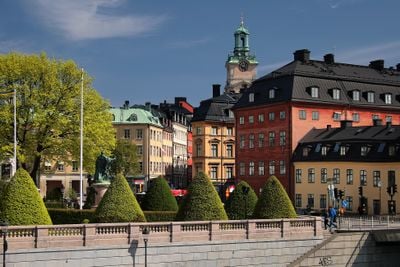
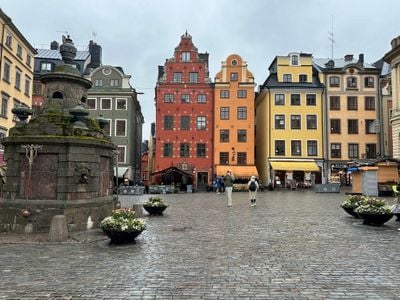
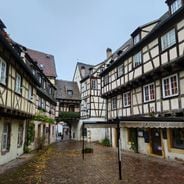
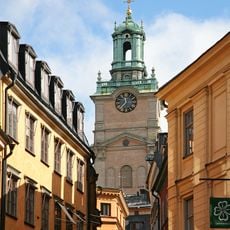
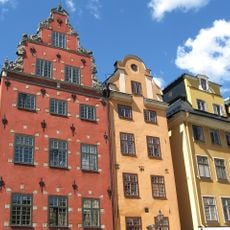
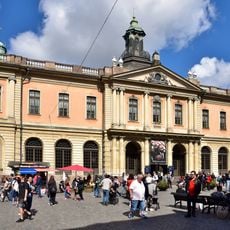
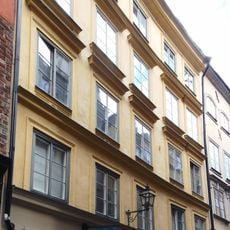
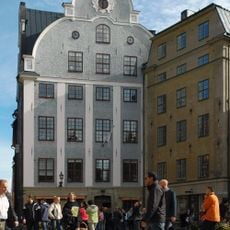
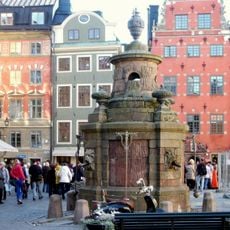
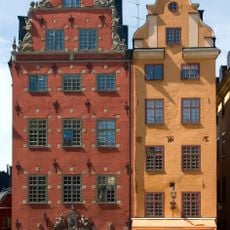
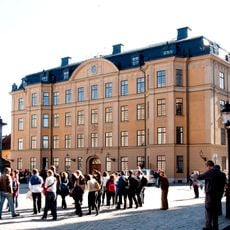
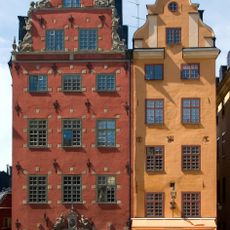
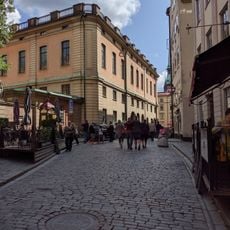
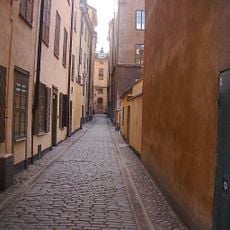
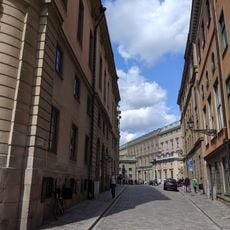
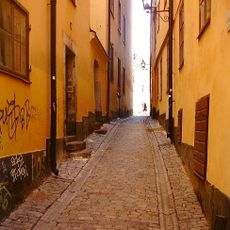
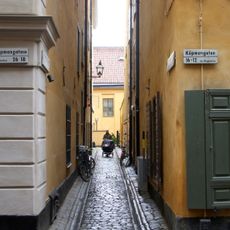
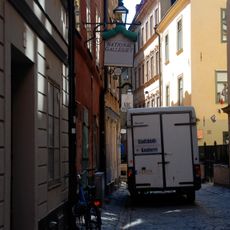
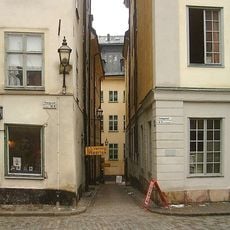
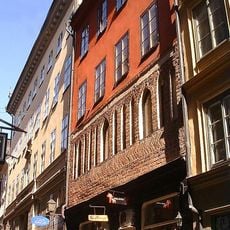
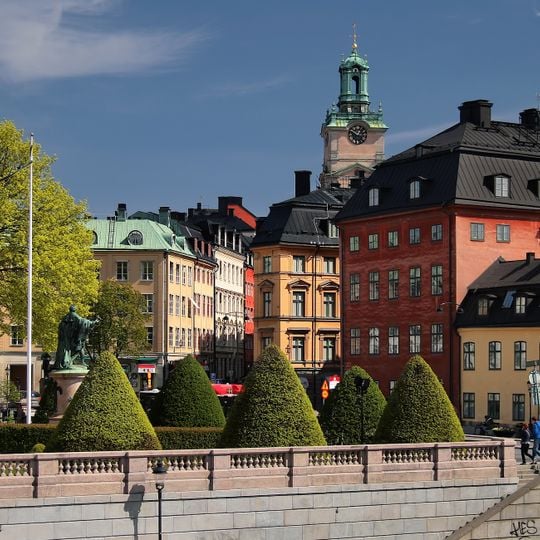
Gamla stan is the medieval core of Stockholm, sitting on Stadsholmen island alongside smaller connected islands that are joined by stone bridges. The quarter consists of winding cobbled streets lined with closely packed buildings, most standing four to five stories tall with colorful facades.
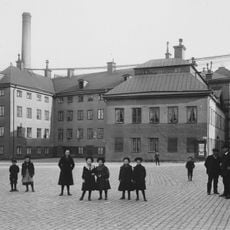
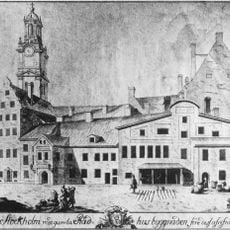
Stockholm was founded on Stadsholmen in the 13th century, protected by a fortress Birger jarl had built as a lock for Lake Mälaren. The town's oldest known street names, Köpmangatan (1323) and Skomakargatan, date from this period. After the Great Fire of 1625, walls were demolished and Stora and Lilla Nygatan were driven straight through the old tangle; Skeppsbron was later laid out as a broad waterfront street.
The Royal Palace anchors daily ceremonies that give rhythm to the quarter's life, and visitors often pause to watch the guard changing. The colorful narrow streets are lined with craft shops and galleries where artisans continue traditional work among the old stone buildings.
The streets are narrow and can get crowded during peak hours, so early mornings or late afternoons work best for a quieter experience. Exploring on foot is the only realistic way around, and with museums and the palace scattered throughout, plan for several hours to see the main sights.
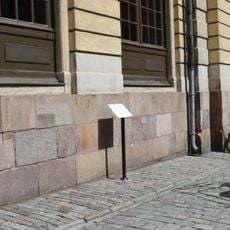
In the courtyard Bollhustäppan behind the Finnish Church, just south of the Royal Palace approach, stands Järnpojken, a small wrought-iron boy made by Liss Eriksson in 1967. The plaque below the figure gives its name, "The Iron Boy", and visitors often leave tiny coins or gifts at its feet.
The community of curious travelers
AroundUs brings together thousands of curated places, local tips, and hidden gems, enriched daily by 93,354 contributors worldwide.