Museum of Medieval Stockholm, History museum on Helgeandsholmen, Stockholm, Sweden
The Museum of Medieval Stockholm was built around three ancient monuments on Helgeandsholmen: a 55-metre stretch of the city wall, the Helgeandshuset churchyard with seven tonnes of skeletons from about 2,800 individuals, and an early 18th-century passage from the Royal Palace. Its 1,750 m² exhibition area held around 850 objects, including the over 20-metre Riddarholmsskeppet. The museum closed in November 2023.
The museum opened in 1986 on Helgeandsholmen, built around remains found in the Riksgropen excavations of 1978–1980, when plans for an underground garage were dropped. It closed under Norrbro in November 2023 after the Riksdag ended its lease, with a future move to Börshuset at Stortorget planned but undated.
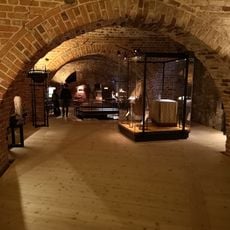
The museum's name comes from its focus on Stockholm between the 1250s and 1520s. Its displays recreated brick houses, market booths, workshops, a harbour and gallows, and in 2010 it marked 800 years since the birth of Birger Jarl, traditionally regarded as the city's founder, with an exhibition featuring a reconstruction of his face.
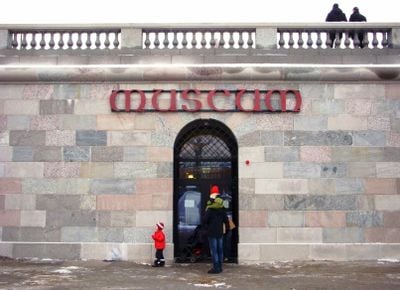
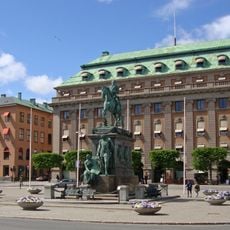
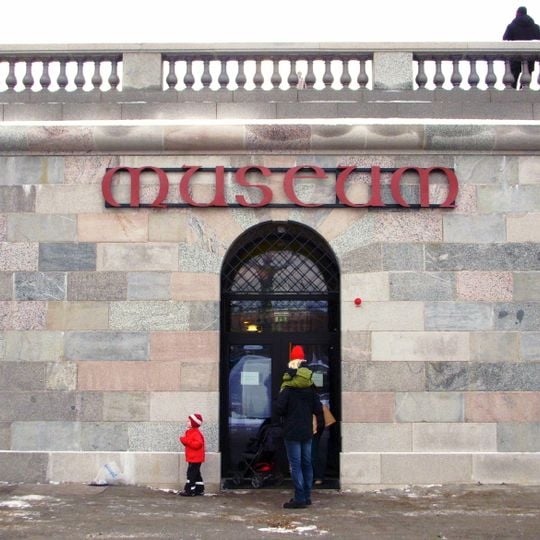
The museum closed its premises under Norrbro on 5 November 2023, after the Riksdag terminated its lease, so there is nothing to visit there now. Until new premises in Börshuset at Stortorget are ready, the museum plans city walks and other events instead. The former entrance lay below Norrbro on Helgeandsholmen, just north of the Royal Palace.
The museum was built around three in-situ ancient monuments: a stretch of Gustav Vasa's city wall from 1530, the Helgeandshuset churchyard with seven tonnes of skeletons from about 2,800 individuals, and an early 18th-century secret passage from the Royal Palace to the court stables on Helgeandsholmen. Its star object, the over 20-metre Riddarholmsskeppet, was found in 1930 during dredging of the Riddarholmen canal.
The community of curious travelers
AroundUs brings together thousands of curated places, local tips, and hidden gems, enriched daily by 93,231 contributors worldwide.