Hofburg Palace, Former Habsburg imperial palace in Innere Stadt, Vienna, Austria
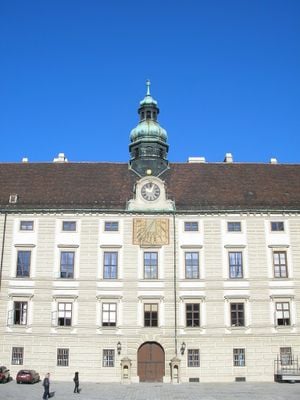
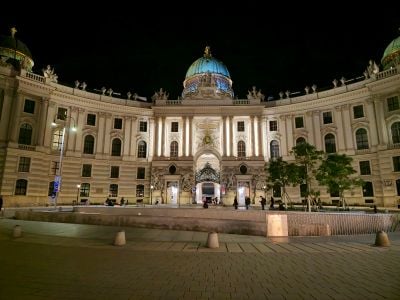
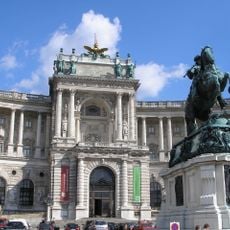
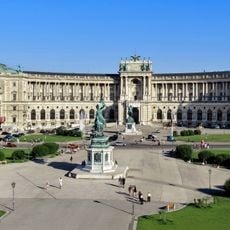
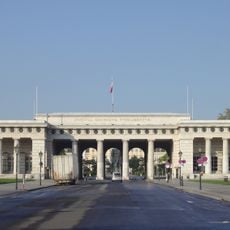
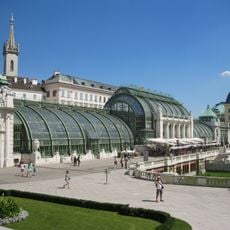
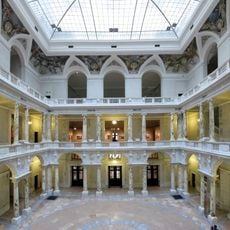
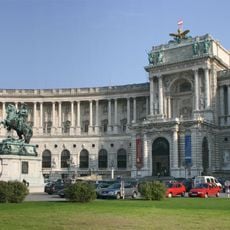
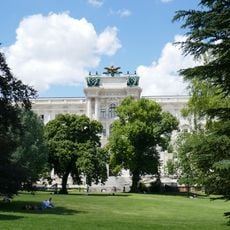
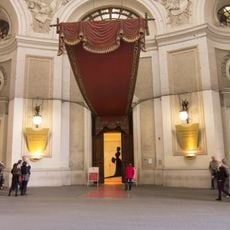
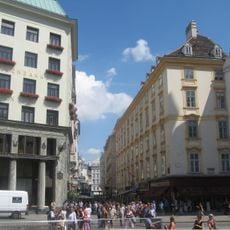
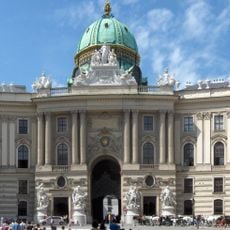
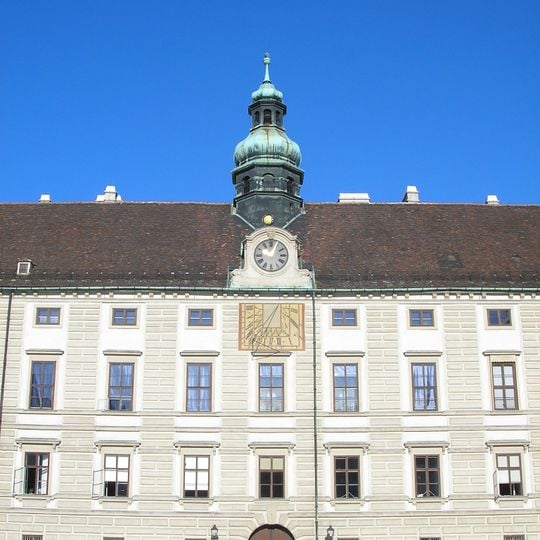
The Hofburg is a palace complex of wings built over roughly seven centuries, from the Gothic Swiss Wing of 1237 to the neo-Baroque Michaelertrakt of 1893 and the Burggartentrakt of 1908. Its pale stone facades, brown tiled roofs and green copper domes enclose courtyards such as the Schweizerhof and Amalienhof. The Neue Burg facade carries a plaque reading "FRANCISCUS JOSEPHUS I, AUSTRIAE IMPERATOR" above its central arch.
Construction began in the first half of the 13th century under the Babenbergs, with Duke Leopold VI said to have laid the foundation stone; the Hofburg was first documented in 1279 under Rudolf I. Ferdinand I moved his main residence here in the mid-16th century and had the Gothic castle rebuilt in Renaissance style. Gottfried Semper and Karl Hasenauer began the Kaiserforum in 1869, but it was abandoned in 1914, leaving the throne-room and Volksgarten wings unbuilt.
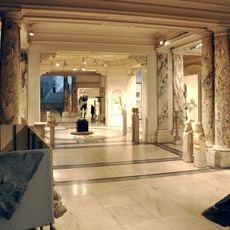
The palace houses several museums and cultural institutions today, including the Spanish Riding School with its famous Lipizzaner horses. Visitors can also explore imperial collections and exhibits dedicated to Empress Elisabeth that bring court life to the present day.
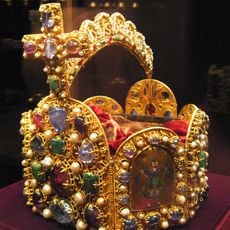
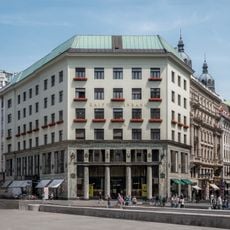
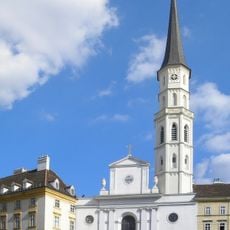
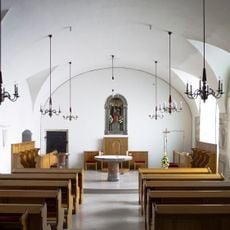
The complex spans four squares: Michaelerplatz, Josefsplatz, Heldenplatz and Ballhausplatz. The Swiss Court, the oldest section, holds the Imperial Treasury and the Burgkapelle, where the Vienna Boys' Choir sings at Sunday mass. The Kaiserforum wings planned by Gottfried Semper and Karl Hasenauer were never completed, so the throne hall wing and the Volksgarten wing are missing.
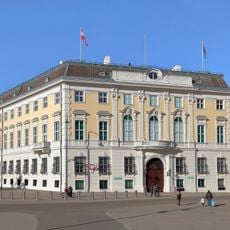
The building continues to serve as the official residence of Austria's Federal President today, while parts remain open to the public. This makes it a rare example of an active government seat that functions as a museum in daily operations.
The community of curious travelers
AroundUs brings together thousands of curated places, local tips, and hidden gems, enriched daily by 93,065 contributors worldwide.