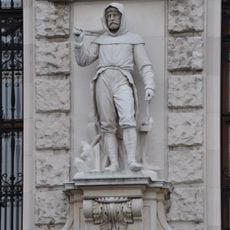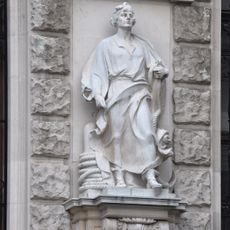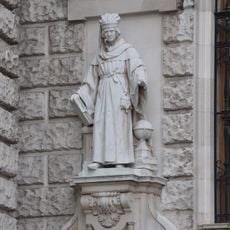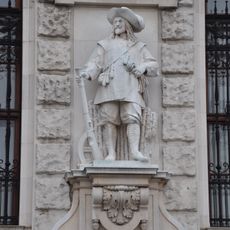
Burggarten, Imperial park in Innere Stadt, Austria
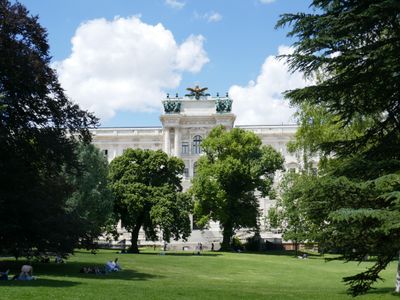
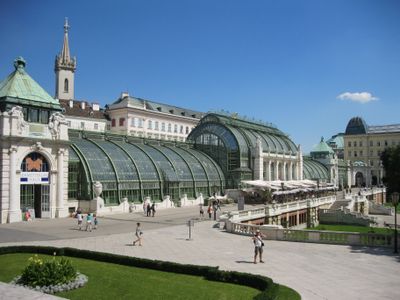
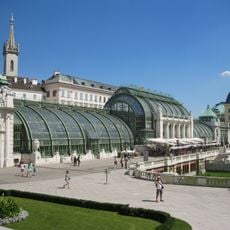
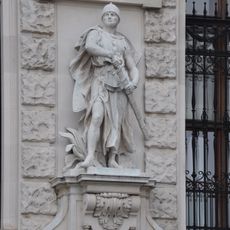
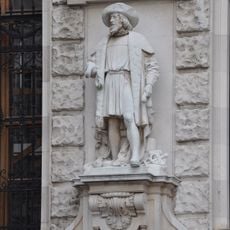
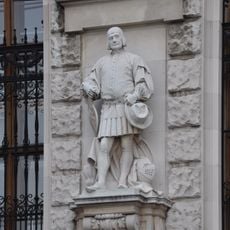
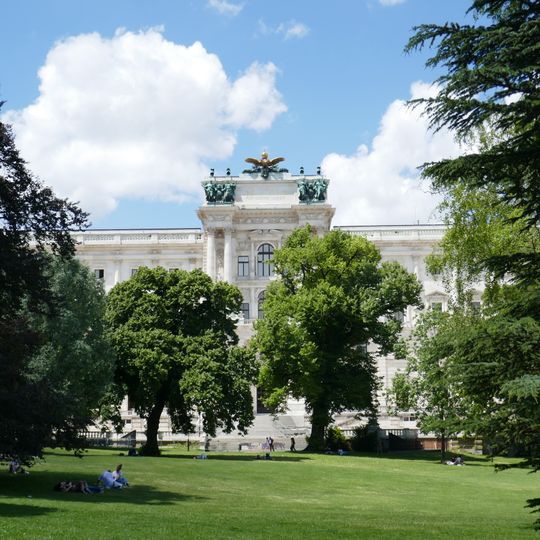
The Burggarten is a park next to Hofburg Palace with paths, trees, and various monuments scattered throughout the grounds. A glass palm house from the early 1900s stands in the garden and houses tropical plants.
The garden was laid out from 1817 to 1821 as the private Kaisergarten of Emperor Franz I, a trained gardener who took part in its planning, on ground behind the Augustinerbastei after the Hornwerkskurtine was moved outward. In 1863 the park was extended toward the Ringstrasse and the pond was created. It opened to the public in 1919 and was renamed Burggarten.
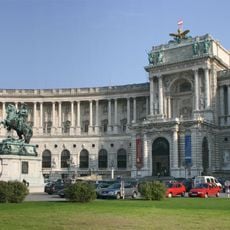
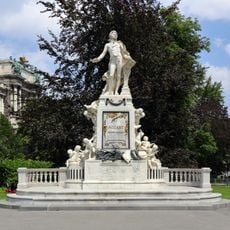
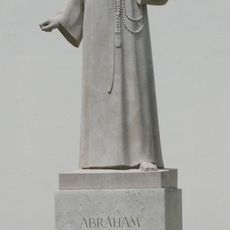
The garden's name refers to the Hofburg palace, not to an emperor. Its oldest sculpture is the lead equestrian monument to Franz Stephan of Lorraine, made in 1781 and moved here in 1819; the Mozart monument arrived from the Albertinaplatz in 1953. Near the Goethegasse stand petrified tree trunks about 280 million years old, brought from the Náchod area of Bohemia.
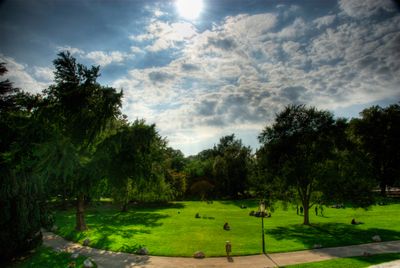
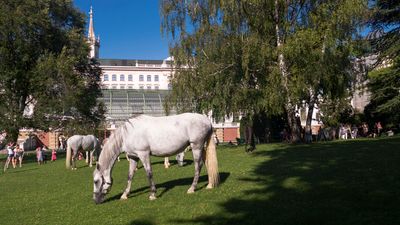
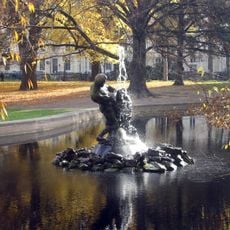
The park lies between the Hofburg and the Ringstrasse, with the glass palm house and its raised terrace on the Augustinerbastei side and the pond with the Hercules fountain at its centre. A paved walkway of light grey slabs crosses level lawns edged by low hedges, so the grounds are easy to traverse on foot. The lawn may be walked and sat on since the 1951 ban was lifted in 2007.
Near the Goethegasse side stand several petrified tree trunks around 280 million years old, brought here from the Náchod area of Bohemia when the garden was laid out. The Hercules fountain figures, made around 1770, came from the Esterházypark in the 6th district and were placed in the pond in 1948.
The community of curious travelers
AroundUs brings together thousands of curated places, local tips, and hidden gems, enriched daily by 94,243 contributors worldwide.