Albertina, Art museum in Innere Stadt, Austria
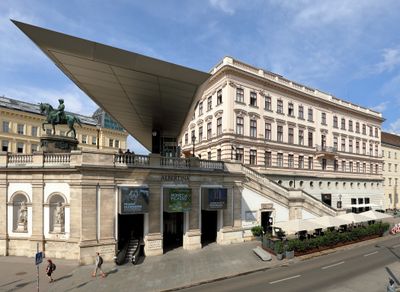
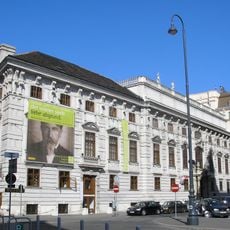
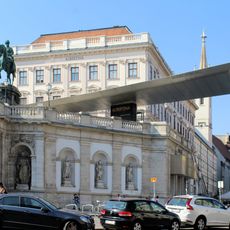
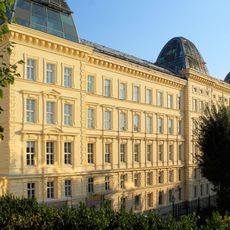
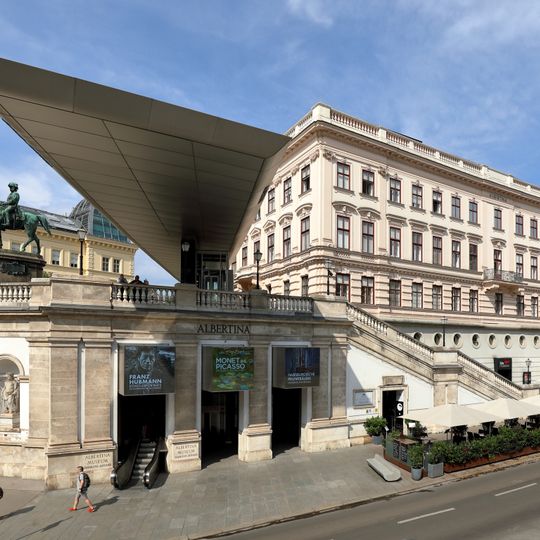
The Albertina occupies the Palais Erzgebirge Albrecht, a Habsburg residence on the Augustinerbastei. Its street front is a pale grey stone block with three arched openings carrying posters, the name ALBERTINA inscribed above them, and a flat canopy projecting to the left; a balustraded terrace sits on top. Behind rises a cream facade with rows of rectangular windows, a projecting cornice and a roofline balustrade. Inside, a fully automated high-bay warehouse stores the graphic holdings.
The collection began in 1776, when Genoese count Giacomo Durazzo gave nearly 1,000 artworks to Duke Albert Casimir and his wife Maria Christina. Albert housed it in the palace on the Augustinian Bastion, gifted to him in 1794, and had Louis Montoyer extend the building. In 1919 the palace and collection passed into state ownership, and in 1921 the building took the name Albertina.
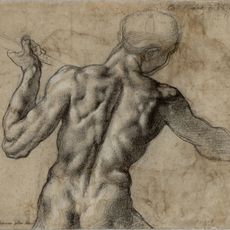
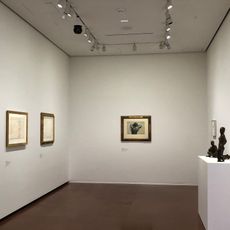
The name comes from Duke Albert of Saxony-Teschen, who kept his personal collection of drawings and prints here. Visitors today walk through halls displaying works by Dürer, Monet and Picasso, while the exhibition rooms host rotating thematic presentations throughout the year.
The entrance block on Albertinaplatz has three arched doorways beneath the "ALBERTINA" inscription, with a flat canopy projecting to the left. The palace stands on the Augustinerbastei, directly against the Hofburg, so the Albertinaplatz side and the terrace above the entrance give the clearest orientation. The 1998–2003 refurbishment and Hans Hollein's 2008 entrance roof reshaped the approach.
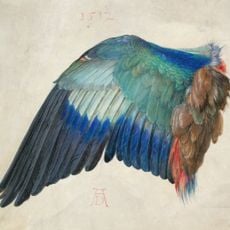
The collection holds the largest number of Dürer works worldwide, including the famous drawing of a young hare from 1502. This drawing ranks among the most recognized nature studies from the Renaissance and appears only occasionally on display to protect it from light damage.
The community of curious travelers
AroundUs brings together thousands of curated places, local tips, and hidden gems, enriched daily by 93,468 contributors worldwide.