See the monuments around you in AROpen chests in the app
Around Us is built for your phone — point your camera at the streets and discover the monuments and places around you in augmented reality.Around Us is built for your phone — chests unlock when you walk, explore and capture nearby places.
What to do in Vienna: cultural visits, vineyards, and historic gardens
This collection guides you through about thirty places around Vienna, between the old town and the forests surrounding the city. You will see the Habsburg palaces, the wooded hills of the Vienna Woods, the banks of the Danube, and small thermal towns like Baden or Mödling. The villages of Grinzing and Nussdorf open their cellars to visitors, in a still lively wine tradition.
The selection includes museums, medieval abbeys, and parks where locals enjoy walking on Sundays. It also covers the heurigen, family-run taverns where local wine is served with cold cuts and cheese in a simple and friendly setting. The route shows how Vienna combines its imperial past with a daily life focused on nature and good food.
What to do in Vienna: cultural visits, vineyards, and historic gardens
This collection guides you through about thirty places around Vienna, between the old town and the forests surrounding the city. You will see the Habsburg palaces, the wooded hills of the Vienna Woods, the banks of the Danube, and small thermal towns like Baden or Mödling. The villages of Grinzing and Nussdorf open their cellars to visitors, in a still lively wine tradition.
The selection includes museums, medieval abbeys, and parks where locals enjoy walking on Sundays. It also covers the heurigen, family-run taverns where local wine is served with cold cuts and cheese in a simple and friendly setting. The route shows how Vienna combines its imperial past with a daily life focused on nature and good food.
The historic center of Vienna is the heart of the city with its medieval streets, squares, and historic buildings. Here you find the most important structures, including St. Stephen's Cathedral and the Hofburg, the former residence of the Habsburgs. Narrow streets pass by grand facades, cozy cafes, and restaurants where you can observe daily Viennese life. This part of the city shows how Vienna preserves its imperial past while remaining a living place where people work, shop, and walk.
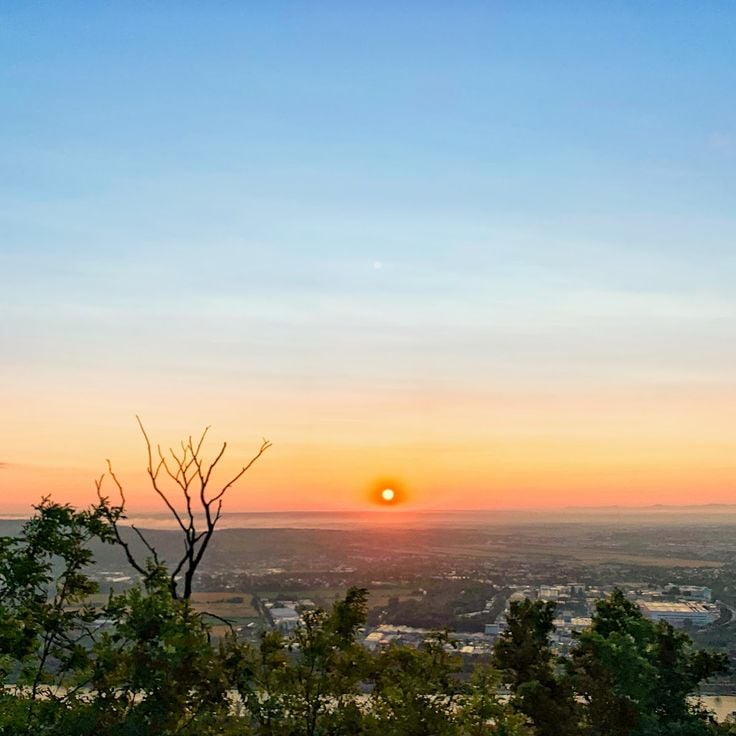
Leopoldsberg is a hill on the right bank of the Danube, crowned by a Baroque church. From the summit, you can see the river curving below and the forests that surround Vienna. On clear days, the view extends across the valley toward distant hills. The church dates back to the Middle Ages but was rebuilt over the centuries. People come here to walk, rest on benches, and take in the landscape. The Danube flows past at the base of the hill, shaping the entire setting.
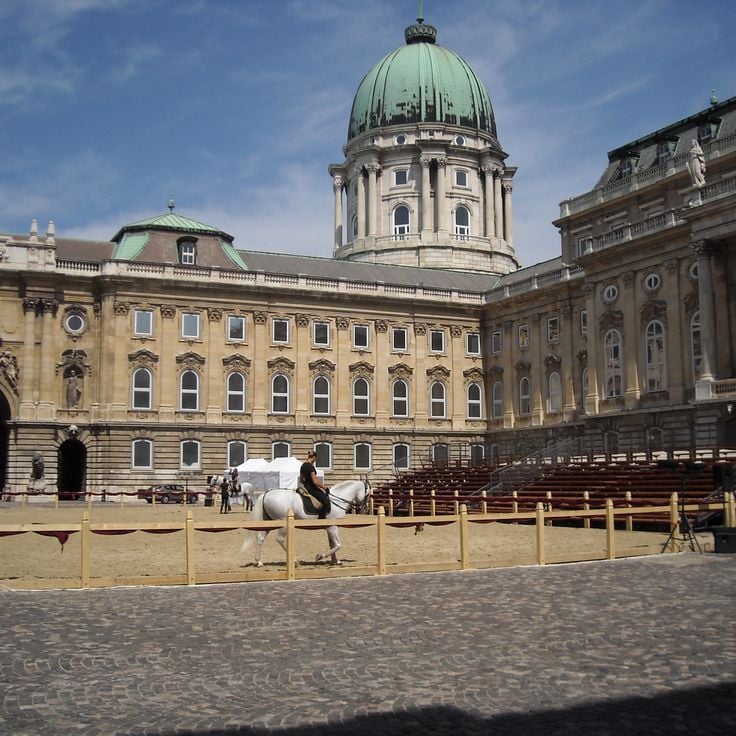
The Hofburg Palace was the winter residence of the Habsburg dynasty and is one of the largest palace complexes in Europe. The building spans several centuries of history and shows how the imperial family lived. Today visitors can walk through the grand rooms where decisions were once made that influenced all of Europe. The palace contains several museums and an extensive collection of artworks and historical objects. The different courtyards and wings tell the story of the empire and its rulers.
The Spanish Riding School is a world-renowned institution where Lipizzaner horses are trained using classical methods passed down through centuries. Visitors can watch the horses during their training sessions and learn about this refined art form. The school plays an important role in Vienna's cultural life and represents a long tradition of horsemanship.
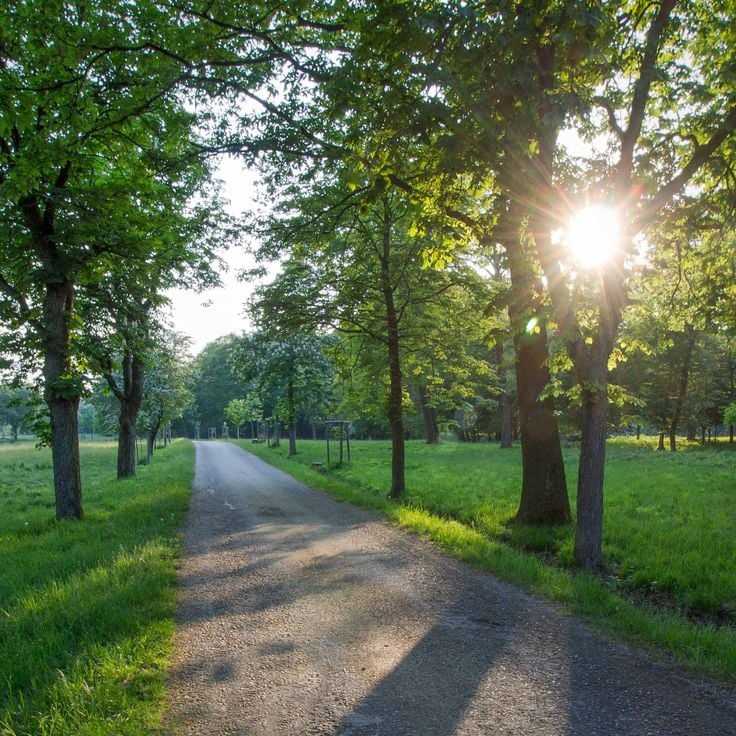
Lainzer Tiergarten is a protected forest on the edge of Vienna that serves as a nature reserve. Here visitors find walking paths through the woods and can watch animals that live in this region. This place fits well with this collection, which shows how Vienna combines its imperial history with life in nature. Many Viennese come here on weekends to walk and escape the city.
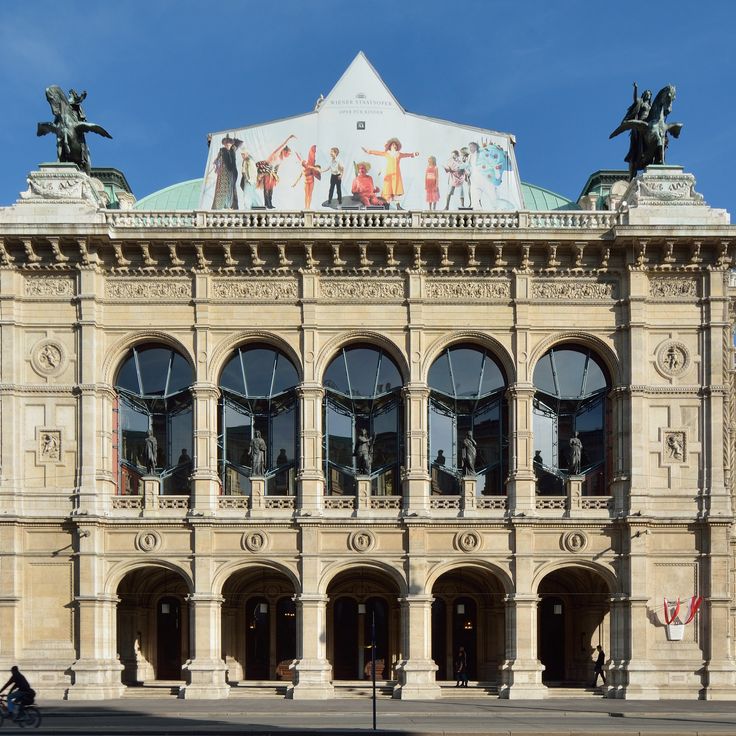
The Vienna State Opera is one of the world's great opera houses, standing on the Ringstrasse. The building shows Italian Renaissance architecture and is a place where you can watch operas and ballets. The facade has columns and arches that look formal. Inside, there are grand rooms with red velvet seats and gold decorations. Many people visit the opera to experience performances that are part of Vienna's cultural life.
Schönbrunn Palace was the summer residence of the Habsburg emperors. This Baroque palace sits in Vienna and is surrounded by large gardens. The palace is part of the world heritage. It shows the power and wealth of the imperial family. The rooms are filled with valuable furniture and artworks. The gardens invite you to walk through them. Many people visit this place to experience history.
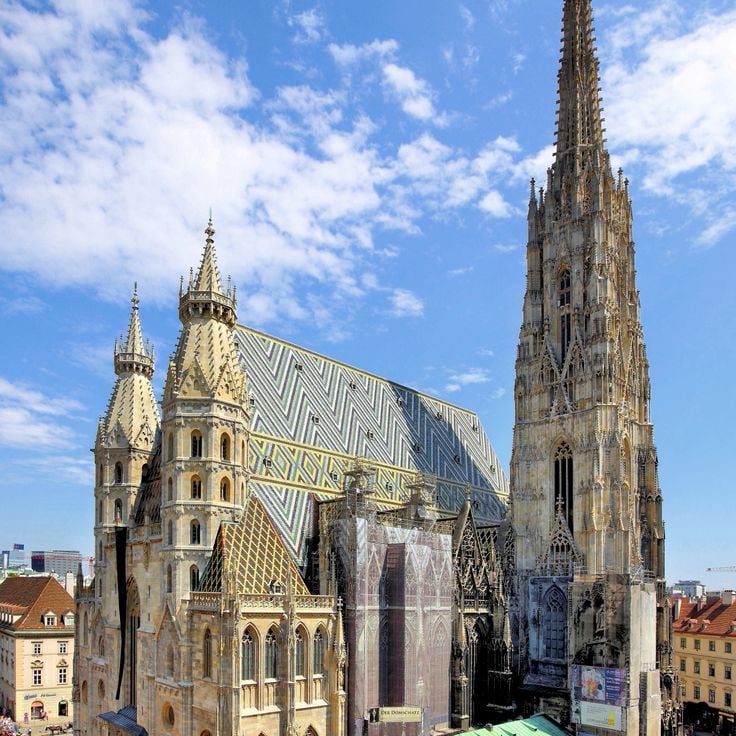
St. Stephen's Cathedral is Vienna's main cathedral and stands in the heart of the old city. The building shows Gothic architecture with a distinctive roof of colorful glazed tiles that you can see from many places around town. The cathedral was built and changed over many centuries. Inside you find altars, artworks, and historical tombs. It is a place where people gather daily to pray or simply to visit. The cathedral shapes Vienna's appearance like few other places.
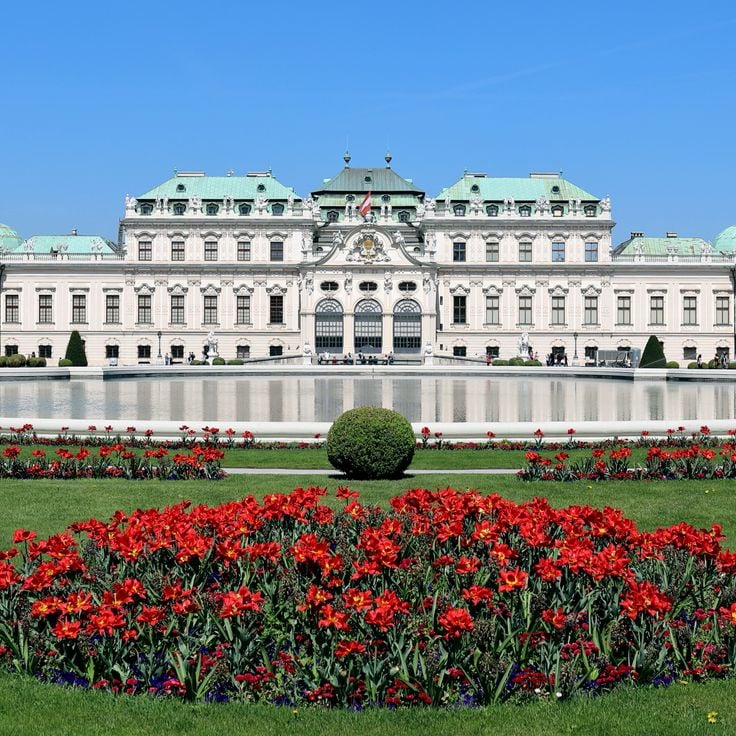
Belvedere Palace is a pair of Baroque buildings set within extensive gardens, located in Vienna. The Upper Belvedere houses a significant art collection showcasing works by Austrian and European artists. Built originally as a summer residence for military leader Prince Eugene of Savoy, it stands today as a center for art and culture. The gardens provide peaceful spaces for walking and reflection. This palace ensemble demonstrates Vienna's role as a cultural hub and former imperial capital.
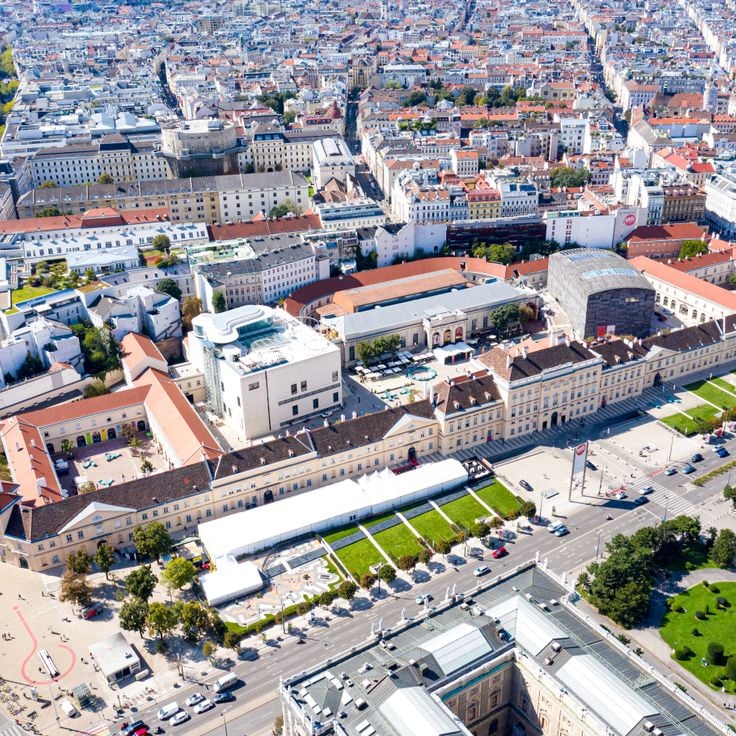
MuseumsQuartier is a large cultural district in Vienna that brings together several modern and contemporary museums around a central courtyard. The space is used by locals and visitors to wander between exhibitions, sit in cafes, or rest on the steps. The architecture combines historic buildings with contemporary structures. Here, art enthusiasts, students, and families meet in an active space where culture and everyday life blend together.
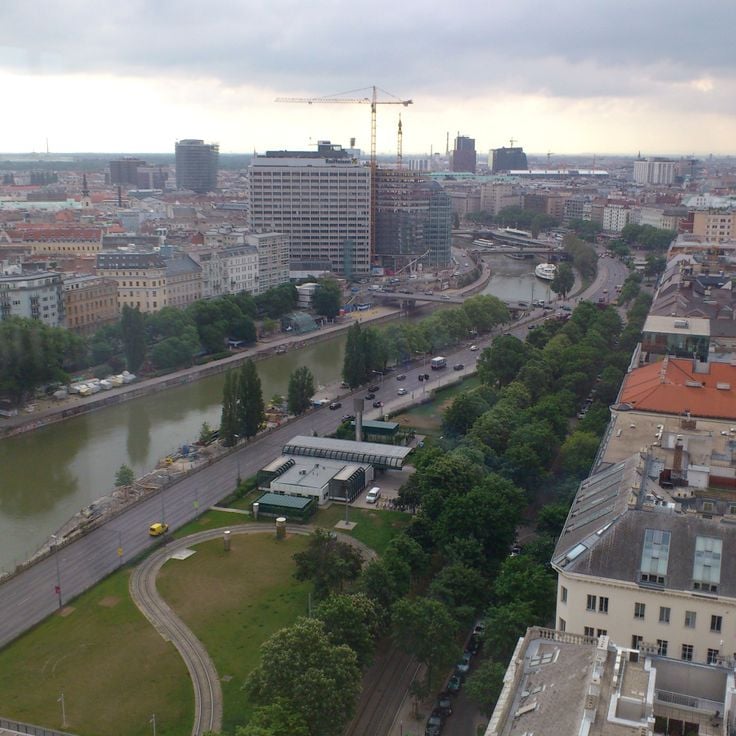
The Donaukanal runs through Vienna's center and serves as a quiet retreat for residents and visitors alike. The banks have been developed with walking paths, benches, and open spaces where people gather to enjoy the water. On warm days, locals come here to relax, have picnics, and watch the flow of the canal. Small cafes and restaurants line the pathways. This waterway connects different neighborhoods and shows how Vienna has woven water into its everyday life and recreation.
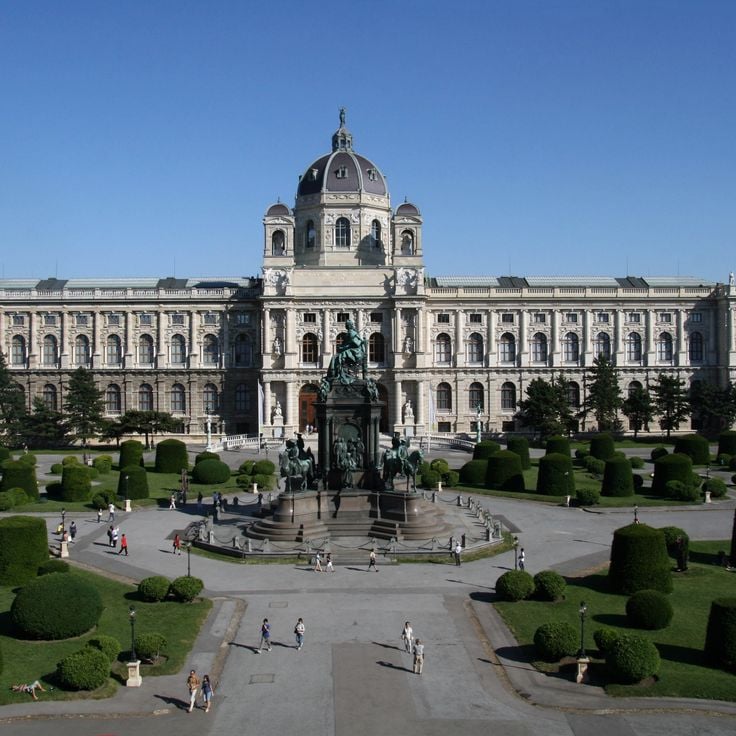
The Museum of Art History in Vienna holds one of the world's most important art collections. Here you will find works spanning from ancient times to the early modern period: Egyptian antiquities, Greek sculptures, Roman coins, and paintings by masters such as Bruegel, Rubens, and Velázquez. The collection was built by the Habsburgs over centuries and reflects their passion for art and culture. The museum itself is an impressive building with splendid halls and staircases that tell the story of Vienna's art collecting history. Visitors can spend hours here exploring the worlds of different times and cultures.
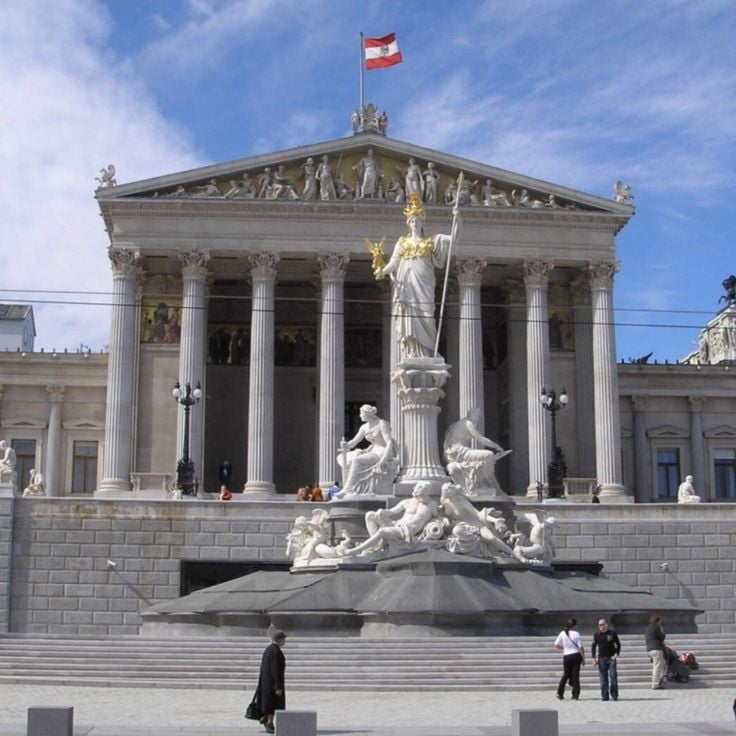
The Austrian Parliament occupies a monumental building with Greco-Roman features in the heart of Vienna. The structure houses the two chambers of the Austrian federal government. The square in front invites visitors to linger, and the building tells the story of the country's political history. You can admire the architecture and learn how Austria is governed. Guided tours offer a chance to see behind the scenes.
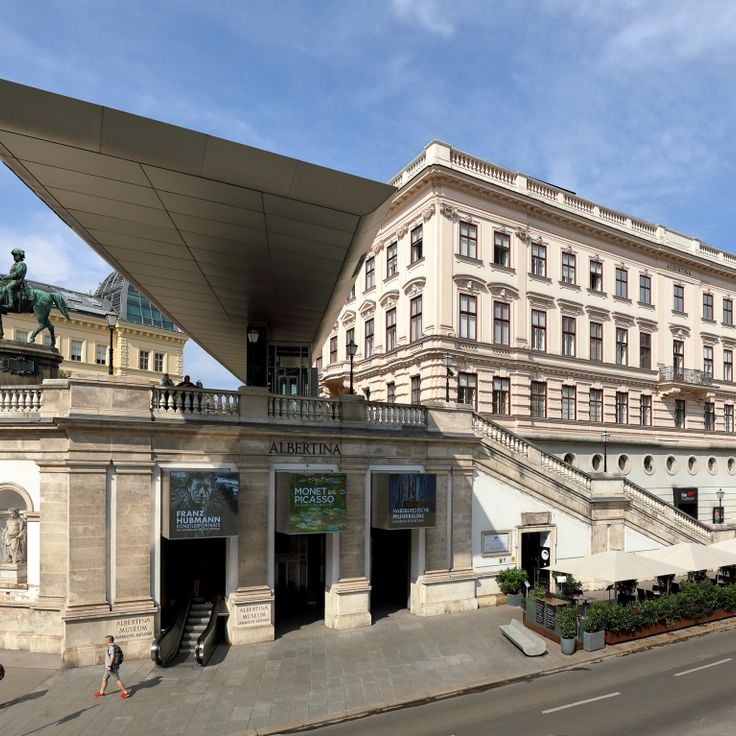
The Albertina Museum contributes to Vienna's cultural offering with a significant collection of prints, drawings, and photographs. The museum sits within a historic palace that itself represents part of Vienna's rich legacy. The collection focuses on art forms that often receive less attention than paintings, yet they deserve equal recognition. Visitors here discover how these artistic practices evolved over centuries and gain insight into how artists worked across different periods.
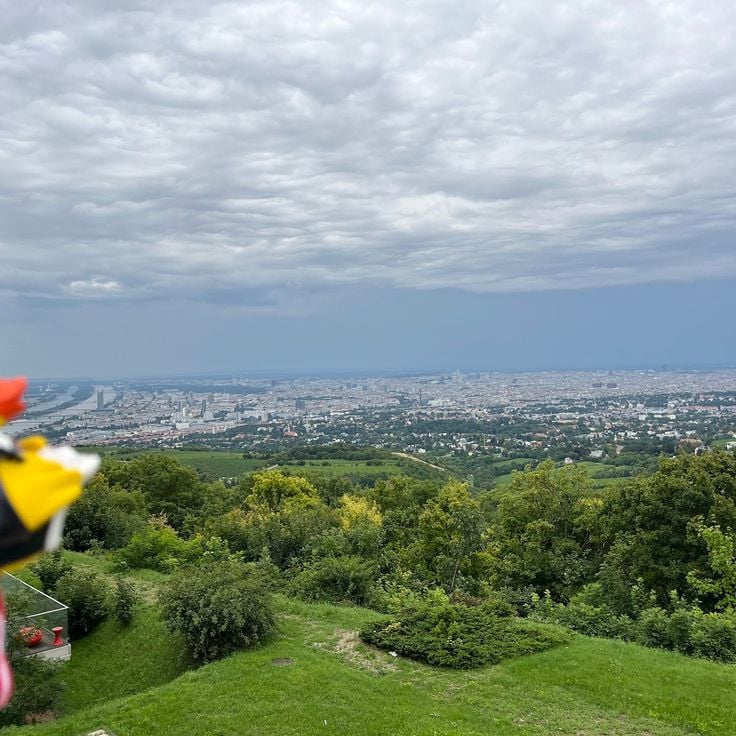
Kahlenberg is a hill that overlooks Vienna and the Danube River. You can reach it by hiking trails or driving. On clear days, the view stretches across the city and the river. Many people from Vienna come here to walk and breathe fresh air. There is a restaurant at the top where you can stop for a meal or a drink.
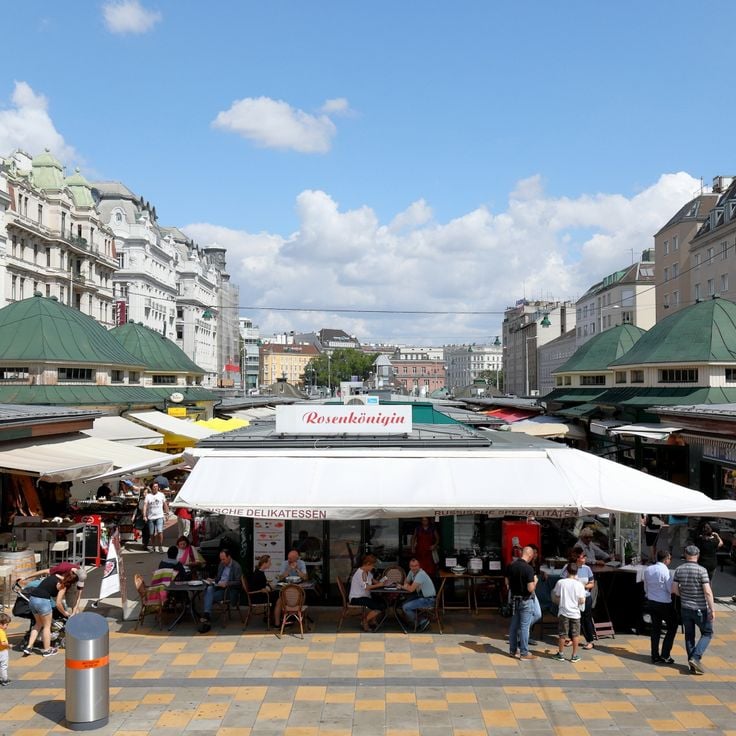
Naschmarkt is Vienna's largest food market and draws residents and visitors every day. Here you find fruit and vegetables from different regions, spices from distant lands, and specialty products from around the world. The market is known for its animated character and the range of goods on offer. On weekends, part of the market transforms into a flea market. Many restaurants and cafes line the edges, where you can sit and soak in the energy of this place.
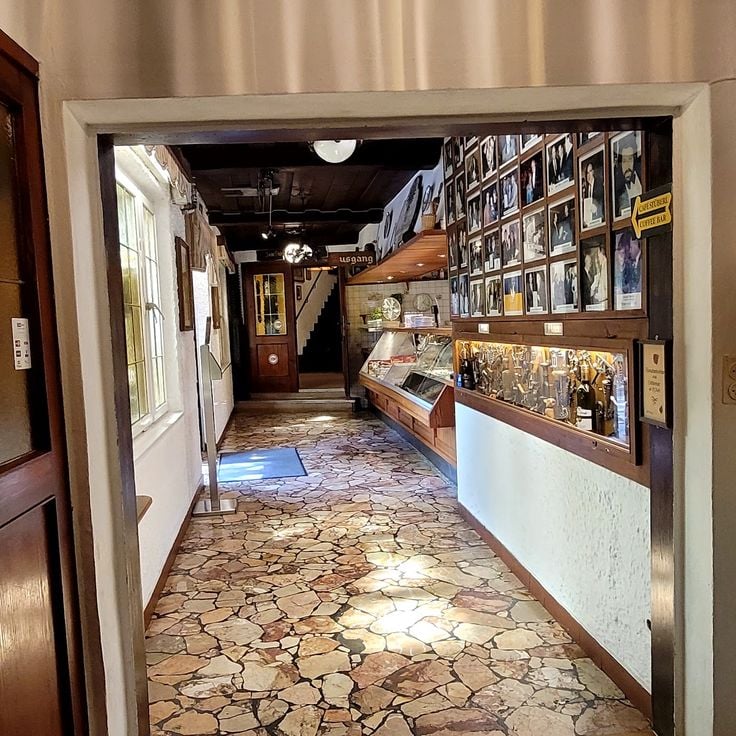
The Heurigen of Grinzing are traditional wine taverns in the wine-growing district of Grinzing, where visitors taste the new local vintage directly from the winemakers. In these relaxed establishments, young wine is served alongside simple charcuterie and cheese. These places are part of local tradition and show how Viennese people spend their Sundays in company. The Heurigen of Grinzing offer a direct glimpse into the unhurried village life that still exists around Vienna, merging the craft of winemaking with casual hospitality.
The Prater is a large park in Vienna with many rides and attractions. The famous Ferris Wheel is the most recognizable landmark of the park. From the top, you can see the entire city. The park is a popular place for walks and fun for families and visitors from around the world. The Prater is part of Viennese life and has been a gathering place for generations.
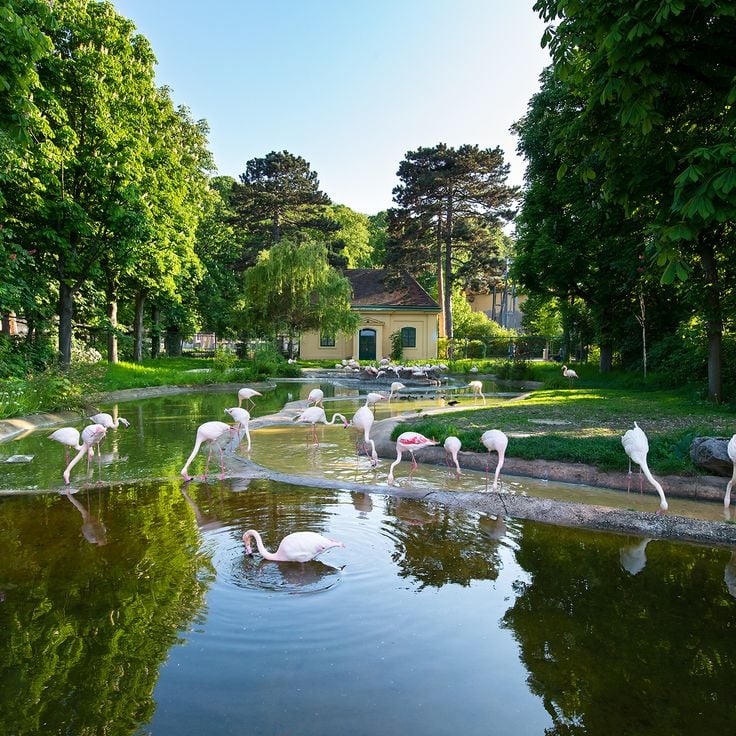
Schönbrunn Zoo is one of the oldest zoos in Europe, located within the gardens of Schönbrunn Palace. It houses a wide variety of animals and serves as a favorite destination for Viennese visitors seeking time in nature. The zoo reflects how Vienna's connection to the natural world extends into its urban spaces.
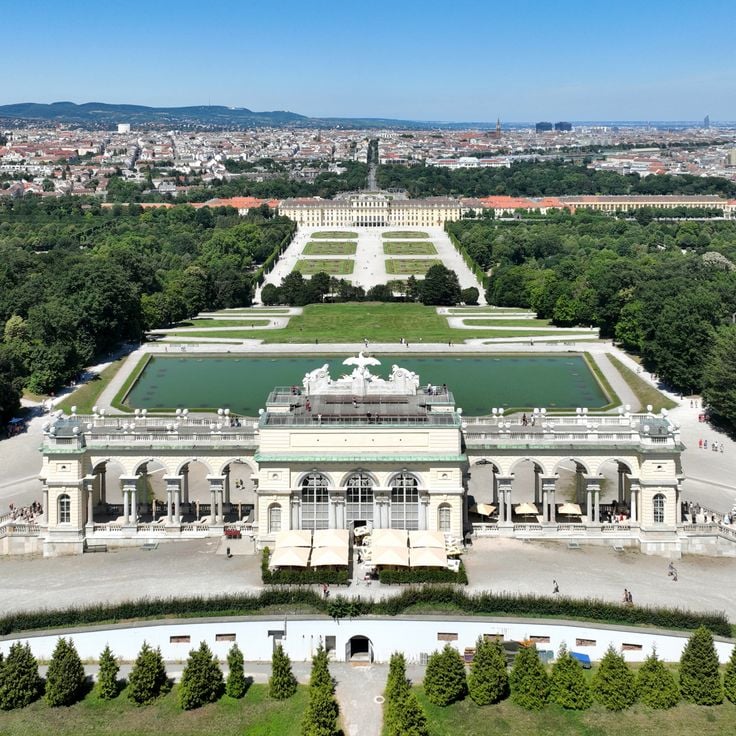
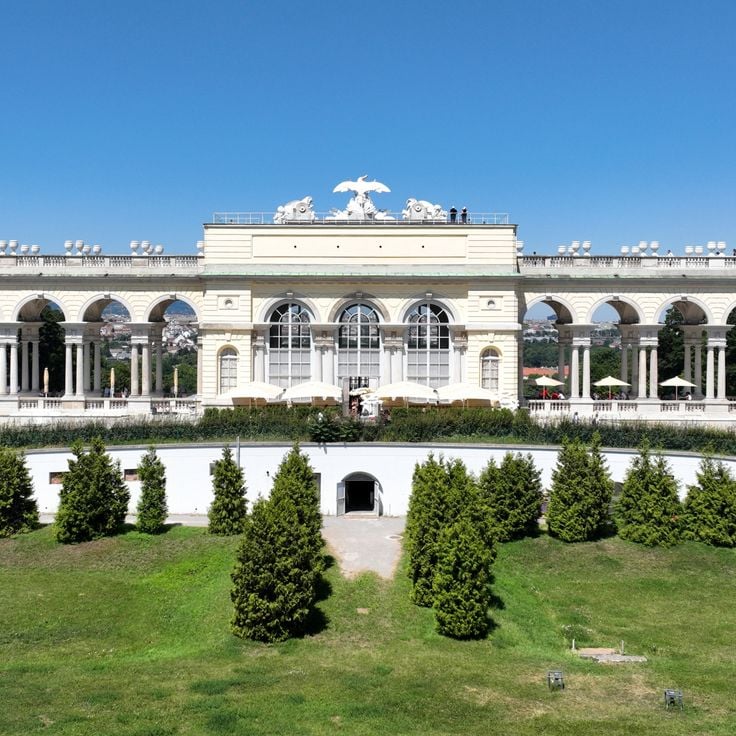
The Gloriette of Schönbrunn is a monumental Baroque building perched on a hilltop within the palace gardens. This distinctive structure with its columns commands views across the entire garden and the city beyond. It was designed as a triumphal archway and remains a symbol of Habsburg imperial power. From this vantage point, visitors can survey the expansive grounds and appreciate the perspective the 18th-century architects intended for this location.
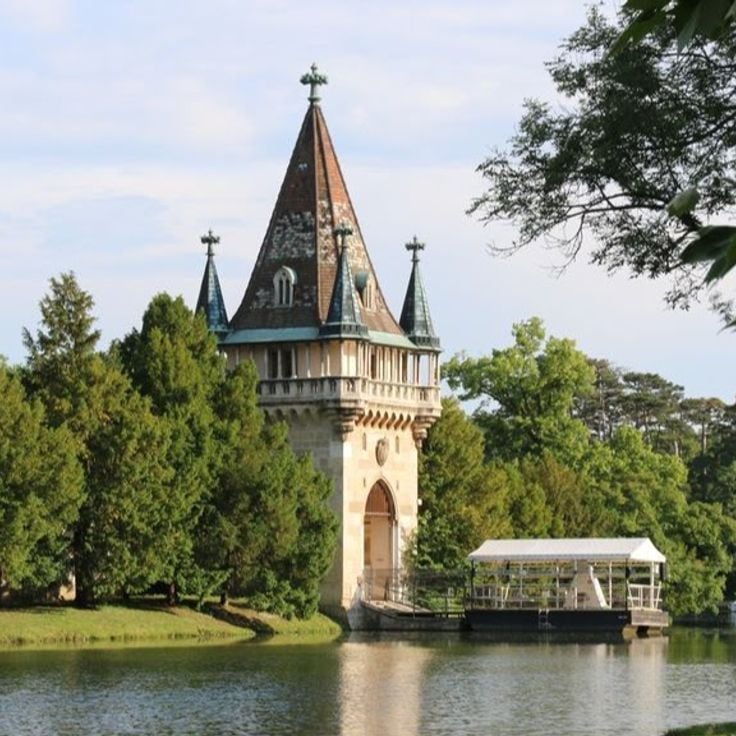
Laxenburg Castle was once a favorite retreat of the imperial family. Today visitors can walk through the large park, explore a lake, and tour the castle's rooms. Located south of Vienna, this place shows how the Habsburgs spent their leisure time. The castle connects imperial history with the nature surrounding Vienna and fits well into a journey that brings together palaces and landscape.
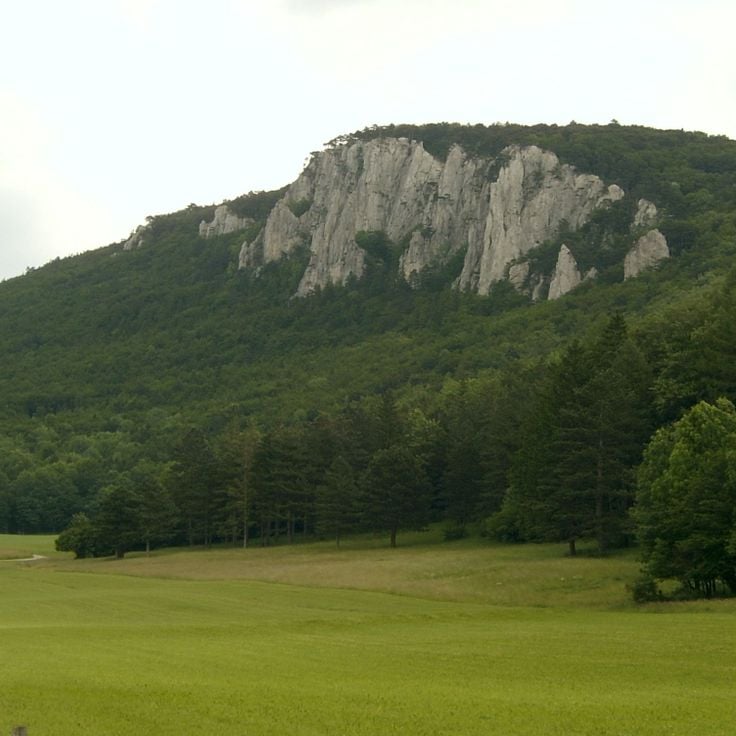
The Wienerwald is a large forest area surrounding Vienna. Here you will find walking trails, small villages, and rural restaurants. Locals come here to escape the city and spend time in nature. The forests are dense and green, with many paths that wind through valleys and over hills. In the small villages, there are cozy inns where you can eat traditional Austrian food.
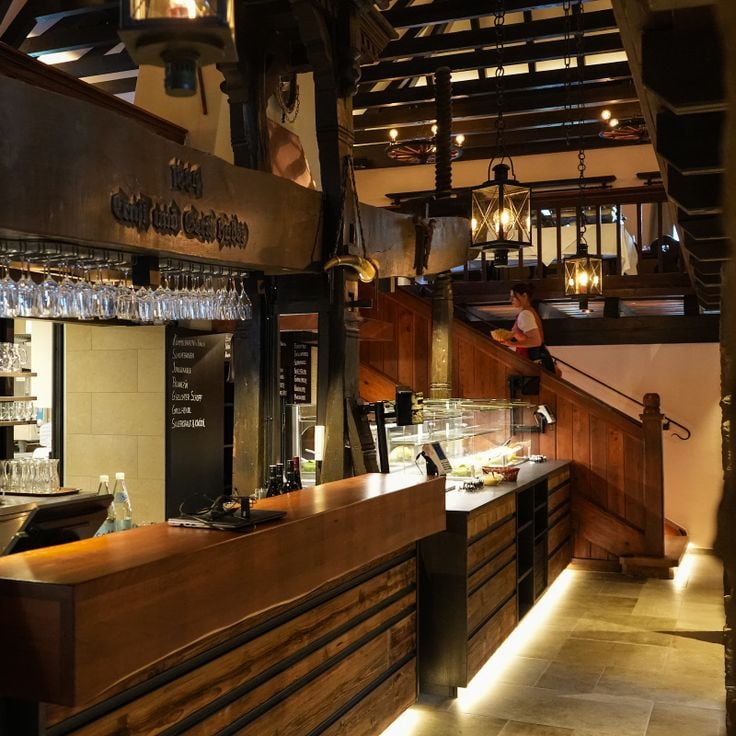
The heurigen of Neustift represents how Vienna maintains its wine-making traditions. These family-run taverns serve the year's new wine alongside cured meats, cheese, and local dishes in a relaxed setting. Vineyards cover the hillsides of this district, and visitors can tour the cellars of local winemakers. The heurigen are gathering places where Viennese come on weekends to spend time with family and friends, embodying how the city blends its imperial heritage with a simple, nature-focused way of life.
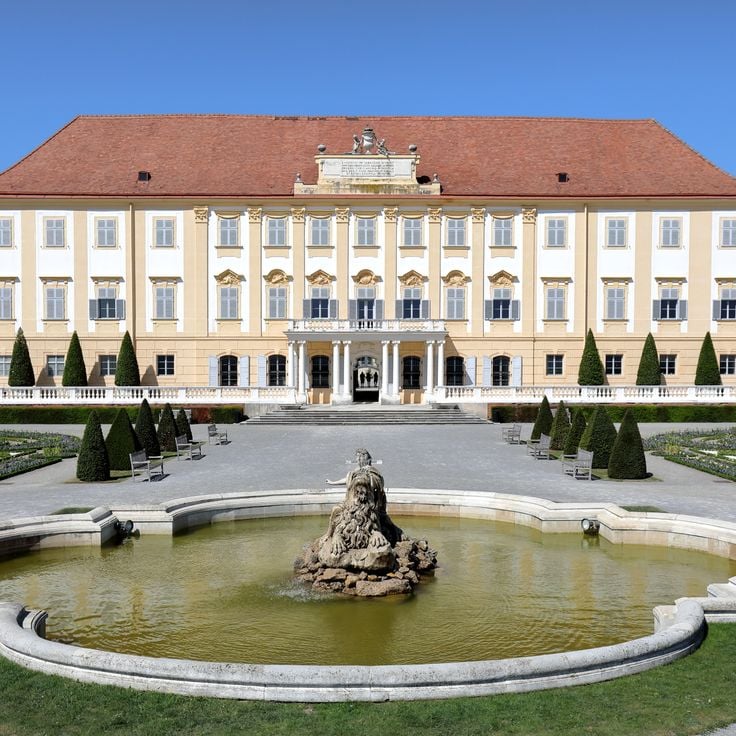
Hof Castle is a Baroque palace in the Marchfeld plain. It was once the seat of an important aristocratic family. The castle displays the architecture and way of life of the nobility in this region. Visitors can explore the rooms of the palace and learn more about the history of this family. The location offers insight into the past of the land.
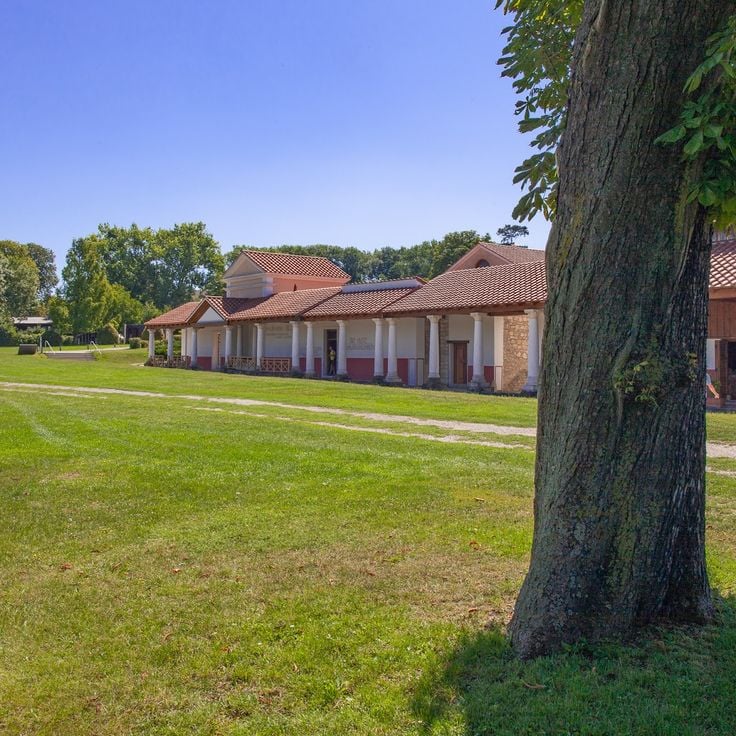
Carnuntum was one of the most important Roman cities in the Vienna region. Here visitors can see the remains of an ancient settlement, including an amphitheater and other archaeological structures. The on-site museum displays objects from Roman times and tells the story of the occupation. Those interested in ancient history will find tangible evidence of Austria's Roman past.
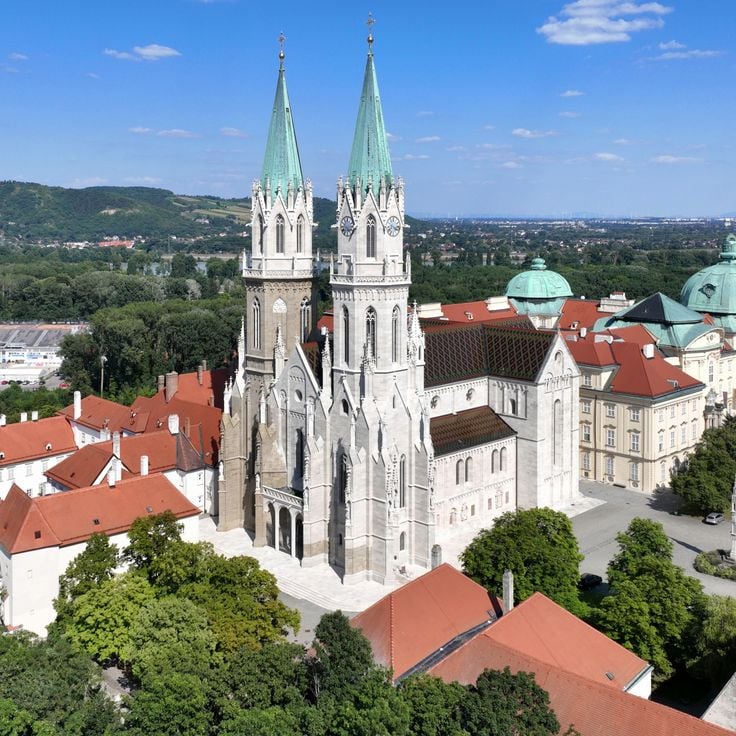
Klosterneuburg Abbey is an Augustinian monastery located north of Vienna on the Danube River. It stands as an important religious site in the region, blending its medieval history with the cultivation of vineyards. The abbey demonstrates how the tradition of winemaking has been connected to monastic life for centuries and shapes the character of the Danube landscape.
The Wiener Gemischter Satz vineyards are urban and suburban wine-growing areas around Vienna, where a traditional local blend of grape varieties has been cultivated for centuries. These vineyards shape the character of Vienna and its surroundings. Winemakers open their cellars to visitors, particularly in villages like Grinzing and Nussdorf, where you can taste the year's wine in a relaxed setting.
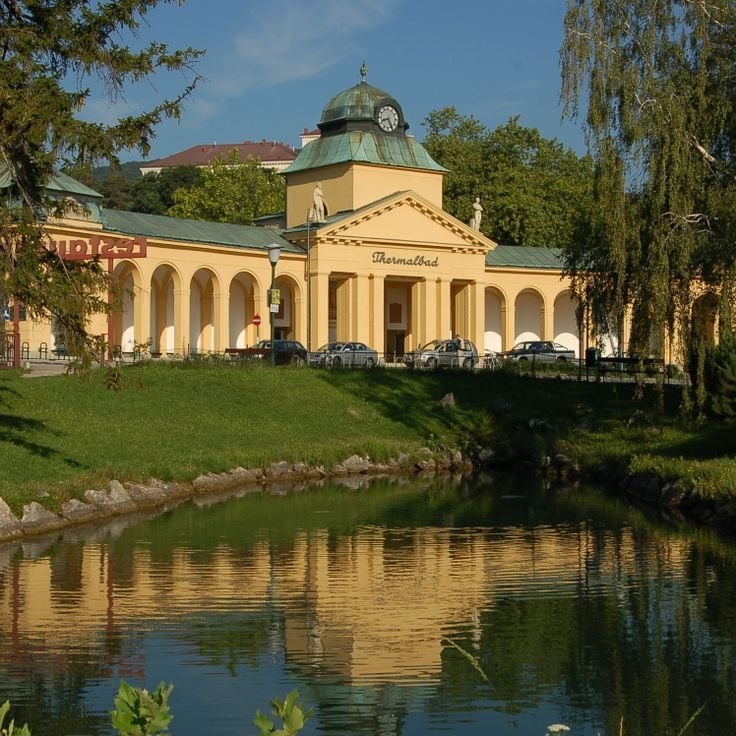
Baden bei Wien is a small thermal spa town near Vienna that has attracted visitors for centuries. The town is known for its hot springs and elegant bathing facilities built in the 19th century. Here guests stroll through well-maintained parks, drink coffee in cafes, and enjoy the relaxed atmosphere of a spa town. Baden fits perfectly into this collection because it shows how the region around Vienna offers more than just history - it is also a place to relax and enjoy nature.
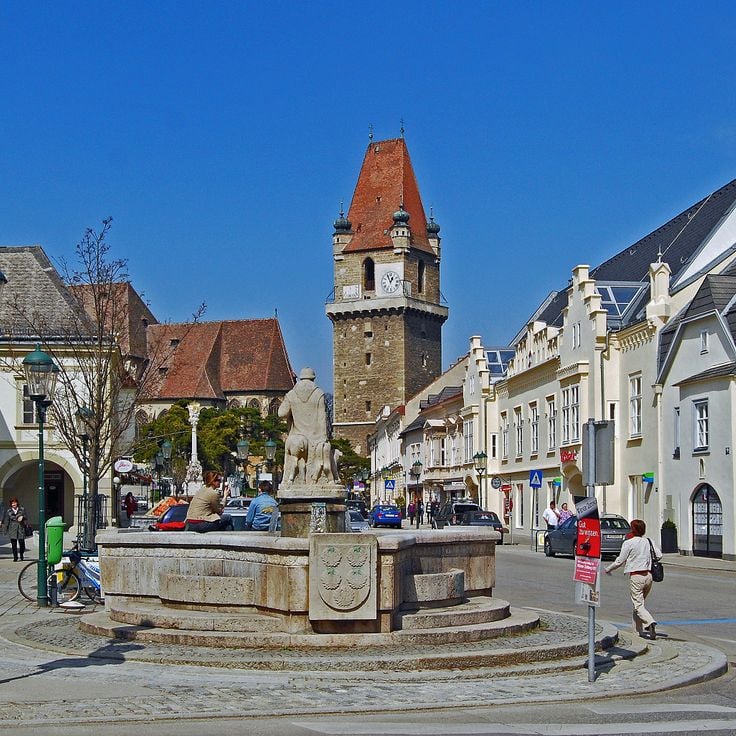
Perchtoldsdorf is a small town south of Vienna with an old town center where buildings from different periods stand close together. The parish church and other historic structures show the long history of this place. Vineyards cover the hills surrounding the town, where winemakers have cultivated grapes for generations. The town is part of the wine region and many visitors come to explore the wine cellars and enjoy the countryside. Perchtoldsdorf brings together the character of a medieval settlement with rural surroundings and the wine culture of the region.
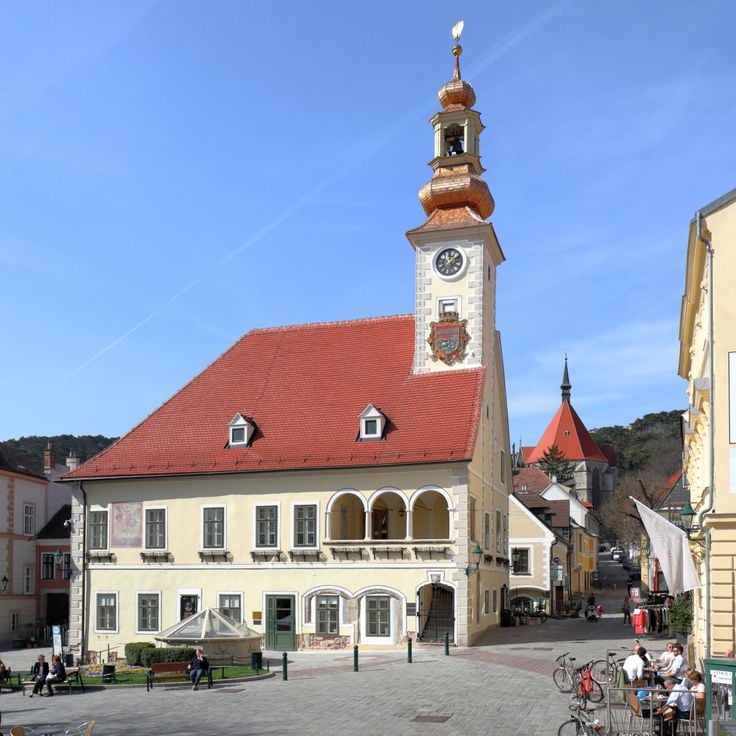
Mödling is a town just south of Vienna, distinguished by its historic old town and its location at the foot of the forested hills of the Wienerwald. The town has long been a popular destination for Viennese visitors who came here to hike and visit local wine taverns. The old town contains old buildings and narrow streets that reflect life from earlier times. Mödling has remained a place where visitors can combine proximity to nature with access to historical sites.
Bad Vöslau is a thermal town south of Vienna where hot springs rise from the earth and have attracted people for centuries. The town sits among vineyards that roll gently down the hillsides. Visitors can soak in the warm waters, walk through the grapevines, and experience the local wine culture. The tradition of winemaking stretches back for generations, and many growers open their cellars to guests. Bad Vöslau combines the pleasure of thermal baths with the taste of wine and the landscape of the region.
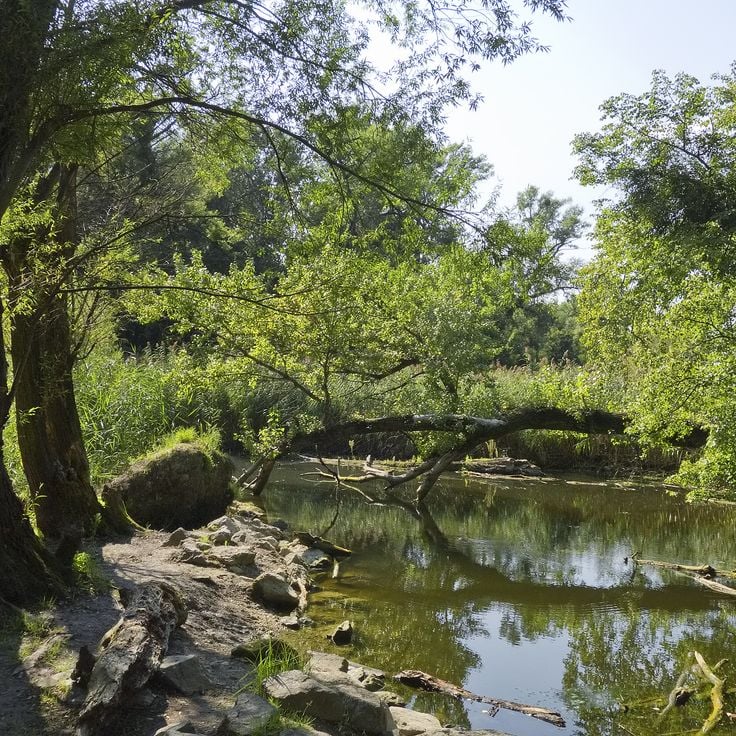
The Danube Promenade north of Vienna is where locals and visitors walk along paths beside the river. You will find swimming spots, green spaces, and views of the water. The promenade connects the city to nature and is part of the area that joins Vienna's imperial heritage with everyday outdoor life.
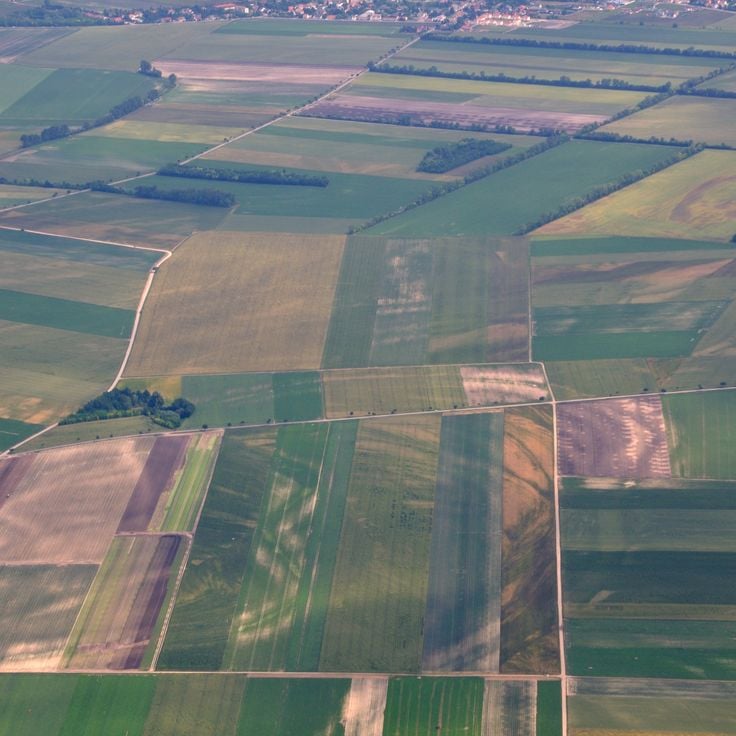
Marchfeld is a region of flat plains with historic farmland and scattered castles. This rural area lies east of Vienna and shows how agriculture has shaped the land for centuries. Small villages and farms blend with open fields. The castles that dot the landscape tell stories of the region's past. Visitors here see how people have lived off the land for generations, far from the city center.
The historic center of Vienna is the heart of the city with its medieval streets, squares, and historic buildings. Here you find the most important structures, including St. Stephen's Cathedral and the Hofburg, the former residence of the Habsburgs. Narrow streets pass by grand facades, cozy cafes, and restaurants where you can observe daily Viennese life. This part of the city shows how Vienna preserves its imperial past while remaining a living place where people work, shop, and walk.
Leopoldsberg is a hill on the right bank of the Danube, crowned by a Baroque church. From the summit, you can see the river curving below and the forests that surround Vienna. On clear days, the view extends across the valley toward distant hills. The church dates back to the Middle Ages but was rebuilt over the centuries. People come here to walk, rest on benches, and take in the landscape. The Danube flows past at the base of the hill, shaping the entire setting.
The Hofburg Palace was the winter residence of the Habsburg dynasty and is one of the largest palace complexes in Europe. The building spans several centuries of history and shows how the imperial family lived. Today visitors can walk through the grand rooms where decisions were once made that influenced all of Europe. The palace contains several museums and an extensive collection of artworks and historical objects. The different courtyards and wings tell the story of the empire and its rulers.
The Spanish Riding School is a world-renowned institution where Lipizzaner horses are trained using classical methods passed down through centuries. Visitors can watch the horses during their training sessions and learn about this refined art form. The school plays an important role in Vienna's cultural life and represents a long tradition of horsemanship.
Lainzer Tiergarten is a protected forest on the edge of Vienna that serves as a nature reserve. Here visitors find walking paths through the woods and can watch animals that live in this region. This place fits well with this collection, which shows how Vienna combines its imperial history with life in nature. Many Viennese come here on weekends to walk and escape the city.
The Vienna State Opera is one of the world's great opera houses, standing on the Ringstrasse. The building shows Italian Renaissance architecture and is a place where you can watch operas and ballets. The facade has columns and arches that look formal. Inside, there are grand rooms with red velvet seats and gold decorations. Many people visit the opera to experience performances that are part of Vienna's cultural life.
Schönbrunn Palace was the summer residence of the Habsburg emperors. This Baroque palace sits in Vienna and is surrounded by large gardens. The palace is part of the world heritage. It shows the power and wealth of the imperial family. The rooms are filled with valuable furniture and artworks. The gardens invite you to walk through them. Many people visit this place to experience history.
St. Stephen's Cathedral is Vienna's main cathedral and stands in the heart of the old city. The building shows Gothic architecture with a distinctive roof of colorful glazed tiles that you can see from many places around town. The cathedral was built and changed over many centuries. Inside you find altars, artworks, and historical tombs. It is a place where people gather daily to pray or simply to visit. The cathedral shapes Vienna's appearance like few other places.
Belvedere Palace is a pair of Baroque buildings set within extensive gardens, located in Vienna. The Upper Belvedere houses a significant art collection showcasing works by Austrian and European artists. Built originally as a summer residence for military leader Prince Eugene of Savoy, it stands today as a center for art and culture. The gardens provide peaceful spaces for walking and reflection. This palace ensemble demonstrates Vienna's role as a cultural hub and former imperial capital.
MuseumsQuartier is a large cultural district in Vienna that brings together several modern and contemporary museums around a central courtyard. The space is used by locals and visitors to wander between exhibitions, sit in cafes, or rest on the steps. The architecture combines historic buildings with contemporary structures. Here, art enthusiasts, students, and families meet in an active space where culture and everyday life blend together.
The Donaukanal runs through Vienna's center and serves as a quiet retreat for residents and visitors alike. The banks have been developed with walking paths, benches, and open spaces where people gather to enjoy the water. On warm days, locals come here to relax, have picnics, and watch the flow of the canal. Small cafes and restaurants line the pathways. This waterway connects different neighborhoods and shows how Vienna has woven water into its everyday life and recreation.
The Museum of Art History in Vienna holds one of the world's most important art collections. Here you will find works spanning from ancient times to the early modern period: Egyptian antiquities, Greek sculptures, Roman coins, and paintings by masters such as Bruegel, Rubens, and Velázquez. The collection was built by the Habsburgs over centuries and reflects their passion for art and culture. The museum itself is an impressive building with splendid halls and staircases that tell the story of Vienna's art collecting history. Visitors can spend hours here exploring the worlds of different times and cultures.
The Austrian Parliament occupies a monumental building with Greco-Roman features in the heart of Vienna. The structure houses the two chambers of the Austrian federal government. The square in front invites visitors to linger, and the building tells the story of the country's political history. You can admire the architecture and learn how Austria is governed. Guided tours offer a chance to see behind the scenes.
The Albertina Museum contributes to Vienna's cultural offering with a significant collection of prints, drawings, and photographs. The museum sits within a historic palace that itself represents part of Vienna's rich legacy. The collection focuses on art forms that often receive less attention than paintings, yet they deserve equal recognition. Visitors here discover how these artistic practices evolved over centuries and gain insight into how artists worked across different periods.
Kahlenberg is a hill that overlooks Vienna and the Danube River. You can reach it by hiking trails or driving. On clear days, the view stretches across the city and the river. Many people from Vienna come here to walk and breathe fresh air. There is a restaurant at the top where you can stop for a meal or a drink.
Naschmarkt is Vienna's largest food market and draws residents and visitors every day. Here you find fruit and vegetables from different regions, spices from distant lands, and specialty products from around the world. The market is known for its animated character and the range of goods on offer. On weekends, part of the market transforms into a flea market. Many restaurants and cafes line the edges, where you can sit and soak in the energy of this place.
The Heurigen of Grinzing are traditional wine taverns in the wine-growing district of Grinzing, where visitors taste the new local vintage directly from the winemakers. In these relaxed establishments, young wine is served alongside simple charcuterie and cheese. These places are part of local tradition and show how Viennese people spend their Sundays in company. The Heurigen of Grinzing offer a direct glimpse into the unhurried village life that still exists around Vienna, merging the craft of winemaking with casual hospitality.
The Prater is a large park in Vienna with many rides and attractions. The famous Ferris Wheel is the most recognizable landmark of the park. From the top, you can see the entire city. The park is a popular place for walks and fun for families and visitors from around the world. The Prater is part of Viennese life and has been a gathering place for generations.
Schönbrunn Zoo is one of the oldest zoos in Europe, located within the gardens of Schönbrunn Palace. It houses a wide variety of animals and serves as a favorite destination for Viennese visitors seeking time in nature. The zoo reflects how Vienna's connection to the natural world extends into its urban spaces.
The Gloriette of Schönbrunn is a monumental Baroque building perched on a hilltop within the palace gardens. This distinctive structure with its columns commands views across the entire garden and the city beyond. It was designed as a triumphal archway and remains a symbol of Habsburg imperial power. From this vantage point, visitors can survey the expansive grounds and appreciate the perspective the 18th-century architects intended for this location.
Laxenburg Castle was once a favorite retreat of the imperial family. Today visitors can walk through the large park, explore a lake, and tour the castle's rooms. Located south of Vienna, this place shows how the Habsburgs spent their leisure time. The castle connects imperial history with the nature surrounding Vienna and fits well into a journey that brings together palaces and landscape.
The Wienerwald is a large forest area surrounding Vienna. Here you will find walking trails, small villages, and rural restaurants. Locals come here to escape the city and spend time in nature. The forests are dense and green, with many paths that wind through valleys and over hills. In the small villages, there are cozy inns where you can eat traditional Austrian food.
The heurigen of Neustift represents how Vienna maintains its wine-making traditions. These family-run taverns serve the year's new wine alongside cured meats, cheese, and local dishes in a relaxed setting. Vineyards cover the hillsides of this district, and visitors can tour the cellars of local winemakers. The heurigen are gathering places where Viennese come on weekends to spend time with family and friends, embodying how the city blends its imperial heritage with a simple, nature-focused way of life.
Hof Castle is a Baroque palace in the Marchfeld plain. It was once the seat of an important aristocratic family. The castle displays the architecture and way of life of the nobility in this region. Visitors can explore the rooms of the palace and learn more about the history of this family. The location offers insight into the past of the land.
Carnuntum was one of the most important Roman cities in the Vienna region. Here visitors can see the remains of an ancient settlement, including an amphitheater and other archaeological structures. The on-site museum displays objects from Roman times and tells the story of the occupation. Those interested in ancient history will find tangible evidence of Austria's Roman past.
Klosterneuburg Abbey is an Augustinian monastery located north of Vienna on the Danube River. It stands as an important religious site in the region, blending its medieval history with the cultivation of vineyards. The abbey demonstrates how the tradition of winemaking has been connected to monastic life for centuries and shapes the character of the Danube landscape.
The Wiener Gemischter Satz vineyards are urban and suburban wine-growing areas around Vienna, where a traditional local blend of grape varieties has been cultivated for centuries. These vineyards shape the character of Vienna and its surroundings. Winemakers open their cellars to visitors, particularly in villages like Grinzing and Nussdorf, where you can taste the year's wine in a relaxed setting.
Baden bei Wien is a small thermal spa town near Vienna that has attracted visitors for centuries. The town is known for its hot springs and elegant bathing facilities built in the 19th century. Here guests stroll through well-maintained parks, drink coffee in cafes, and enjoy the relaxed atmosphere of a spa town. Baden fits perfectly into this collection because it shows how the region around Vienna offers more than just history - it is also a place to relax and enjoy nature.
Perchtoldsdorf is a small town south of Vienna with an old town center where buildings from different periods stand close together. The parish church and other historic structures show the long history of this place. Vineyards cover the hills surrounding the town, where winemakers have cultivated grapes for generations. The town is part of the wine region and many visitors come to explore the wine cellars and enjoy the countryside. Perchtoldsdorf brings together the character of a medieval settlement with rural surroundings and the wine culture of the region.
Mödling is a town just south of Vienna, distinguished by its historic old town and its location at the foot of the forested hills of the Wienerwald. The town has long been a popular destination for Viennese visitors who came here to hike and visit local wine taverns. The old town contains old buildings and narrow streets that reflect life from earlier times. Mödling has remained a place where visitors can combine proximity to nature with access to historical sites.
Bad Vöslau is a thermal town south of Vienna where hot springs rise from the earth and have attracted people for centuries. The town sits among vineyards that roll gently down the hillsides. Visitors can soak in the warm waters, walk through the grapevines, and experience the local wine culture. The tradition of winemaking stretches back for generations, and many growers open their cellars to guests. Bad Vöslau combines the pleasure of thermal baths with the taste of wine and the landscape of the region.
The Danube Promenade north of Vienna is where locals and visitors walk along paths beside the river. You will find swimming spots, green spaces, and views of the water. The promenade connects the city to nature and is part of the area that joins Vienna's imperial heritage with everyday outdoor life.
Marchfeld is a region of flat plains with historic farmland and scattered castles. This rural area lies east of Vienna and shows how agriculture has shaped the land for centuries. Small villages and farms blend with open fields. The castles that dot the landscape tell stories of the region's past. Visitors here see how people have lived off the land for generations, far from the city center.
The historic center of Vienna is the heart of the city with its medieval streets, squares, and historic buildings. Here you find the most important structures, including St. Stephen's Cathedral and the Hofburg, the former residence of the Habsburgs. Narrow streets pass by grand facades, cozy cafes, and restaurants where you can observe daily Viennese life. This part of the city shows how Vienna preserves its imperial past while remaining a living place where people work, shop, and walk.
Leopoldsberg is a hill on the right bank of the Danube, crowned by a Baroque church. From the summit, you can see the river curving below and the forests that surround Vienna. On clear days, the view extends across the valley toward distant hills. The church dates back to the Middle Ages but was rebuilt over the centuries. People come here to walk, rest on benches, and take in the landscape. The Danube flows past at the base of the hill, shaping the entire setting.
The Hofburg Palace was the winter residence of the Habsburg dynasty and is one of the largest palace complexes in Europe. The building spans several centuries of history and shows how the imperial family lived. Today visitors can walk through the grand rooms where decisions were once made that influenced all of Europe. The palace contains several museums and an extensive collection of artworks and historical objects. The different courtyards and wings tell the story of the empire and its rulers.
The Spanish Riding School is a world-renowned institution where Lipizzaner horses are trained using classical methods passed down through centuries. Visitors can watch the horses during their training sessions and learn about this refined art form. The school plays an important role in Vienna's cultural life and represents a long tradition of horsemanship.
Lainzer Tiergarten is a protected forest on the edge of Vienna that serves as a nature reserve. Here visitors find walking paths through the woods and can watch animals that live in this region. This place fits well with this collection, which shows how Vienna combines its imperial history with life in nature. Many Viennese come here on weekends to walk and escape the city.
The Vienna State Opera is one of the world's great opera houses, standing on the Ringstrasse. The building shows Italian Renaissance architecture and is a place where you can watch operas and ballets. The facade has columns and arches that look formal. Inside, there are grand rooms with red velvet seats and gold decorations. Many people visit the opera to experience performances that are part of Vienna's cultural life.
Schönbrunn Palace was the summer residence of the Habsburg emperors. This Baroque palace sits in Vienna and is surrounded by large gardens. The palace is part of the world heritage. It shows the power and wealth of the imperial family. The rooms are filled with valuable furniture and artworks. The gardens invite you to walk through them. Many people visit this place to experience history.
St. Stephen's Cathedral is Vienna's main cathedral and stands in the heart of the old city. The building shows Gothic architecture with a distinctive roof of colorful glazed tiles that you can see from many places around town. The cathedral was built and changed over many centuries. Inside you find altars, artworks, and historical tombs. It is a place where people gather daily to pray or simply to visit. The cathedral shapes Vienna's appearance like few other places.
Belvedere Palace is a pair of Baroque buildings set within extensive gardens, located in Vienna. The Upper Belvedere houses a significant art collection showcasing works by Austrian and European artists. Built originally as a summer residence for military leader Prince Eugene of Savoy, it stands today as a center for art and culture. The gardens provide peaceful spaces for walking and reflection. This palace ensemble demonstrates Vienna's role as a cultural hub and former imperial capital.
MuseumsQuartier is a large cultural district in Vienna that brings together several modern and contemporary museums around a central courtyard. The space is used by locals and visitors to wander between exhibitions, sit in cafes, or rest on the steps. The architecture combines historic buildings with contemporary structures. Here, art enthusiasts, students, and families meet in an active space where culture and everyday life blend together.
The Donaukanal runs through Vienna's center and serves as a quiet retreat for residents and visitors alike. The banks have been developed with walking paths, benches, and open spaces where people gather to enjoy the water. On warm days, locals come here to relax, have picnics, and watch the flow of the canal. Small cafes and restaurants line the pathways. This waterway connects different neighborhoods and shows how Vienna has woven water into its everyday life and recreation.
The Museum of Art History in Vienna holds one of the world's most important art collections. Here you will find works spanning from ancient times to the early modern period: Egyptian antiquities, Greek sculptures, Roman coins, and paintings by masters such as Bruegel, Rubens, and Velázquez. The collection was built by the Habsburgs over centuries and reflects their passion for art and culture. The museum itself is an impressive building with splendid halls and staircases that tell the story of Vienna's art collecting history. Visitors can spend hours here exploring the worlds of different times and cultures.
The Austrian Parliament occupies a monumental building with Greco-Roman features in the heart of Vienna. The structure houses the two chambers of the Austrian federal government. The square in front invites visitors to linger, and the building tells the story of the country's political history. You can admire the architecture and learn how Austria is governed. Guided tours offer a chance to see behind the scenes.
The Albertina Museum contributes to Vienna's cultural offering with a significant collection of prints, drawings, and photographs. The museum sits within a historic palace that itself represents part of Vienna's rich legacy. The collection focuses on art forms that often receive less attention than paintings, yet they deserve equal recognition. Visitors here discover how these artistic practices evolved over centuries and gain insight into how artists worked across different periods.
Kahlenberg is a hill that overlooks Vienna and the Danube River. You can reach it by hiking trails or driving. On clear days, the view stretches across the city and the river. Many people from Vienna come here to walk and breathe fresh air. There is a restaurant at the top where you can stop for a meal or a drink.
Naschmarkt is Vienna's largest food market and draws residents and visitors every day. Here you find fruit and vegetables from different regions, spices from distant lands, and specialty products from around the world. The market is known for its animated character and the range of goods on offer. On weekends, part of the market transforms into a flea market. Many restaurants and cafes line the edges, where you can sit and soak in the energy of this place.
The Heurigen of Grinzing are traditional wine taverns in the wine-growing district of Grinzing, where visitors taste the new local vintage directly from the winemakers. In these relaxed establishments, young wine is served alongside simple charcuterie and cheese. These places are part of local tradition and show how Viennese people spend their Sundays in company. The Heurigen of Grinzing offer a direct glimpse into the unhurried village life that still exists around Vienna, merging the craft of winemaking with casual hospitality.
The Prater is a large park in Vienna with many rides and attractions. The famous Ferris Wheel is the most recognizable landmark of the park. From the top, you can see the entire city. The park is a popular place for walks and fun for families and visitors from around the world. The Prater is part of Viennese life and has been a gathering place for generations.
Schönbrunn Zoo is one of the oldest zoos in Europe, located within the gardens of Schönbrunn Palace. It houses a wide variety of animals and serves as a favorite destination for Viennese visitors seeking time in nature. The zoo reflects how Vienna's connection to the natural world extends into its urban spaces.
The Gloriette of Schönbrunn is a monumental Baroque building perched on a hilltop within the palace gardens. This distinctive structure with its columns commands views across the entire garden and the city beyond. It was designed as a triumphal archway and remains a symbol of Habsburg imperial power. From this vantage point, visitors can survey the expansive grounds and appreciate the perspective the 18th-century architects intended for this location.
Laxenburg Castle was once a favorite retreat of the imperial family. Today visitors can walk through the large park, explore a lake, and tour the castle's rooms. Located south of Vienna, this place shows how the Habsburgs spent their leisure time. The castle connects imperial history with the nature surrounding Vienna and fits well into a journey that brings together palaces and landscape.
The Wienerwald is a large forest area surrounding Vienna. Here you will find walking trails, small villages, and rural restaurants. Locals come here to escape the city and spend time in nature. The forests are dense and green, with many paths that wind through valleys and over hills. In the small villages, there are cozy inns where you can eat traditional Austrian food.
The heurigen of Neustift represents how Vienna maintains its wine-making traditions. These family-run taverns serve the year's new wine alongside cured meats, cheese, and local dishes in a relaxed setting. Vineyards cover the hillsides of this district, and visitors can tour the cellars of local winemakers. The heurigen are gathering places where Viennese come on weekends to spend time with family and friends, embodying how the city blends its imperial heritage with a simple, nature-focused way of life.
Hof Castle is a Baroque palace in the Marchfeld plain. It was once the seat of an important aristocratic family. The castle displays the architecture and way of life of the nobility in this region. Visitors can explore the rooms of the palace and learn more about the history of this family. The location offers insight into the past of the land.
Carnuntum was one of the most important Roman cities in the Vienna region. Here visitors can see the remains of an ancient settlement, including an amphitheater and other archaeological structures. The on-site museum displays objects from Roman times and tells the story of the occupation. Those interested in ancient history will find tangible evidence of Austria's Roman past.
Klosterneuburg Abbey is an Augustinian monastery located north of Vienna on the Danube River. It stands as an important religious site in the region, blending its medieval history with the cultivation of vineyards. The abbey demonstrates how the tradition of winemaking has been connected to monastic life for centuries and shapes the character of the Danube landscape.
The Wiener Gemischter Satz vineyards are urban and suburban wine-growing areas around Vienna, where a traditional local blend of grape varieties has been cultivated for centuries. These vineyards shape the character of Vienna and its surroundings. Winemakers open their cellars to visitors, particularly in villages like Grinzing and Nussdorf, where you can taste the year's wine in a relaxed setting.
Baden bei Wien is a small thermal spa town near Vienna that has attracted visitors for centuries. The town is known for its hot springs and elegant bathing facilities built in the 19th century. Here guests stroll through well-maintained parks, drink coffee in cafes, and enjoy the relaxed atmosphere of a spa town. Baden fits perfectly into this collection because it shows how the region around Vienna offers more than just history - it is also a place to relax and enjoy nature.
Perchtoldsdorf is a small town south of Vienna with an old town center where buildings from different periods stand close together. The parish church and other historic structures show the long history of this place. Vineyards cover the hills surrounding the town, where winemakers have cultivated grapes for generations. The town is part of the wine region and many visitors come to explore the wine cellars and enjoy the countryside. Perchtoldsdorf brings together the character of a medieval settlement with rural surroundings and the wine culture of the region.
Mödling is a town just south of Vienna, distinguished by its historic old town and its location at the foot of the forested hills of the Wienerwald. The town has long been a popular destination for Viennese visitors who came here to hike and visit local wine taverns. The old town contains old buildings and narrow streets that reflect life from earlier times. Mödling has remained a place where visitors can combine proximity to nature with access to historical sites.
Bad Vöslau is a thermal town south of Vienna where hot springs rise from the earth and have attracted people for centuries. The town sits among vineyards that roll gently down the hillsides. Visitors can soak in the warm waters, walk through the grapevines, and experience the local wine culture. The tradition of winemaking stretches back for generations, and many growers open their cellars to guests. Bad Vöslau combines the pleasure of thermal baths with the taste of wine and the landscape of the region.
The Danube Promenade north of Vienna is where locals and visitors walk along paths beside the river. You will find swimming spots, green spaces, and views of the water. The promenade connects the city to nature and is part of the area that joins Vienna's imperial heritage with everyday outdoor life.
Marchfeld is a region of flat plains with historic farmland and scattered castles. This rural area lies east of Vienna and shows how agriculture has shaped the land for centuries. Small villages and farms blend with open fields. The castles that dot the landscape tell stories of the region's past. Visitors here see how people have lived off the land for generations, far from the city center.