Donaukanal, Regulated water channel in central Vienna, Austria
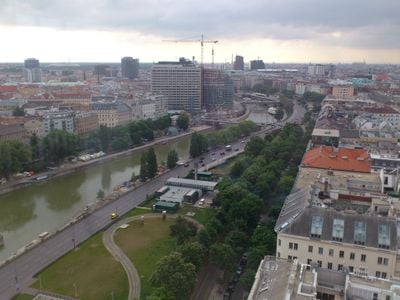
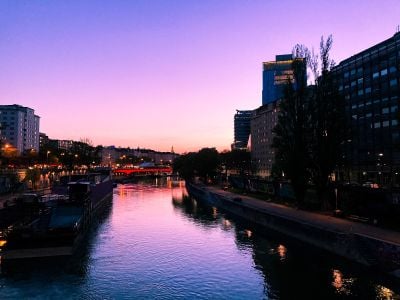
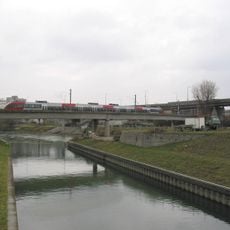
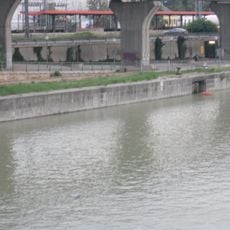
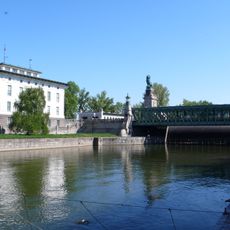
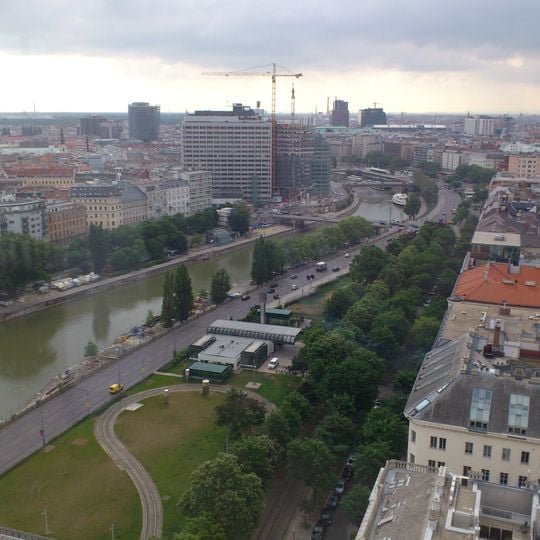
The Donaukanal is a regulated waterway that runs for 17 kilometers through Vienna, separating the city center from the districts of Leopoldstadt and Brigittenau. Its banks feature walkways, cycling paths, and green spaces where residents and visitors gather throughout the year.
The waterway was regulated between 1598 and 1600 when Baron von Hoyos transformed the wild Danube branch into a controlled canal to help manage flooding and open new areas for settlement. This early hydraulic work laid the foundation for Vienna's modern urban development along its banks.
The banks of this waterway showcase colorful murals and street art that change with the seasons, creating open-air galleries where artists and visitors interact. Local communities gather here to celebrate, perform, and display their creative work in informal settings.
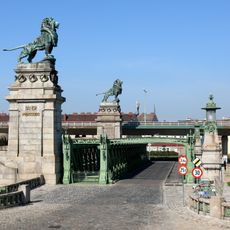
About 15 road bridges and 5 rail bridges connect both sides, while dedicated cycling paths run mainly along the southern bank to help you navigate. The southern bank is better developed with more amenities and is ideal for walking or cycling longer distances.
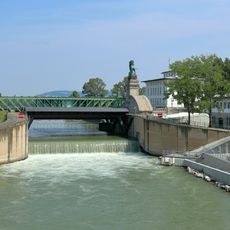
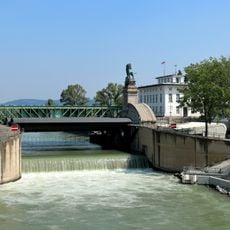
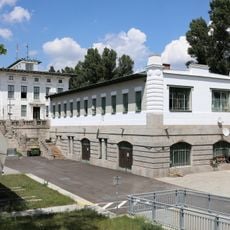
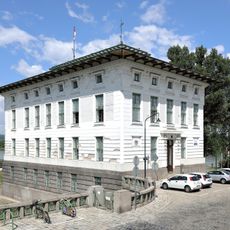
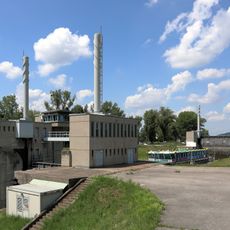
The Nussdorf weir and lock complex at the northern entrance has managed water flow since 1899 and protects the city from flooding. This imposing structure with its massive gates remains visible to visitors and stands as a remarkable example of late 19th-century engineering.
The community of curious travelers
AroundUs brings together thousands of curated places, local tips, and hidden gems, enriched daily by 92,167 contributors worldwide.