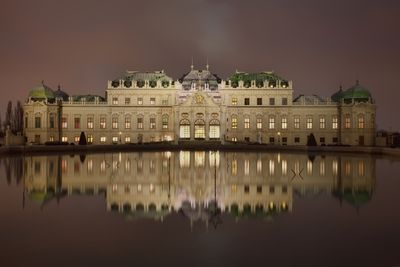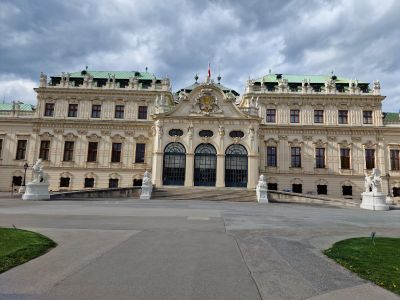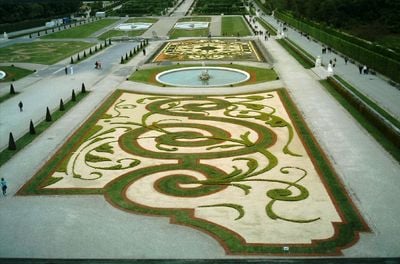
Belvedere, Baroque palace in Landstraße, Vienna, Austria
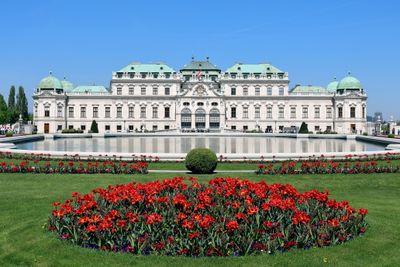
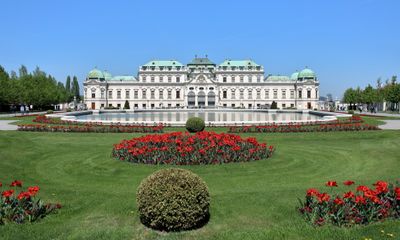
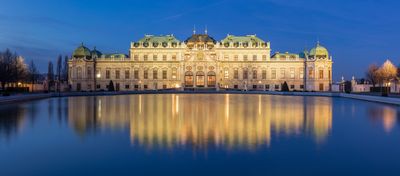
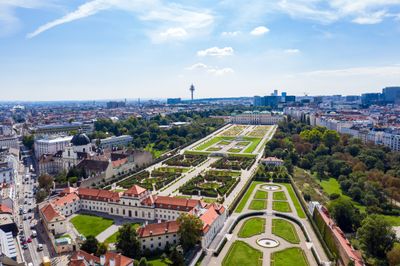
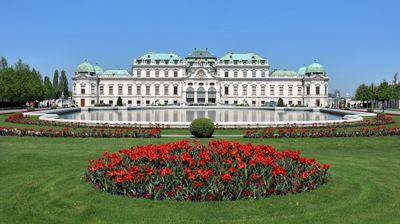
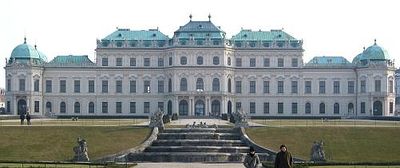
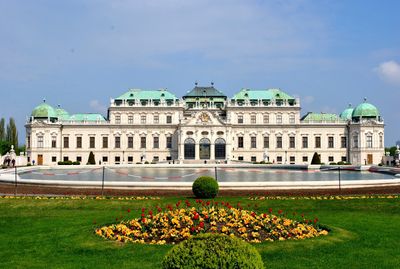
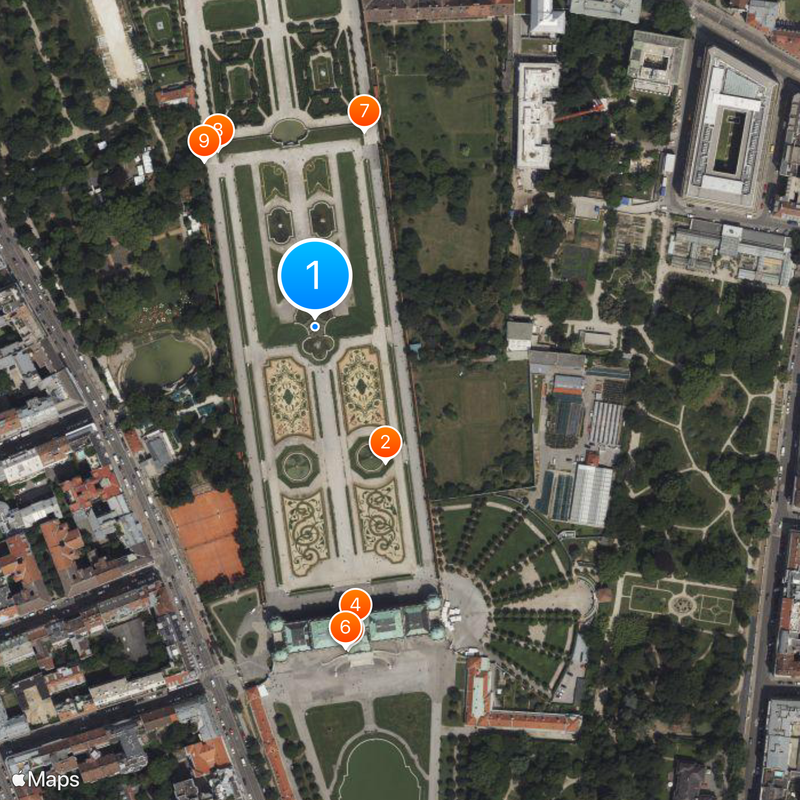
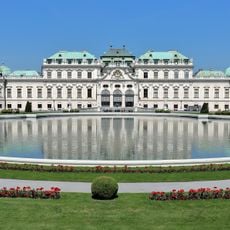
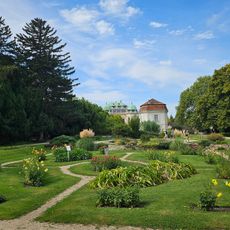
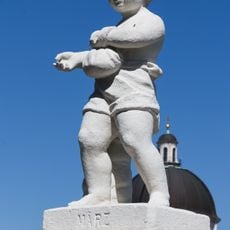
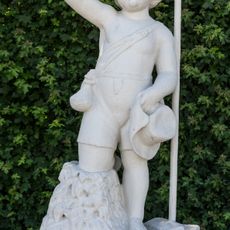
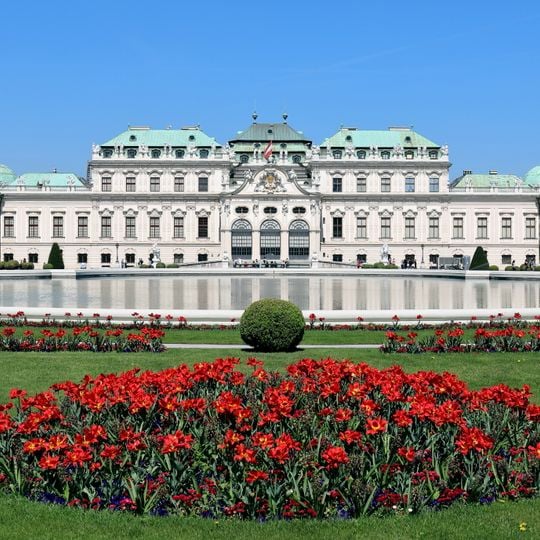
The Belvedere comprises two separate palace buildings in the Landstraße district of Vienna, linked by extensive formal gardens with water features and sculptures. The gardens are arranged in three stepped levels and follow a strict symmetry with wide paths that guide the eye between both buildings.
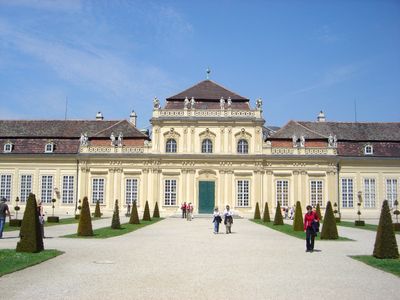
Prince Eugene of Savoy commissioned Johann Lukas von Hildebrandt to design the lower palace as a residence in 1714 and the upper palace as a ceremonial building between 1717 and 1723. Following the prince's death in 1736, the Habsburg family acquired the entire complex and later transformed it into a public collection.
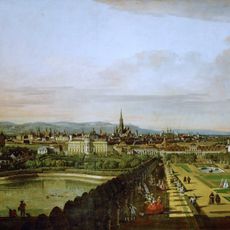
The name comes from the Italian term for 'beautiful view', referring to the wide cityscape visible from the upper building across Vienna. Visitors often pause on the terraces between gallery rooms on warm days to take in the view over the rooftops.
The main entrance to the upper palace is on Prinz-Eugen-Straße, while the lower palace is reached from the Rennweg side, and both require separate visits. On clear days, a walk through the gardens offers a good overview of the entire complex and is freely accessible without a ticket.
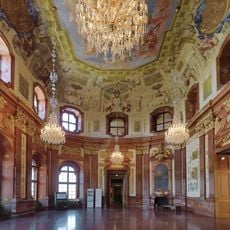
The Marble Hall in the upper palace served as the setting for signing the State Treaty on May 15, 1955, ending Austria's occupation after World War II. Thousands of people gathered outside the building that day to celebrate the restoration of independence.
The community of curious travelers
AroundUs brings together thousands of curated places, local tips, and hidden gems, enriched daily by 91,015 contributors worldwide.